
Record Year for Treasure Finds in England: Norfolk Tops the List
In This Article
HIGHLIGHTS
- Norfolk led England in treasure finds in 2024, with 138 discoveries, surpassing Hampshire and North Yorkshire.
- A Roman vehicle fitting and a hoard of Harold II pennies were among the most notable finds, highlighting Britain's rich archaeological history.
- The British Museum reported a record 79,616 finds in 2024, with 94% discovered by the public, showcasing the impact of metal detecting.
- The Treasure Act 1996's significance-based criteria were pivotal in classifying the Roman artefact as treasure.
- The Portable Antiquities Scheme plays a crucial role in preserving and documenting the nation's historical finds.
In a landmark year for archaeological discoveries, Norfolk emerged as the leading county for treasure finds in England in 2024, according to the latest figures released by the British Museum. Metal detectorists in Norfolk reported 138 treasure finds, outpacing Hampshire and North Yorkshire, which recorded 110 and 109 finds, respectively. The county also boasted over 7,120 total finds, underscoring its historical richness.
Notable Discoveries
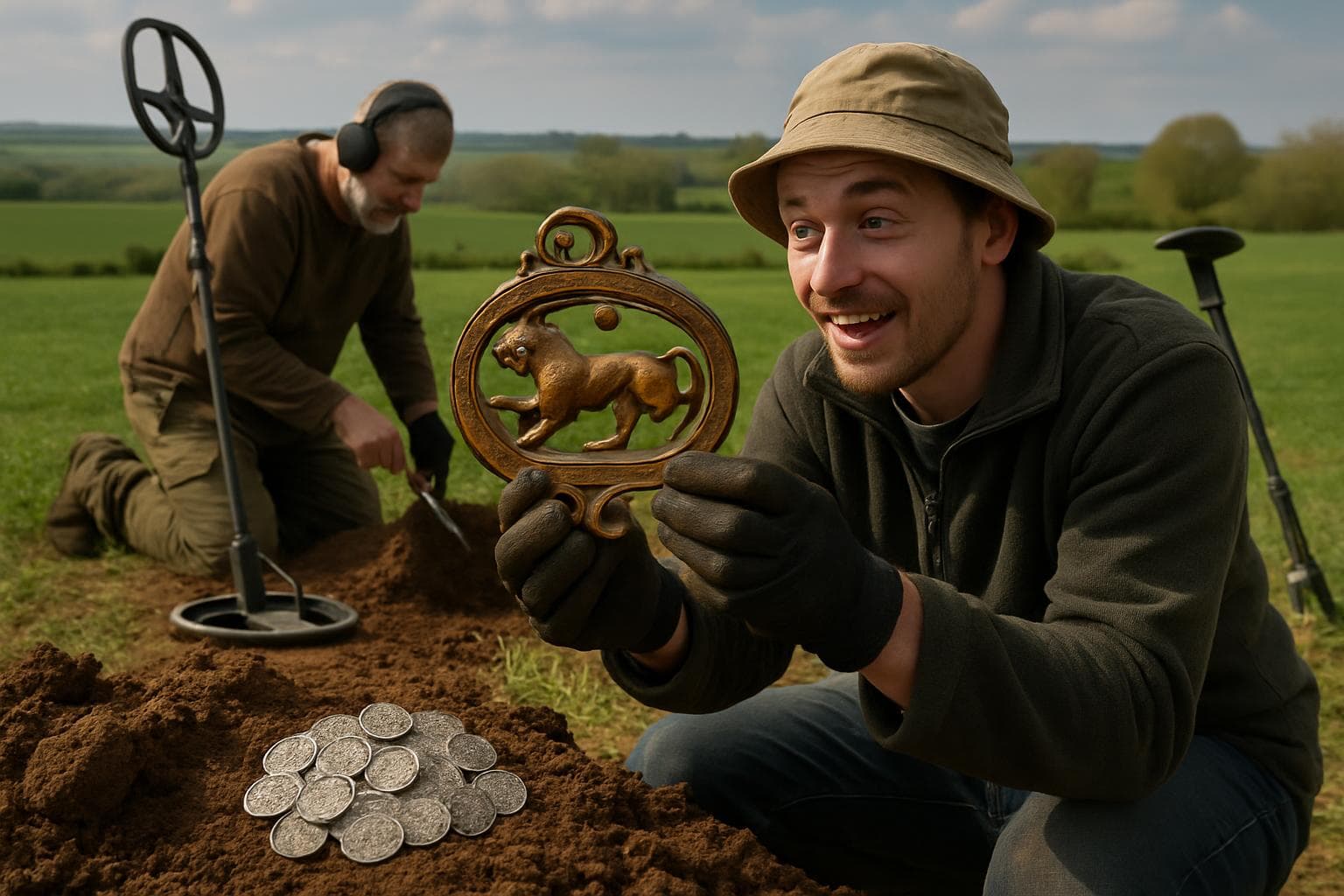
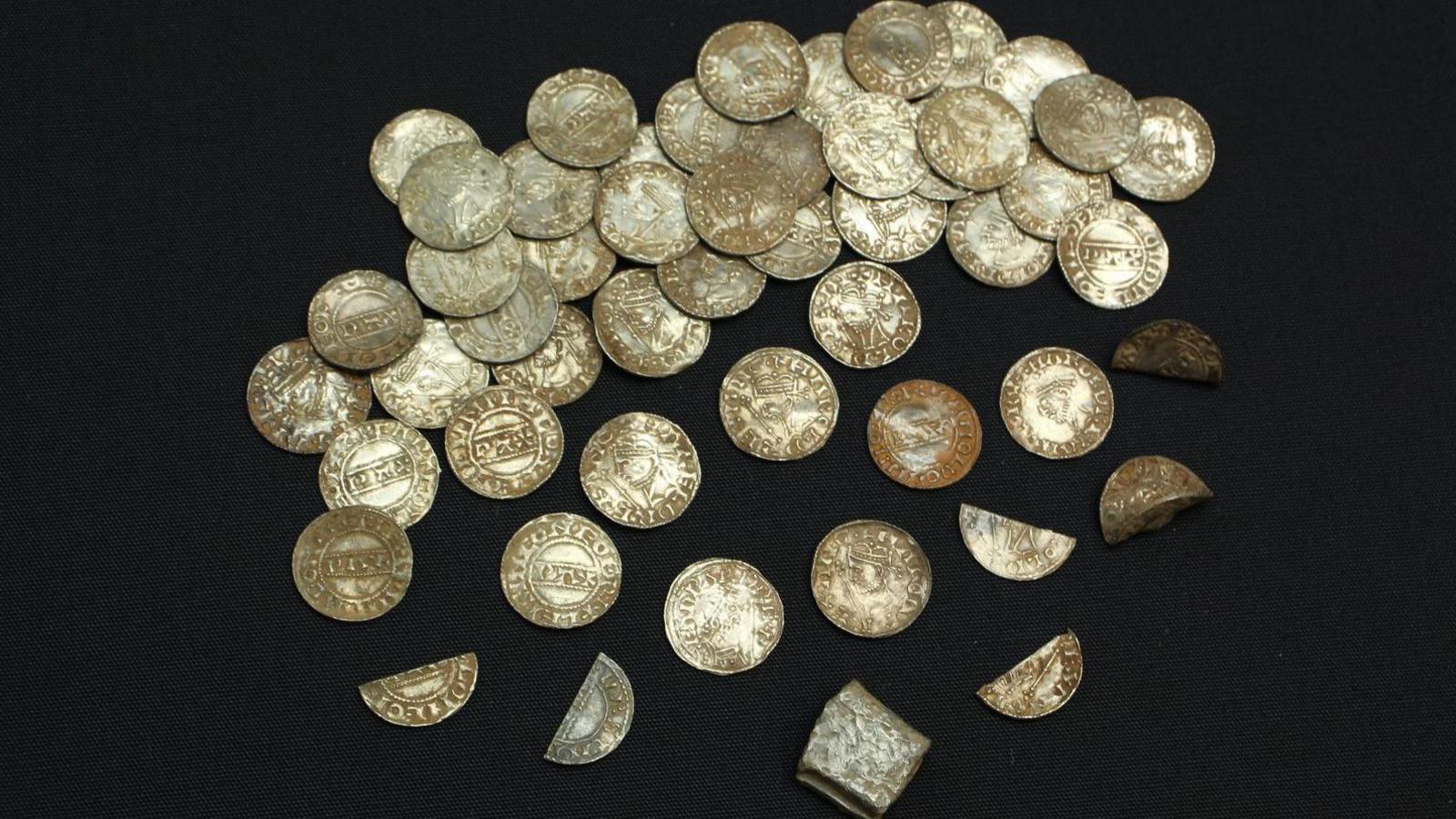
Among the standout discoveries were a Roman vehicle fitting unearthed near Harlow, Essex, and a hoard of 179 silver pennies linked to Harold II, found near York. The Roman artefact, dating from AD43 to AD200, features a female panther and is considered one of Essex's most iconic archaeological objects. Dr. John Pearce from King's College, London, noted its rarity and distinct Romano-British design.
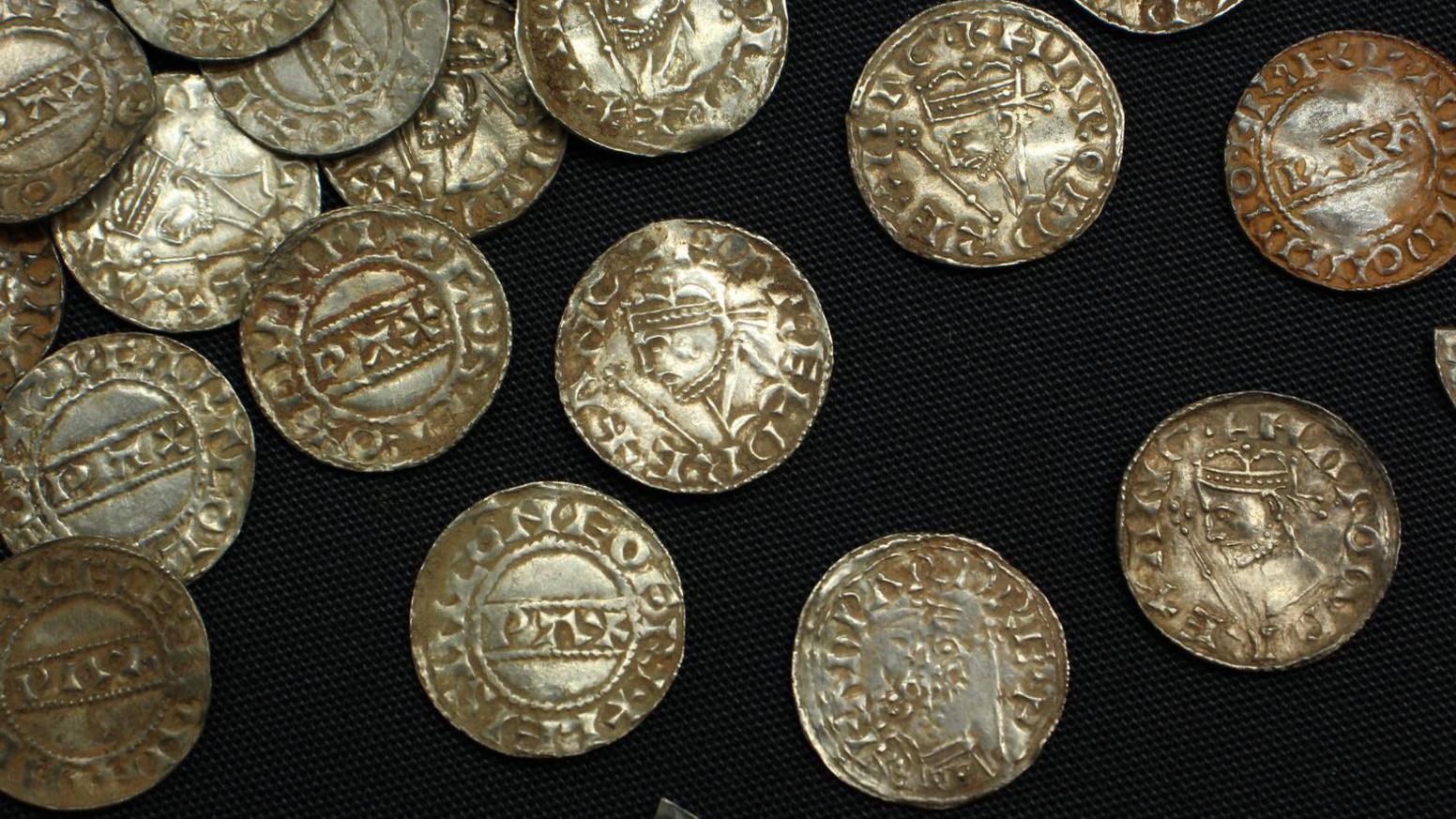
The Harold II pennies, likely buried on the eve of the 1066 Norwegian invasion, offer a glimpse into a tumultuous period in English history. The hoard's exclusive composition of coins from Harold II's brief reign adds to its significance.
Public Contribution and Preservation Efforts
The British Museum's report highlighted the crucial role of the public in uncovering these treasures, with 94% of the 79,616 finds in 2024 attributed to metal detectorists. This surge in public involvement has been instrumental in documenting and preserving Britain's past. Dr. Nicholas Cullinan, director of the British Museum, emphasized the importance of the Portable Antiquities Scheme (PAS) and the Treasure Act 1996 in safeguarding these discoveries.
The Treasure Act's updated criteria, which consider historical and cultural significance, were key in classifying the Roman vehicle fitting as treasure. This legislative framework ensures that remarkable finds are protected and accessible for study.
Medieval Treasures and Future Excavations
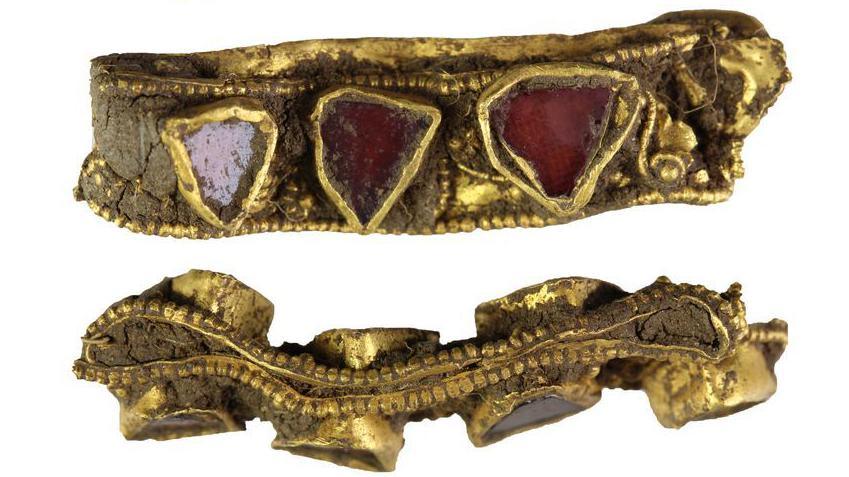
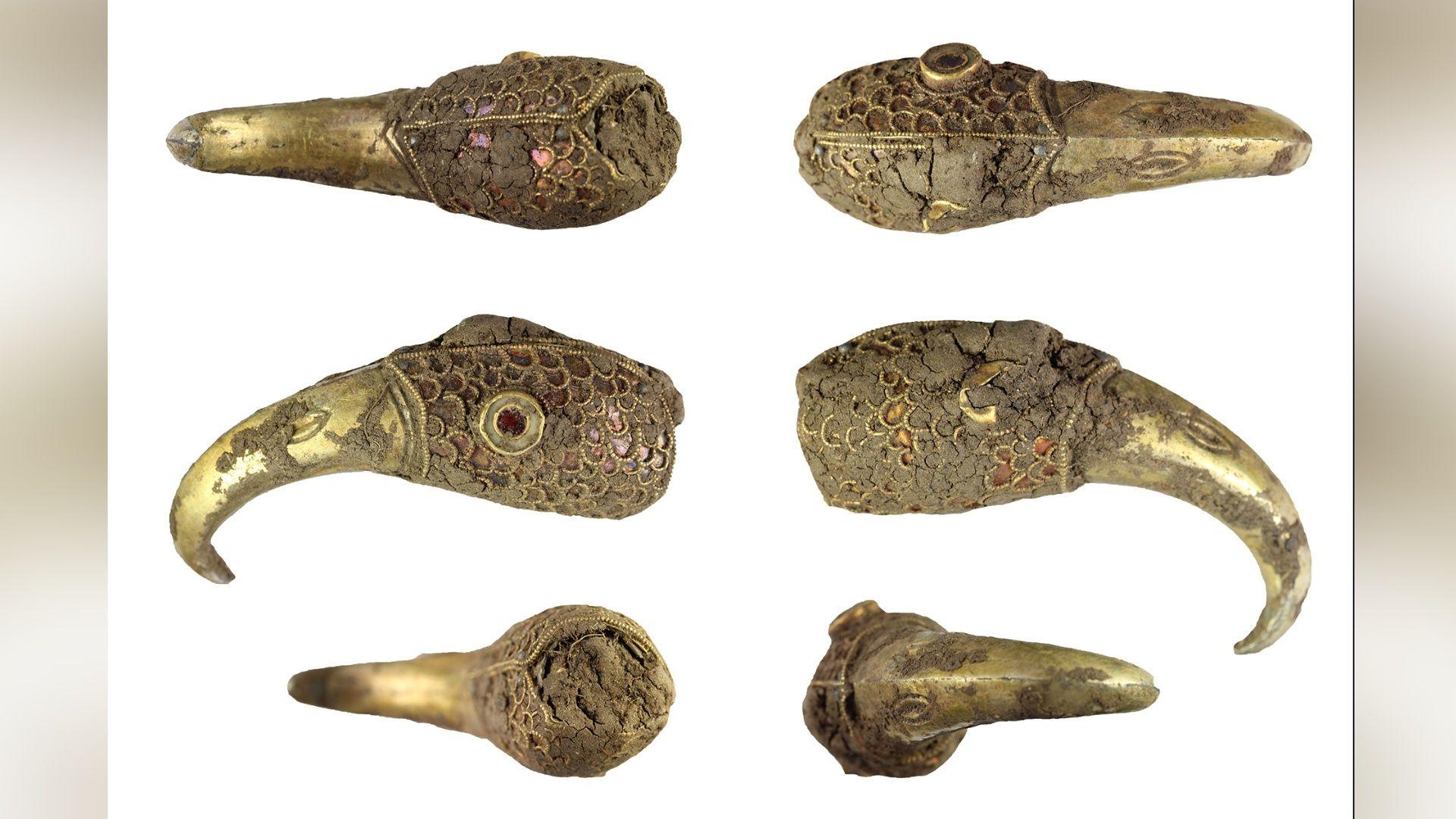
In addition to the Roman and medieval finds, a collection of early medieval objects was discovered in Wiltshire, including a silver, gold, and garnet bird’s-head terminal. These artefacts, potentially part of a high-status burial, provide insights into the elite lifestyles of the period. Cardiff University and the PAS plan a follow-up excavation to further explore these findings.
WHAT THIS MIGHT MEAN
The record-breaking year for treasure finds in England underscores the growing popularity and impact of metal detecting. As public involvement continues to rise, the Portable Antiquities Scheme and the Treasure Act 1996 will remain vital in managing and preserving these discoveries. Future excavations, such as those planned in Wiltshire, may uncover further insights into Britain's rich historical tapestry.
The increased public engagement in archaeology could lead to more significant finds, prompting discussions on enhancing legislative frameworks to better protect and study these artefacts. As the British Museum continues to showcase these treasures, the public's role in preserving history is likely to expand, fostering a deeper connection to the nation's past.
Images from the Web


Related Articles

Tragic Loss on Yr Wyddfa: Two Young Hikers Found Dead

Andrew Mountbatten-Windsor Arrested Amid Misconduct Allegations

Andrew Mountbatten-Windsor Arrested: A Royal Scandal Unfolds

Reform UK Aims to Reshape Welsh Politics with New Manifesto

Government Announces £4 Billion Overhaul of SEND Support in England

UK Government's SEND Reforms: A Critical Turning Point for Special Education
Record Year for Treasure Finds in England: Norfolk Tops the List
In This Article
 Ethan Brooks| Published
 HIGHLIGHTS
- Norfolk led England in treasure finds in 2024, with 138 discoveries, surpassing Hampshire and North Yorkshire.
- A Roman vehicle fitting and a hoard of Harold II pennies were among the most notable finds, highlighting Britain's rich archaeological history.
- The British Museum reported a record 79,616 finds in 2024, with 94% discovered by the public, showcasing the impact of metal detecting.
- The Treasure Act 1996's significance-based criteria were pivotal in classifying the Roman artefact as treasure.
- The Portable Antiquities Scheme plays a crucial role in preserving and documenting the nation's historical finds.
In a landmark year for archaeological discoveries, Norfolk emerged as the leading county for treasure finds in England in 2024, according to the latest figures released by the British Museum. Metal detectorists in Norfolk reported 138 treasure finds, outpacing Hampshire and North Yorkshire, which recorded 110 and 109 finds, respectively. The county also boasted over 7,120 total finds, underscoring its historical richness.
Notable Discoveries
Among the standout discoveries were a Roman vehicle fitting unearthed near Harlow, Essex, and a hoard of 179 silver pennies linked to Harold II, found near York. The Roman artefact, dating from AD43 to AD200, features a female panther and is considered one of Essex's most iconic archaeological objects. Dr. John Pearce from King's College, London, noted its rarity and distinct Romano-British design.
The Harold II pennies, likely buried on the eve of the 1066 Norwegian invasion, offer a glimpse into a tumultuous period in English history. The hoard's exclusive composition of coins from Harold II's brief reign adds to its significance.
Public Contribution and Preservation Efforts
The British Museum's report highlighted the crucial role of the public in uncovering these treasures, with 94% of the 79,616 finds in 2024 attributed to metal detectorists. This surge in public involvement has been instrumental in documenting and preserving Britain's past. Dr. Nicholas Cullinan, director of the British Museum, emphasized the importance of the Portable Antiquities Scheme (PAS) and the Treasure Act 1996 in safeguarding these discoveries.
The Treasure Act's updated criteria, which consider historical and cultural significance, were key in classifying the Roman vehicle fitting as treasure. This legislative framework ensures that remarkable finds are protected and accessible for study.
Medieval Treasures and Future Excavations
In addition to the Roman and medieval finds, a collection of early medieval objects was discovered in Wiltshire, including a silver, gold, and garnet bird’s-head terminal. These artefacts, potentially part of a high-status burial, provide insights into the elite lifestyles of the period. Cardiff University and the PAS plan a follow-up excavation to further explore these findings.
WHAT THIS MIGHT MEAN
The record-breaking year for treasure finds in England underscores the growing popularity and impact of metal detecting. As public involvement continues to rise, the Portable Antiquities Scheme and the Treasure Act 1996 will remain vital in managing and preserving these discoveries. Future excavations, such as those planned in Wiltshire, may uncover further insights into Britain's rich historical tapestry.
The increased public engagement in archaeology could lead to more significant finds, prompting discussions on enhancing legislative frameworks to better protect and study these artefacts. As the British Museum continues to showcase these treasures, the public's role in preserving history is likely to expand, fostering a deeper connection to the nation's past.
Images from the Web
Related Articles
Tragic Loss on Yr Wyddfa: Two Young Hikers Found Dead
Andrew Mountbatten-Windsor Arrested Amid Misconduct Allegations
Andrew Mountbatten-Windsor Arrested: A Royal Scandal Unfolds
Reform UK Aims to Reshape Welsh Politics with New Manifesto
Government Announces £4 Billion Overhaul of SEND Support in England
UK Government's SEND Reforms: A Critical Turning Point for Special Education