
Norman Tebbit: A Stalwart of Conservative Politics Passes Away at 94
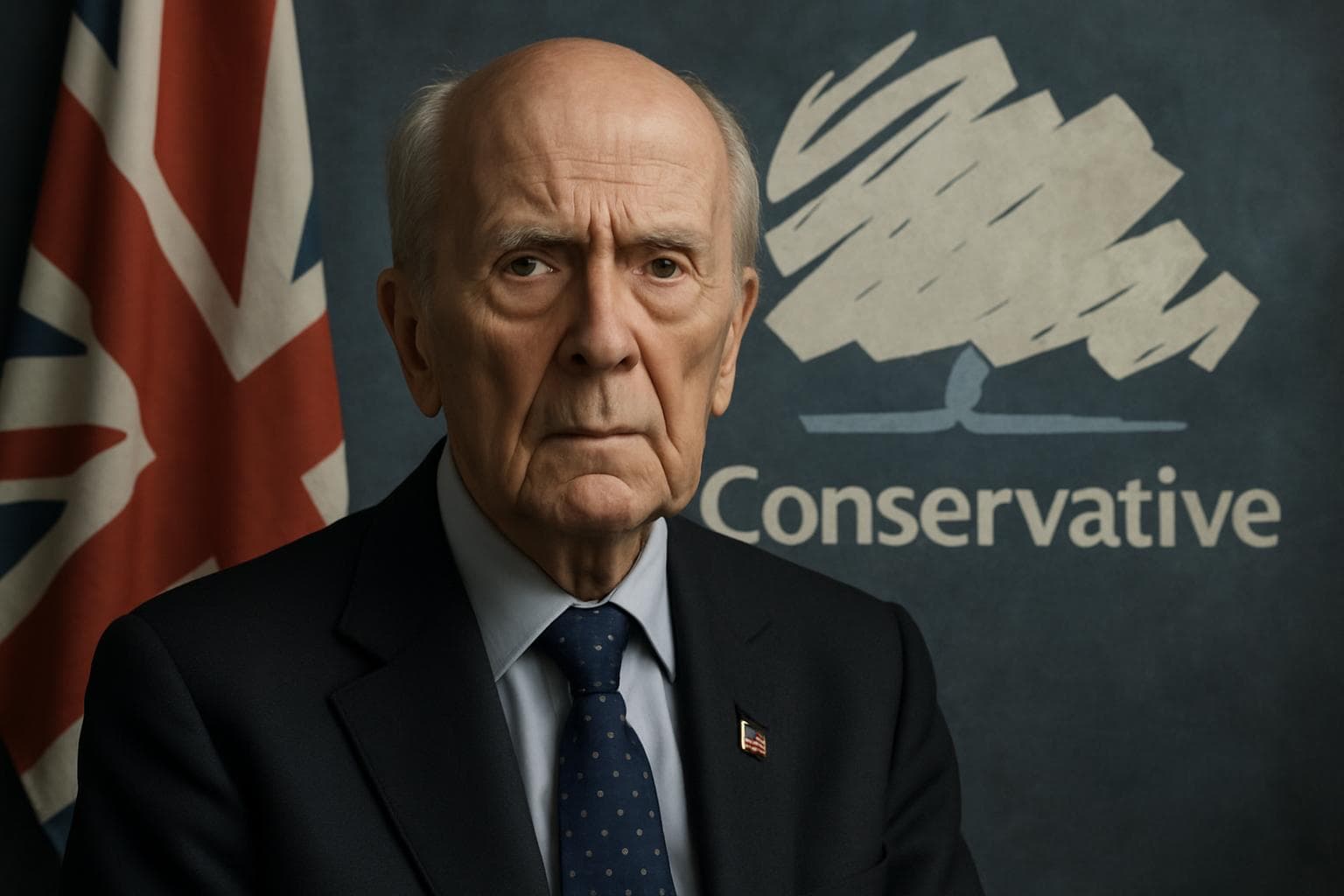
In This Article
HIGHLIGHTS
- Norman Tebbit, a key figure in Margaret Thatcher's government, passed away at 94, leaving a significant impact on British politics.
- Tebbit was known for his strong stance on self-reliance and his outspoken views on immigration and Europe, which resonated with Conservative supporters.
- He and his wife were victims of the 1984 IRA Brighton bombing, which left Mrs. Tebbit paralyzed and influenced his political decisions.
- Despite his potential, Tebbit never became Conservative Party leader, partly due to personal commitments and political calculations.
- Tributes from political figures highlight Tebbit's courage, effectiveness, and lasting influence on the Conservative Party.
Norman Tebbit, a prominent figure in the Conservative Party and a close ally of Margaret Thatcher, has died at the age of 94. Known for his unwavering commitment to self-reliance and his candid views on immigration and Europe, Tebbit was a central figure in Thatcher's political revolution. His death marks the end of an era for the Conservative political right.
Early Life and Political Rise
Born on March 29, 1931, in Ponders End, north London, Tebbit's early life was shaped by economic hardship. His father's job loss during the Great Depression forced the family into a series of temporary homes. Despite these challenges, Tebbit developed a keen interest in Conservative politics, driven by a belief in personal responsibility. After leaving school at 16, he joined the Financial Times as a trainee journalist before serving in the RAF, where he narrowly escaped death in a plane accident.
Tebbit's political career began in earnest when he was elected as the Conservative MP for Epping in 1970, a seat once held by Winston Churchill. He later represented Chingford until 1992, after which he joined the House of Lords. His tenure in Thatcher's government saw him rise to key positions, including Secretary of State for Trade and Industry and Chairman of the Conservative Party.
Impact of the IRA Brighton Bombing
A defining moment in Tebbit's life was the IRA bombing of the Grand Hotel in Brighton in 1984, which left him and his wife, Margaret, severely injured. Mrs. Tebbit was paralyzed from the chest down, a tragedy that profoundly affected Tebbit's political trajectory. Despite his own injuries, Tebbit returned to his ministerial duties within three months, displaying remarkable resilience.
Legacy and Tributes
Tebbit's political legacy is marked by his combative style and his ability to articulate the aspirations of the working class. Although he never became party leader, his influence on the Conservative Party was significant. Former Prime Minister Boris Johnson described him as a "great patriot" and a "giant of the Conservative Party." Other political figures, including Priti Patel and Sir John Whittingdale, praised his courage and dedication to his principles.
Tebbit's son, William, confirmed his father's peaceful passing at home on July 7, 2025, and requested privacy for the family during this time.
WHAT THIS MIGHT MEAN
Norman Tebbit's passing prompts reflection on his enduring influence on the Conservative Party and British politics. His legacy of self-reliance and forthrightness continues to resonate, particularly as the party navigates contemporary challenges. Politically, Tebbit's life underscores the impact of personal sacrifice on public service, a theme that may inspire future leaders. As the Conservative Party seeks to honor his legacy, it may revisit some of his principles in shaping its future direction.
Related Articles
UK Government to Reform Asylum Seeker Support and Employment Policies

UK Faces Dilemmas Amid Iran Conflict and China Spying Allegations
Labour MP's Husband Arrested in UK-China Espionage Probe
UK-Iran Tensions: Starmer Defends Cautious Approach Amid Trump Criticism

Diplomatic Tensions Rise as Trump Criticizes Starmer's Iran Policy
Prince Andrew's Ties to Epstein Under Scrutiny Amid Calls for Inquiry
Norman Tebbit: A Stalwart of Conservative Politics Passes Away at 94
In This Article
 Ethan Brooks| Published
 HIGHLIGHTS
- Norman Tebbit, a key figure in Margaret Thatcher's government, passed away at 94, leaving a significant impact on British politics.
- Tebbit was known for his strong stance on self-reliance and his outspoken views on immigration and Europe, which resonated with Conservative supporters.
- He and his wife were victims of the 1984 IRA Brighton bombing, which left Mrs. Tebbit paralyzed and influenced his political decisions.
- Despite his potential, Tebbit never became Conservative Party leader, partly due to personal commitments and political calculations.
- Tributes from political figures highlight Tebbit's courage, effectiveness, and lasting influence on the Conservative Party.
Norman Tebbit, a prominent figure in the Conservative Party and a close ally of Margaret Thatcher, has died at the age of 94. Known for his unwavering commitment to self-reliance and his candid views on immigration and Europe, Tebbit was a central figure in Thatcher's political revolution. His death marks the end of an era for the Conservative political right.
Early Life and Political Rise
Born on March 29, 1931, in Ponders End, north London, Tebbit's early life was shaped by economic hardship. His father's job loss during the Great Depression forced the family into a series of temporary homes. Despite these challenges, Tebbit developed a keen interest in Conservative politics, driven by a belief in personal responsibility. After leaving school at 16, he joined the Financial Times as a trainee journalist before serving in the RAF, where he narrowly escaped death in a plane accident.
Tebbit's political career began in earnest when he was elected as the Conservative MP for Epping in 1970, a seat once held by Winston Churchill. He later represented Chingford until 1992, after which he joined the House of Lords. His tenure in Thatcher's government saw him rise to key positions, including Secretary of State for Trade and Industry and Chairman of the Conservative Party.
Impact of the IRA Brighton Bombing
A defining moment in Tebbit's life was the IRA bombing of the Grand Hotel in Brighton in 1984, which left him and his wife, Margaret, severely injured. Mrs. Tebbit was paralyzed from the chest down, a tragedy that profoundly affected Tebbit's political trajectory. Despite his own injuries, Tebbit returned to his ministerial duties within three months, displaying remarkable resilience.
Legacy and Tributes
Tebbit's political legacy is marked by his combative style and his ability to articulate the aspirations of the working class. Although he never became party leader, his influence on the Conservative Party was significant. Former Prime Minister Boris Johnson described him as a "great patriot" and a "giant of the Conservative Party." Other political figures, including Priti Patel and Sir John Whittingdale, praised his courage and dedication to his principles.
Tebbit's son, William, confirmed his father's peaceful passing at home on July 7, 2025, and requested privacy for the family during this time.
WHAT THIS MIGHT MEAN
Norman Tebbit's passing prompts reflection on his enduring influence on the Conservative Party and British politics. His legacy of self-reliance and forthrightness continues to resonate, particularly as the party navigates contemporary challenges. Politically, Tebbit's life underscores the impact of personal sacrifice on public service, a theme that may inspire future leaders. As the Conservative Party seeks to honor his legacy, it may revisit some of his principles in shaping its future direction.
Related Articles
UK Government to Reform Asylum Seeker Support and Employment Policies
UK Faces Dilemmas Amid Iran Conflict and China Spying Allegations
Labour MP's Husband Arrested in UK-China Espionage Probe
UK-Iran Tensions: Starmer Defends Cautious Approach Amid Trump Criticism
Diplomatic Tensions Rise as Trump Criticizes Starmer's Iran Policy
Prince Andrew's Ties to Epstein Under Scrutiny Amid Calls for Inquiry