
Northern Powerhouse Rail: Ambitious Plans Amidst Regional Concerns
In This Article
HIGHLIGHTS
- The UK government's Northern Powerhouse Rail (NPR) plan aims to improve rail connectivity in northern England with a £45bn investment.
- The NPR scheme follows the cancellation of the HS2 northern leg, leaving regions like Staffordshire and Hull in uncertainty.
- Local leaders express concerns over the exclusion of Hull and the ongoing issues in Staffordshire, calling for clarity and commitment.
- The NPR project will be delivered in phases, with initial upgrades focusing on cities like Leeds, York, and Sheffield.
- Economic growth and improved transport links are central to the NPR's goals, but funding and timelines remain contentious.
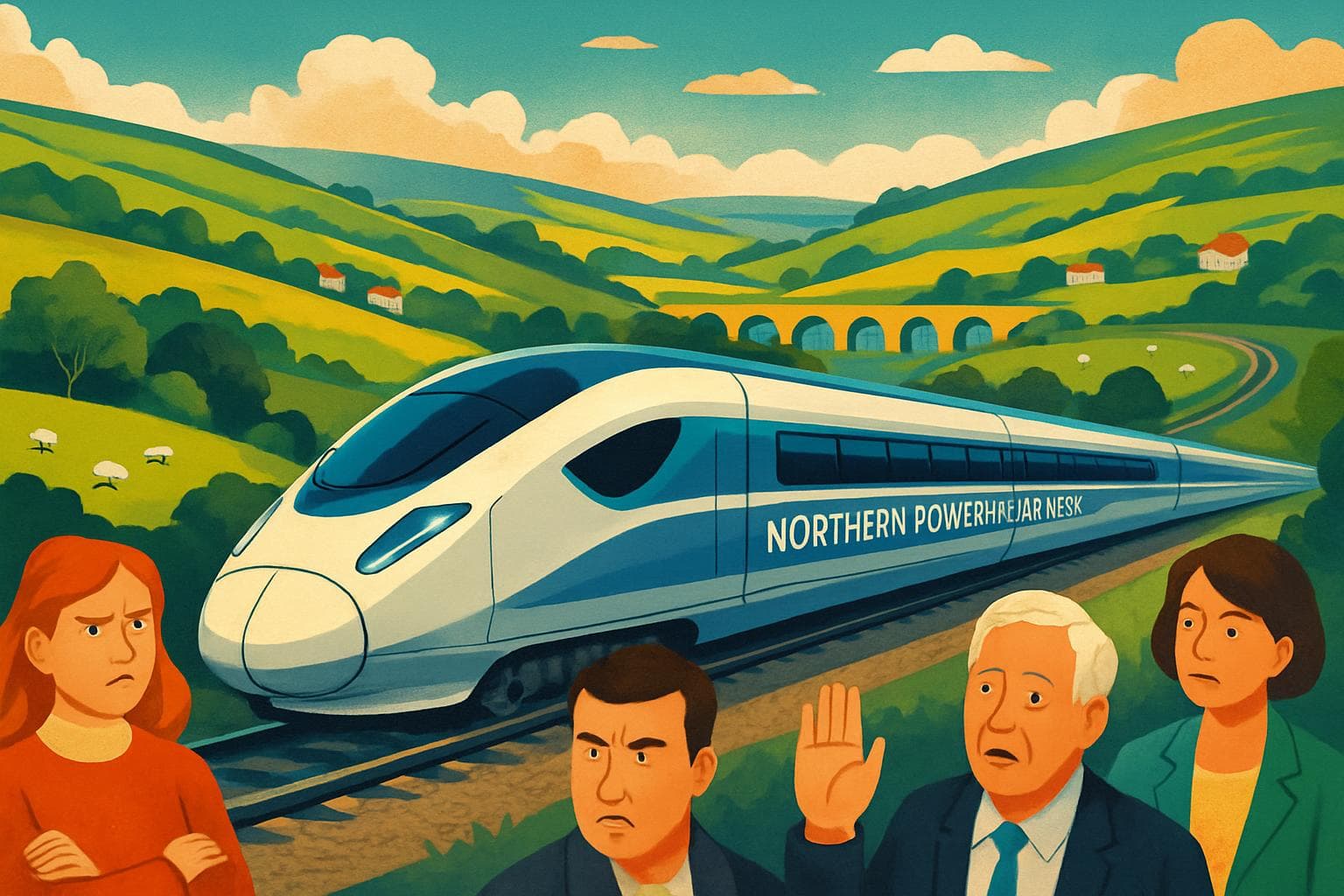
The UK government's ambitious Northern Powerhouse Rail (NPR) initiative, unveiled with a £45 billion investment, aims to transform rail connectivity across northern England. However, the plan has sparked mixed reactions from local leaders who are grappling with the aftermath of the HS2 northern leg cancellation.
Regional Discontent and Calls for Clarity
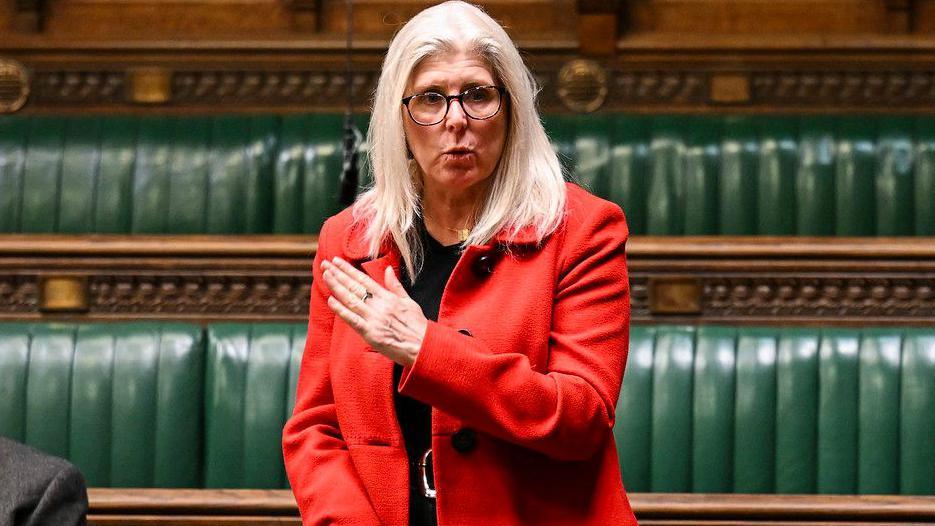
The NPR scheme, designed to enhance rail infrastructure and stimulate economic growth in the North, has left some regions feeling overlooked. Staffordshire MPs have voiced concerns about the county's future, fearing it remains "in stasis" due to unresolved issues from the HS2 cancellation. Dr. Allison Gardner, MP for Stoke-on-Trent South, highlighted the ongoing costs of the HS2 compound at Yarnfield, emphasizing the need for clear rail plans.
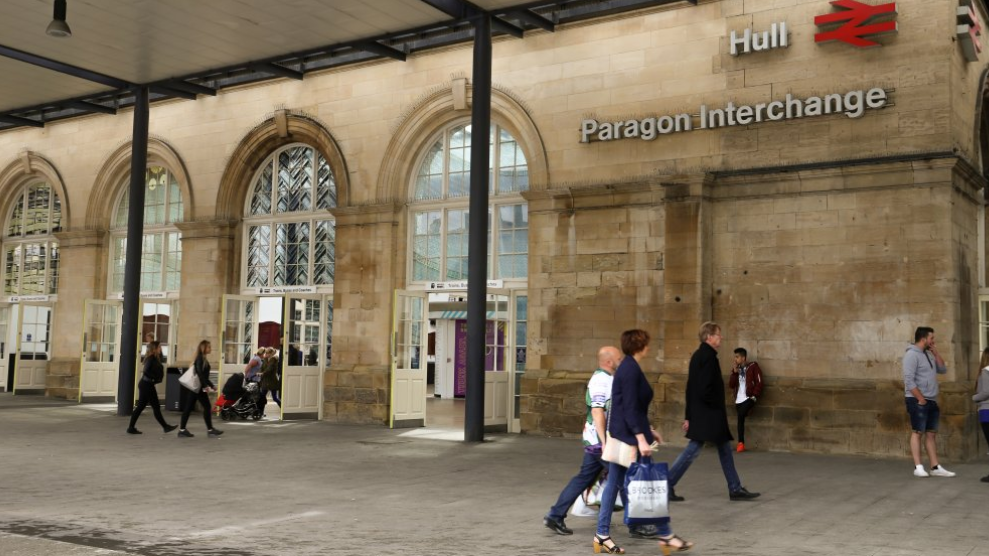
Similarly, Hull's exclusion from the initial NPR phases has drawn criticism. Hull City Council leader Mike Ross described the omission as a "shocking failure," urging the government to commit to electrification and investment in the region. Hull and East Yorkshire mayor Luke Campbell echoed these sentiments, stressing the importance of modern rail links for regional growth.
Phased Implementation and Economic Ambitions
The NPR project will roll out in phases, starting with upgrades to lines connecting Leeds, York, Bradford, and Sheffield. Future phases include a new route between Liverpool and Manchester and improved connections to Yorkshire cities. Transport Secretary Heidi Alexander assured that these developments would deliver faster, more frequent services, unlocking jobs and homes.
Despite the positive outlook, funding and timelines remain contentious. The government has committed £1.1 billion to the project until 2029, with a spending cap of £45 billion thereafter. Local leaders may need to explore additional funding sources, such as business rates or borrowing, to cover potential cost overruns.
Political and Economic Implications
The NPR initiative is seen as a crucial step in addressing long-standing transport disparities between the North and South. However, the project's success hinges on overcoming political and financial challenges. Greater Manchester mayor Andy Burnham and other regional leaders have expressed cautious optimism, acknowledging the need for continued dialogue with Whitehall to ensure the plan's viability.
WHAT THIS MIGHT MEAN
The NPR's phased implementation could significantly boost economic growth and connectivity in northern England, provided funding and political support remain consistent. However, regions like Staffordshire and Hull may continue to face challenges unless their concerns are addressed. The project's success will depend on effective collaboration between local leaders and the government, as well as securing additional funding sources. As the NPR progresses, it could serve as a model for future infrastructure projects aimed at reducing regional disparities in the UK.
Images from the Web
Related Articles

Government Announces £4 Billion Overhaul of SEND Support in England

Prince Andrew's Ties to Epstein Under Scrutiny Amid Calls for Inquiry

Government Criticized for Mishandling Maccabi Tel Aviv Fan Ban
Prince Andrew's Arrest Intensifies Scrutiny on Royal Succession and Prince William's Future Role

UK Government's SEND Reforms: A Critical Turning Point for Special Education

Teen Couple's Tragic Death at Yorkshire Holiday Park Sparks Investigation
Northern Powerhouse Rail: Ambitious Plans Amidst Regional Concerns
In This Article
 Ethan Brooks| Published
 HIGHLIGHTS
- The UK government's Northern Powerhouse Rail (NPR) plan aims to improve rail connectivity in northern England with a £45bn investment.
- The NPR scheme follows the cancellation of the HS2 northern leg, leaving regions like Staffordshire and Hull in uncertainty.
- Local leaders express concerns over the exclusion of Hull and the ongoing issues in Staffordshire, calling for clarity and commitment.
- The NPR project will be delivered in phases, with initial upgrades focusing on cities like Leeds, York, and Sheffield.
- Economic growth and improved transport links are central to the NPR's goals, but funding and timelines remain contentious.
The UK government's ambitious Northern Powerhouse Rail (NPR) initiative, unveiled with a £45 billion investment, aims to transform rail connectivity across northern England. However, the plan has sparked mixed reactions from local leaders who are grappling with the aftermath of the HS2 northern leg cancellation.
Regional Discontent and Calls for Clarity
The NPR scheme, designed to enhance rail infrastructure and stimulate economic growth in the North, has left some regions feeling overlooked. Staffordshire MPs have voiced concerns about the county's future, fearing it remains "in stasis" due to unresolved issues from the HS2 cancellation. Dr. Allison Gardner, MP for Stoke-on-Trent South, highlighted the ongoing costs of the HS2 compound at Yarnfield, emphasizing the need for clear rail plans.
Similarly, Hull's exclusion from the initial NPR phases has drawn criticism. Hull City Council leader Mike Ross described the omission as a "shocking failure," urging the government to commit to electrification and investment in the region. Hull and East Yorkshire mayor Luke Campbell echoed these sentiments, stressing the importance of modern rail links for regional growth.
Phased Implementation and Economic Ambitions
The NPR project will roll out in phases, starting with upgrades to lines connecting Leeds, York, Bradford, and Sheffield. Future phases include a new route between Liverpool and Manchester and improved connections to Yorkshire cities. Transport Secretary Heidi Alexander assured that these developments would deliver faster, more frequent services, unlocking jobs and homes.
Despite the positive outlook, funding and timelines remain contentious. The government has committed £1.1 billion to the project until 2029, with a spending cap of £45 billion thereafter. Local leaders may need to explore additional funding sources, such as business rates or borrowing, to cover potential cost overruns.
Political and Economic Implications
The NPR initiative is seen as a crucial step in addressing long-standing transport disparities between the North and South. However, the project's success hinges on overcoming political and financial challenges. Greater Manchester mayor Andy Burnham and other regional leaders have expressed cautious optimism, acknowledging the need for continued dialogue with Whitehall to ensure the plan's viability.
WHAT THIS MIGHT MEAN
The NPR's phased implementation could significantly boost economic growth and connectivity in northern England, provided funding and political support remain consistent. However, regions like Staffordshire and Hull may continue to face challenges unless their concerns are addressed. The project's success will depend on effective collaboration between local leaders and the government, as well as securing additional funding sources. As the NPR progresses, it could serve as a model for future infrastructure projects aimed at reducing regional disparities in the UK.
Images from the Web
Related Articles
Government Announces £4 Billion Overhaul of SEND Support in England
Prince Andrew's Ties to Epstein Under Scrutiny Amid Calls for Inquiry
Government Criticized for Mishandling Maccabi Tel Aviv Fan Ban
Prince Andrew's Arrest Intensifies Scrutiny on Royal Succession and Prince William's Future Role
UK Government's SEND Reforms: A Critical Turning Point for Special Education
Teen Couple's Tragic Death at Yorkshire Holiday Park Sparks Investigation