
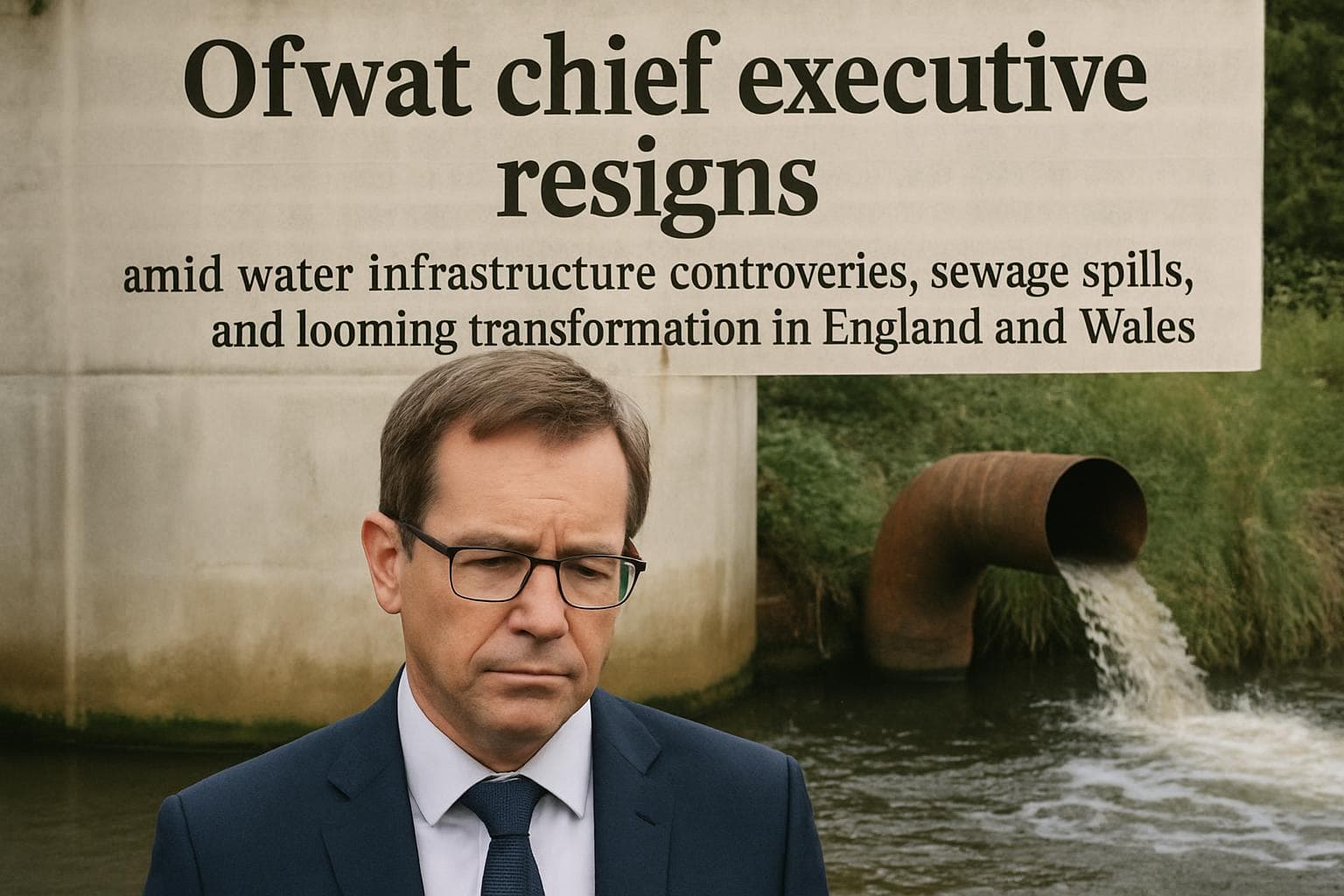
Ofwat Chief Resigns Amid Water Industry Overhaul and Controversies
In This Article
HIGHLIGHTS
- Ofwat's chief executive, David Black, will step down at the end of the month as the government plans to abolish the regulator.
- A report criticized Ofwat, the government, and water companies for failing to address infrastructure issues and sewage spills.
- Yorkshire Water's CEO, Nicola Shaw, faced backlash over undisclosed £1.3m payments amid rising water bills and environmental concerns.
- The government plans to replace Ofwat with a new watchdog as part of a major water industry reform.
- MPs have demanded transparency from Yorkshire Water regarding payments to its CEO, questioning the company's offshore financial practices.
The chief executive of Ofwat, David Black, is set to resign at the end of the month as the UK government moves to abolish the water regulator for England and Wales. This decision comes amid mounting criticism of water companies over infrastructure failings and environmental issues, including sewage spills.
Leadership Change at Ofwat
David Black, who has served as Ofwat's chief executive since April 2022, announced his resignation following the government's decision to replace the regulator with a new watchdog. Black's tenure has been marked by intense scrutiny of the water sector, particularly regarding underinvestment in infrastructure and the environmental impact of sewage spills. "I have been privileged to lead Ofwat during a transformative period," Black stated, expressing his hope for continued progress in the sector.
Government and Industry Criticism
A recent report by Sir Jon Cunliffe highlighted significant failings within the water industry, attributing blame to Ofwat, the government, and water companies. The report recommended 88 reforms, including increased bills to fund infrastructure improvements and the abolition of Ofwat. Environment Secretary Steve Reed confirmed the regulator's dissolution, emphasizing the need for a comprehensive overhaul.
Yorkshire Water Under Fire
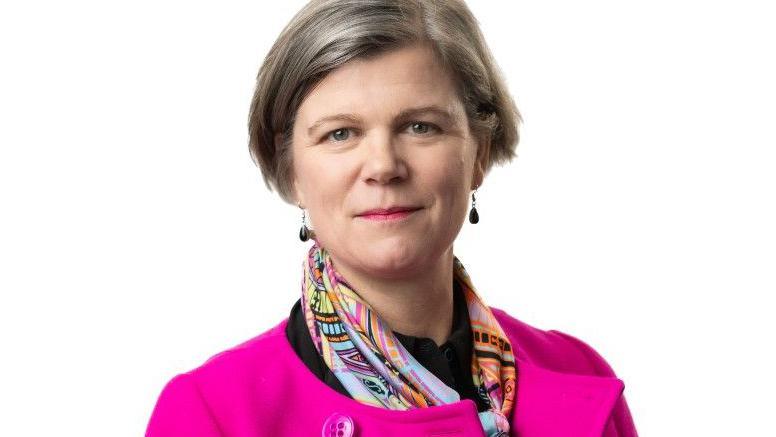
In a related controversy, Yorkshire Water's CEO, Nicola Shaw, has come under fire for receiving £1.3 million in undisclosed payments from the company's parent firm, Kelda Holdings. This revelation has sparked outrage among Yorkshire Labour MPs, who have demanded transparency and questioned the offshore financial arrangements. "Public confidence in water companies is at rock bottom," stated MP Jake Richards, citing rising water bills and environmental concerns.
Future of Water Regulation
The government's decision to abolish Ofwat marks a significant shift in water regulation, aiming to address longstanding issues in the industry. The new watchdog is expected to enforce stricter accountability and investment in infrastructure. As the transition unfolds, stakeholders are closely watching how these changes will impact both the environment and consumers.
WHAT THIS MIGHT MEAN
The abolition of Ofwat and the introduction of a new regulatory body could lead to significant changes in how water companies operate. Experts suggest that increased accountability and investment in infrastructure are crucial to addressing environmental concerns and improving service quality. However, the transition may face challenges, including resistance from industry stakeholders and the need for clear regulatory guidelines. As the government implements these reforms, the water sector's ability to adapt will be critical in ensuring sustainable and efficient water management in the future.
Images from the Web


Related Articles

Breakthrough Drug Offers Hope for Children with Severe Epilepsy
Trump Raises Import Tariffs to 15% After Supreme Court Setback

Arrest of Andrew Mountbatten-Windsor Captured in Iconic Photograph
UK Denies US Use of Military Bases for Potential Iran Strikes Amid Chagos Islands Dispute
Andrew Mountbatten-Windsor Arrested Amid Misconduct Allegations
Andrew Mountbatten-Windsor's Arrest Sparks International Calls for Justice
Ofwat Chief Resigns Amid Water Industry Overhaul and Controversies
In This Article
 Leila Hassan| Published
 HIGHLIGHTS
- Ofwat's chief executive, David Black, will step down at the end of the month as the government plans to abolish the regulator.
- A report criticized Ofwat, the government, and water companies for failing to address infrastructure issues and sewage spills.
- Yorkshire Water's CEO, Nicola Shaw, faced backlash over undisclosed £1.3m payments amid rising water bills and environmental concerns.
- The government plans to replace Ofwat with a new watchdog as part of a major water industry reform.
- MPs have demanded transparency from Yorkshire Water regarding payments to its CEO, questioning the company's offshore financial practices.
The chief executive of Ofwat, David Black, is set to resign at the end of the month as the UK government moves to abolish the water regulator for England and Wales. This decision comes amid mounting criticism of water companies over infrastructure failings and environmental issues, including sewage spills.
Leadership Change at Ofwat
David Black, who has served as Ofwat's chief executive since April 2022, announced his resignation following the government's decision to replace the regulator with a new watchdog. Black's tenure has been marked by intense scrutiny of the water sector, particularly regarding underinvestment in infrastructure and the environmental impact of sewage spills. "I have been privileged to lead Ofwat during a transformative period," Black stated, expressing his hope for continued progress in the sector.
Government and Industry Criticism
A recent report by Sir Jon Cunliffe highlighted significant failings within the water industry, attributing blame to Ofwat, the government, and water companies. The report recommended 88 reforms, including increased bills to fund infrastructure improvements and the abolition of Ofwat. Environment Secretary Steve Reed confirmed the regulator's dissolution, emphasizing the need for a comprehensive overhaul.
Yorkshire Water Under Fire
In a related controversy, Yorkshire Water's CEO, Nicola Shaw, has come under fire for receiving £1.3 million in undisclosed payments from the company's parent firm, Kelda Holdings. This revelation has sparked outrage among Yorkshire Labour MPs, who have demanded transparency and questioned the offshore financial arrangements. "Public confidence in water companies is at rock bottom," stated MP Jake Richards, citing rising water bills and environmental concerns.
Future of Water Regulation
The government's decision to abolish Ofwat marks a significant shift in water regulation, aiming to address longstanding issues in the industry. The new watchdog is expected to enforce stricter accountability and investment in infrastructure. As the transition unfolds, stakeholders are closely watching how these changes will impact both the environment and consumers.
WHAT THIS MIGHT MEAN
The abolition of Ofwat and the introduction of a new regulatory body could lead to significant changes in how water companies operate. Experts suggest that increased accountability and investment in infrastructure are crucial to addressing environmental concerns and improving service quality. However, the transition may face challenges, including resistance from industry stakeholders and the need for clear regulatory guidelines. As the government implements these reforms, the water sector's ability to adapt will be critical in ensuring sustainable and efficient water management in the future.
Images from the Web
Related Articles
Breakthrough Drug Offers Hope for Children with Severe Epilepsy
Trump Raises Import Tariffs to 15% After Supreme Court Setback
Arrest of Andrew Mountbatten-Windsor Captured in Iconic Photograph
UK Denies US Use of Military Bases for Potential Iran Strikes Amid Chagos Islands Dispute
Andrew Mountbatten-Windsor Arrested Amid Misconduct Allegations
Andrew Mountbatten-Windsor's Arrest Sparks International Calls for Justice