
Controversy Surrounds Palestine Action Ban as Arrests Continue Amid Legal Challenge
In This Article
HIGHLIGHTS
- Palestine Action has been banned as a terrorist group, leading to over 700 arrests since July 5.
- Home Secretary Yvette Cooper defends the ban, citing security concerns and the group's violent activities.
- Recent protests in Norwich resulted in 13 arrests under the Terrorism Act 2000 for supporting the proscribed organization.
- Human rights groups, including Amnesty International, criticize the broad application of UK terrorism laws.
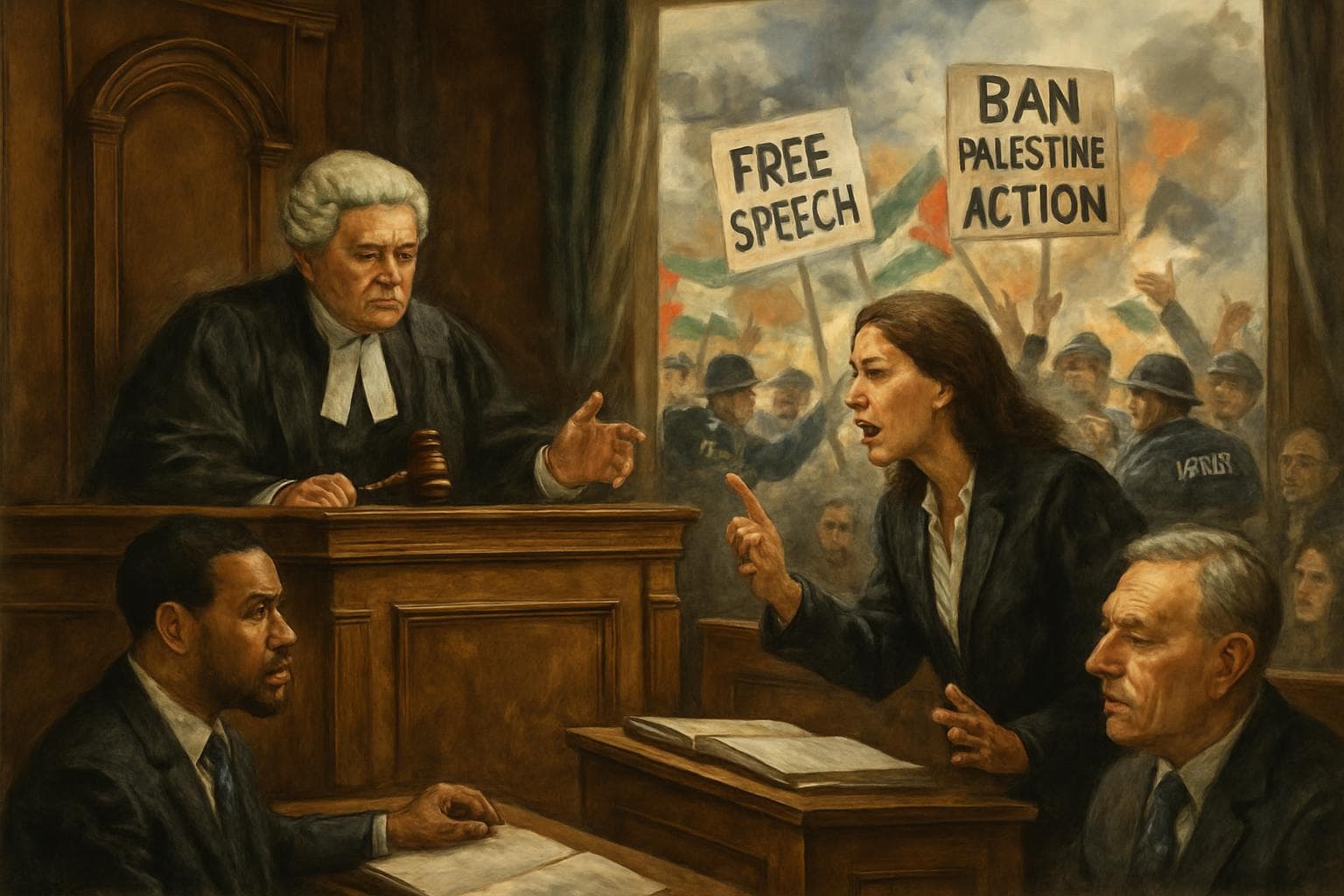
- A legal challenge against the ban is set for a High Court hearing in November, questioning its impact on free speech.
The proscription of Palestine Action as a terrorist organization has sparked significant debate and legal challenges, with over 700 individuals arrested since the ban was implemented on July 5. The group, known for its aggressive protests against arms companies, was banned by Home Secretary Yvette Cooper following incidents of criminal damage, including a notable attack on jets at RAF Brize Norton.
Government's Stance on Proscription
Yvette Cooper has staunchly defended the decision to ban Palestine Action, arguing that the group's activities extend beyond legitimate protest. In a statement, Cooper highlighted the group's alleged involvement in violent disorder and aggravated burglary, with the Crown Prosecution Service linking these charges to terrorism. She emphasized that the group's "Underground Manual" encourages illegal activities, further justifying the government's stance.
Arrests and Legal Proceedings
Recent demonstrations in Norwich led to the arrest of 13 individuals under the Terrorism Act 2000 for displaying support for the proscribed group. Norfolk Police Superintendent Wes Hornigold stated that while peaceful protest is supported, unlawful actions will be addressed. The Metropolitan Police have indicated that more prosecutions are expected, with arrangements in place to handle significant numbers weekly if necessary.
Human Rights Concerns and Legal Challenge
The ban has drawn criticism from human rights organizations, including Amnesty International, which argue that the UK's terrorism laws are overly broad and threaten free speech. Sacha Deshmukh, Amnesty's chief executive, described the mass arrests as "deeply concerning." In response, Palestine Action has been granted permission to challenge the ban in the High Court, with a hearing scheduled for November. The group contends that the ban infringes on free speech and stifles legitimate protest.
WHAT THIS MIGHT MEAN
As the legal challenge against the ban on Palestine Action approaches, the outcome could have significant implications for the balance between national security and civil liberties in the UK. A ruling in favor of Palestine Action might prompt a reevaluation of the criteria used to designate groups as terrorist organizations. Conversely, upholding the ban could reinforce the government's current approach to handling groups perceived as threats. The case also highlights ongoing tensions between state security measures and the protection of free speech, a debate likely to persist in the public and legal arenas.
Related Articles

Arrest of Andrew Mountbatten-Windsor Captured in Iconic Photograph
UK Police Intensify Investigation into Andrew Mountbatten-Windsor Amid Misconduct Allegations
Prince Andrew's Arrest Raises Questions About Royal Succession and Monarchy's Future
Andrew Mountbatten-Windsor Arrested Amid Misconduct Allegations
Andrew Mountbatten-Windsor's Arrest Sparks International Calls for Justice
Labour MP's Husband Arrested in UK-China Espionage Probe
Controversy Surrounds Palestine Action Ban as Arrests Continue Amid Legal Challenge
In This Article
 Sofia Romano| Published
 HIGHLIGHTS
- Palestine Action has been banned as a terrorist group, leading to over 700 arrests since July 5.
- Home Secretary Yvette Cooper defends the ban, citing security concerns and the group's violent activities.
- Recent protests in Norwich resulted in 13 arrests under the Terrorism Act 2000 for supporting the proscribed organization.
- Human rights groups, including Amnesty International, criticize the broad application of UK terrorism laws.
- A legal challenge against the ban is set for a High Court hearing in November, questioning its impact on free speech.
The proscription of Palestine Action as a terrorist organization has sparked significant debate and legal challenges, with over 700 individuals arrested since the ban was implemented on July 5. The group, known for its aggressive protests against arms companies, was banned by Home Secretary Yvette Cooper following incidents of criminal damage, including a notable attack on jets at RAF Brize Norton.
Government's Stance on Proscription
Yvette Cooper has staunchly defended the decision to ban Palestine Action, arguing that the group's activities extend beyond legitimate protest. In a statement, Cooper highlighted the group's alleged involvement in violent disorder and aggravated burglary, with the Crown Prosecution Service linking these charges to terrorism. She emphasized that the group's "Underground Manual" encourages illegal activities, further justifying the government's stance.
Arrests and Legal Proceedings
Recent demonstrations in Norwich led to the arrest of 13 individuals under the Terrorism Act 2000 for displaying support for the proscribed group. Norfolk Police Superintendent Wes Hornigold stated that while peaceful protest is supported, unlawful actions will be addressed. The Metropolitan Police have indicated that more prosecutions are expected, with arrangements in place to handle significant numbers weekly if necessary.
Human Rights Concerns and Legal Challenge
The ban has drawn criticism from human rights organizations, including Amnesty International, which argue that the UK's terrorism laws are overly broad and threaten free speech. Sacha Deshmukh, Amnesty's chief executive, described the mass arrests as "deeply concerning." In response, Palestine Action has been granted permission to challenge the ban in the High Court, with a hearing scheduled for November. The group contends that the ban infringes on free speech and stifles legitimate protest.
WHAT THIS MIGHT MEAN
As the legal challenge against the ban on Palestine Action approaches, the outcome could have significant implications for the balance between national security and civil liberties in the UK. A ruling in favor of Palestine Action might prompt a reevaluation of the criteria used to designate groups as terrorist organizations. Conversely, upholding the ban could reinforce the government's current approach to handling groups perceived as threats. The case also highlights ongoing tensions between state security measures and the protection of free speech, a debate likely to persist in the public and legal arenas.
Related Articles
Arrest of Andrew Mountbatten-Windsor Captured in Iconic Photograph
UK Police Intensify Investigation into Andrew Mountbatten-Windsor Amid Misconduct Allegations
Prince Andrew's Arrest Raises Questions About Royal Succession and Monarchy's Future
Andrew Mountbatten-Windsor Arrested Amid Misconduct Allegations
Andrew Mountbatten-Windsor's Arrest Sparks International Calls for Justice
Labour MP's Husband Arrested in UK-China Espionage Probe