
Hunger Strike by Palestine Action Activists Sparks Legal and Health Concerns

In This Article
HIGHLIGHTS
- Qesser Zuhrah ended her 48-day hunger strike, while four others continue their protest related to Palestine Action.
- Lawyers for the hunger strikers have threatened legal action if Justice Secretary David Lammy does not meet with them.
- The hunger strike is the largest coordinated protest of its kind in the UK since 1981, with participants demanding bail and the lifting of the Palestine Action ban.
- Prisoners have faced health crises, with several being hospitalized, amid allegations of inadequate medical care.
- The High Court is reviewing the ban on Palestine Action, with a decision expected in the New Year.
A significant hunger strike by members of the Palestine Action group has drawn attention to the UK's handling of prisoner rights and protest. Qesser Zuhrah, one of the eight detainees, ended her 48-day hunger strike, while four others continue their protest, demanding bail and the lifting of the ban on Palestine Action.
Background and Demands
The hunger strike began on November 2, with activists protesting their detention and the ban on Palestine Action, a group accused of offenses under terrorism legislation. The detainees, including Qesser Zuhrah and Amu Gib, have called for immediate bail and the shutdown of Elbit Systems, an Israeli-linked defense firm. They are awaiting trials scheduled for 2026 and 2027.
Legal and Government Response
Lawyers for the hunger strikers have issued a legal warning to Justice Secretary David Lammy, urging him to meet with them. They argue that the Ministry of Justice's policies on handling hunger strikes are not being followed. The government, however, maintains that prison policies are robust and that they will not incentivize hunger strikes by meeting the prisoners' demands.
Health Risks and Treatment Concerns
The health of the hunger strikers has become a pressing issue, with several requiring hospitalization. Kamran Ahmed, for instance, has been hospitalized three times, raising concerns about the adequacy of medical care. Allegations have surfaced regarding delayed medical attention and insufficient treatment, which the Ministry of Justice has denied, stating that prisoners' well-being is continually assessed.
Ongoing Legal Proceedings
The High Court is currently reviewing the ban on Palestine Action, with a judgment expected in the New Year. The outcome could have significant implications for the group's future activities and the broader conversation about protest rights in the UK.
WHAT THIS MIGHT MEAN
The ongoing hunger strike by Palestine Action activists highlights critical issues within the UK's justice system, particularly concerning prisoner rights and protest management. If the High Court rules in favor of lifting the ban on Palestine Action, it could set a precedent for how similar groups are treated under terrorism legislation. Conversely, if the ban is upheld, it may lead to further protests and legal challenges. The health risks associated with prolonged hunger strikes also underscore the need for clear policies and humane treatment of detainees, which could prompt a review of current prison practices.
Images from the Web



Related Articles
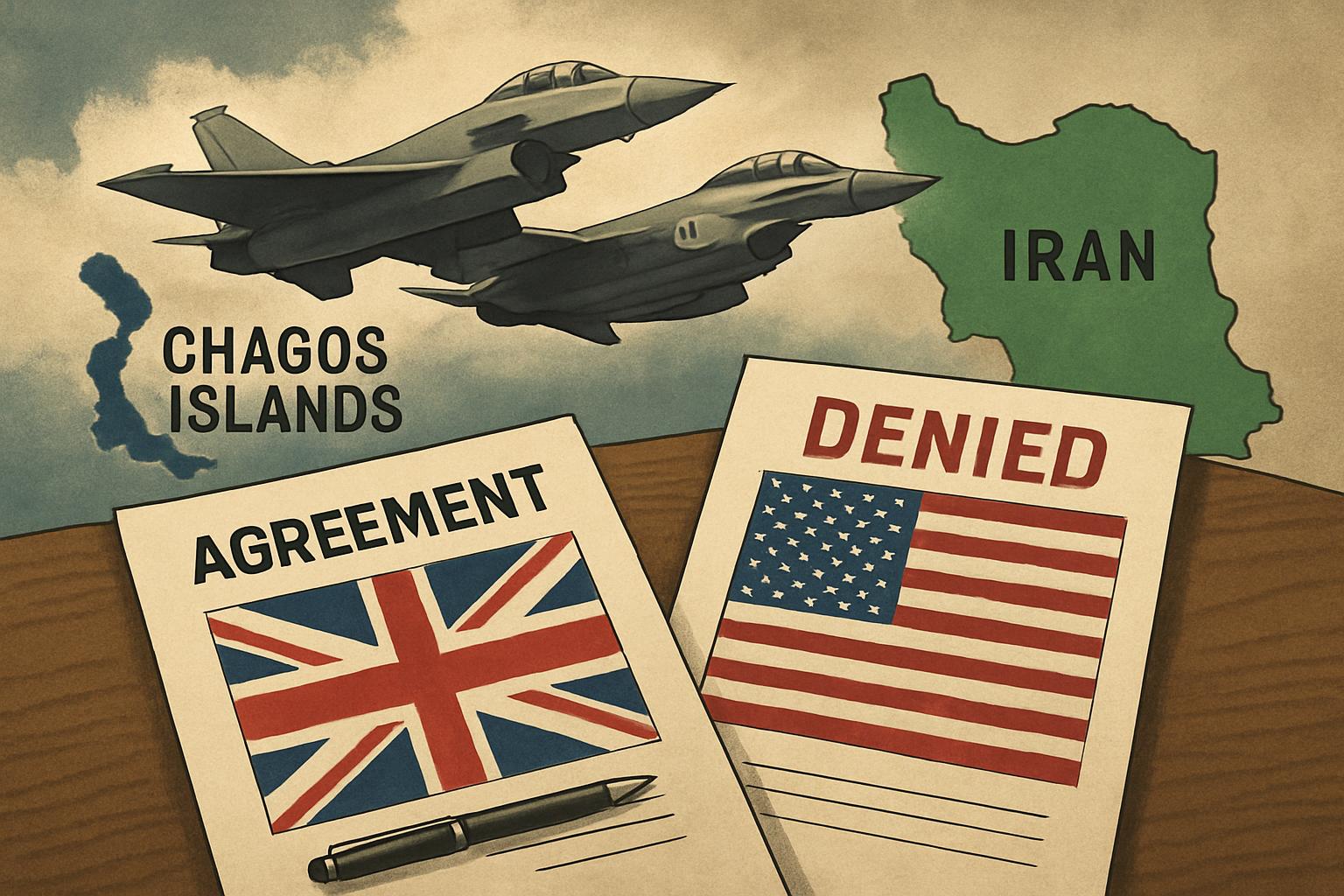
UK Denies US Use of Military Bases for Potential Iran Strikes Amid Chagos Islands Dispute
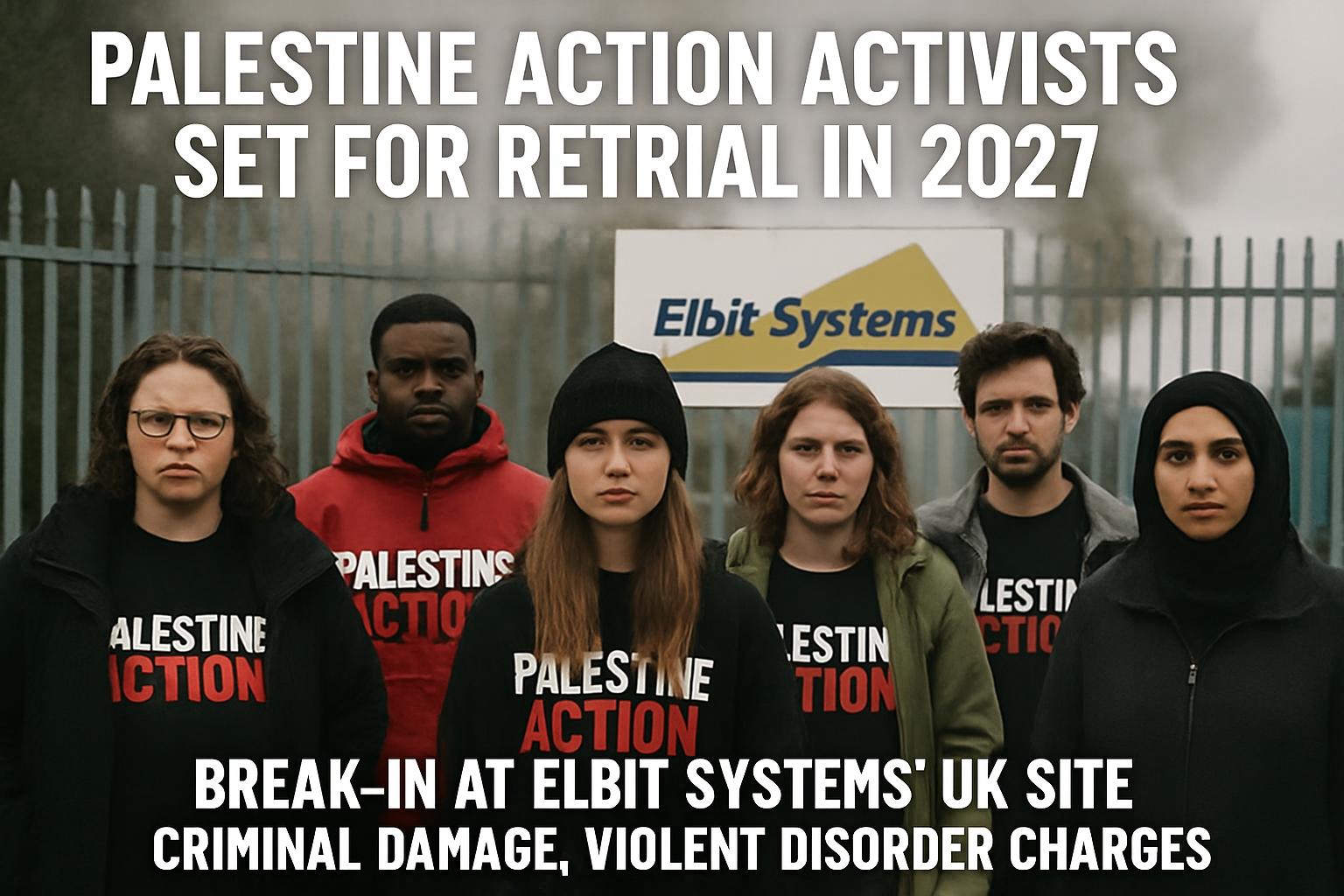
Palestine Action Activists to Face Retrial Over Elbit Systems Break-In
Trump Raises Import Tariffs to 15% After Supreme Court Setback

Antonia Romeo Appointed as First Female UK Cabinet Secretary Amid Controversy
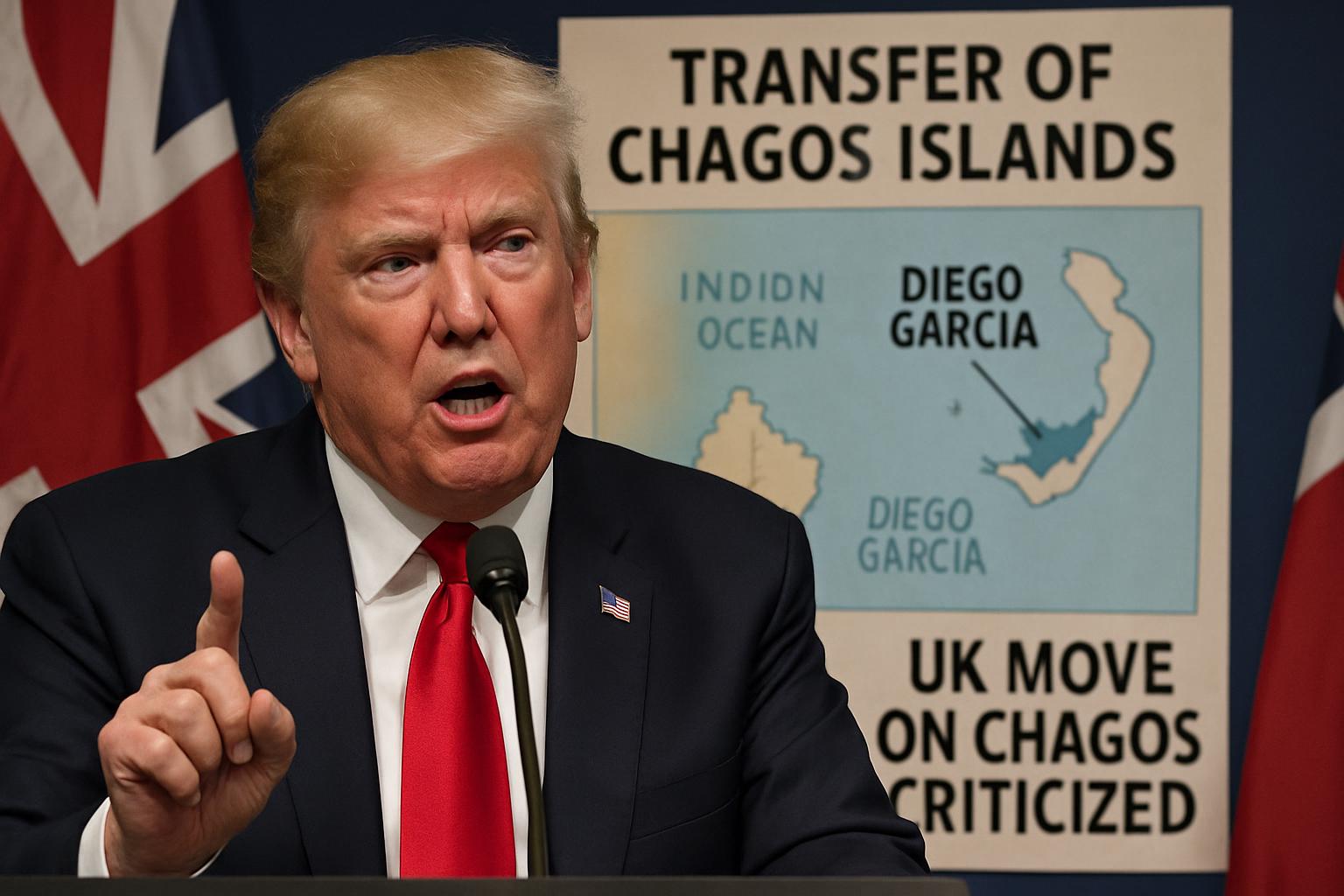
Trump Criticizes UK Plan to Transfer Chagos Islands to Mauritius
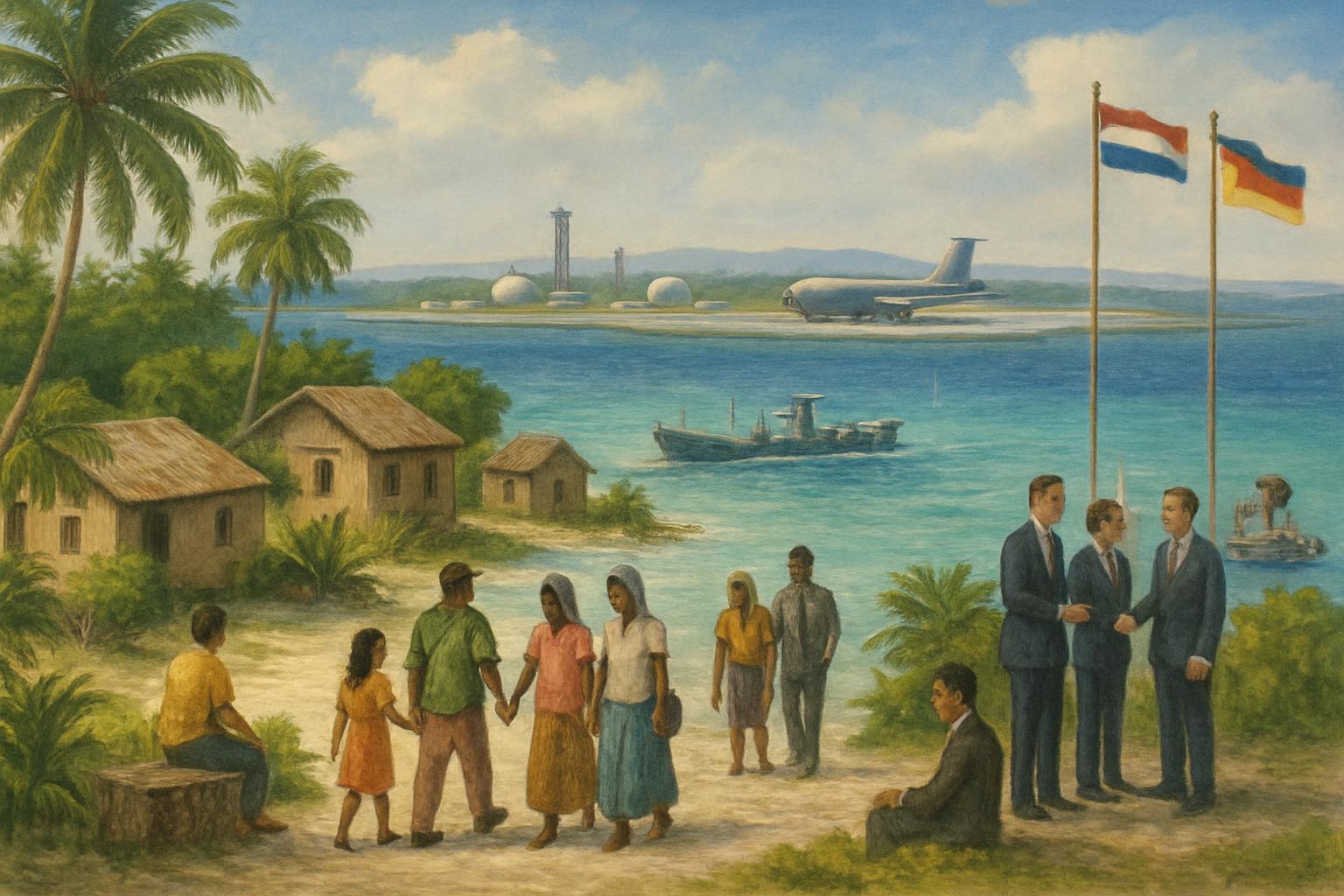
US Endorses UK-Mauritius Chagos Islands Agreement Amidst Chagossian Protests
Hunger Strike by Palestine Action Activists Sparks Legal and Health Concerns
In This Article
 Ethan Brooks| Published
 HIGHLIGHTS
- Qesser Zuhrah ended her 48-day hunger strike, while four others continue their protest related to Palestine Action.
- Lawyers for the hunger strikers have threatened legal action if Justice Secretary David Lammy does not meet with them.
- The hunger strike is the largest coordinated protest of its kind in the UK since 1981, with participants demanding bail and the lifting of the Palestine Action ban.
- Prisoners have faced health crises, with several being hospitalized, amid allegations of inadequate medical care.
- The High Court is reviewing the ban on Palestine Action, with a decision expected in the New Year.
A significant hunger strike by members of the Palestine Action group has drawn attention to the UK's handling of prisoner rights and protest. Qesser Zuhrah, one of the eight detainees, ended her 48-day hunger strike, while four others continue their protest, demanding bail and the lifting of the ban on Palestine Action.
Background and Demands
The hunger strike began on November 2, with activists protesting their detention and the ban on Palestine Action, a group accused of offenses under terrorism legislation. The detainees, including Qesser Zuhrah and Amu Gib, have called for immediate bail and the shutdown of Elbit Systems, an Israeli-linked defense firm. They are awaiting trials scheduled for 2026 and 2027.
Legal and Government Response
Lawyers for the hunger strikers have issued a legal warning to Justice Secretary David Lammy, urging him to meet with them. They argue that the Ministry of Justice's policies on handling hunger strikes are not being followed. The government, however, maintains that prison policies are robust and that they will not incentivize hunger strikes by meeting the prisoners' demands.
Health Risks and Treatment Concerns
The health of the hunger strikers has become a pressing issue, with several requiring hospitalization. Kamran Ahmed, for instance, has been hospitalized three times, raising concerns about the adequacy of medical care. Allegations have surfaced regarding delayed medical attention and insufficient treatment, which the Ministry of Justice has denied, stating that prisoners' well-being is continually assessed.
Ongoing Legal Proceedings
The High Court is currently reviewing the ban on Palestine Action, with a judgment expected in the New Year. The outcome could have significant implications for the group's future activities and the broader conversation about protest rights in the UK.
WHAT THIS MIGHT MEAN
The ongoing hunger strike by Palestine Action activists highlights critical issues within the UK's justice system, particularly concerning prisoner rights and protest management. If the High Court rules in favor of lifting the ban on Palestine Action, it could set a precedent for how similar groups are treated under terrorism legislation. Conversely, if the ban is upheld, it may lead to further protests and legal challenges. The health risks associated with prolonged hunger strikes also underscore the need for clear policies and humane treatment of detainees, which could prompt a review of current prison practices.
Images from the Web
Related Articles
UK Denies US Use of Military Bases for Potential Iran Strikes Amid Chagos Islands Dispute
Palestine Action Activists to Face Retrial Over Elbit Systems Break-In
Trump Raises Import Tariffs to 15% After Supreme Court Setback
Antonia Romeo Appointed as First Female UK Cabinet Secretary Amid Controversy
Trump Criticizes UK Plan to Transfer Chagos Islands to Mauritius
US Endorses UK-Mauritius Chagos Islands Agreement Amidst Chagossian Protests