
Peter Arnett: Celebrated War Correspondent and Pulitzer Winner Dies at 91
In This Article
HIGHLIGHTS
- Peter Arnett, a Pulitzer Prize-winning journalist known for his Vietnam and Gulf War coverage, passed away at 91.
- Arnett's career spanned decades, covering conflicts in Vietnam, Iraq, and El Salvador, and he became a household name during the Gulf War.
- He was one of the few Western reporters to remain in Baghdad during the Gulf War, providing live updates amid missile strikes.
- Arnett interviewed notable figures such as Saddam Hussein and Osama Bin Laden, showcasing his fearless approach to journalism.
- Despite controversies, including his dismissal from NBC, Arnett remained committed to reporting the truth from conflict zones.
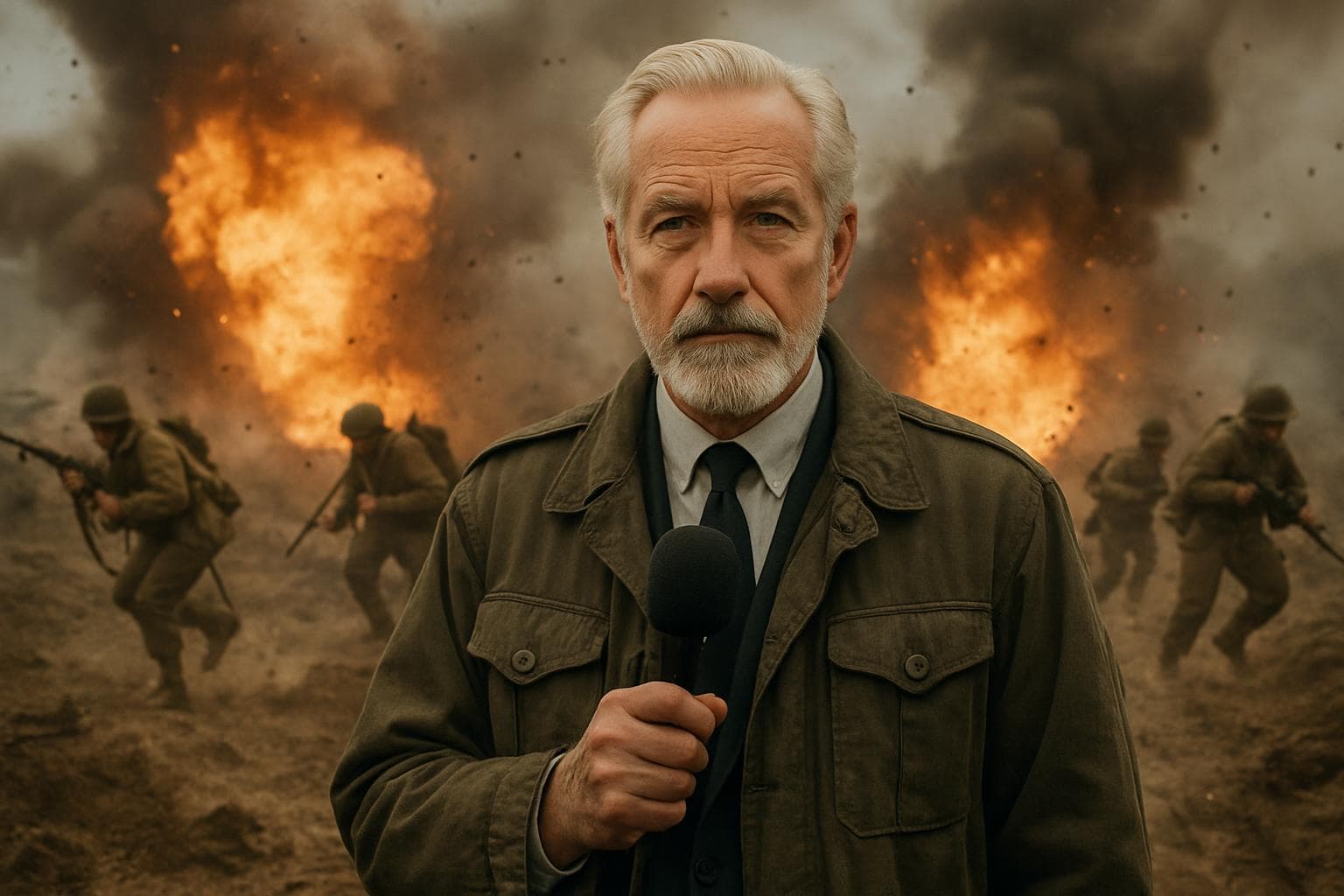
Peter Arnett, the esteemed war correspondent and Pulitzer Prize-winning journalist, has died at the age of 91. Known for his fearless reporting from some of the world's most dangerous conflict zones, Arnett's career spanned several decades and left an indelible mark on international journalism.
A Storied Career in War Reporting
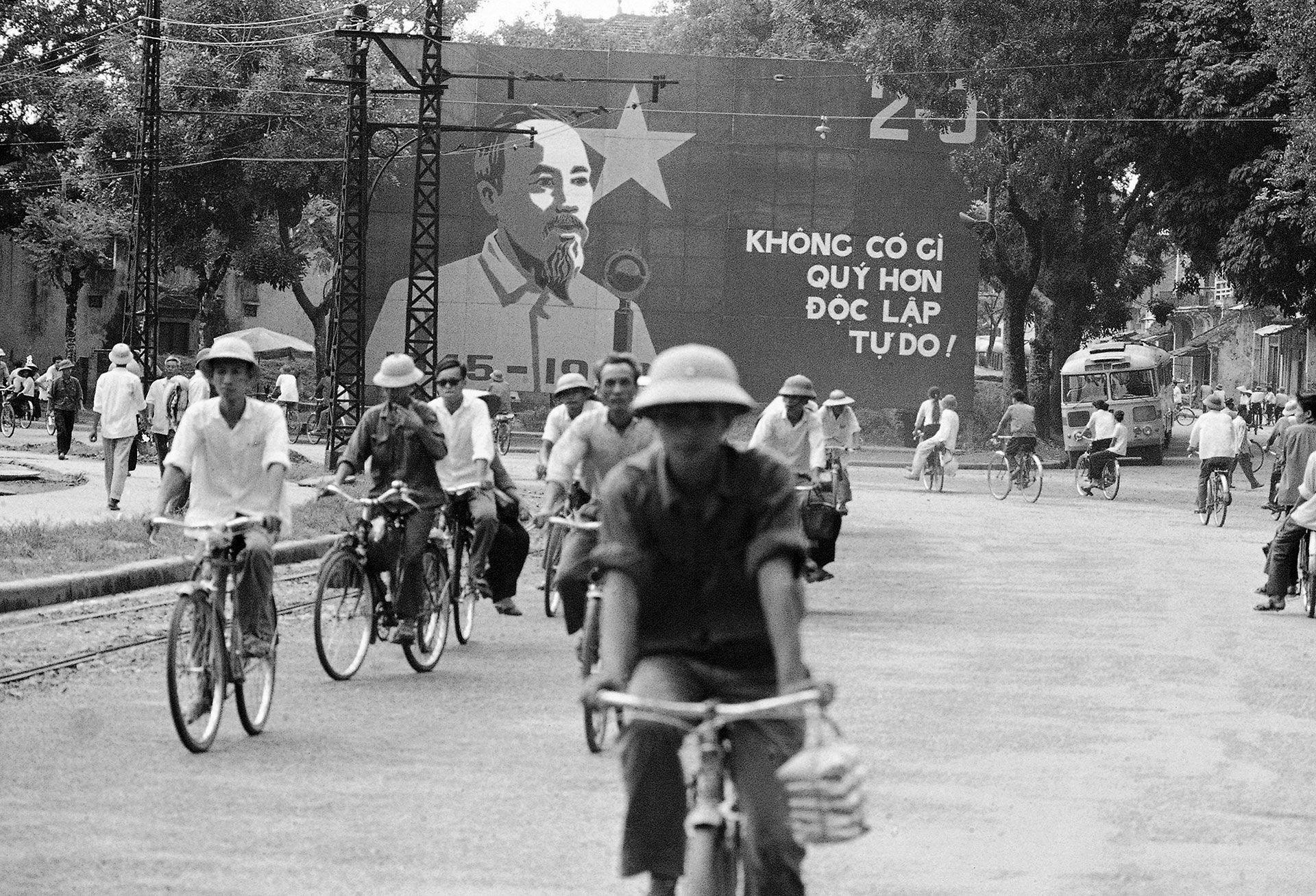
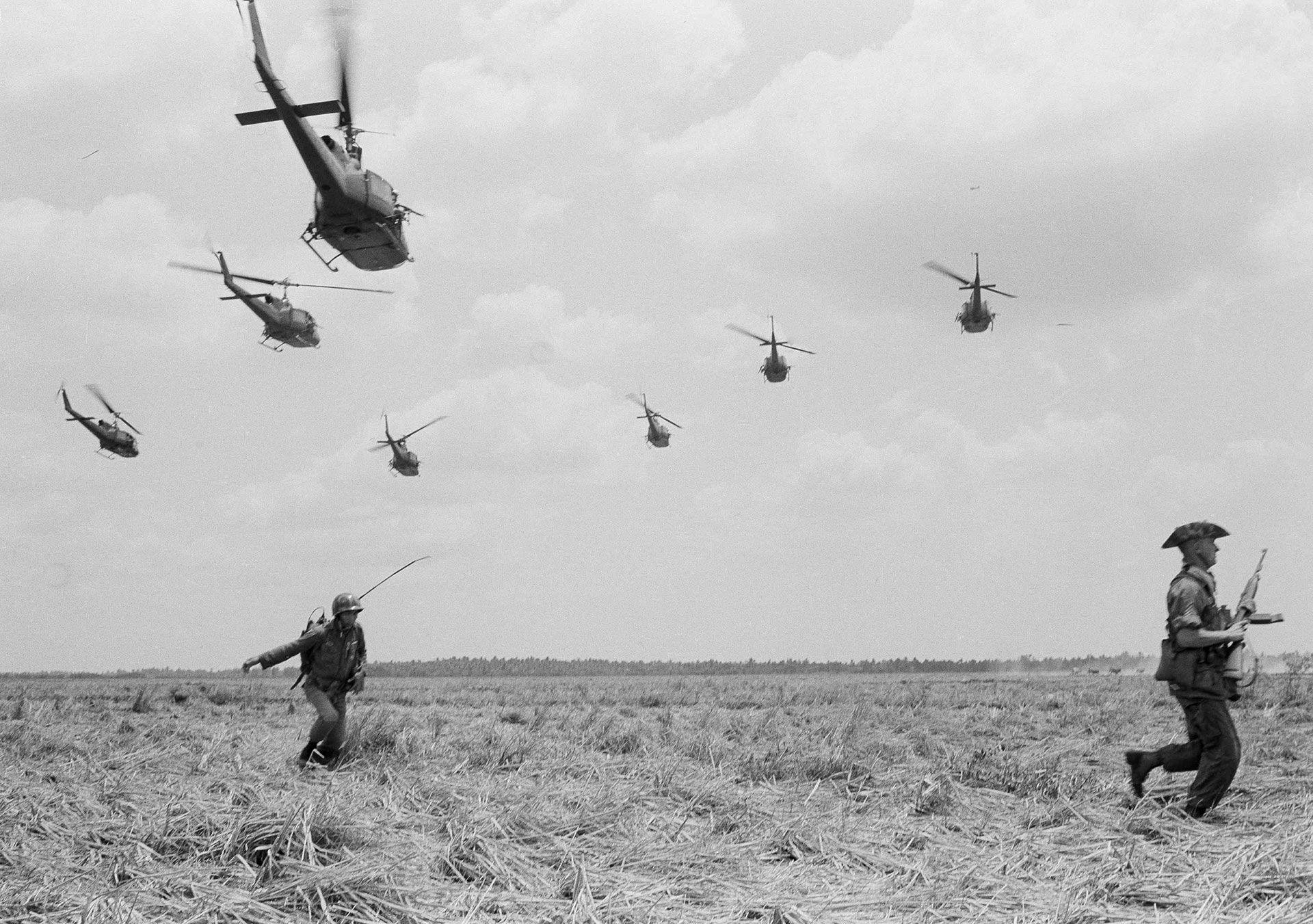
Born in Riverton, New Zealand, in 1934, Arnett began his illustrious career with the Associated Press (AP) in Vietnam, where he reported from 1962 until the war's conclusion in 1975. His vivid accounts from the front lines earned him the Pulitzer Prize for international reporting in 1966. Arnett's work was characterized by his willingness to immerse himself in the heart of conflict, often accompanying troops on perilous missions. In one harrowing incident, he narrowly escaped death when a soldier standing next to him was shot by a sniper.
Gulf War and CNN Fame
Arnett's reputation as a fearless journalist was solidified during the Gulf War in 1991. As one of the few Western reporters to remain in Baghdad, he provided live updates for CNN amid the chaos of missile strikes and air-raid sirens. His calm, New Zealand-accented voice became synonymous with the conflict, as he described the destruction around him with remarkable composure. "There was an explosion right near me, you may have heard," he reported live, capturing the immediacy and danger of the situation.
Interviews with Notorious Figures
Throughout his career, Arnett conducted interviews with some of the world's most notorious figures. In Iraq, he interviewed Saddam Hussein, maintaining a tough line of questioning despite the risks involved. In 1997, he became the first Western journalist to interview Osama Bin Laden, who ominously hinted at future plans that would later materialize in the September 11 attacks.
Controversies and Legacy
Arnett's career was not without controversy. He was dismissed from NBC after giving an interview on Iraqi state television that was perceived as critical of U.S. military strategy. Despite this setback, he was quickly hired by the Daily Mirror, where he continued to report with the same dedication to truth. Arnett's legacy is one of courage and commitment to journalism, as he consistently sought to bring the realities of war to the public eye.
WHAT THIS MIGHT MEAN
Peter Arnett's passing marks the end of an era in war journalism, but his legacy continues to inspire a new generation of reporters. As conflicts persist globally, the need for fearless journalists who can provide accurate and insightful reporting remains crucial. Arnett's work serves as a reminder of the power of journalism to inform and influence public perception of international events. His interviews with figures like Saddam Hussein and Osama Bin Laden highlight the importance of direct engagement with key players in global conflicts, a practice that remains relevant in today's complex geopolitical landscape.
Images from the Web

Related Articles
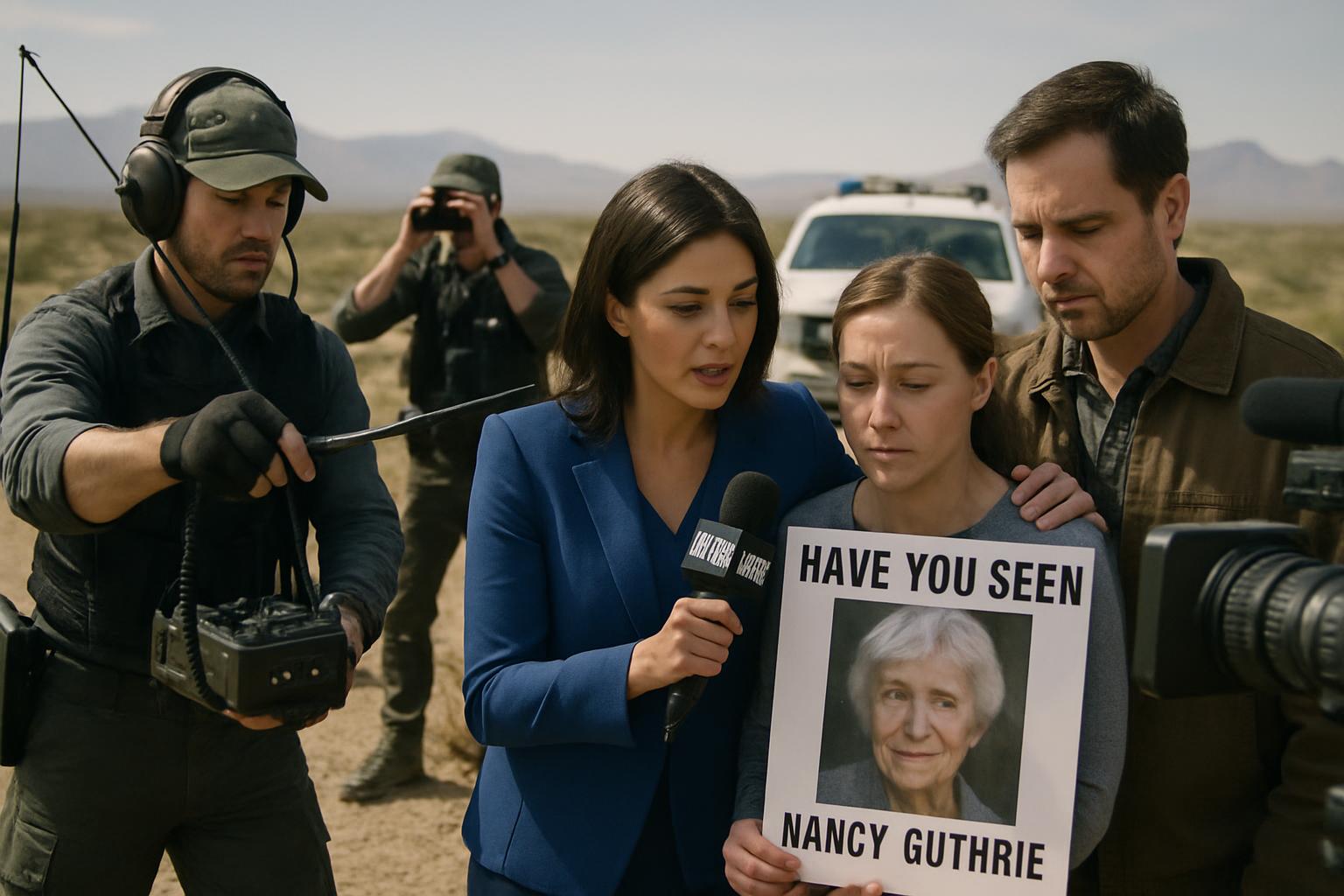
Search for Nancy Guthrie Intensifies as DNA Evidence Yields No Leads
Don Lemon Pleads Not Guilty in Minnesota Church Protest Case

Search Intensifies for Missing Mother of News Anchor Savannah Guthrie
Desperate Search for Nancy Guthrie: Family Offers Ransom Amidst Mysterious Disappearance
New Developments in the Disappearance of Savannah Guthrie's Mother

Savannah Guthrie Appeals for Safe Return of Missing Mother Amid Kidnapping Fears
Peter Arnett: Celebrated War Correspondent and Pulitzer Winner Dies at 91
In This Article
 Ethan Brooks| Published
 HIGHLIGHTS
- Peter Arnett, a Pulitzer Prize-winning journalist known for his Vietnam and Gulf War coverage, passed away at 91.
- Arnett's career spanned decades, covering conflicts in Vietnam, Iraq, and El Salvador, and he became a household name during the Gulf War.
- He was one of the few Western reporters to remain in Baghdad during the Gulf War, providing live updates amid missile strikes.
- Arnett interviewed notable figures such as Saddam Hussein and Osama Bin Laden, showcasing his fearless approach to journalism.
- Despite controversies, including his dismissal from NBC, Arnett remained committed to reporting the truth from conflict zones.
Peter Arnett, the esteemed war correspondent and Pulitzer Prize-winning journalist, has died at the age of 91. Known for his fearless reporting from some of the world's most dangerous conflict zones, Arnett's career spanned several decades and left an indelible mark on international journalism.
A Storied Career in War Reporting
Born in Riverton, New Zealand, in 1934, Arnett began his illustrious career with the Associated Press (AP) in Vietnam, where he reported from 1962 until the war's conclusion in 1975. His vivid accounts from the front lines earned him the Pulitzer Prize for international reporting in 1966. Arnett's work was characterized by his willingness to immerse himself in the heart of conflict, often accompanying troops on perilous missions. In one harrowing incident, he narrowly escaped death when a soldier standing next to him was shot by a sniper.
Gulf War and CNN Fame
Arnett's reputation as a fearless journalist was solidified during the Gulf War in 1991. As one of the few Western reporters to remain in Baghdad, he provided live updates for CNN amid the chaos of missile strikes and air-raid sirens. His calm, New Zealand-accented voice became synonymous with the conflict, as he described the destruction around him with remarkable composure. "There was an explosion right near me, you may have heard," he reported live, capturing the immediacy and danger of the situation.
Interviews with Notorious Figures
Throughout his career, Arnett conducted interviews with some of the world's most notorious figures. In Iraq, he interviewed Saddam Hussein, maintaining a tough line of questioning despite the risks involved. In 1997, he became the first Western journalist to interview Osama Bin Laden, who ominously hinted at future plans that would later materialize in the September 11 attacks.
Controversies and Legacy
Arnett's career was not without controversy. He was dismissed from NBC after giving an interview on Iraqi state television that was perceived as critical of U.S. military strategy. Despite this setback, he was quickly hired by the Daily Mirror, where he continued to report with the same dedication to truth. Arnett's legacy is one of courage and commitment to journalism, as he consistently sought to bring the realities of war to the public eye.
WHAT THIS MIGHT MEAN
Peter Arnett's passing marks the end of an era in war journalism, but his legacy continues to inspire a new generation of reporters. As conflicts persist globally, the need for fearless journalists who can provide accurate and insightful reporting remains crucial. Arnett's work serves as a reminder of the power of journalism to inform and influence public perception of international events. His interviews with figures like Saddam Hussein and Osama Bin Laden highlight the importance of direct engagement with key players in global conflicts, a practice that remains relevant in today's complex geopolitical landscape.
Images from the Web
Related Articles
Search for Nancy Guthrie Intensifies as DNA Evidence Yields No Leads
Don Lemon Pleads Not Guilty in Minnesota Church Protest Case
Search Intensifies for Missing Mother of News Anchor Savannah Guthrie
Desperate Search for Nancy Guthrie: Family Offers Ransom Amidst Mysterious Disappearance
New Developments in the Disappearance of Savannah Guthrie's Mother
Savannah Guthrie Appeals for Safe Return of Missing Mother Amid Kidnapping Fears