
Peter Mandelson Defends Epstein Ties, Cites Ignorance of Crimes
In This Article
HIGHLIGHTS
- Peter Mandelson, former UK ambassador to the US, declined to apologize for his friendship with Jeffrey Epstein, citing ignorance of Epstein's criminal activities.
- Mandelson claimed he was kept separate from Epstein's sexual activities due to being a gay man, and expressed regret over the victims' lack of protection.
- Despite acknowledging his "misplaced loyalty" to Epstein, Mandelson emphasized he was not complicit in Epstein's crimes.
- Mandelson's association with Epstein led to his dismissal from the ambassadorial role, a decision he understood and accepted.
- Critics, including Transport Secretary Heidi Alexander, have called Mandelson's stance naive and disappointing.
In a recent BBC interview, Peter Mandelson, the former UK ambassador to the US, addressed his controversial friendship with the late financier Jeffrey Epstein, who was convicted of sex crimes. Mandelson, who was dismissed from his diplomatic role last September, declined to apologize directly to Epstein's victims, asserting that he was unaware of Epstein's criminal activities.
Mandelson's Defense
Mandelson explained that his sexual orientation as a gay man might have led to his exclusion from Epstein's illicit activities. "I was kept separate from what he was doing in the sexual side of his life," Mandelson stated, emphasizing that he never witnessed any inappropriate behavior during his visits to Epstein's properties. He expressed deep regret for the victims' plight, acknowledging a systemic failure to protect them.
Consequences of Association
The Labour peer admitted to a "calamitous" error in judgment, maintaining his friendship with Epstein out of "misplaced loyalty." Despite this, Mandelson stressed he was neither complicit nor knowledgeable about Epstein's predatory actions. His dismissal as ambassador followed the revelation of supportive emails he sent to Epstein post-conviction, which he now describes as "toe-curlingly embarrassing."
Public and Political Reactions
Mandelson's refusal to apologize has drawn criticism from various quarters. Transport Secretary Heidi Alexander remarked that an apology would have been a significant gesture, labeling Mandelson's stance as "deep naivety." Meanwhile, Labour peer Ayesha Hazarika criticized the BBC for airing the interview, calling it a "slap in the face" to Epstein's victims.
WHAT THIS MIGHT MEAN
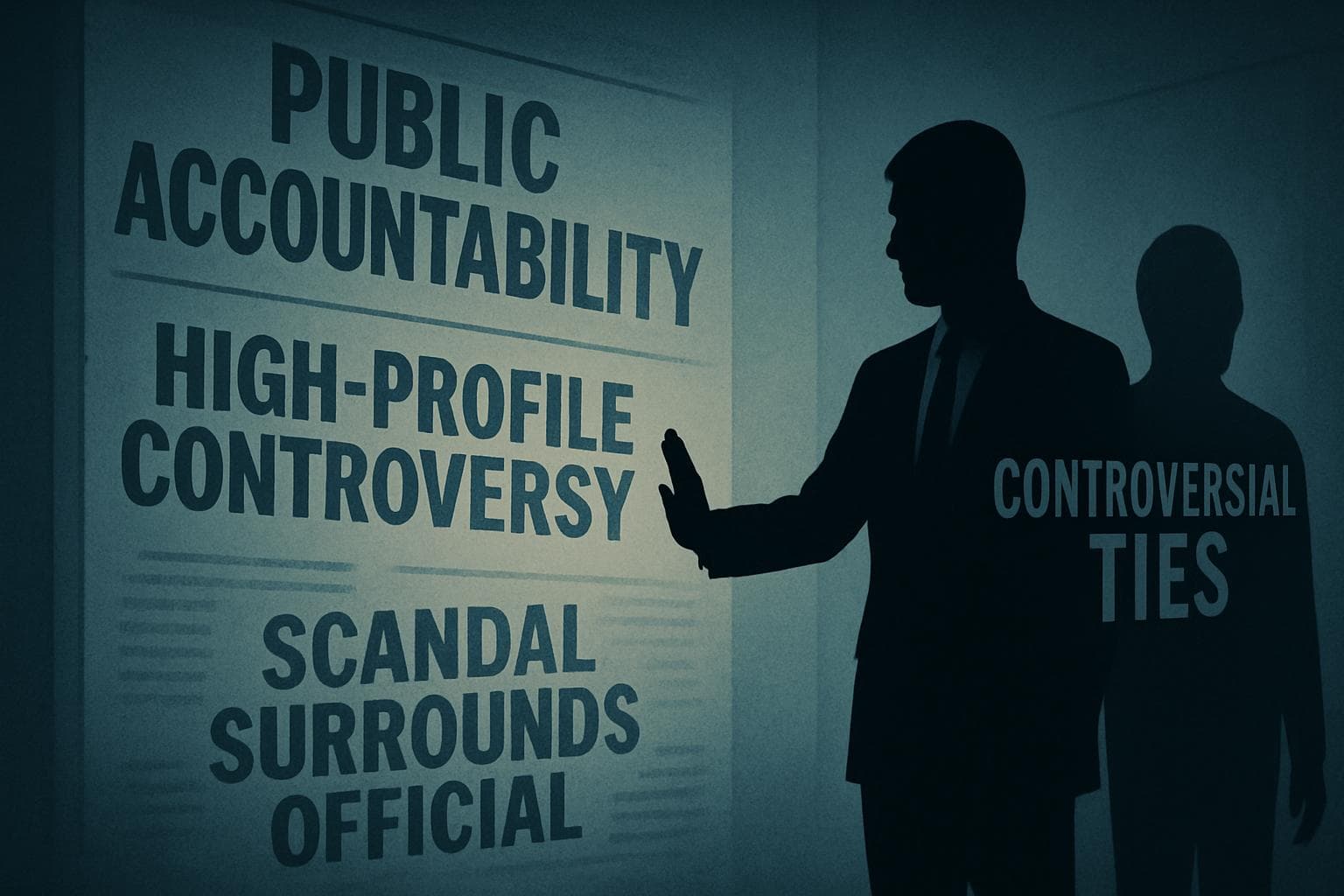
The fallout from Mandelson's association with Epstein continues to reverberate, raising questions about accountability and the responsibilities of public figures. As Mandelson navigates the repercussions of his past ties, the broader implications for political and diplomatic circles remain significant. Experts suggest that this case underscores the need for greater scrutiny of personal associations among public officials to prevent similar controversies. Moving forward, the focus may shift to systemic reforms aimed at better protecting victims and ensuring justice in high-profile cases.
Related Articles

Arrest of Andrew Mountbatten-Windsor Captured in Iconic Photograph
UK Police Intensify Investigation into Andrew Mountbatten-Windsor Amid Misconduct Allegations
Prince Andrew's Arrest Raises Questions About Royal Succession and Monarchy's Future

Global Counsel Faces Collapse Amidst Epstein Scandal Fallout

Robert Carlyle Joins Line of Duty for Thrilling Seventh Series
Prince Andrew's Arrest Intensifies Scrutiny on Royal Succession and Prince William's Future Role
Peter Mandelson Defends Epstein Ties, Cites Ignorance of Crimes
In This Article
 Sofia Romano| Published
 HIGHLIGHTS
- Peter Mandelson, former UK ambassador to the US, declined to apologize for his friendship with Jeffrey Epstein, citing ignorance of Epstein's criminal activities.
- Mandelson claimed he was kept separate from Epstein's sexual activities due to being a gay man, and expressed regret over the victims' lack of protection.
- Despite acknowledging his "misplaced loyalty" to Epstein, Mandelson emphasized he was not complicit in Epstein's crimes.
- Mandelson's association with Epstein led to his dismissal from the ambassadorial role, a decision he understood and accepted.
- Critics, including Transport Secretary Heidi Alexander, have called Mandelson's stance naive and disappointing.
In a recent BBC interview, Peter Mandelson, the former UK ambassador to the US, addressed his controversial friendship with the late financier Jeffrey Epstein, who was convicted of sex crimes. Mandelson, who was dismissed from his diplomatic role last September, declined to apologize directly to Epstein's victims, asserting that he was unaware of Epstein's criminal activities.
Mandelson's Defense
Mandelson explained that his sexual orientation as a gay man might have led to his exclusion from Epstein's illicit activities. "I was kept separate from what he was doing in the sexual side of his life," Mandelson stated, emphasizing that he never witnessed any inappropriate behavior during his visits to Epstein's properties. He expressed deep regret for the victims' plight, acknowledging a systemic failure to protect them.
Consequences of Association
The Labour peer admitted to a "calamitous" error in judgment, maintaining his friendship with Epstein out of "misplaced loyalty." Despite this, Mandelson stressed he was neither complicit nor knowledgeable about Epstein's predatory actions. His dismissal as ambassador followed the revelation of supportive emails he sent to Epstein post-conviction, which he now describes as "toe-curlingly embarrassing."
Public and Political Reactions
Mandelson's refusal to apologize has drawn criticism from various quarters. Transport Secretary Heidi Alexander remarked that an apology would have been a significant gesture, labeling Mandelson's stance as "deep naivety." Meanwhile, Labour peer Ayesha Hazarika criticized the BBC for airing the interview, calling it a "slap in the face" to Epstein's victims.
WHAT THIS MIGHT MEAN
The fallout from Mandelson's association with Epstein continues to reverberate, raising questions about accountability and the responsibilities of public figures. As Mandelson navigates the repercussions of his past ties, the broader implications for political and diplomatic circles remain significant. Experts suggest that this case underscores the need for greater scrutiny of personal associations among public officials to prevent similar controversies. Moving forward, the focus may shift to systemic reforms aimed at better protecting victims and ensuring justice in high-profile cases.
Related Articles
Arrest of Andrew Mountbatten-Windsor Captured in Iconic Photograph
UK Police Intensify Investigation into Andrew Mountbatten-Windsor Amid Misconduct Allegations
Prince Andrew's Arrest Raises Questions About Royal Succession and Monarchy's Future
Global Counsel Faces Collapse Amidst Epstein Scandal Fallout
Robert Carlyle Joins Line of Duty for Thrilling Seventh Series
Prince Andrew's Arrest Intensifies Scrutiny on Royal Succession and Prince William's Future Role