
Inquiry Finds Putin Morally Responsible for Novichok Death, Spurs UK Sanctions
In This Article
HIGHLIGHTS
- An inquiry concluded that Russian President Vladimir Putin was "morally responsible" for Dawn Sturgess' death from Novichok poisoning in 2018.
- The nerve agent, disguised as perfume, was linked to the attempted assassination of former Russian spy Sergei Skripal and his daughter in Salisbury.
- The UK government has imposed new sanctions on Russia's GRU following the report's findings.
- Sturgess' family criticized the lack of preventive measures and called for changes to avoid future tragedies.
- The report highlighted failings in the protection of Skripal, who was living openly in the UK despite potential risks.
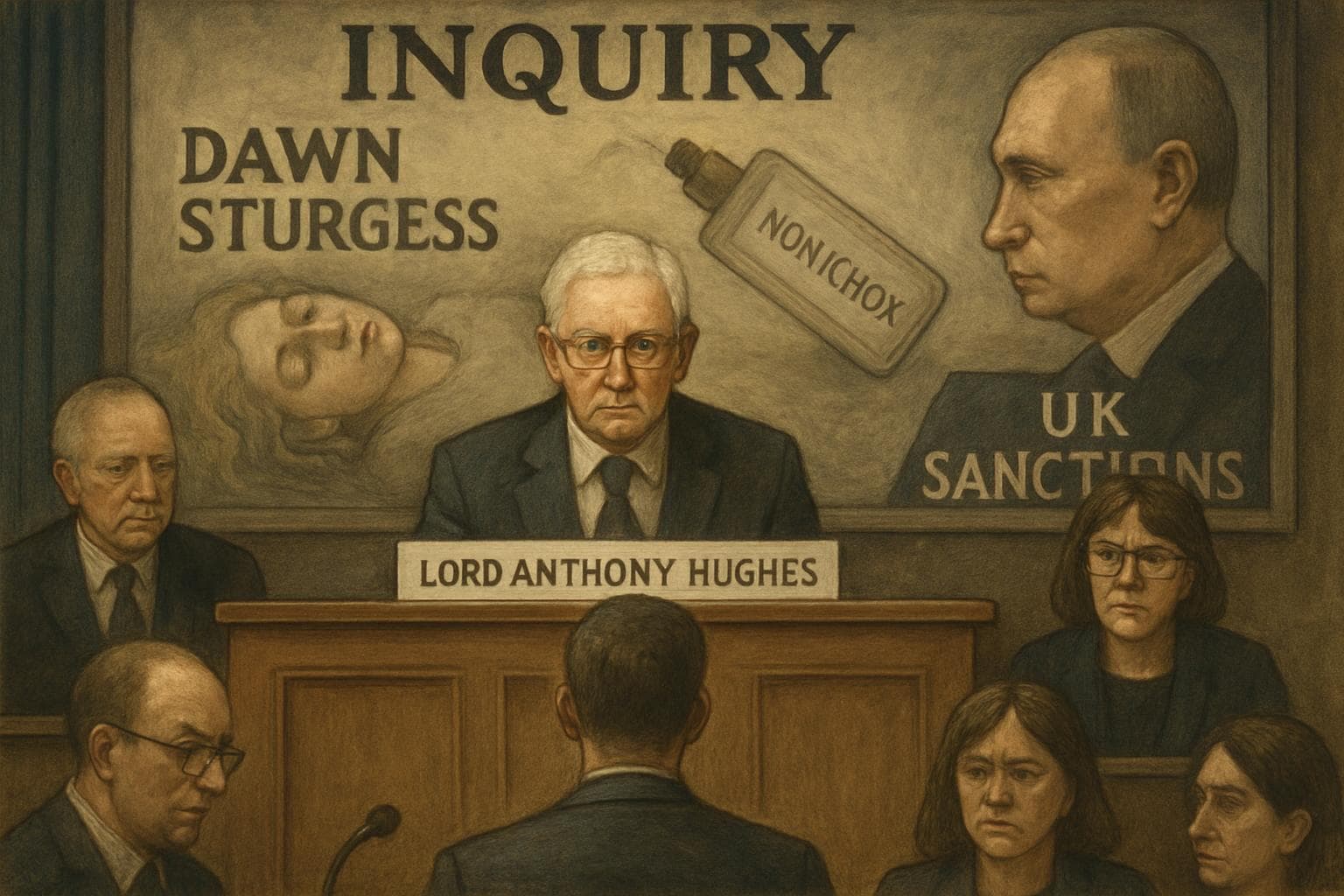
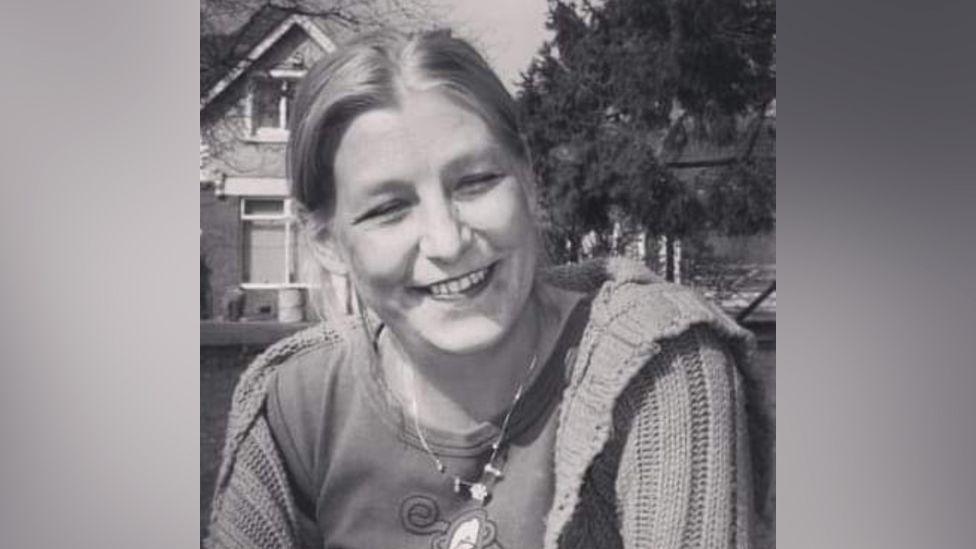
An inquiry has concluded that Russian President Vladimir Putin bears moral responsibility for the death of Dawn Sturgess, who succumbed to Novichok poisoning in 2018. The nerve agent, concealed in a perfume bottle, was unwittingly used by Sturgess after being discarded by Russian agents following their failed assassination attempt on former spy Sergei Skripal and his daughter in Salisbury, Wiltshire.
The Inquiry's Findings
The inquiry, led by Lord Anthony Hughes, determined that the operation to assassinate Skripal was likely authorized at the highest levels of the Russian government, implicating Putin directly. The report described Sturgess' condition as "unsurvivable from a very early stage" after she sprayed the nerve agent on her wrists. The UK government responded by imposing sanctions on Russia's military intelligence agency, the GRU, which was identified as responsible for the attack.
Family's Concerns and Criticisms
Sturgess' family expressed dissatisfaction with the inquiry's lack of recommendations for preventing similar incidents in the future. They emphasized the need for reflection and change, highlighting the absence of sufficient risk assessments for Skripal, who was living openly in the UK despite potential threats. The family also criticized Wiltshire Police for initially mischaracterizing Sturgess as a drug user, a mistake for which the force has since apologized.
Security and Intelligence Lessons
The report underscored the need for improved security measures for individuals like Skripal, who had been involved in espionage activities. British intelligence services have since increased protection for defectors and others at risk. The use of Novichok was seen as a demonstration of Russian state power, intended to send a message to those who might betray Russian secrets.
WHAT THIS MIGHT MEAN
The inquiry's findings and subsequent UK sanctions against Russia could further strain diplomatic relations between the two countries. The report's emphasis on the need for better security measures may prompt the UK government to review and enhance its protocols for protecting individuals at risk of foreign attacks. Experts suggest that the international community may increase pressure on Russia to address its alleged use of chemical weapons, potentially leading to broader geopolitical implications.
Images from the Web

Related Articles
Russian LNG Tanker Sinks in Mediterranean Amid Accusations of Ukrainian Drone Attack
Russia-Ukraine Conflict: Four Years of Unyielding Struggle and Human Resilience
Prince Andrew's Ties to Epstein Under Scrutiny Amid Calls for Inquiry
Government Criticized for Mishandling Maccabi Tel Aviv Fan Ban
Prince Andrew's Arrest Intensifies Scrutiny on Royal Succession and Prince William's Future Role
Breakthrough Drug Offers Hope for Children with Severe Epilepsy
Inquiry Finds Putin Morally Responsible for Novichok Death, Spurs UK Sanctions
In This Article
 Ethan Brooks| Published
 HIGHLIGHTS
- An inquiry concluded that Russian President Vladimir Putin was "morally responsible" for Dawn Sturgess' death from Novichok poisoning in 2018.
- The nerve agent, disguised as perfume, was linked to the attempted assassination of former Russian spy Sergei Skripal and his daughter in Salisbury.
- The UK government has imposed new sanctions on Russia's GRU following the report's findings.
- Sturgess' family criticized the lack of preventive measures and called for changes to avoid future tragedies.
- The report highlighted failings in the protection of Skripal, who was living openly in the UK despite potential risks.
An inquiry has concluded that Russian President Vladimir Putin bears moral responsibility for the death of Dawn Sturgess, who succumbed to Novichok poisoning in 2018. The nerve agent, concealed in a perfume bottle, was unwittingly used by Sturgess after being discarded by Russian agents following their failed assassination attempt on former spy Sergei Skripal and his daughter in Salisbury, Wiltshire.
The Inquiry's Findings
The inquiry, led by Lord Anthony Hughes, determined that the operation to assassinate Skripal was likely authorized at the highest levels of the Russian government, implicating Putin directly. The report described Sturgess' condition as "unsurvivable from a very early stage" after she sprayed the nerve agent on her wrists. The UK government responded by imposing sanctions on Russia's military intelligence agency, the GRU, which was identified as responsible for the attack.
Family's Concerns and Criticisms
Sturgess' family expressed dissatisfaction with the inquiry's lack of recommendations for preventing similar incidents in the future. They emphasized the need for reflection and change, highlighting the absence of sufficient risk assessments for Skripal, who was living openly in the UK despite potential threats. The family also criticized Wiltshire Police for initially mischaracterizing Sturgess as a drug user, a mistake for which the force has since apologized.
Security and Intelligence Lessons
The report underscored the need for improved security measures for individuals like Skripal, who had been involved in espionage activities. British intelligence services have since increased protection for defectors and others at risk. The use of Novichok was seen as a demonstration of Russian state power, intended to send a message to those who might betray Russian secrets.
WHAT THIS MIGHT MEAN
The inquiry's findings and subsequent UK sanctions against Russia could further strain diplomatic relations between the two countries. The report's emphasis on the need for better security measures may prompt the UK government to review and enhance its protocols for protecting individuals at risk of foreign attacks. Experts suggest that the international community may increase pressure on Russia to address its alleged use of chemical weapons, potentially leading to broader geopolitical implications.
Images from the Web
Related Articles
Russian LNG Tanker Sinks in Mediterranean Amid Accusations of Ukrainian Drone Attack
Russia-Ukraine Conflict: Four Years of Unyielding Struggle and Human Resilience
Prince Andrew's Ties to Epstein Under Scrutiny Amid Calls for Inquiry
Government Criticized for Mishandling Maccabi Tel Aviv Fan Ban
Prince Andrew's Arrest Intensifies Scrutiny on Royal Succession and Prince William's Future Role
Breakthrough Drug Offers Hope for Children with Severe Epilepsy