
Radioactive Water Leaks from UK Nuclear Base into Loch Long
In This Article
HIGHLIGHTS
- Radioactive water leaked into Loch Long from the Coulport armaments depot due to burst pipes, as revealed by official files.
- The Scottish Environment Protection Agency (Sepa) found no regulatory concern regarding the environmental impact of the leaks.
- The Ministry of Defence (MoD) maintains that there were no unsafe releases of radioactive material into the environment.
- The leaks were disclosed after a six-year legal battle led by journalists and a ruling by Scotland's Information Commissioner.
- An extensive maintenance program has been initiated to replace outdated infrastructure at the nuclear base.
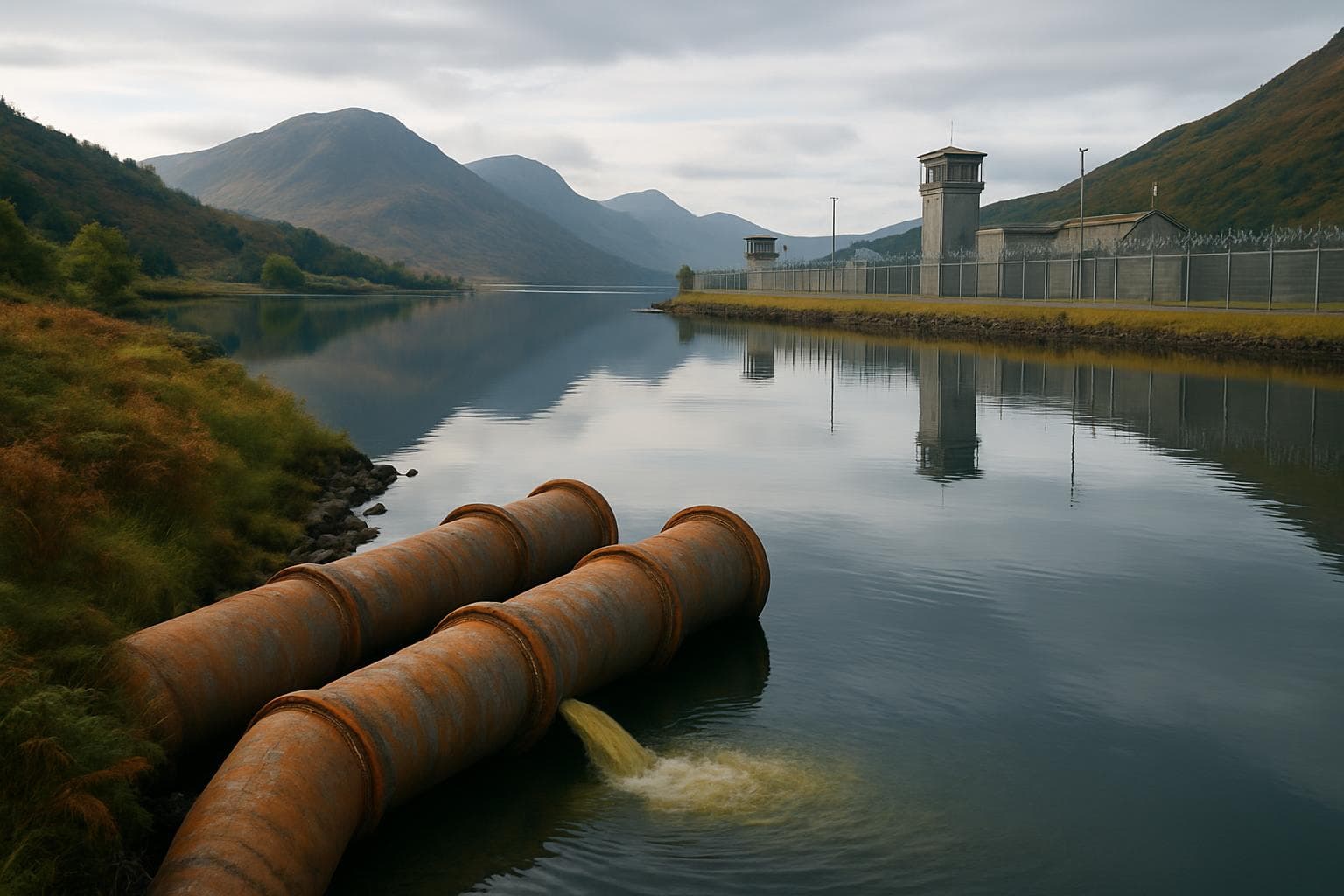
Radioactive water from the Royal Navy's nuclear weapons base at Coulport has leaked into Loch Long, according to official documents released after a prolonged legal battle. The leaks, attributed to burst pipes, have raised concerns about maintenance practices at one of the UK's most secure military sites.
Maintenance Failures at Coulport
The Coulport armaments depot, which houses the UK's nuclear warheads for Trident submarines, has been under scrutiny following revelations of radioactive water leaks into the nearby Loch Long. The Scottish Environment Protection Agency (Sepa) identified "shortfalls in maintenance" as the cause of these incidents, which involved the release of low levels of tritium, a radioactive isotope used in nuclear warheads.
Sepa's reports indicate that up to half of the base's 1,500 water pipes were beyond their design life, leading to repeated bursts. Notably, a significant leak in August 2019 resulted in contaminated water entering the loch. Despite these findings, Sepa concluded that the environmental risk was "of no regulatory concern."
Legal Battle for Transparency
The disclosure of these leaks followed a six-year struggle by journalists, including those from The Guardian and The Ferret, to access the files. The UK government initially resisted releasing the documents, citing national security concerns. However, Scotland's Information Commissioner, David Hamilton, ruled in June that the files should be made public, stating that their release posed a threat to reputations rather than national security.
The Ministry of Defence (MoD) has consistently asserted that no unsafe releases of radioactive material occurred. A spokesperson emphasized the MoD's commitment to safe handling of radioactive substances and highlighted ongoing engagement with regulators to ensure environmental safety.
Improvements and Future Measures
In response to the leaks, an extensive program to replace outdated infrastructure at Coulport and the nearby Faslane base has been initiated. Sepa expressed satisfaction with the substantial improvements in asset management and maintenance at these sites.
WHAT THIS MIGHT MEAN
Looking ahead, the revelations about maintenance failures at the Coulport depot could prompt increased scrutiny of the UK's nuclear facilities. The MoD may face pressure to enhance transparency and accountability in its operations, particularly regarding environmental safety. Additionally, the case underscores the importance of robust freedom of information laws in holding government agencies accountable. As the UK continues to rely on its nuclear deterrent, ensuring the integrity and safety of its infrastructure will remain a critical priority.
Related Articles

UK Reinforces Military Presence in Cyprus Amid Middle East Tensions

UK Government to Reform Asylum Seeker Support and Employment Policies

Prince Andrew's Ties to Epstein Under Scrutiny Amid Calls for Inquiry

Government Criticized for Mishandling Maccabi Tel Aviv Fan Ban

Prince Andrew's Arrest Intensifies Scrutiny on Royal Succession and Prince William's Future Role

UK Defence Faces Scrutiny Amid Ajax Armoured Vehicle Delays and Soldier Safety Concerns
Radioactive Water Leaks from UK Nuclear Base into Loch Long
In This Article
 Ethan Brooks| Published
 HIGHLIGHTS
- Radioactive water leaked into Loch Long from the Coulport armaments depot due to burst pipes, as revealed by official files.
- The Scottish Environment Protection Agency (Sepa) found no regulatory concern regarding the environmental impact of the leaks.
- The Ministry of Defence (MoD) maintains that there were no unsafe releases of radioactive material into the environment.
- The leaks were disclosed after a six-year legal battle led by journalists and a ruling by Scotland's Information Commissioner.
- An extensive maintenance program has been initiated to replace outdated infrastructure at the nuclear base.
Radioactive water from the Royal Navy's nuclear weapons base at Coulport has leaked into Loch Long, according to official documents released after a prolonged legal battle. The leaks, attributed to burst pipes, have raised concerns about maintenance practices at one of the UK's most secure military sites.
Maintenance Failures at Coulport
The Coulport armaments depot, which houses the UK's nuclear warheads for Trident submarines, has been under scrutiny following revelations of radioactive water leaks into the nearby Loch Long. The Scottish Environment Protection Agency (Sepa) identified "shortfalls in maintenance" as the cause of these incidents, which involved the release of low levels of tritium, a radioactive isotope used in nuclear warheads.
Sepa's reports indicate that up to half of the base's 1,500 water pipes were beyond their design life, leading to repeated bursts. Notably, a significant leak in August 2019 resulted in contaminated water entering the loch. Despite these findings, Sepa concluded that the environmental risk was "of no regulatory concern."
Legal Battle for Transparency
The disclosure of these leaks followed a six-year struggle by journalists, including those from The Guardian and The Ferret, to access the files. The UK government initially resisted releasing the documents, citing national security concerns. However, Scotland's Information Commissioner, David Hamilton, ruled in June that the files should be made public, stating that their release posed a threat to reputations rather than national security.
The Ministry of Defence (MoD) has consistently asserted that no unsafe releases of radioactive material occurred. A spokesperson emphasized the MoD's commitment to safe handling of radioactive substances and highlighted ongoing engagement with regulators to ensure environmental safety.
Improvements and Future Measures
In response to the leaks, an extensive program to replace outdated infrastructure at Coulport and the nearby Faslane base has been initiated. Sepa expressed satisfaction with the substantial improvements in asset management and maintenance at these sites.
WHAT THIS MIGHT MEAN
Looking ahead, the revelations about maintenance failures at the Coulport depot could prompt increased scrutiny of the UK's nuclear facilities. The MoD may face pressure to enhance transparency and accountability in its operations, particularly regarding environmental safety. Additionally, the case underscores the importance of robust freedom of information laws in holding government agencies accountable. As the UK continues to rely on its nuclear deterrent, ensuring the integrity and safety of its infrastructure will remain a critical priority.
Related Articles
UK Reinforces Military Presence in Cyprus Amid Middle East Tensions
UK Government to Reform Asylum Seeker Support and Employment Policies
Prince Andrew's Ties to Epstein Under Scrutiny Amid Calls for Inquiry
Government Criticized for Mishandling Maccabi Tel Aviv Fan Ban
Prince Andrew's Arrest Intensifies Scrutiny on Royal Succession and Prince William's Future Role
UK Defence Faces Scrutiny Amid Ajax Armoured Vehicle Delays and Soldier Safety Concerns