
Reform UK’s Ambitious Deportation Plan Sparks Human Rights Debate

In This Article
HIGHLIGHTS
- Nigel Farage's Reform UK proposes deporting up to 600,000 undocumented migrants within a single parliamentary term.
- The plan includes building detention facilities for 24,000 people, costing an estimated £12 billion.
- Reform UK aims to withdraw from several international human rights agreements to facilitate mass deportations.
- The proposal has sparked debate over its feasibility and potential impact on the UK's human rights framework.
- Critics argue the plan could shift the Overton window on asylum and human rights in the UK.
In a bold move that has stirred significant controversy, Nigel Farage and Reform UK have unveiled a sweeping plan to address what they describe as "uncontrolled illegal migration" in the United Kingdom. The proposal, dubbed "Operation Restoring Justice," aims to deport up to 600,000 undocumented migrants within the first term of a Reform UK government.
Mass Deportation and Detention Facilities
Central to the plan is the construction of detention facilities capable of housing 24,000 individuals at any given time. This ambitious infrastructure project is estimated to cost around £12 billion, with the party suggesting the use of "modular accommodation" to reduce expenses. However, questions remain about whether such facilities can meet necessary security standards and how local planning issues might delay construction.
Legal and Human Rights Implications
Reform UK’s strategy involves withdrawing from several key international agreements, including the European Convention on Human Rights and the UN Convention against Torture. This move is intended to streamline the deportation process but has raised alarms among human rights advocates. Critics argue that such actions could erode the UK's commitment to universal human rights and create a two-tier system that discriminates against asylum seekers.
Political and Social Reactions
The proposal has ignited a broader debate about the direction of UK immigration policy. Some see it as a necessary step to regain control over national borders, while others fear it represents a dangerous shift towards far-right rhetoric. The plan's feasibility is also under scrutiny, given the logistical challenges and historical precedents of similar initiatives failing due to legal and practical obstacles.
WHAT THIS MIGHT MEAN
If implemented, Reform UK's plan could significantly alter the UK's approach to immigration and asylum. The withdrawal from international human rights agreements might face legal challenges domestically and internationally, potentially stalling the plan's progress. Politically, this proposal could shift the Overton window, influencing mainstream parties to adopt stricter immigration policies. Experts warn that such a shift could lead to increased polarization and social unrest, as the UK grapples with balancing national security concerns with its human rights obligations.
Images from the Web



Related Articles

Starmer Condemns Reform UK's Plan to Repeal Equality Act as Un-British

Reform UK Aims to Reshape Welsh Politics with New Manifesto

Andrew Mountbatten-Windsor Arrested Amid Misconduct Allegations

Trump Criticizes UK Plan to Transfer Chagos Islands to Mauritius
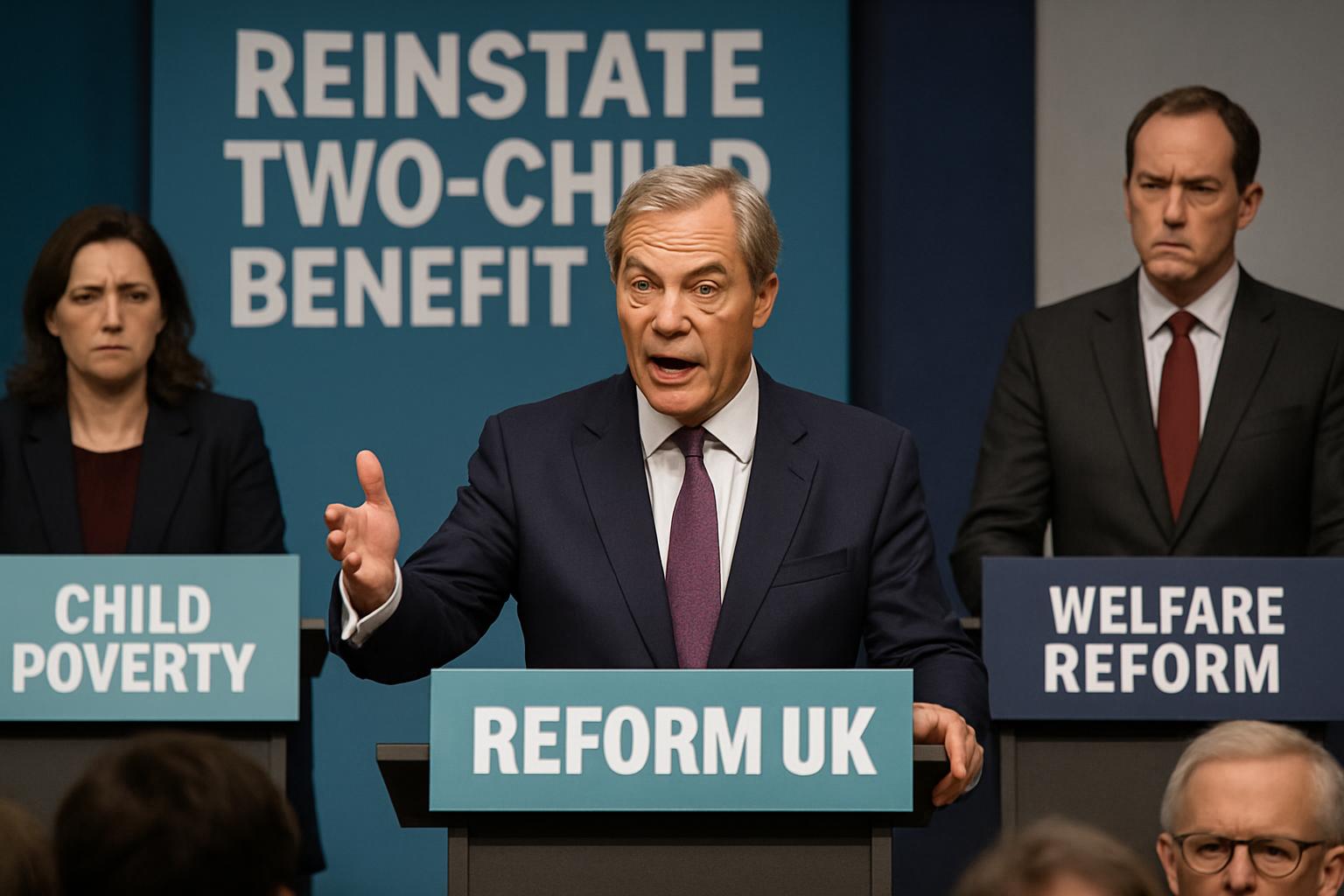
Reform UK to Reinstate Two-Child Benefit Cap Amidst Political Controversy

Breakthrough Drug Offers Hope for Children with Severe Epilepsy
Reform UK’s Ambitious Deportation Plan Sparks Human Rights Debate
In This Article
 Ethan Brooks| Published
 HIGHLIGHTS
- Nigel Farage's Reform UK proposes deporting up to 600,000 undocumented migrants within a single parliamentary term.
- The plan includes building detention facilities for 24,000 people, costing an estimated £12 billion.
- Reform UK aims to withdraw from several international human rights agreements to facilitate mass deportations.
- The proposal has sparked debate over its feasibility and potential impact on the UK's human rights framework.
- Critics argue the plan could shift the Overton window on asylum and human rights in the UK.
In a bold move that has stirred significant controversy, Nigel Farage and Reform UK have unveiled a sweeping plan to address what they describe as "uncontrolled illegal migration" in the United Kingdom. The proposal, dubbed "Operation Restoring Justice," aims to deport up to 600,000 undocumented migrants within the first term of a Reform UK government.
Mass Deportation and Detention Facilities
Central to the plan is the construction of detention facilities capable of housing 24,000 individuals at any given time. This ambitious infrastructure project is estimated to cost around £12 billion, with the party suggesting the use of "modular accommodation" to reduce expenses. However, questions remain about whether such facilities can meet necessary security standards and how local planning issues might delay construction.
Legal and Human Rights Implications
Reform UK’s strategy involves withdrawing from several key international agreements, including the European Convention on Human Rights and the UN Convention against Torture. This move is intended to streamline the deportation process but has raised alarms among human rights advocates. Critics argue that such actions could erode the UK's commitment to universal human rights and create a two-tier system that discriminates against asylum seekers.
Political and Social Reactions
The proposal has ignited a broader debate about the direction of UK immigration policy. Some see it as a necessary step to regain control over national borders, while others fear it represents a dangerous shift towards far-right rhetoric. The plan's feasibility is also under scrutiny, given the logistical challenges and historical precedents of similar initiatives failing due to legal and practical obstacles.
WHAT THIS MIGHT MEAN
If implemented, Reform UK's plan could significantly alter the UK's approach to immigration and asylum. The withdrawal from international human rights agreements might face legal challenges domestically and internationally, potentially stalling the plan's progress. Politically, this proposal could shift the Overton window, influencing mainstream parties to adopt stricter immigration policies. Experts warn that such a shift could lead to increased polarization and social unrest, as the UK grapples with balancing national security concerns with its human rights obligations.
Images from the Web
Related Articles
Starmer Condemns Reform UK's Plan to Repeal Equality Act as Un-British
Reform UK Aims to Reshape Welsh Politics with New Manifesto
Andrew Mountbatten-Windsor Arrested Amid Misconduct Allegations
Trump Criticizes UK Plan to Transfer Chagos Islands to Mauritius
Reform UK to Reinstate Two-Child Benefit Cap Amidst Political Controversy
Breakthrough Drug Offers Hope for Children with Severe Epilepsy