
Russell Crowe Criticizes Gladiator II for Missing the Original's Moral Essence
In This Article
HIGHLIGHTS
- Russell Crowe criticized the creators of Gladiator II for not understanding the "moral core" that made the original film special.
- The sequel, directed by Ridley Scott and starring Paul Mescal, received mixed reviews upon its 2024 release.
- Crowe highlighted the importance of maintaining the character's integrity, opposing suggestions of unnecessary romantic subplots.
- The original Gladiator, released in 2000, won five Oscars, including Best Picture and Best Actor for Crowe.
- Crowe shared that audiences in Europe expressed their disappointment to him personally, despite his lack of involvement in the sequel.
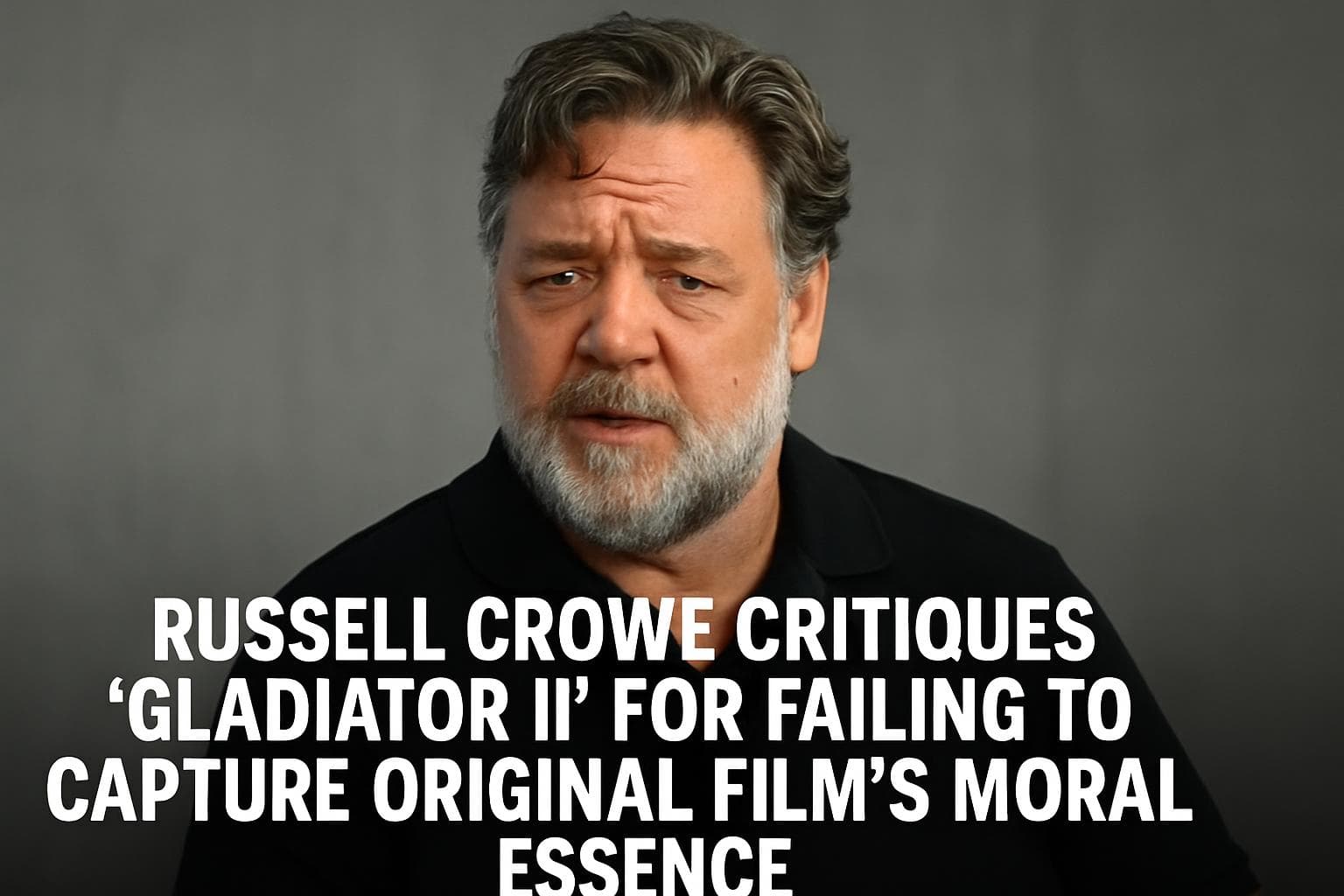
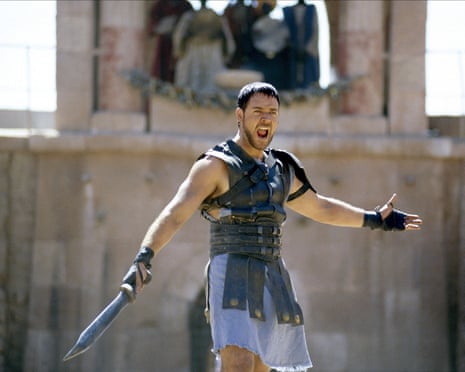
Russell Crowe, the acclaimed actor who portrayed Roman general Maximus in the 2000 epic Gladiator, has voiced his disapproval of the film's sequel, Gladiator II. In a candid interview with Australian radio station Triple J, Crowe expressed that the creators of the sequel failed to grasp the "moral core" that was central to the original film's success.
The Moral Core Debate
Crowe emphasized that the original Gladiator's appeal lay not in its grandeur or action sequences, but in its moral narrative. "It wasn't the pomp. It wasn't the circumstance. It wasn't the action. It was the moral core," Crowe stated, reflecting on the essence that captivated audiences and critics alike, earning the film five Oscars, including Best Picture and Best Actor for Crowe.
Mixed Reception for the Sequel
Directed by Sir Ridley Scott, Gladiator II was released in 2024 and starred Paul Mescal as Lucius, the illegitimate son of Maximus and Lucilla, played by Connie Nielsen. Despite high expectations, the film received mixed reviews. The Guardian's Peter Bradshaw described it as a "thrilling spectacle," while Variety's Owen Gleiberman called it a "mere shadow" of its predecessor.
Maintaining Character Integrity
During the production of the original film, Crowe fought to preserve the integrity of his character, resisting suggestions for romantic subplots that he believed would undermine Maximus's power. "The amount of times they suggested sex scenes and stuff like that for Maximus - it's like 'you're taking away his power'," Crowe recounted, highlighting the daily battles on set to maintain the character's moral core.
Audience Reactions
Crowe also shared anecdotes of European audiences approaching him in restaurants to express their disappointment with the sequel. "It wasn't me, I didn't do it," he would respond, distancing himself from the creative decisions of Gladiator II.
WHAT THIS MIGHT MEAN
The mixed reception of Gladiator II raises questions about the challenges of creating sequels to beloved films. As audiences continue to voice their opinions, filmmakers may need to reconsider how they balance honoring the original's legacy with introducing new elements. The debate over maintaining a film's moral core versus adding sensational elements could influence future projects in the historical epic genre. Additionally, Crowe's outspoken criticism may prompt further discussions about the role of actors in shaping a film's narrative direction, potentially impacting how sequels are approached in the industry.
Images from the Web
Related Articles
"One Battle After Another" Dominates Bafta Nominations Amidst Fierce Competition
Romance Rumors and a Standout Performance: The Buzz Around the New 'Wuthering Heights' Film
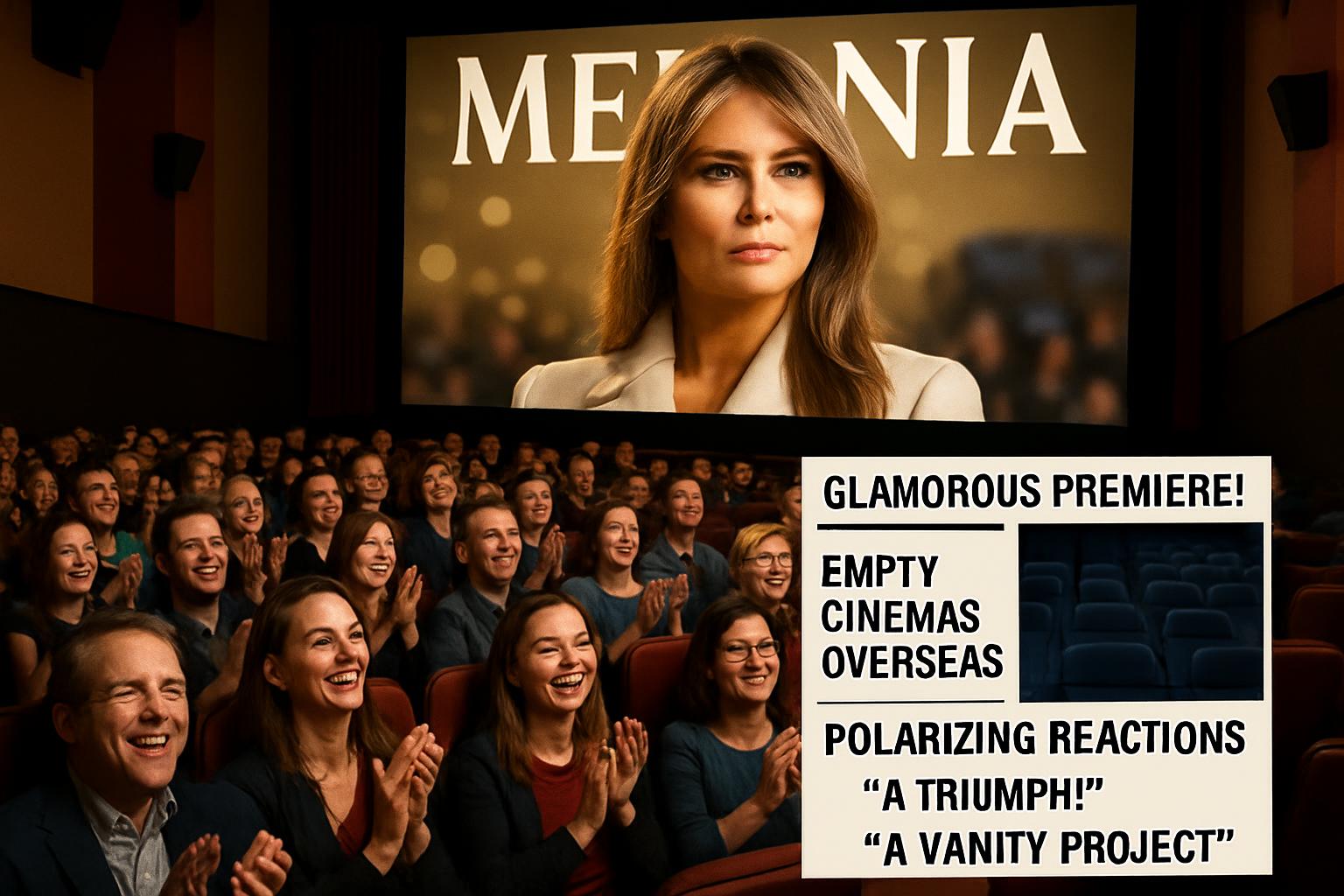
Melania Trump Documentary Surpasses US Box Office Expectations Amidst Mixed Global Reception
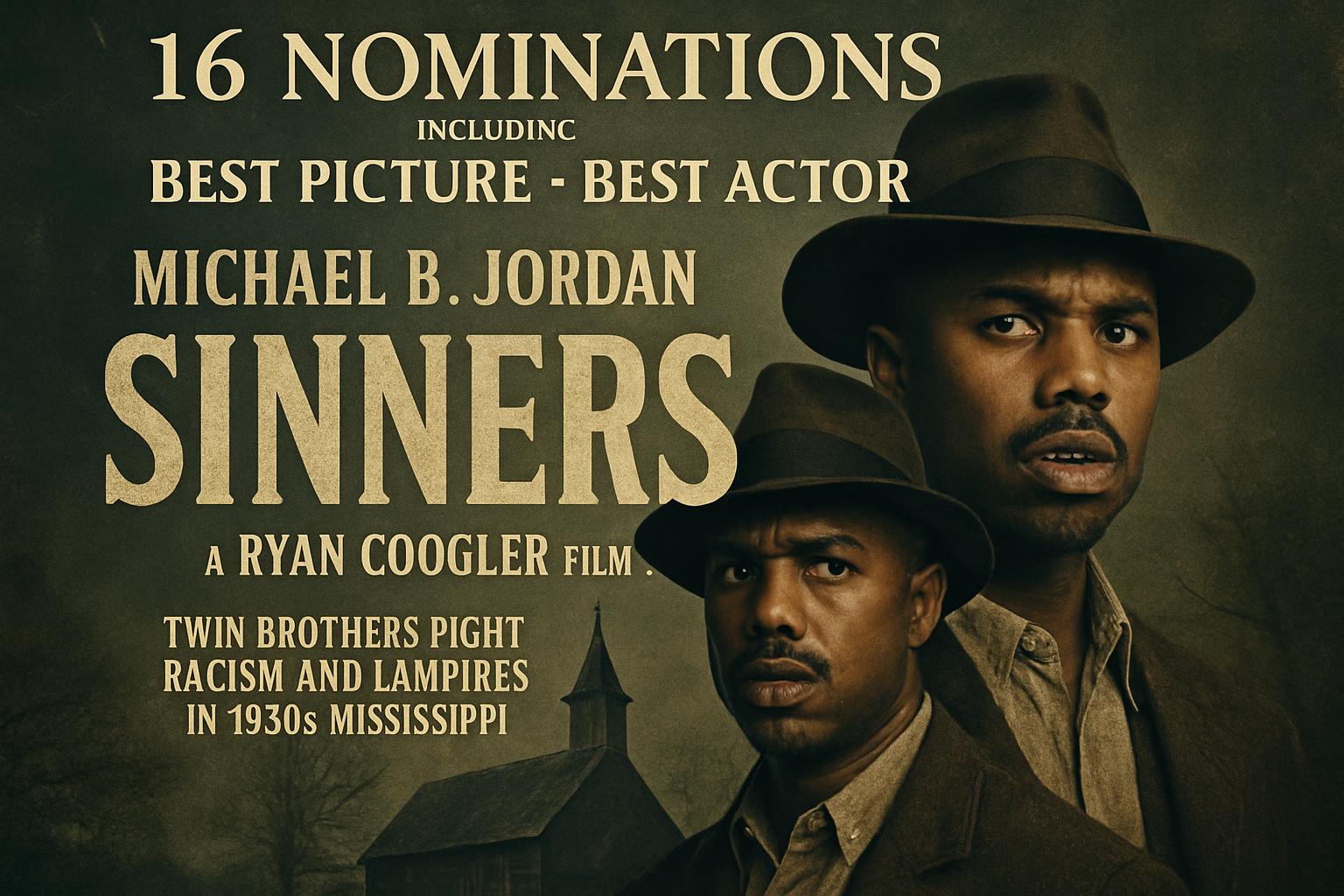
"Sinners Makes Oscar History with Record-Breaking 16 Nominations"
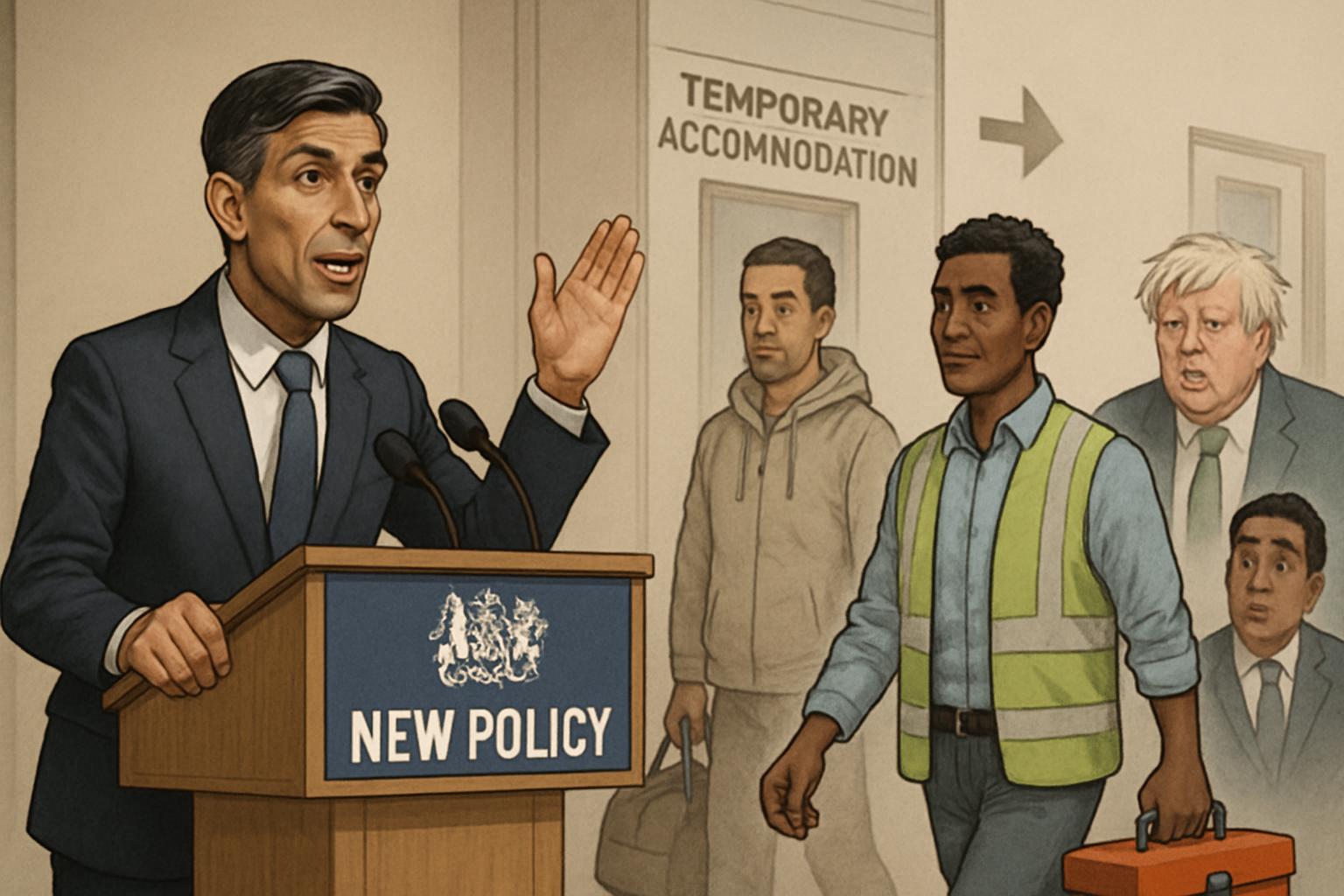
UK Government to Reform Asylum Seeker Support and Employment Policies

Bafta Film Awards 2023: A Night of Glamour, Talent, and Fashion Statements
Russell Crowe Criticizes Gladiator II for Missing the Original's Moral Essence
In This Article
 Marcus Blake| Published
 HIGHLIGHTS
- Russell Crowe criticized the creators of Gladiator II for not understanding the "moral core" that made the original film special.
- The sequel, directed by Ridley Scott and starring Paul Mescal, received mixed reviews upon its 2024 release.
- Crowe highlighted the importance of maintaining the character's integrity, opposing suggestions of unnecessary romantic subplots.
- The original Gladiator, released in 2000, won five Oscars, including Best Picture and Best Actor for Crowe.
- Crowe shared that audiences in Europe expressed their disappointment to him personally, despite his lack of involvement in the sequel.
Russell Crowe, the acclaimed actor who portrayed Roman general Maximus in the 2000 epic Gladiator, has voiced his disapproval of the film's sequel, Gladiator II. In a candid interview with Australian radio station Triple J, Crowe expressed that the creators of the sequel failed to grasp the "moral core" that was central to the original film's success.
The Moral Core Debate
Crowe emphasized that the original Gladiator's appeal lay not in its grandeur or action sequences, but in its moral narrative. "It wasn't the pomp. It wasn't the circumstance. It wasn't the action. It was the moral core," Crowe stated, reflecting on the essence that captivated audiences and critics alike, earning the film five Oscars, including Best Picture and Best Actor for Crowe.
Mixed Reception for the Sequel
Directed by Sir Ridley Scott, Gladiator II was released in 2024 and starred Paul Mescal as Lucius, the illegitimate son of Maximus and Lucilla, played by Connie Nielsen. Despite high expectations, the film received mixed reviews. The Guardian's Peter Bradshaw described it as a "thrilling spectacle," while Variety's Owen Gleiberman called it a "mere shadow" of its predecessor.
Maintaining Character Integrity
During the production of the original film, Crowe fought to preserve the integrity of his character, resisting suggestions for romantic subplots that he believed would undermine Maximus's power. "The amount of times they suggested sex scenes and stuff like that for Maximus - it's like 'you're taking away his power'," Crowe recounted, highlighting the daily battles on set to maintain the character's moral core.
Audience Reactions
Crowe also shared anecdotes of European audiences approaching him in restaurants to express their disappointment with the sequel. "It wasn't me, I didn't do it," he would respond, distancing himself from the creative decisions of Gladiator II.
WHAT THIS MIGHT MEAN
The mixed reception of Gladiator II raises questions about the challenges of creating sequels to beloved films. As audiences continue to voice their opinions, filmmakers may need to reconsider how they balance honoring the original's legacy with introducing new elements. The debate over maintaining a film's moral core versus adding sensational elements could influence future projects in the historical epic genre. Additionally, Crowe's outspoken criticism may prompt further discussions about the role of actors in shaping a film's narrative direction, potentially impacting how sequels are approached in the industry.
Images from the Web
Related Articles
"One Battle After Another" Dominates Bafta Nominations Amidst Fierce Competition
Romance Rumors and a Standout Performance: The Buzz Around the New 'Wuthering Heights' Film
Melania Trump Documentary Surpasses US Box Office Expectations Amidst Mixed Global Reception
"Sinners Makes Oscar History with Record-Breaking 16 Nominations"
UK Government to Reform Asylum Seeker Support and Employment Policies
Bafta Film Awards 2023: A Night of Glamour, Talent, and Fashion Statements