
Nicolas Sarkozy's Conviction for Illegal Campaign Financing Upheld by French Court
In This Article
HIGHLIGHTS
- France's highest court upheld Nicolas Sarkozy's conviction for illegal campaign financing during his 2012 re-election bid.
- Sarkozy's campaign spending nearly doubled the legal limit, with costs hidden through the Bygmalion PR firm.
- The former president received a one-year sentence, with six months suspended, which can be served via electronic monitoring.
- Sarkozy, who denies wrongdoing, faces additional legal challenges, including an appeal against a criminal conspiracy conviction.
- Sarkozy recently published a book detailing his 20-day imprisonment experience, describing it as "gruelling."
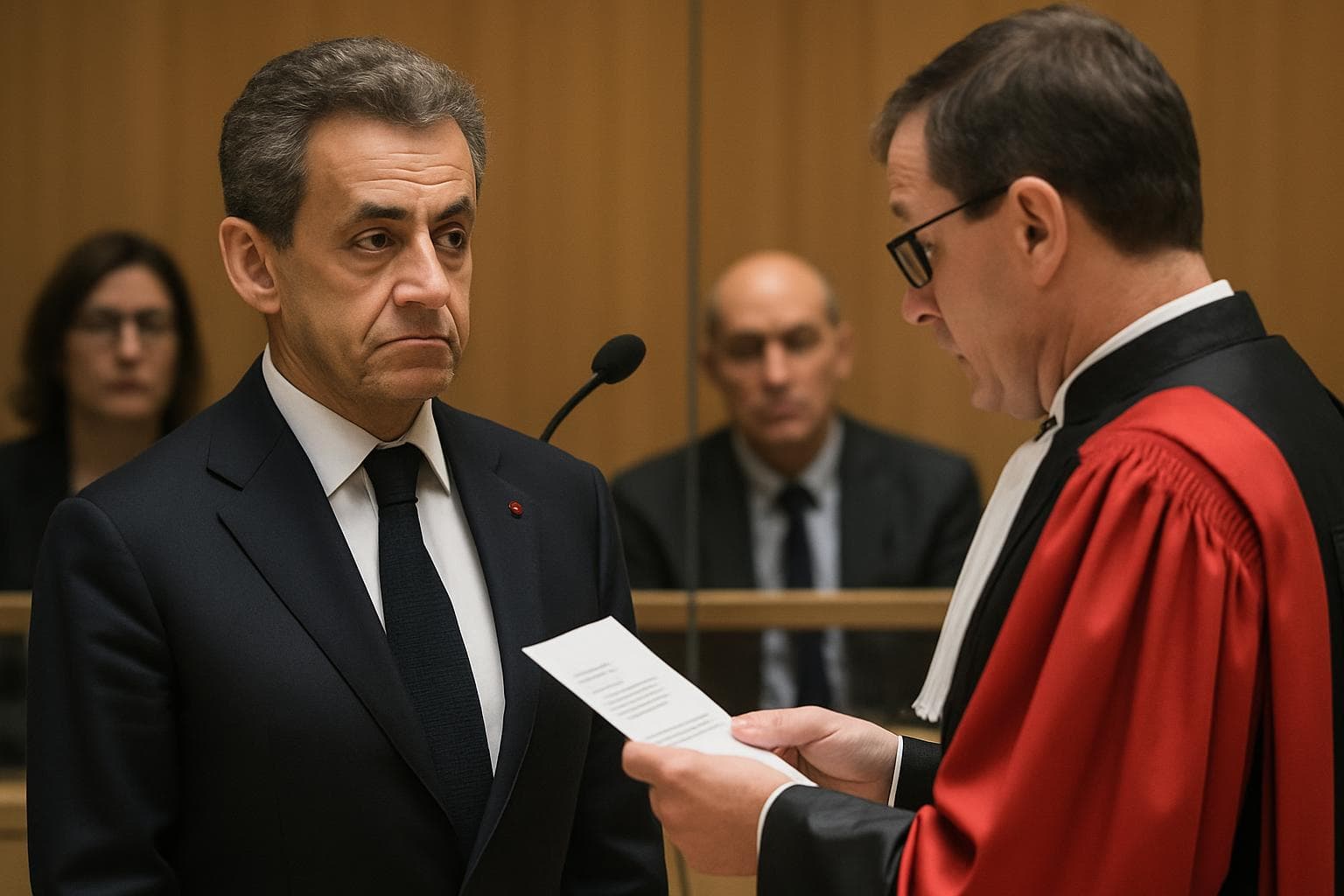
France's highest judicial authority, the Cour de Cassation, has confirmed the conviction of former President Nicolas Sarkozy for illegal campaign financing during his unsuccessful 2012 re-election campaign. This decision marks a significant moment in French politics, as Sarkozy, who led the country from 2007 to 2012, faces the consequences of overspending and financial mismanagement.
The Bygmalion Affair
The case, widely known as the "Bygmalion affair," revolves around Sarkozy's campaign exceeding the legal spending limit of €22.5 million by nearly double. The excess was concealed through the PR firm Bygmalion, which invoiced Sarkozy's UMP party instead of the campaign itself. This elaborate scheme allowed the campaign to host extravagant American-style rallies, which were pivotal in Sarkozy's attempt to counter his opponent, François Hollande.
Legal Ramifications and Sentencing
Sarkozy, who has consistently denied any wrongdoing, was sentenced to one year in prison, with six months suspended. This sentence can be served through electronic monitoring, sparing him from jail time. The former president's legal troubles are not limited to this case; he is also appealing a separate conviction for criminal conspiracy related to alleged campaign funds from Libya during his 2007 presidential bid.
Personal Reflections and Future Prospects
Following his recent release from a 20-day imprisonment linked to the conspiracy conviction, Sarkozy has shared his experiences in a book titled "A Prisoner's Diary." In it, he describes the ordeal as "gruelling" and a "nightmare," offering a personal glimpse into his time at La Santé prison in Paris.
WHAT THIS MIGHT MEAN
The upholding of Sarkozy's conviction by the Cour de Cassation could have lasting implications for French politics, particularly concerning the integrity of campaign financing. As Sarkozy continues to navigate his legal challenges, including the appeal against his criminal conspiracy conviction, the outcomes could further influence public perception of political accountability in France.
Experts suggest that these legal battles may deter future political figures from engaging in similar financial misconduct. Additionally, Sarkozy's personal reflections on his imprisonment may resonate with the public, potentially impacting his legacy and the broader discourse on justice and rehabilitation in the French legal system.
Related Articles
Arrests Over French Activist's Death Heighten Political Tensions
Gisèle Pelicot: A Journey from Horror to Advocacy in France's Largest Rape Trial
UK and Allies Accuse Russia of Killing Navalny with Dart Frog Toxin
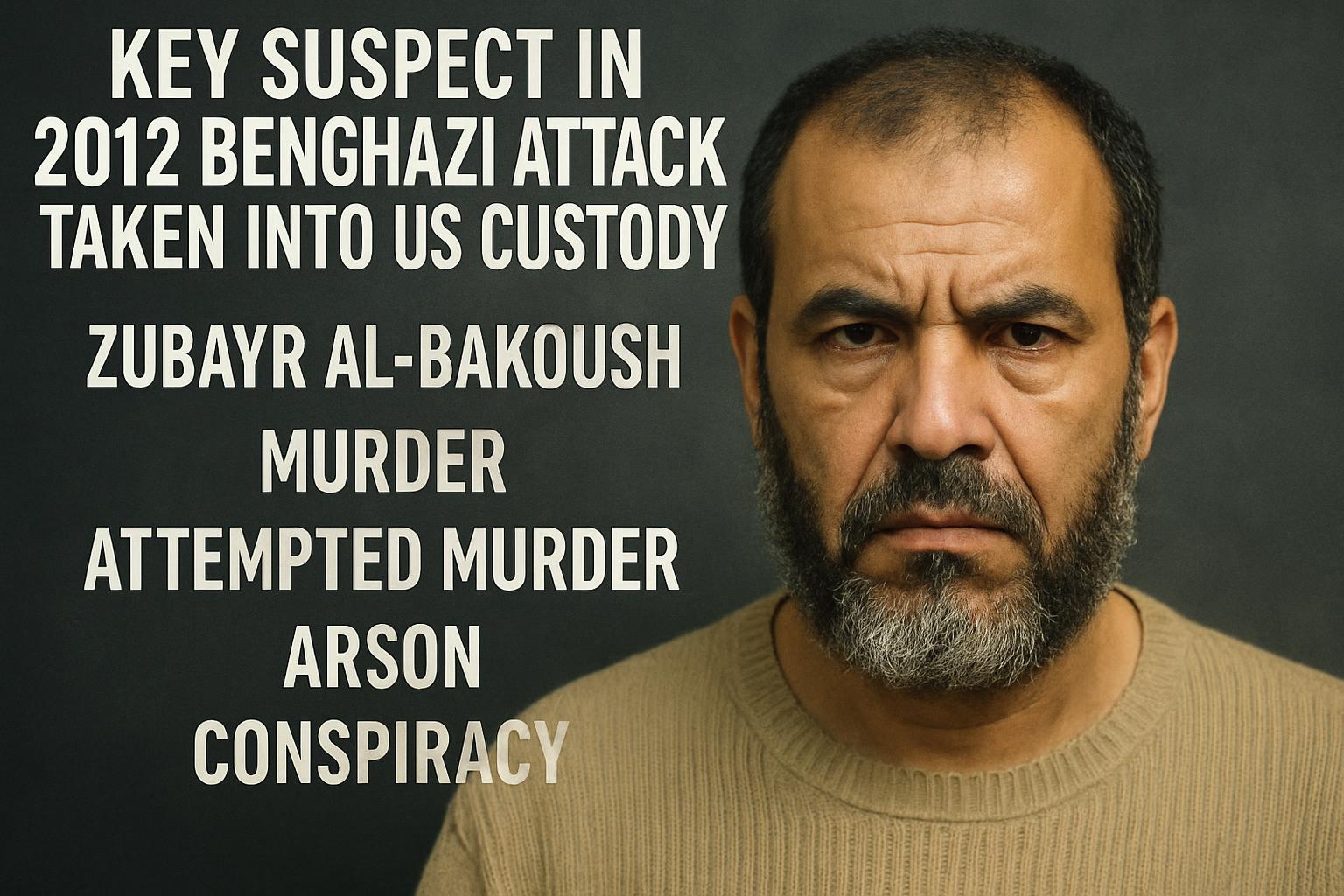
Key Suspect in 2012 Benghazi Attack Taken into US Custody

Russian LNG Tanker Sinks in Mediterranean Amid Accusations of Ukrainian Drone Attack

Trump's Board of Peace Pledges $7 Billion for Gaza Amidst International Skepticism
Nicolas Sarkozy's Conviction for Illegal Campaign Financing Upheld by French Court
In This Article
 Sofia Romano| Published
 HIGHLIGHTS
- France's highest court upheld Nicolas Sarkozy's conviction for illegal campaign financing during his 2012 re-election bid.
- Sarkozy's campaign spending nearly doubled the legal limit, with costs hidden through the Bygmalion PR firm.
- The former president received a one-year sentence, with six months suspended, which can be served via electronic monitoring.
- Sarkozy, who denies wrongdoing, faces additional legal challenges, including an appeal against a criminal conspiracy conviction.
- Sarkozy recently published a book detailing his 20-day imprisonment experience, describing it as "gruelling."
France's highest judicial authority, the Cour de Cassation, has confirmed the conviction of former President Nicolas Sarkozy for illegal campaign financing during his unsuccessful 2012 re-election campaign. This decision marks a significant moment in French politics, as Sarkozy, who led the country from 2007 to 2012, faces the consequences of overspending and financial mismanagement.
The Bygmalion Affair
The case, widely known as the "Bygmalion affair," revolves around Sarkozy's campaign exceeding the legal spending limit of €22.5 million by nearly double. The excess was concealed through the PR firm Bygmalion, which invoiced Sarkozy's UMP party instead of the campaign itself. This elaborate scheme allowed the campaign to host extravagant American-style rallies, which were pivotal in Sarkozy's attempt to counter his opponent, François Hollande.
Legal Ramifications and Sentencing
Sarkozy, who has consistently denied any wrongdoing, was sentenced to one year in prison, with six months suspended. This sentence can be served through electronic monitoring, sparing him from jail time. The former president's legal troubles are not limited to this case; he is also appealing a separate conviction for criminal conspiracy related to alleged campaign funds from Libya during his 2007 presidential bid.
Personal Reflections and Future Prospects
Following his recent release from a 20-day imprisonment linked to the conspiracy conviction, Sarkozy has shared his experiences in a book titled "A Prisoner's Diary." In it, he describes the ordeal as "gruelling" and a "nightmare," offering a personal glimpse into his time at La Santé prison in Paris.
WHAT THIS MIGHT MEAN
The upholding of Sarkozy's conviction by the Cour de Cassation could have lasting implications for French politics, particularly concerning the integrity of campaign financing. As Sarkozy continues to navigate his legal challenges, including the appeal against his criminal conspiracy conviction, the outcomes could further influence public perception of political accountability in France.
Experts suggest that these legal battles may deter future political figures from engaging in similar financial misconduct. Additionally, Sarkozy's personal reflections on his imprisonment may resonate with the public, potentially impacting his legacy and the broader discourse on justice and rehabilitation in the French legal system.
Related Articles
Arrests Over French Activist's Death Heighten Political Tensions
Gisèle Pelicot: A Journey from Horror to Advocacy in France's Largest Rape Trial
UK and Allies Accuse Russia of Killing Navalny with Dart Frog Toxin
Key Suspect in 2012 Benghazi Attack Taken into US Custody
Russian LNG Tanker Sinks in Mediterranean Amid Accusations of Ukrainian Drone Attack
Trump's Board of Peace Pledges $7 Billion for Gaza Amidst International Skepticism