
Scottish Teen Honored by Time for Solar-Powered Blanket Innovation

In This Article
HIGHLIGHTS
- Rebecca Young, a 13-year-old from Glasgow, was named a Time magazine girl of the year for her solar-powered blanket invention.
- The device, designed to help homeless individuals keep warm, was developed into a prototype by engineering firm Thales.
- Rebecca's invention emerged victorious in a UK-wide engineering competition with over 70,000 entries.
- Time magazine's list, in partnership with Lego, celebrates young female role models making impactful contributions.
- Rebecca encourages young people to pursue their interests in STEM and address societal issues.
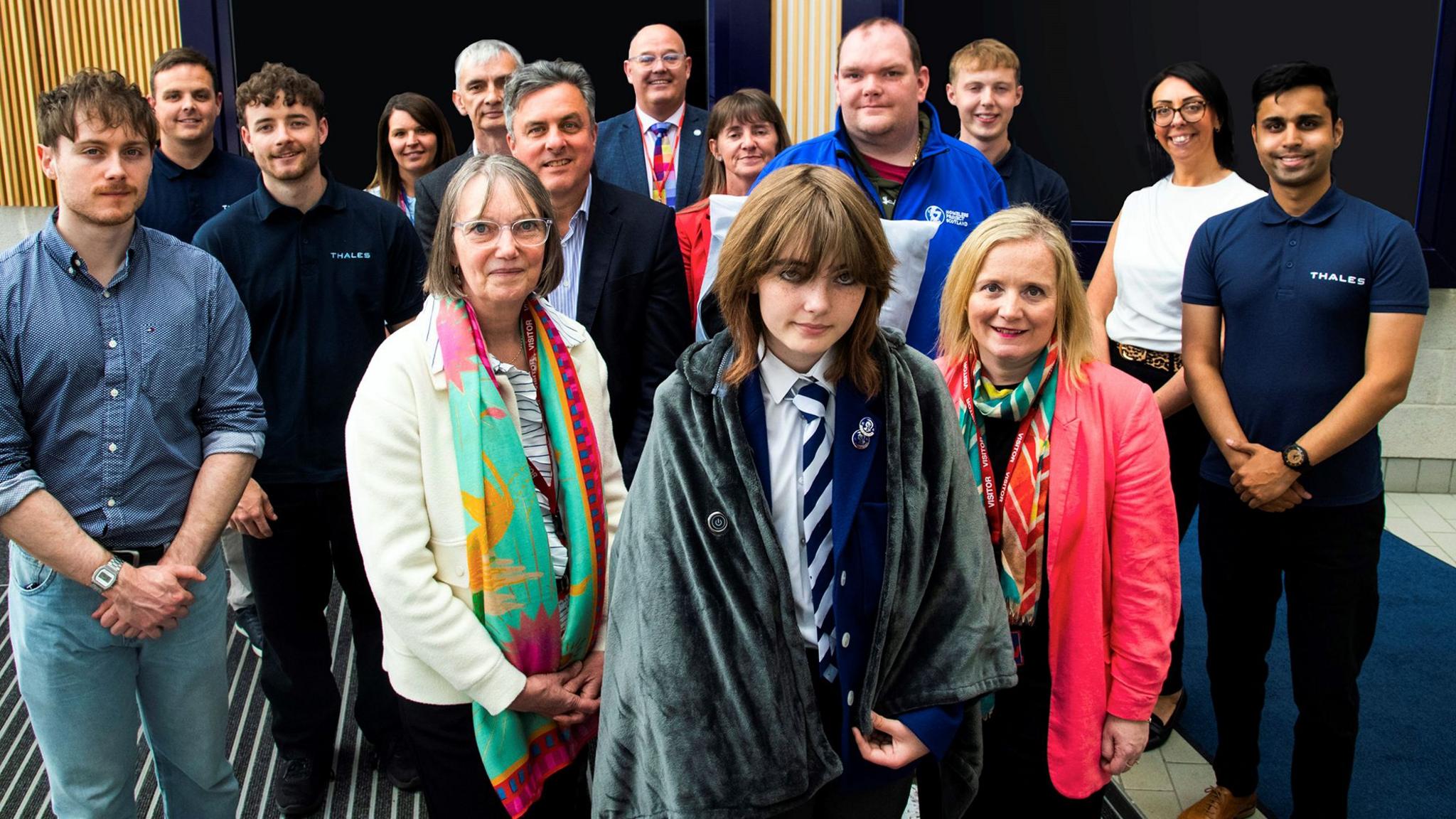
A young Scottish innovator, Rebecca Young, has been recognized by Time magazine as one of its girls of the year for her groundbreaking invention aimed at aiding the homeless. The 13-year-old from Glasgow designed a solar-powered thermal blanket to provide warmth to rough sleepers during the city's harsh winters. Her invention, which started as a simple drawing, has now been transformed into a working prototype by the engineering firm Thales.
Rebecca's journey began at the age of 12 when she participated in an engineering club at Kelvinside Academy. Motivated by the plight of homeless individuals enduring freezing temperatures, she conceptualized a solar-powered blanket that stores heat during the day for use at night. Her idea won the UK Primary Engineer competition, which attracted over 70,000 entries focused on addressing social issues.
The prototype, developed by Thales, has already made a tangible impact, with 35 units distributed to Homeless Project Scotland. Colin McInnes, the founder of the charity, praised the initiative, stating, "When somebody is having to rough sleep because the shelter is full, we can offer that comfort to a homeless person, of having a warm blanket to wrap around them during the night."
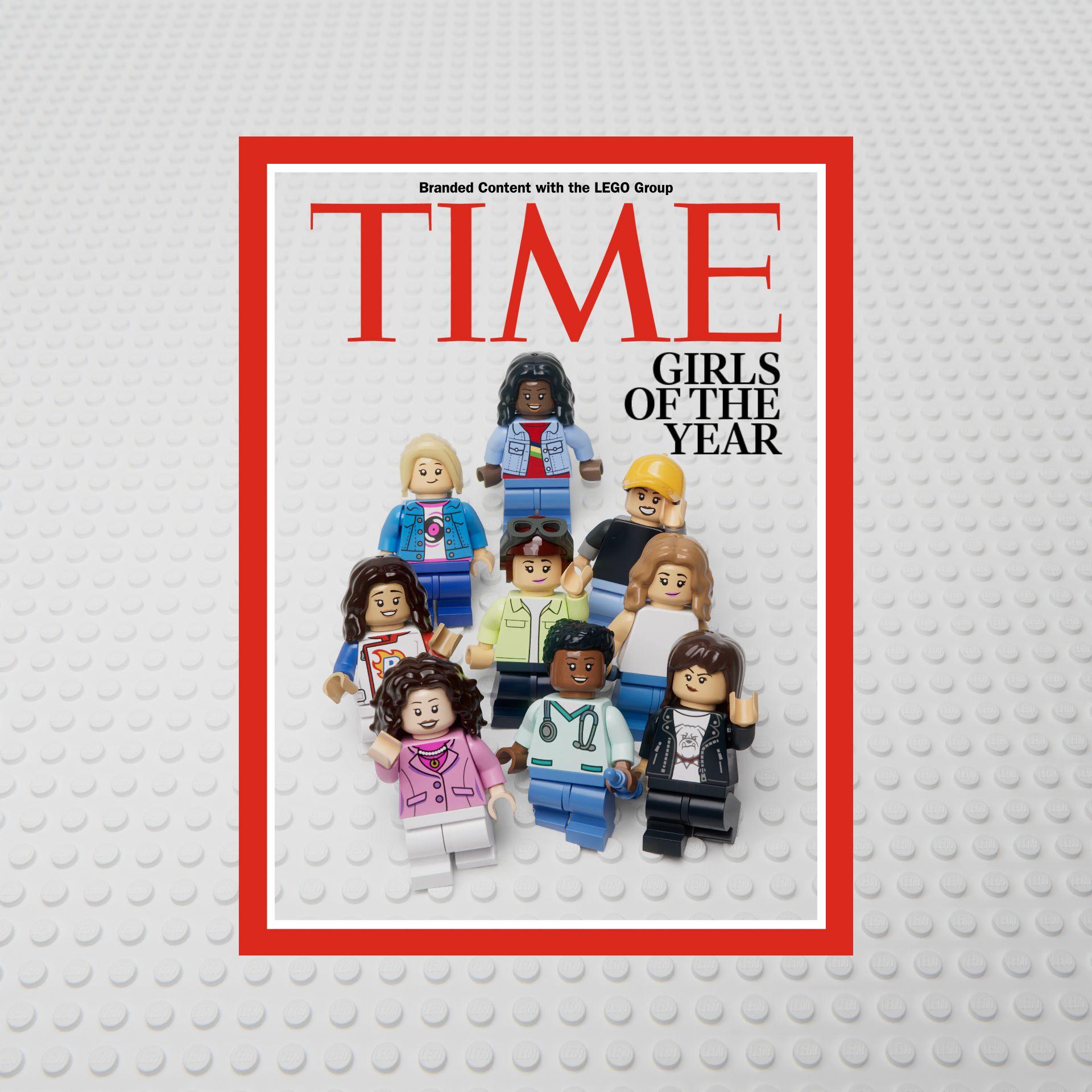
Time magazine's recognition of Rebecca is part of its inaugural list celebrating young female role models worldwide. The list, created in partnership with Lego, aims to inspire girls to see themselves as builders and leaders. Rebecca, along with nine other honorees, is featured on a digital cover of the magazine styled as a Lego mini-figure.
Reflecting on her achievement, Rebecca expressed her pride in contributing to a meaningful cause and encouraged other young people to pursue their passions in STEM fields. "If you see a problem you think you can fix, you can do something about it," she advised.
WHAT THIS MIGHT MEAN
Rebecca Young's recognition by Time magazine not only highlights her individual achievements but also underscores the potential for young innovators to address pressing social issues. Her invention could inspire further developments in sustainable solutions for homelessness, potentially leading to broader adoption of similar technologies.
The partnership between Time and Lego emphasizes the importance of encouraging young girls to engage with STEM subjects, challenging traditional gender norms and fostering a new generation of female leaders in science and engineering. As Rebecca continues her journey, her story may inspire educational institutions and policymakers to invest more in STEM education and innovation programs for youth.
Looking ahead, the success of Rebecca's solar-powered blanket could prompt further collaborations between young inventors and industry leaders, driving advancements in technology that address societal challenges.
Images from the Web

Related Articles

Pam Hogg: Celebrated Scottish Fashion Designer Dies at 66

Anna Murdoch-Mann: Influential Figure in Media and Philanthropy Dies at 81

Anas Sarwar's Call for Starmer's Resignation Sparks Labour Party Turmoil

Green Party Leader Calls for Drug Policy Reform with Public Health Focus

Rail Upgrades and Fire Cause Major Disruptions Across UK Rail Network

Sundance Film Festival Bids Farewell to Utah and Founder Robert Redford
Scottish Teen Honored by Time for Solar-Powered Blanket Innovation
In This Article
 Aya Nakamura| Published
 HIGHLIGHTS
- Rebecca Young, a 13-year-old from Glasgow, was named a Time magazine girl of the year for her solar-powered blanket invention.
- The device, designed to help homeless individuals keep warm, was developed into a prototype by engineering firm Thales.
- Rebecca's invention emerged victorious in a UK-wide engineering competition with over 70,000 entries.
- Time magazine's list, in partnership with Lego, celebrates young female role models making impactful contributions.
- Rebecca encourages young people to pursue their interests in STEM and address societal issues.
A young Scottish innovator, Rebecca Young, has been recognized by Time magazine as one of its girls of the year for her groundbreaking invention aimed at aiding the homeless. The 13-year-old from Glasgow designed a solar-powered thermal blanket to provide warmth to rough sleepers during the city's harsh winters. Her invention, which started as a simple drawing, has now been transformed into a working prototype by the engineering firm Thales.
Rebecca's journey began at the age of 12 when she participated in an engineering club at Kelvinside Academy. Motivated by the plight of homeless individuals enduring freezing temperatures, she conceptualized a solar-powered blanket that stores heat during the day for use at night. Her idea won the UK Primary Engineer competition, which attracted over 70,000 entries focused on addressing social issues.
The prototype, developed by Thales, has already made a tangible impact, with 35 units distributed to Homeless Project Scotland. Colin McInnes, the founder of the charity, praised the initiative, stating, "When somebody is having to rough sleep because the shelter is full, we can offer that comfort to a homeless person, of having a warm blanket to wrap around them during the night."
Time magazine's recognition of Rebecca is part of its inaugural list celebrating young female role models worldwide. The list, created in partnership with Lego, aims to inspire girls to see themselves as builders and leaders. Rebecca, along with nine other honorees, is featured on a digital cover of the magazine styled as a Lego mini-figure.
Reflecting on her achievement, Rebecca expressed her pride in contributing to a meaningful cause and encouraged other young people to pursue their passions in STEM fields. "If you see a problem you think you can fix, you can do something about it," she advised.
WHAT THIS MIGHT MEAN
Rebecca Young's recognition by Time magazine not only highlights her individual achievements but also underscores the potential for young innovators to address pressing social issues. Her invention could inspire further developments in sustainable solutions for homelessness, potentially leading to broader adoption of similar technologies.
The partnership between Time and Lego emphasizes the importance of encouraging young girls to engage with STEM subjects, challenging traditional gender norms and fostering a new generation of female leaders in science and engineering. As Rebecca continues her journey, her story may inspire educational institutions and policymakers to invest more in STEM education and innovation programs for youth.
Looking ahead, the success of Rebecca's solar-powered blanket could prompt further collaborations between young inventors and industry leaders, driving advancements in technology that address societal challenges.
Images from the Web
Related Articles
Pam Hogg: Celebrated Scottish Fashion Designer Dies at 66
Anna Murdoch-Mann: Influential Figure in Media and Philanthropy Dies at 81
Anas Sarwar's Call for Starmer's Resignation Sparks Labour Party Turmoil
Green Party Leader Calls for Drug Policy Reform with Public Health Focus
Rail Upgrades and Fire Cause Major Disruptions Across UK Rail Network
Sundance Film Festival Bids Farewell to Utah and Founder Robert Redford