
Serena Williams's Weight Loss Journey: A New Chapter in the Anti-Obesity Drug Debate
In This Article
HIGHLIGHTS
- Serena Williams has publicly discussed her use of GLP-1 weight loss drugs, aiming to reduce the stigma around such medications.
- Williams lost 31 pounds over eight months, emphasizing that the medication was not an easy solution but a necessary step after extensive physical training.
- Her announcement coincides with her role as a spokesperson for Ro, a telehealth service offering GLP-1 drugs, raising questions about the timing and commercial interests.
- The public response is mixed, with some praising her transparency and others concerned about the implications for body image and athletic standards.
- Experts like Caleb Luna see Williams's openness as a breakthrough but worry it may overshadow her athletic achievements.
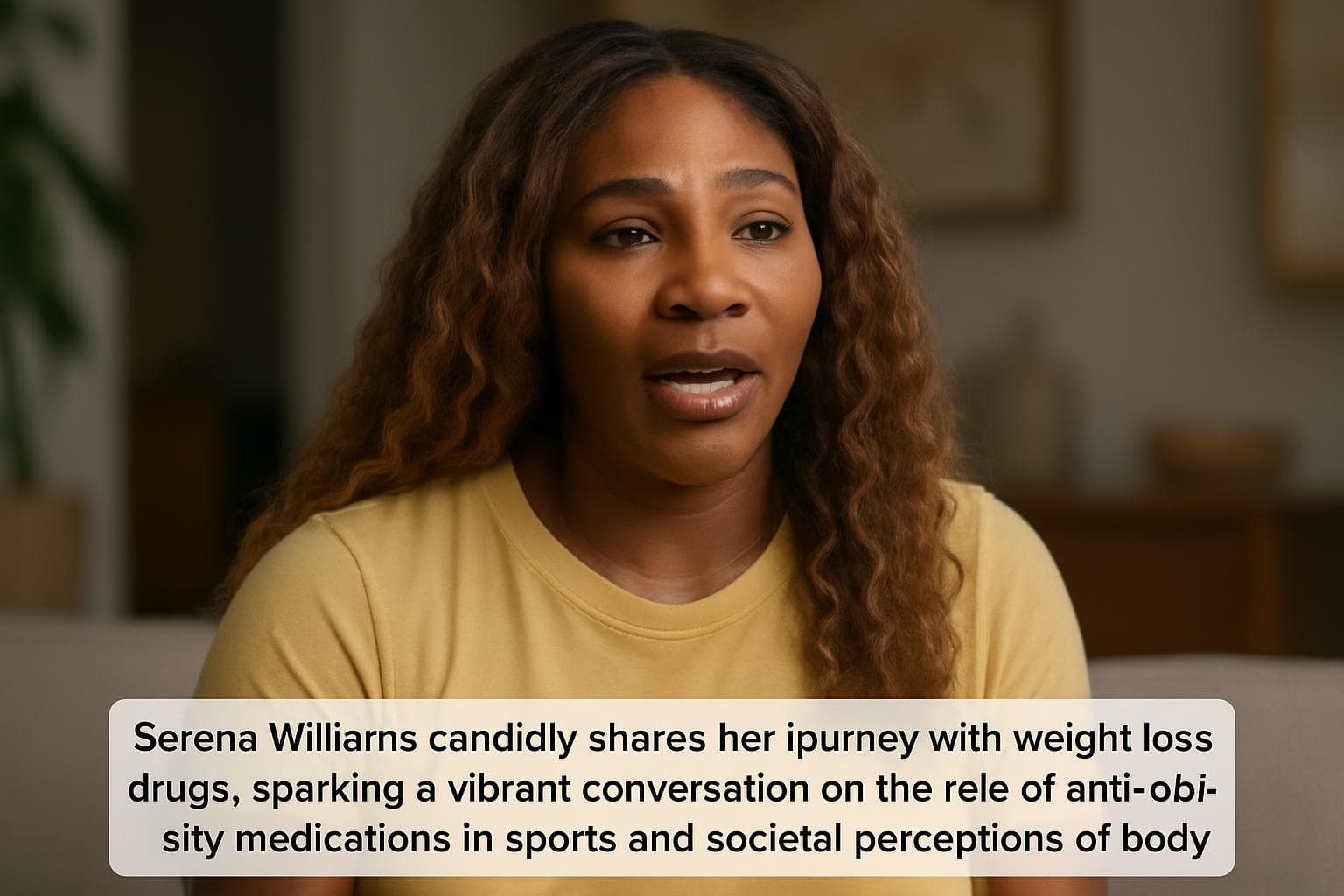
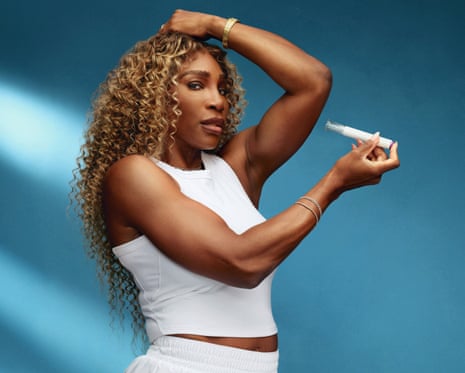
Serena Williams, the legendary tennis player known for her unparalleled achievements on the court, has recently opened up about her use of GLP-1 weight loss drugs. Her candid revelation aims to dismantle the stigma surrounding anti-obesity medications, a topic that has sparked widespread discussion.
Williams, who has won 23 Grand Slam titles, shared her story on NBC's Today Show, explaining that despite rigorous training, she struggled to lose weight after having children. "I had to look at my extra weight as an opponent," she stated, highlighting her decision to try GLP-1 drugs after traditional methods failed. Over eight months, Williams lost 31 pounds, but she insists the medication was not a shortcut.
The timing of her announcement has raised eyebrows, coinciding with her new role as a spokesperson for Ro, a telehealth company that provides access to GLP-1 drugs like Ozempic and Wegovy. Her husband, Alexis Ohanian, is a board member of Ro, adding another layer to the conversation. Critics argue that the media blitz surrounding her weight loss, aligned with the US Open, feels more like a commercial campaign than a personal confession.
Public reactions have been divided. While some applaud Williams for her honesty, others express concern over the message it sends about body image and the pressures faced by athletes. Caleb Luna, an assistant professor of feminist studies, sees Williams's openness as a significant step forward but worries it might overshadow her historic accomplishments.
Williams's story has sparked a broader conversation about the role of weight loss drugs in sports and society. As she continues her partnership with Ro, the debate over the normalization of such medications is likely to intensify.
WHAT THIS MIGHT MEAN
As Serena Williams's partnership with Ro unfolds, the conversation around weight loss drugs in sports is expected to grow. Her influence could lead to increased acceptance of GLP-1 medications, potentially reshaping societal attitudes toward weight management. However, this could also spark debates about the pressures athletes face to conform to certain body standards. Experts suggest that Williams's involvement may encourage more open discussions about body image and the challenges of post-pregnancy weight loss, potentially influencing future policies and perceptions in the sports world.
Images from the Web
Related Articles
Polish CEO Apologizes for Mistakenly Taking Young Fan's Souvenir at US Open
Polish CEO Apologizes for US Open Cap Snatching Incident

Polish CEO Apologizes for Mistakenly Taking Young Fan's Cap at US Open

Polish CEO Apologizes for Mistakenly Taking Young Fan's Souvenir Cap at US Open
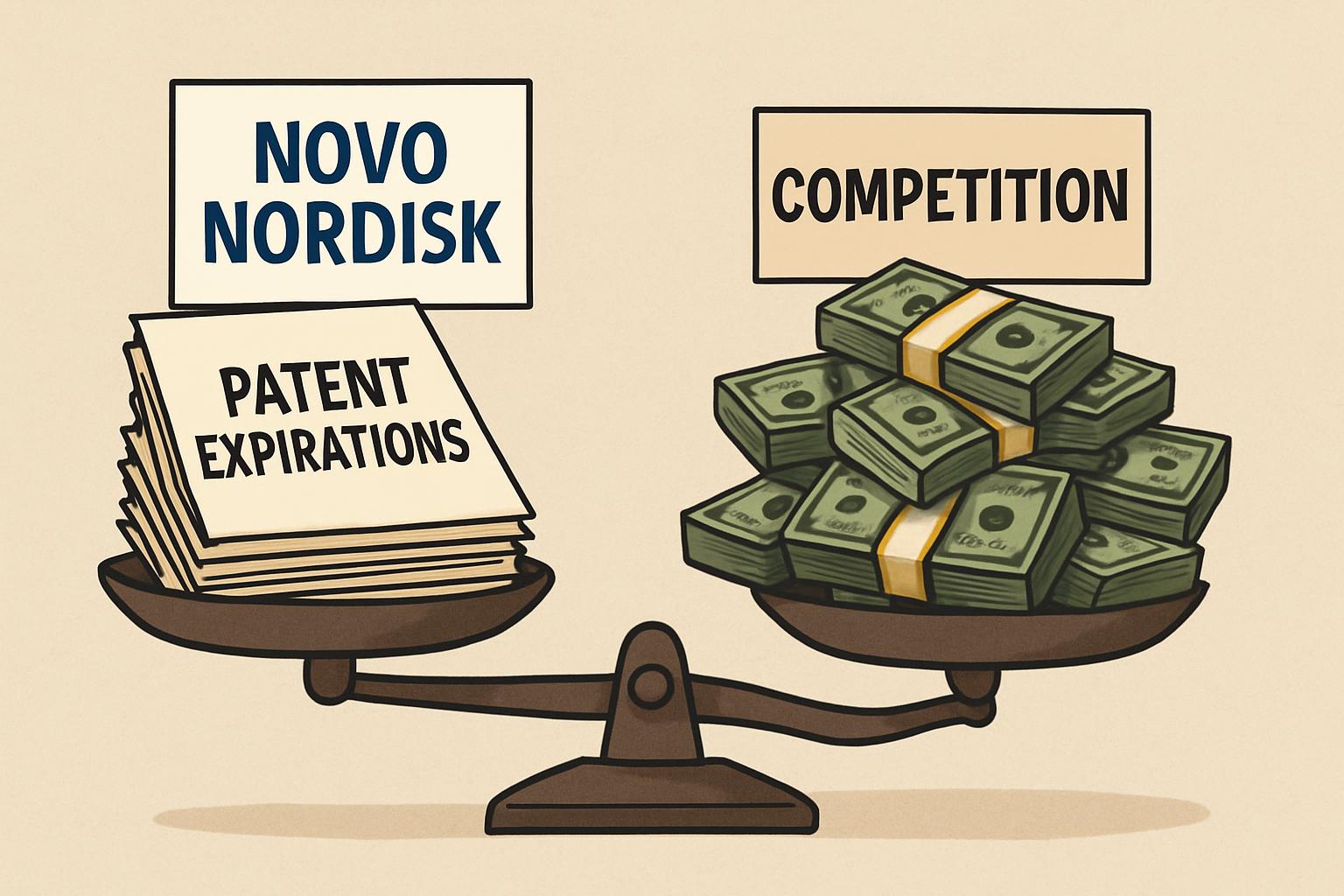
Novo Nordisk Faces Revenue Decline Amid Price Cuts and Patent Challenges
Novo Nordisk's Semaglutide Fails to Slow Alzheimer's Progression, Shares Plummet
Serena Williams's Weight Loss Journey: A New Chapter in the Anti-Obesity Drug Debate
In This Article
 Marcus Blake| Published
 HIGHLIGHTS
- Serena Williams has publicly discussed her use of GLP-1 weight loss drugs, aiming to reduce the stigma around such medications.
- Williams lost 31 pounds over eight months, emphasizing that the medication was not an easy solution but a necessary step after extensive physical training.
- Her announcement coincides with her role as a spokesperson for Ro, a telehealth service offering GLP-1 drugs, raising questions about the timing and commercial interests.
- The public response is mixed, with some praising her transparency and others concerned about the implications for body image and athletic standards.
- Experts like Caleb Luna see Williams's openness as a breakthrough but worry it may overshadow her athletic achievements.
Serena Williams, the legendary tennis player known for her unparalleled achievements on the court, has recently opened up about her use of GLP-1 weight loss drugs. Her candid revelation aims to dismantle the stigma surrounding anti-obesity medications, a topic that has sparked widespread discussion.
Williams, who has won 23 Grand Slam titles, shared her story on NBC's Today Show, explaining that despite rigorous training, she struggled to lose weight after having children. "I had to look at my extra weight as an opponent," she stated, highlighting her decision to try GLP-1 drugs after traditional methods failed. Over eight months, Williams lost 31 pounds, but she insists the medication was not a shortcut.
The timing of her announcement has raised eyebrows, coinciding with her new role as a spokesperson for Ro, a telehealth company that provides access to GLP-1 drugs like Ozempic and Wegovy. Her husband, Alexis Ohanian, is a board member of Ro, adding another layer to the conversation. Critics argue that the media blitz surrounding her weight loss, aligned with the US Open, feels more like a commercial campaign than a personal confession.
Public reactions have been divided. While some applaud Williams for her honesty, others express concern over the message it sends about body image and the pressures faced by athletes. Caleb Luna, an assistant professor of feminist studies, sees Williams's openness as a significant step forward but worries it might overshadow her historic accomplishments.
Williams's story has sparked a broader conversation about the role of weight loss drugs in sports and society. As she continues her partnership with Ro, the debate over the normalization of such medications is likely to intensify.
WHAT THIS MIGHT MEAN
As Serena Williams's partnership with Ro unfolds, the conversation around weight loss drugs in sports is expected to grow. Her influence could lead to increased acceptance of GLP-1 medications, potentially reshaping societal attitudes toward weight management. However, this could also spark debates about the pressures athletes face to conform to certain body standards. Experts suggest that Williams's involvement may encourage more open discussions about body image and the challenges of post-pregnancy weight loss, potentially influencing future policies and perceptions in the sports world.
Images from the Web
Related Articles
Polish CEO Apologizes for Mistakenly Taking Young Fan's Souvenir at US Open
Polish CEO Apologizes for US Open Cap Snatching Incident
Polish CEO Apologizes for Mistakenly Taking Young Fan's Cap at US Open
Polish CEO Apologizes for Mistakenly Taking Young Fan's Souvenir Cap at US Open
Novo Nordisk Faces Revenue Decline Amid Price Cuts and Patent Challenges
Novo Nordisk's Semaglutide Fails to Slow Alzheimer's Progression, Shares Plummet