
Novo Nordisk's Semaglutide Fails to Slow Alzheimer's Progression, Shares Plummet
In This Article
HIGHLIGHTS
- Novo Nordisk's semaglutide-based drugs, Wegovy and Ozempic, failed to slow Alzheimer's progression in large clinical trials.
- The trials involved nearly 4,000 patients with mild cognitive impairment or mild dementia due to Alzheimer's disease.
- Despite the failure, semaglutide showed improvement in Alzheimer's-related biomarkers but did not delay disease progression.
- Novo Nordisk shares fell by over 10% following the announcement, reflecting investor disappointment.
- Experts emphasize the need for multi-faceted approaches to Alzheimer's treatment, as no single drug is likely to be sufficient.
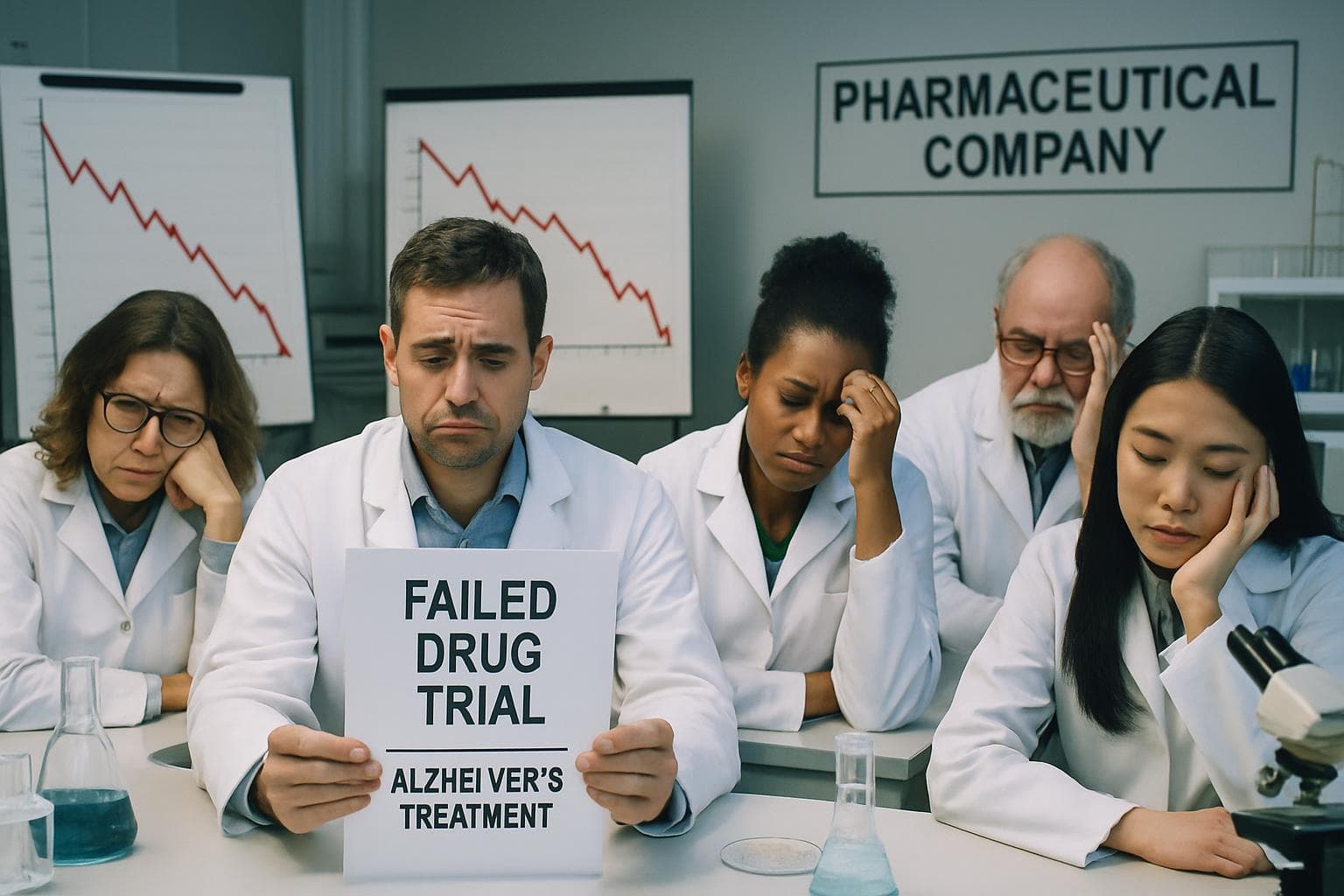
Novo Nordisk, the Danish pharmaceutical giant, has announced that its semaglutide-based drugs, Wegovy and Ozempic, have not succeeded in slowing the progression of Alzheimer's disease. This revelation comes after two large-scale clinical trials involving nearly 4,000 participants, aged 55 to 85, who were experiencing mild cognitive impairment or mild dementia due to Alzheimer's.
Clinical Trials and Findings
The trials, which were eagerly anticipated by both the medical community and investors, aimed to explore the potential of semaglutide, a drug already used for managing type 2 diabetes and obesity, in treating Alzheimer's. Despite initial hopes, the studies revealed that semaglutide did not outperform a placebo in delaying the disease's progression. However, it did show some improvement in Alzheimer's-related biomarkers.
Dr. Susan Kohlhaas from Alzheimer's Research UK expressed disappointment, noting that the results underscore the complexity of Alzheimer's, which is driven by multiple biological processes. She emphasized the importance of developing treatments that address these processes from various angles.
Market Impact and Industry Context
The announcement had immediate financial repercussions, with Novo Nordisk's shares dropping by more than 10% in early trading before closing 5.8% down. The company's market position has been challenged by competitors like Eli Lilly, which recently achieved a $1 trillion market valuation in the U.S. with its diabetes and obesity drugs.
Despite the setback, Martin Holst Lange, Novo Nordisk's chief scientific officer, stated that the company felt a responsibility to explore semaglutide's potential due to the significant unmet need in Alzheimer's treatment, even though the likelihood of success was low.
Future Directions in Alzheimer's Research
The failure of semaglutide in these trials highlights the ongoing challenges in Alzheimer's drug development. Fiona Carragher from the Alzheimer's Society remarked that while the results were disappointing, they contribute valuable insights for future research and drug development.
With over 130 Alzheimer's drugs currently in clinical trials, experts stress the necessity of a multi-pronged approach to tackling the disease. The growing use of GLP-1 drugs for weight loss also presents an opportunity to gather more real-world data on their long-term effects.
WHAT THIS MIGHT MEAN
The failure of semaglutide to slow Alzheimer's progression is a reminder of the complexities involved in treating neurodegenerative diseases. As researchers continue to explore various treatment avenues, the focus may shift towards combination therapies that target multiple biological pathways. This could lead to more comprehensive and effective treatment strategies.
The financial impact on Novo Nordisk underscores the high stakes involved in pharmaceutical innovation. As the company seeks to regain its market position, it may prioritize the development of new formulations or explore partnerships to enhance its research capabilities.
In the broader context, the pharmaceutical industry is likely to see increased collaboration and investment in Alzheimer's research, driven by the urgent need for effective treatments and the potential market opportunities they present.
Related Articles

China Sets Lowest GDP Growth Target in Decades Amid Economic Challenges

Cuba Faces Widespread Blackout Amid Deepening Fuel Crisis

UK Faces Dilemmas Amid Iran Conflict and China Spying Allegations

Google Faces Legal Battle Over AI Chatbot's Alleged Role in Tragic Death

Iran Postpones Khamenei Funeral Amid Escalating US-Israeli Strikes

Canada Calls for De-escalation Amid US-Israel Strikes on Iran
Novo Nordisk's Semaglutide Fails to Slow Alzheimer's Progression, Shares Plummet
In This Article
 Maya Singh| Published
 HIGHLIGHTS
- Novo Nordisk's semaglutide-based drugs, Wegovy and Ozempic, failed to slow Alzheimer's progression in large clinical trials.
- The trials involved nearly 4,000 patients with mild cognitive impairment or mild dementia due to Alzheimer's disease.
- Despite the failure, semaglutide showed improvement in Alzheimer's-related biomarkers but did not delay disease progression.
- Novo Nordisk shares fell by over 10% following the announcement, reflecting investor disappointment.
- Experts emphasize the need for multi-faceted approaches to Alzheimer's treatment, as no single drug is likely to be sufficient.
Novo Nordisk, the Danish pharmaceutical giant, has announced that its semaglutide-based drugs, Wegovy and Ozempic, have not succeeded in slowing the progression of Alzheimer's disease. This revelation comes after two large-scale clinical trials involving nearly 4,000 participants, aged 55 to 85, who were experiencing mild cognitive impairment or mild dementia due to Alzheimer's.
Clinical Trials and Findings
The trials, which were eagerly anticipated by both the medical community and investors, aimed to explore the potential of semaglutide, a drug already used for managing type 2 diabetes and obesity, in treating Alzheimer's. Despite initial hopes, the studies revealed that semaglutide did not outperform a placebo in delaying the disease's progression. However, it did show some improvement in Alzheimer's-related biomarkers.
Dr. Susan Kohlhaas from Alzheimer's Research UK expressed disappointment, noting that the results underscore the complexity of Alzheimer's, which is driven by multiple biological processes. She emphasized the importance of developing treatments that address these processes from various angles.
Market Impact and Industry Context
The announcement had immediate financial repercussions, with Novo Nordisk's shares dropping by more than 10% in early trading before closing 5.8% down. The company's market position has been challenged by competitors like Eli Lilly, which recently achieved a $1 trillion market valuation in the U.S. with its diabetes and obesity drugs.
Despite the setback, Martin Holst Lange, Novo Nordisk's chief scientific officer, stated that the company felt a responsibility to explore semaglutide's potential due to the significant unmet need in Alzheimer's treatment, even though the likelihood of success was low.
Future Directions in Alzheimer's Research
The failure of semaglutide in these trials highlights the ongoing challenges in Alzheimer's drug development. Fiona Carragher from the Alzheimer's Society remarked that while the results were disappointing, they contribute valuable insights for future research and drug development.
With over 130 Alzheimer's drugs currently in clinical trials, experts stress the necessity of a multi-pronged approach to tackling the disease. The growing use of GLP-1 drugs for weight loss also presents an opportunity to gather more real-world data on their long-term effects.
WHAT THIS MIGHT MEAN
The failure of semaglutide to slow Alzheimer's progression is a reminder of the complexities involved in treating neurodegenerative diseases. As researchers continue to explore various treatment avenues, the focus may shift towards combination therapies that target multiple biological pathways. This could lead to more comprehensive and effective treatment strategies.
The financial impact on Novo Nordisk underscores the high stakes involved in pharmaceutical innovation. As the company seeks to regain its market position, it may prioritize the development of new formulations or explore partnerships to enhance its research capabilities.
In the broader context, the pharmaceutical industry is likely to see increased collaboration and investment in Alzheimer's research, driven by the urgent need for effective treatments and the potential market opportunities they present.
Related Articles
China Sets Lowest GDP Growth Target in Decades Amid Economic Challenges
Cuba Faces Widespread Blackout Amid Deepening Fuel Crisis
UK Faces Dilemmas Amid Iran Conflict and China Spying Allegations
Google Faces Legal Battle Over AI Chatbot's Alleged Role in Tragic Death
Iran Postpones Khamenei Funeral Amid Escalating US-Israeli Strikes
Canada Calls for De-escalation Amid US-Israel Strikes on Iran