
Shouting Proves Effective in Deterring Seaside Gulls, Study Finds
In This Article
HIGHLIGHTS
- Shouting at herring gulls is more effective than speaking or playing birdsong in deterring them from food.
- University of Exeter researchers found nearly half of gulls exposed to shouting flew away within a minute.
- The study highlights non-violent methods to deter gulls, emphasizing their conservation status.
- Gulls are protected under the Wildlife and Countryside Act 1981, making it illegal to harm them.
- Previous research indicates gulls are attracted to food handled by humans and are deterred by direct eye contact.
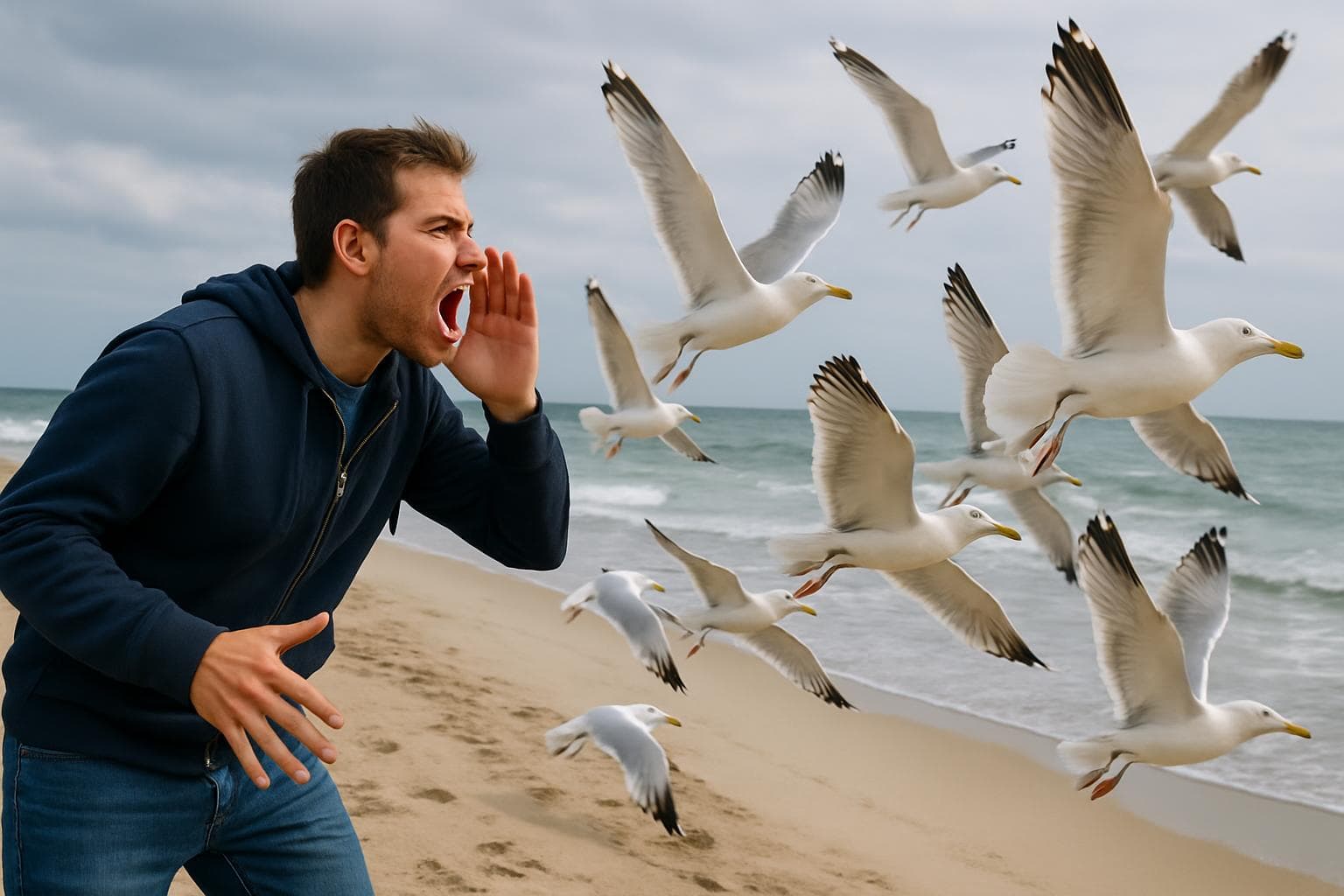
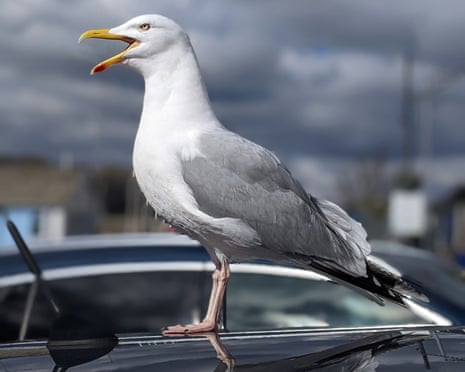
A recent study by the University of Exeter has revealed that shouting is a surprisingly effective method for deterring herring gulls from snatching food at seaside locations. Conducted across nine towns in Cornwall, the research tested the responses of 61 gulls to different auditory cues, including a male voice shouting, the same voice speaking, and the birdsong of a robin.
Gulls' Response to Human Voices
The study found that nearly half of the gulls exposed to the shouting voice flew away within a minute, while only 15% of those hearing the speaking voice did the same. In contrast, 70% of gulls exposed to the robin song remained near the food. Dr. Neeltje Boogert from the Centre for Ecology and Conservation at Exeter's Penryn campus explained, "Talking might stop them in their tracks, but shouting is more effective at making them fly away."
Conservation and Legal Context
The research underscores the importance of non-violent methods in managing human-wildlife interactions, particularly given the conservation status of gulls. Dr. Boogert emphasized that gulls, often vilified, are protected under the Wildlife and Countryside Act 1981, which prohibits harming them. The study aims to promote peaceful deterrence strategies, avoiding physical harm to these birds.
Previous Findings on Gull Behavior
This study builds on previous research by the University of Exeter, which found that gulls are more likely to approach food that has been handled by humans. Additionally, a 2019 study suggested that maintaining eye contact with gulls can deter them from stealing food, highlighting the complex nature of human-gull interactions.
WHAT THIS MIGHT MEAN
The findings from this study could influence public awareness campaigns and local policies aimed at reducing human-gull conflicts in coastal areas. As gulls are a species of conservation concern, promoting non-lethal deterrence methods aligns with broader wildlife protection goals. Future research may explore whether different types of human voices, such as female voices, have similar effects on gull behavior. This could further refine strategies for peaceful coexistence with these often-misunderstood birds.
Images from the Web
Related Articles

Tesco's Welsh Signage Error in Cornwall Sparks Calls for Cornish Language Promotion
Arctic Blast Brings Snow and Ice Warnings Across the UK

Cornwall Endures Record-Breaking Rainfall: 41 Days and Counting

UK Faces Persistent Flooding Amid Record Wet Winter

UK Faces Unrelenting Rainfall Amid Blocked Weather Patterns and Climate Crisis

Storm Chandra Aftermath: Flood Alerts and Weather Warnings Persist Across South-West England
Shouting Proves Effective in Deterring Seaside Gulls, Study Finds
In This Article
 Marcus Blake| Published
 HIGHLIGHTS
- Shouting at herring gulls is more effective than speaking or playing birdsong in deterring them from food.
- University of Exeter researchers found nearly half of gulls exposed to shouting flew away within a minute.
- The study highlights non-violent methods to deter gulls, emphasizing their conservation status.
- Gulls are protected under the Wildlife and Countryside Act 1981, making it illegal to harm them.
- Previous research indicates gulls are attracted to food handled by humans and are deterred by direct eye contact.
A recent study by the University of Exeter has revealed that shouting is a surprisingly effective method for deterring herring gulls from snatching food at seaside locations. Conducted across nine towns in Cornwall, the research tested the responses of 61 gulls to different auditory cues, including a male voice shouting, the same voice speaking, and the birdsong of a robin.
Gulls' Response to Human Voices
The study found that nearly half of the gulls exposed to the shouting voice flew away within a minute, while only 15% of those hearing the speaking voice did the same. In contrast, 70% of gulls exposed to the robin song remained near the food. Dr. Neeltje Boogert from the Centre for Ecology and Conservation at Exeter's Penryn campus explained, "Talking might stop them in their tracks, but shouting is more effective at making them fly away."
Conservation and Legal Context
The research underscores the importance of non-violent methods in managing human-wildlife interactions, particularly given the conservation status of gulls. Dr. Boogert emphasized that gulls, often vilified, are protected under the Wildlife and Countryside Act 1981, which prohibits harming them. The study aims to promote peaceful deterrence strategies, avoiding physical harm to these birds.
Previous Findings on Gull Behavior
This study builds on previous research by the University of Exeter, which found that gulls are more likely to approach food that has been handled by humans. Additionally, a 2019 study suggested that maintaining eye contact with gulls can deter them from stealing food, highlighting the complex nature of human-gull interactions.
WHAT THIS MIGHT MEAN
The findings from this study could influence public awareness campaigns and local policies aimed at reducing human-gull conflicts in coastal areas. As gulls are a species of conservation concern, promoting non-lethal deterrence methods aligns with broader wildlife protection goals. Future research may explore whether different types of human voices, such as female voices, have similar effects on gull behavior. This could further refine strategies for peaceful coexistence with these often-misunderstood birds.
Images from the Web
Related Articles
Tesco's Welsh Signage Error in Cornwall Sparks Calls for Cornish Language Promotion
Arctic Blast Brings Snow and Ice Warnings Across the UK
Cornwall Endures Record-Breaking Rainfall: 41 Days and Counting
UK Faces Persistent Flooding Amid Record Wet Winter
UK Faces Unrelenting Rainfall Amid Blocked Weather Patterns and Climate Crisis
Storm Chandra Aftermath: Flood Alerts and Weather Warnings Persist Across South-West England