
Southampton Airport Granted Permission to Fell Cemetery Trees Amidst Public Outcry
In This Article
HIGHLIGHTS
- Southampton City Council has approved Southampton Airport's request to fell 19 trees in South Stoneham Cemetery, citing aviation safety concerns.
- The decision has sparked opposition from environmental groups and local residents, who argue it threatens biodiversity and community heritage.
- The airport plans a mitigation strategy, including a four-to-one tree replacement and creating an urban wildflower meadow.
- Critics, including the Green Party, emphasize the importance of mature trees for air quality and urban cooling.
- The airport asserts that the trees pose a hazard to aircraft, impacting its operational viability and economic potential.
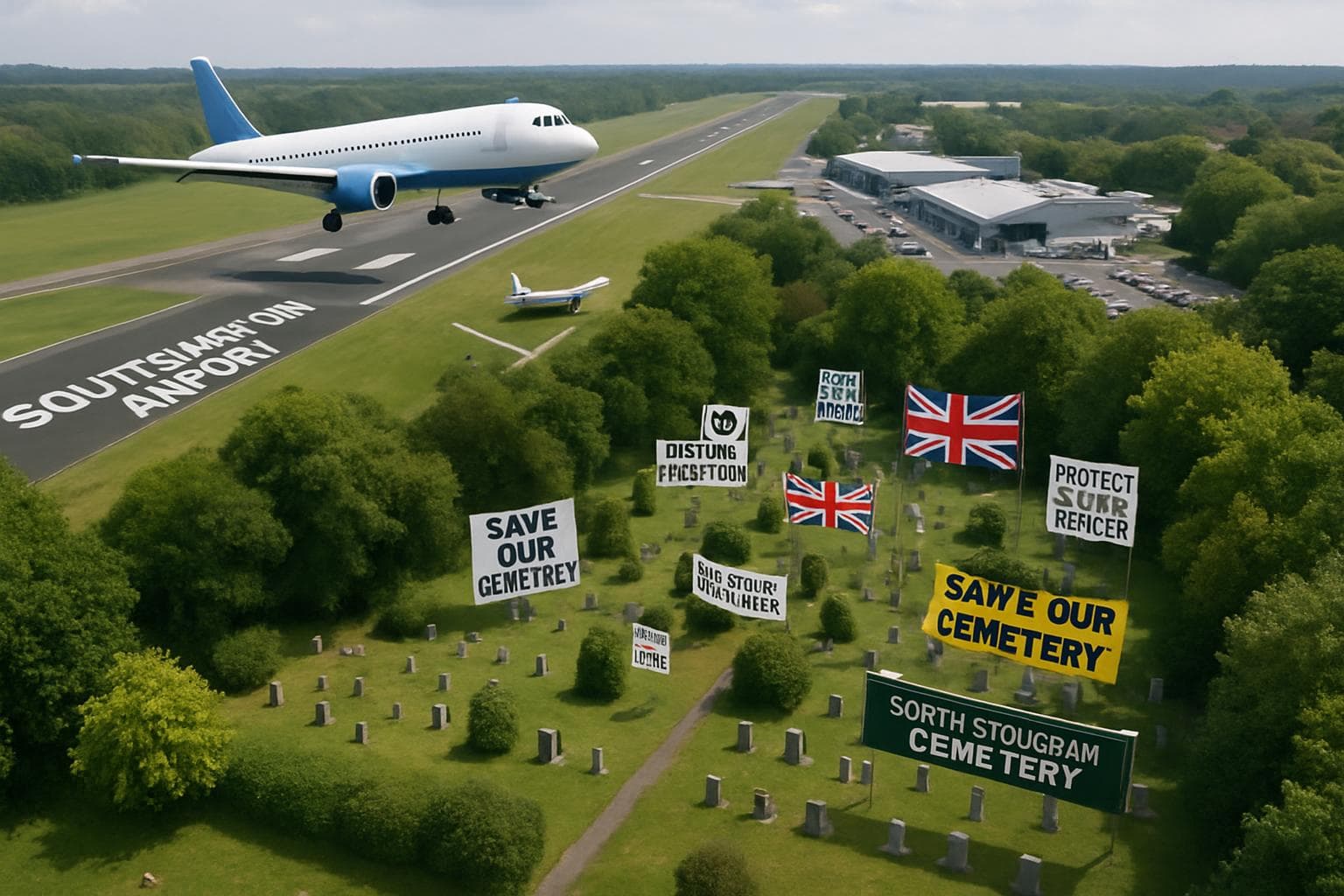
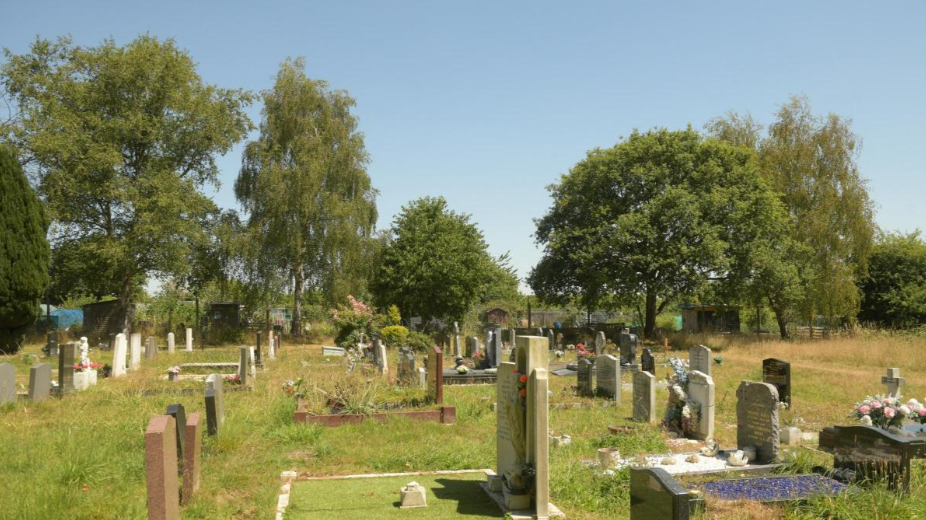
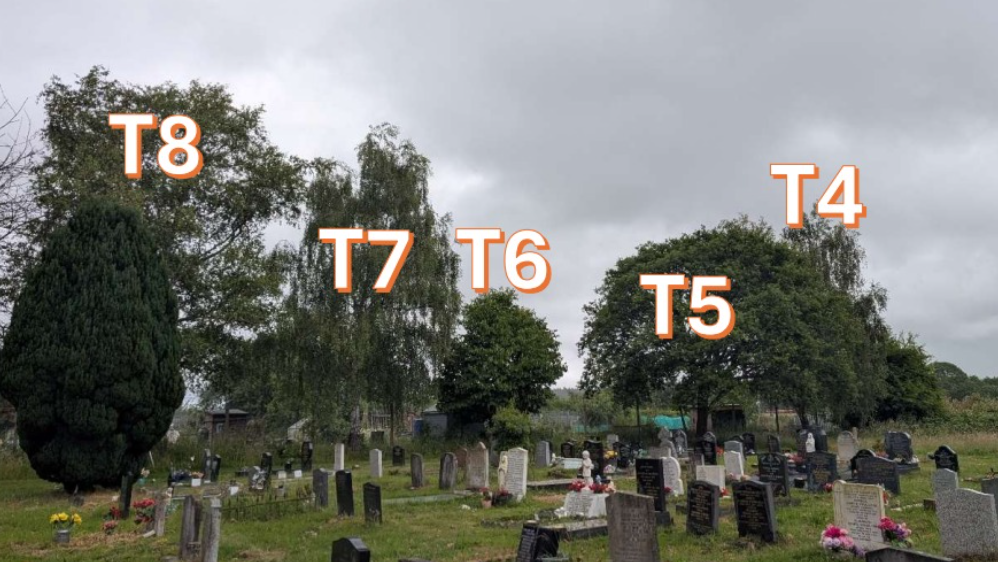
Southampton City Council has granted Southampton Airport the controversial permission to cut down 19 trees in the historic South Stoneham Cemetery, a decision driven by aviation safety concerns but met with significant public opposition. The council's cabinet approved the plan, which also includes trimming an additional 10 trees, despite protests from environmental groups and local residents who argue that the trees are vital for biodiversity and community heritage.
Balancing Safety and Environmental Concerns
The airport's request to fell the trees stems from the need to maintain a clear airspace for aircraft, as the trees have been identified by the Civil Aviation Authority (CAA) as obstacles. According to Gavin Williams, the airport's managing director, the current situation imposes weight restrictions on aircraft, hindering the airport's competitiveness and economic viability. "This is about unlocking substantial economic benefits and employment for the region," Williams stated.
However, the decision has not been taken lightly. Councillor Sarah Bogle acknowledged the challenge of balancing economic and environmental factors, emphasizing the city's commitment to green policies. "On balance, we think having a viable regional airport is actually something in our economic interest as a city and a region," she said.
Community and Environmental Backlash
The decision has drawn criticism from various quarters, including the Green Party and local environmental groups. Katherine Barbour, leader of the Green Party group on the council, expressed deep concern over the potential loss of biodiversity and heritage. "These trees provide invaluable habitat, help combat air pollution, and are a vital part of our community’s character," she remarked.
More than 800 people have signed a petition opposing the tree removal, highlighting the cemetery's role as a sanctuary for wildlife and a place of solace for many. Liz Batten from Transition Southampton voiced frustration, stating, "You’d think a city council like Southampton’s would have taken things gently."
Mitigation and Future Plans
In response to the backlash, Southampton Airport has proposed a comprehensive mitigation strategy. This includes a four-to-one tree replacement plan, the creation of an urban wildflower meadow, and refurbishment of the cemetery chapel. The airport also plans to enhance biodiversity by planting new hedgerows and meadows across Southampton.
WHAT THIS MIGHT MEAN
The decision to fell trees in South Stoneham Cemetery could set a precedent for future conflicts between economic development and environmental preservation. If the mitigation measures prove successful, it might ease public concerns and serve as a model for balancing such interests. However, continued opposition could lead to further scrutiny of the council's decisions, potentially influencing future policy-making. As environmental awareness grows, the pressure on local governments to prioritize sustainability over economic gains is likely to intensify, prompting a reevaluation of development strategies in sensitive areas.
Images from the Web
Related Articles

UK Government to Reform Asylum Seeker Support and Employment Policies
UK Faces Rising Youth Unemployment Amid Minimum Wage and Interest Rate Debates

Government U-turn on Local Election Delays Sparks Political Fallout

Keir Starmer Faces Intense Scrutiny Over Mandelson Appointment Amid Scandal

Green Party Leader Calls for Drug Policy Reform with Public Health Focus

Gorton and Denton By-Election: A Crucial Political Contest Unfolds
Southampton Airport Granted Permission to Fell Cemetery Trees Amidst Public Outcry
In This Article
 Leila Hassan| Published
 HIGHLIGHTS
- Southampton City Council has approved Southampton Airport's request to fell 19 trees in South Stoneham Cemetery, citing aviation safety concerns.
- The decision has sparked opposition from environmental groups and local residents, who argue it threatens biodiversity and community heritage.
- The airport plans a mitigation strategy, including a four-to-one tree replacement and creating an urban wildflower meadow.
- Critics, including the Green Party, emphasize the importance of mature trees for air quality and urban cooling.
- The airport asserts that the trees pose a hazard to aircraft, impacting its operational viability and economic potential.
Southampton City Council has granted Southampton Airport the controversial permission to cut down 19 trees in the historic South Stoneham Cemetery, a decision driven by aviation safety concerns but met with significant public opposition. The council's cabinet approved the plan, which also includes trimming an additional 10 trees, despite protests from environmental groups and local residents who argue that the trees are vital for biodiversity and community heritage.
Balancing Safety and Environmental Concerns
The airport's request to fell the trees stems from the need to maintain a clear airspace for aircraft, as the trees have been identified by the Civil Aviation Authority (CAA) as obstacles. According to Gavin Williams, the airport's managing director, the current situation imposes weight restrictions on aircraft, hindering the airport's competitiveness and economic viability. "This is about unlocking substantial economic benefits and employment for the region," Williams stated.
However, the decision has not been taken lightly. Councillor Sarah Bogle acknowledged the challenge of balancing economic and environmental factors, emphasizing the city's commitment to green policies. "On balance, we think having a viable regional airport is actually something in our economic interest as a city and a region," she said.
Community and Environmental Backlash
The decision has drawn criticism from various quarters, including the Green Party and local environmental groups. Katherine Barbour, leader of the Green Party group on the council, expressed deep concern over the potential loss of biodiversity and heritage. "These trees provide invaluable habitat, help combat air pollution, and are a vital part of our community’s character," she remarked.
More than 800 people have signed a petition opposing the tree removal, highlighting the cemetery's role as a sanctuary for wildlife and a place of solace for many. Liz Batten from Transition Southampton voiced frustration, stating, "You’d think a city council like Southampton’s would have taken things gently."
Mitigation and Future Plans
In response to the backlash, Southampton Airport has proposed a comprehensive mitigation strategy. This includes a four-to-one tree replacement plan, the creation of an urban wildflower meadow, and refurbishment of the cemetery chapel. The airport also plans to enhance biodiversity by planting new hedgerows and meadows across Southampton.
WHAT THIS MIGHT MEAN
The decision to fell trees in South Stoneham Cemetery could set a precedent for future conflicts between economic development and environmental preservation. If the mitigation measures prove successful, it might ease public concerns and serve as a model for balancing such interests. However, continued opposition could lead to further scrutiny of the council's decisions, potentially influencing future policy-making. As environmental awareness grows, the pressure on local governments to prioritize sustainability over economic gains is likely to intensify, prompting a reevaluation of development strategies in sensitive areas.
Images from the Web
Related Articles
UK Government to Reform Asylum Seeker Support and Employment Policies
UK Faces Rising Youth Unemployment Amid Minimum Wage and Interest Rate Debates
Government U-turn on Local Election Delays Sparks Political Fallout
Keir Starmer Faces Intense Scrutiny Over Mandelson Appointment Amid Scandal
Green Party Leader Calls for Drug Policy Reform with Public Health Focus
Gorton and Denton By-Election: A Crucial Political Contest Unfolds