
Starmer's Vision for NHS: A Shift Towards Community and Technology
In This Article
HIGHLIGHTS
- Keir Starmer has unveiled a 10-year plan to transform the NHS in England, focusing on community health hubs and preventative care.
- The plan includes integrating technology, such as an expanded NHS app, to provide 24-hour healthcare access.
- Scotland's NHS strategy shares similar themes, emphasizing local care and digital solutions, but differs in execution and funding.
- NHS staff pay rises differ between Scotland and England, with Scotland offering a higher increase, impacting recruitment and retention.
- Both NHS systems face significant challenges, including long waiting times and increased private healthcare usage.
In a bold move to reshape the National Health Service (NHS) in England, Prime Minister Keir Starmer has announced a comprehensive 10-year plan aimed at transitioning the service from a "sickness service" to a "health service." This ambitious strategy emphasizes the establishment of community health hubs, a focus on preventative care, and the integration of advanced technology.
Community Health Hubs and Preventative Care
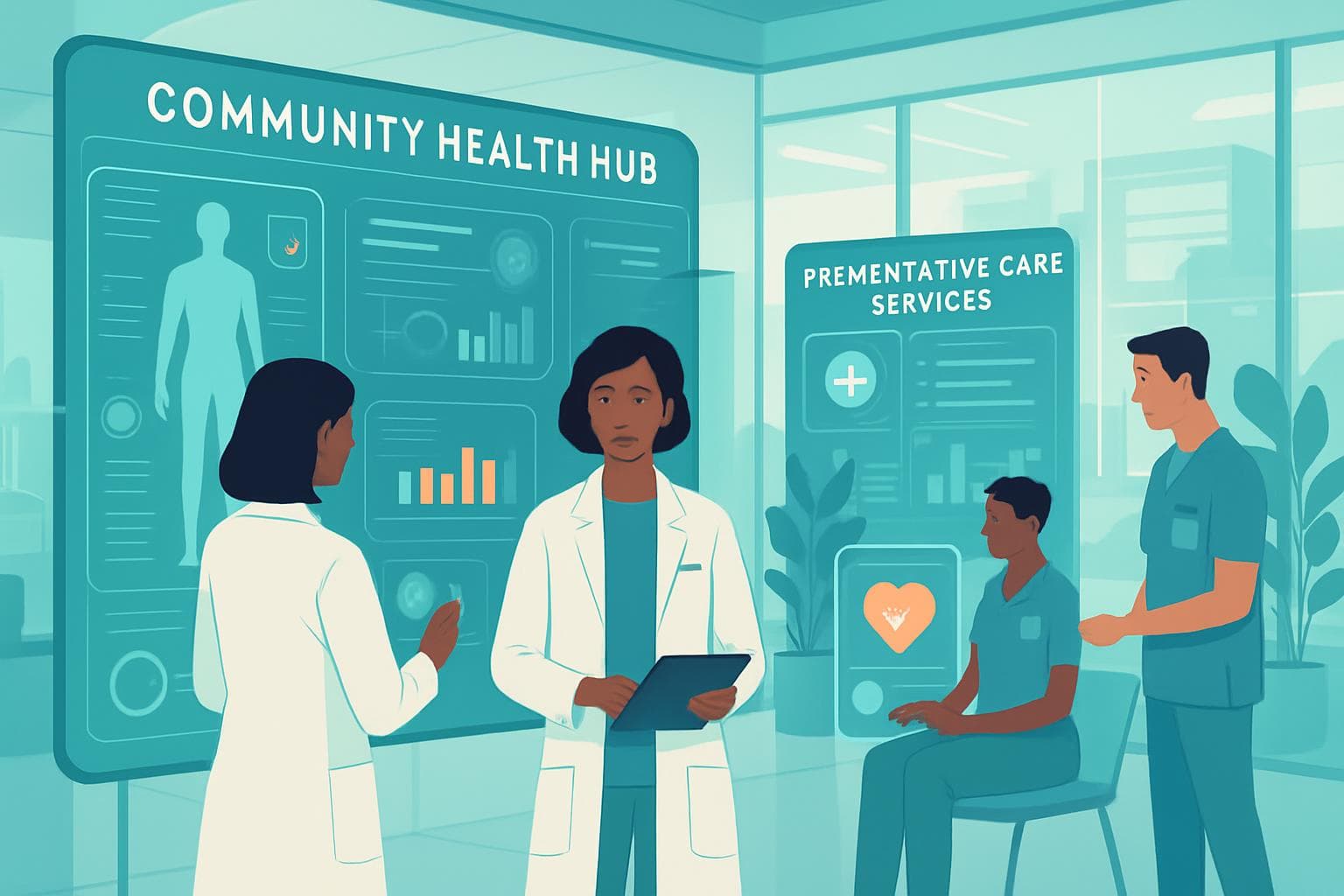
Starmer's plan, detailed in a 165-page document, proposes a significant shift from hospital-centric care to community-based health services. These hubs are designed to provide a range of healthcare services closer to patients' homes, operating six days a week for 12 hours a day. This approach mirrors Scotland's existing community health centers, which already offer local tests, vaccines, and minor procedures.
The strategy also prioritizes preventative health measures, including early diagnosis, screenings, and lifestyle-based interventions. Starmer envisions a future where the NHS focuses on preventing diseases rather than merely treating them, aligning with Scotland's similar emphasis on moving care closer to home.
Embracing Digital Healthcare
A cornerstone of Starmer's plan is the integration of digital healthcare solutions. The proposed expansion of the NHS app aims to provide patients with 24-hour access to healthcare services, effectively putting "a doctor in your pocket." This digital transformation is echoed in Scotland's forthcoming "Digital Front Door" app, although it will initially offer limited functionalities.
Funding and Workforce Challenges
Despite these innovative proposals, both the English and Scottish NHS systems face significant challenges. In Scotland, NHS staff, excluding doctors and dentists, have secured a 4.25% pay rise, compared to the 3.6% offered in England and Wales. This disparity could impact recruitment and retention efforts, as no additional funding from Westminster is expected to cover the increase.
Moreover, both systems are grappling with long waiting times and increased reliance on private healthcare. In Scotland, delayed discharges and record-high cancer waiting times have prompted warnings from medical professionals about the NHS's sustainability.
Political and Social Implications
Starmer's plan has been framed as a crucial opportunity to save the NHS from what he describes as an "existential brink" after years of neglect. He asserts that only a Labour government can implement the necessary radical transformation to maintain the NHS as a taxpayer-funded model of care.
WHAT THIS MIGHT MEAN
As Starmer's NHS reform plan unfolds, its success will largely depend on effective implementation and adequate funding. The integration of technology and community-based care could significantly improve patient outcomes if executed well. However, the disparity in staff pay and the ongoing challenges of long waiting times and private healthcare reliance may pose significant hurdles.
Politically, this plan positions Labour as the party committed to revitalizing the NHS, potentially influencing voter sentiment in upcoming elections. If successful, Starmer's reforms could set a precedent for healthcare systems worldwide, emphasizing the importance of preventative care and digital integration in modern healthcare.
Related Articles

Saharan Dust to Illuminate UK Skies with Vivid Sunrises and Sunsets

Labour MP's Husband Arrested in UK-China Espionage Probe

Sisters Tragically Drown at Eryri National Park's Watkin Path

UK Faces Dilemmas Amid Iran Conflict and China Spying Allegations

Police Federation Chief Arrested Amid Fraud Investigation

UK-Iran Tensions: Starmer Defends Cautious Approach Amid Trump Criticism
Starmer's Vision for NHS: A Shift Towards Community and Technology
In This Article
 Maya Singh| Published
 HIGHLIGHTS
- Keir Starmer has unveiled a 10-year plan to transform the NHS in England, focusing on community health hubs and preventative care.
- The plan includes integrating technology, such as an expanded NHS app, to provide 24-hour healthcare access.
- Scotland's NHS strategy shares similar themes, emphasizing local care and digital solutions, but differs in execution and funding.
- NHS staff pay rises differ between Scotland and England, with Scotland offering a higher increase, impacting recruitment and retention.
- Both NHS systems face significant challenges, including long waiting times and increased private healthcare usage.
In a bold move to reshape the National Health Service (NHS) in England, Prime Minister Keir Starmer has announced a comprehensive 10-year plan aimed at transitioning the service from a "sickness service" to a "health service." This ambitious strategy emphasizes the establishment of community health hubs, a focus on preventative care, and the integration of advanced technology.
Community Health Hubs and Preventative Care
Starmer's plan, detailed in a 165-page document, proposes a significant shift from hospital-centric care to community-based health services. These hubs are designed to provide a range of healthcare services closer to patients' homes, operating six days a week for 12 hours a day. This approach mirrors Scotland's existing community health centers, which already offer local tests, vaccines, and minor procedures.
The strategy also prioritizes preventative health measures, including early diagnosis, screenings, and lifestyle-based interventions. Starmer envisions a future where the NHS focuses on preventing diseases rather than merely treating them, aligning with Scotland's similar emphasis on moving care closer to home.
Embracing Digital Healthcare
A cornerstone of Starmer's plan is the integration of digital healthcare solutions. The proposed expansion of the NHS app aims to provide patients with 24-hour access to healthcare services, effectively putting "a doctor in your pocket." This digital transformation is echoed in Scotland's forthcoming "Digital Front Door" app, although it will initially offer limited functionalities.
Funding and Workforce Challenges
Despite these innovative proposals, both the English and Scottish NHS systems face significant challenges. In Scotland, NHS staff, excluding doctors and dentists, have secured a 4.25% pay rise, compared to the 3.6% offered in England and Wales. This disparity could impact recruitment and retention efforts, as no additional funding from Westminster is expected to cover the increase.
Moreover, both systems are grappling with long waiting times and increased reliance on private healthcare. In Scotland, delayed discharges and record-high cancer waiting times have prompted warnings from medical professionals about the NHS's sustainability.
Political and Social Implications
Starmer's plan has been framed as a crucial opportunity to save the NHS from what he describes as an "existential brink" after years of neglect. He asserts that only a Labour government can implement the necessary radical transformation to maintain the NHS as a taxpayer-funded model of care.
WHAT THIS MIGHT MEAN
As Starmer's NHS reform plan unfolds, its success will largely depend on effective implementation and adequate funding. The integration of technology and community-based care could significantly improve patient outcomes if executed well. However, the disparity in staff pay and the ongoing challenges of long waiting times and private healthcare reliance may pose significant hurdles.
Politically, this plan positions Labour as the party committed to revitalizing the NHS, potentially influencing voter sentiment in upcoming elections. If successful, Starmer's reforms could set a precedent for healthcare systems worldwide, emphasizing the importance of preventative care and digital integration in modern healthcare.
Related Articles
Saharan Dust to Illuminate UK Skies with Vivid Sunrises and Sunsets
Labour MP's Husband Arrested in UK-China Espionage Probe
Sisters Tragically Drown at Eryri National Park's Watkin Path
UK Faces Dilemmas Amid Iran Conflict and China Spying Allegations
Police Federation Chief Arrested Amid Fraud Investigation
UK-Iran Tensions: Starmer Defends Cautious Approach Amid Trump Criticism