
Tensions Rise as Sydney Protests Against Israeli President's Visit Turn Violent
In This Article
HIGHLIGHTS
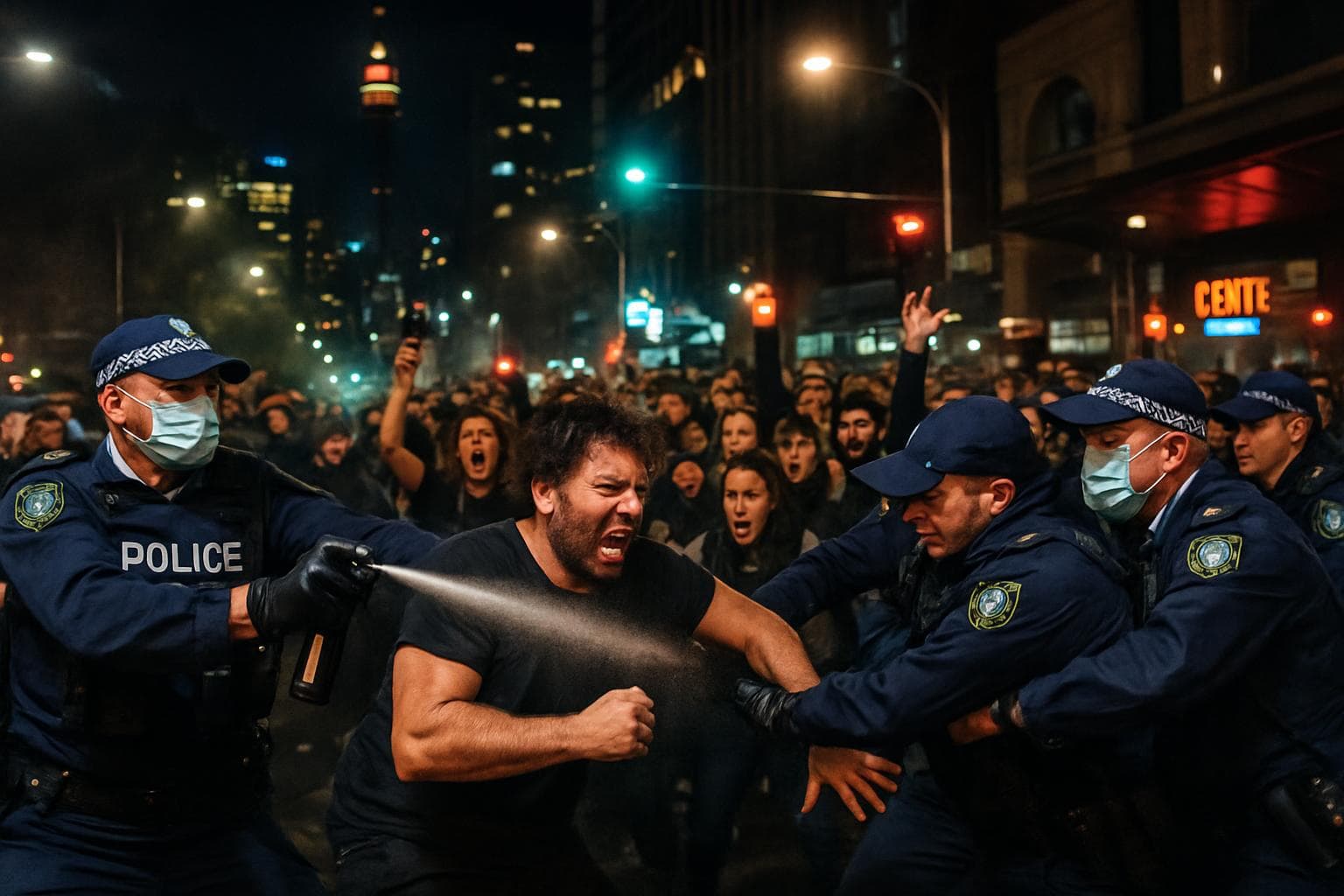
- NSW police faced criticism for their handling of protests against Israeli President Isaac Herzog's visit, with footage showing officers punching and pepper-spraying protesters.
- The protests were sparked by Herzog's visit following a deadly antisemitic attack in Bondi, with demonstrators defying restrictions that banned marching in certain areas.
- NSW Premier Chris Minns defended the police, citing an "impossible situation" due to anti-protest laws enacted after the Bondi attack.
- The Palestine Action Group lost a legal challenge against the sweeping police powers granted for Herzog's visit, which included the ability to disperse crowds and restrict movement.
- Muslim groups and some MPs have called for apologies and accountability, alleging excessive force and targeting of peaceful worshippers during the protests.
The visit of Israeli President Isaac Herzog to Sydney has ignited significant controversy and unrest, culminating in violent clashes between protesters and police. The demonstrations, which took place on Monday night, were marked by scenes of chaos as officers were seen punching and pepper-spraying protesters, including those engaged in prayer.
Background and Legal Context
The protests were organized in response to Herzog's visit, which followed a tragic antisemitic attack in Bondi that claimed 15 lives during a Hanukkah celebration. The New South Wales (NSW) government had introduced stringent protest restrictions, citing security concerns. These measures, enacted after the Bondi attack, effectively banned marching in designated areas, leading to heightened tensions.
Police Response and Public Reaction
NSW Premier Chris Minns defended the police actions, describing the situation as "impossible" due to the large number of protesters and the restrictions in place. "We had to keep the public safe," Minns stated, emphasizing the need for order amidst the chaos. However, footage of the police response, including the use of pepper spray and physical force, has drawn widespread criticism.
Legal Challenges and Community Outcry
The Palestine Action Group, which organized the protests, unsuccessfully challenged the police powers in court. The legal defeat allowed police to maintain control over the protest areas, with the authority to disperse crowds and prevent marches. Despite the legal setback, community leaders and Muslim organizations have condemned the police's actions, calling for apologies and accountability.
Voices from the Protest
Among the demonstrators was Sheikh Wesam Charkawi, who led a group in prayer during the protest. He described the police response as "unhinged" and "aggressive," recounting how officers disrupted their peaceful worship. "We were simply making our prayers," Charkawi said, highlighting the tension between the protesters' intentions and the police's actions.
WHAT THIS MIGHT MEAN
The fallout from the Sydney protests could have significant legal and political implications. The NSW government's handling of the situation, particularly the use of sweeping police powers, may face further scrutiny and legal challenges. Additionally, the incident has sparked a broader debate on the balance between security and the right to protest, potentially influencing future legislation.
Politically, the events may impact Premier Chris Minns and his administration, as public opinion weighs in on the perceived overreach of police authority. The protests have also highlighted underlying tensions within the community, suggesting a need for dialogue and reconciliation to address grievances and prevent future conflicts.
Related Articles
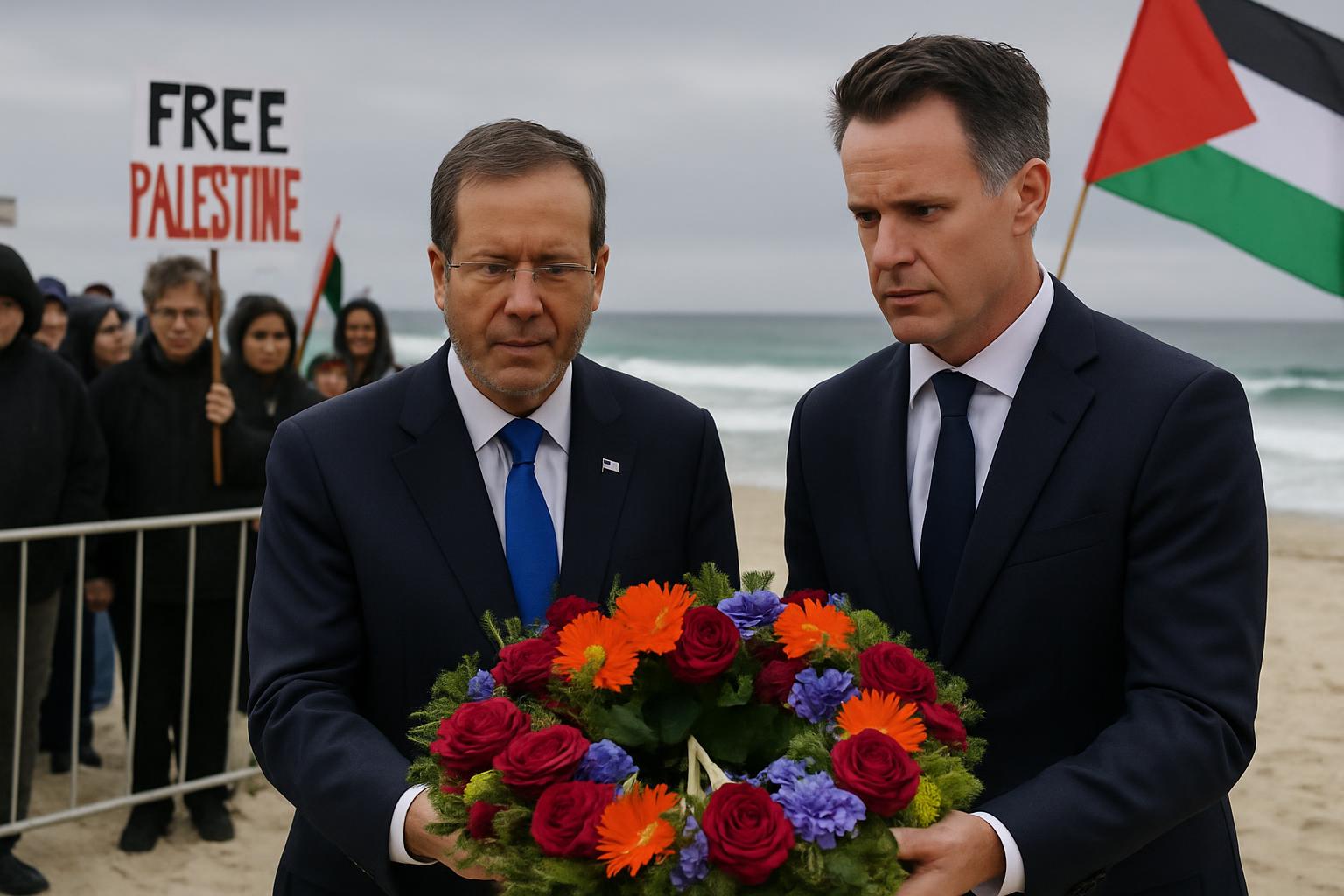
Israeli President Herzog's Visit to Australia Sparks Controversy Amid Calls for Unity
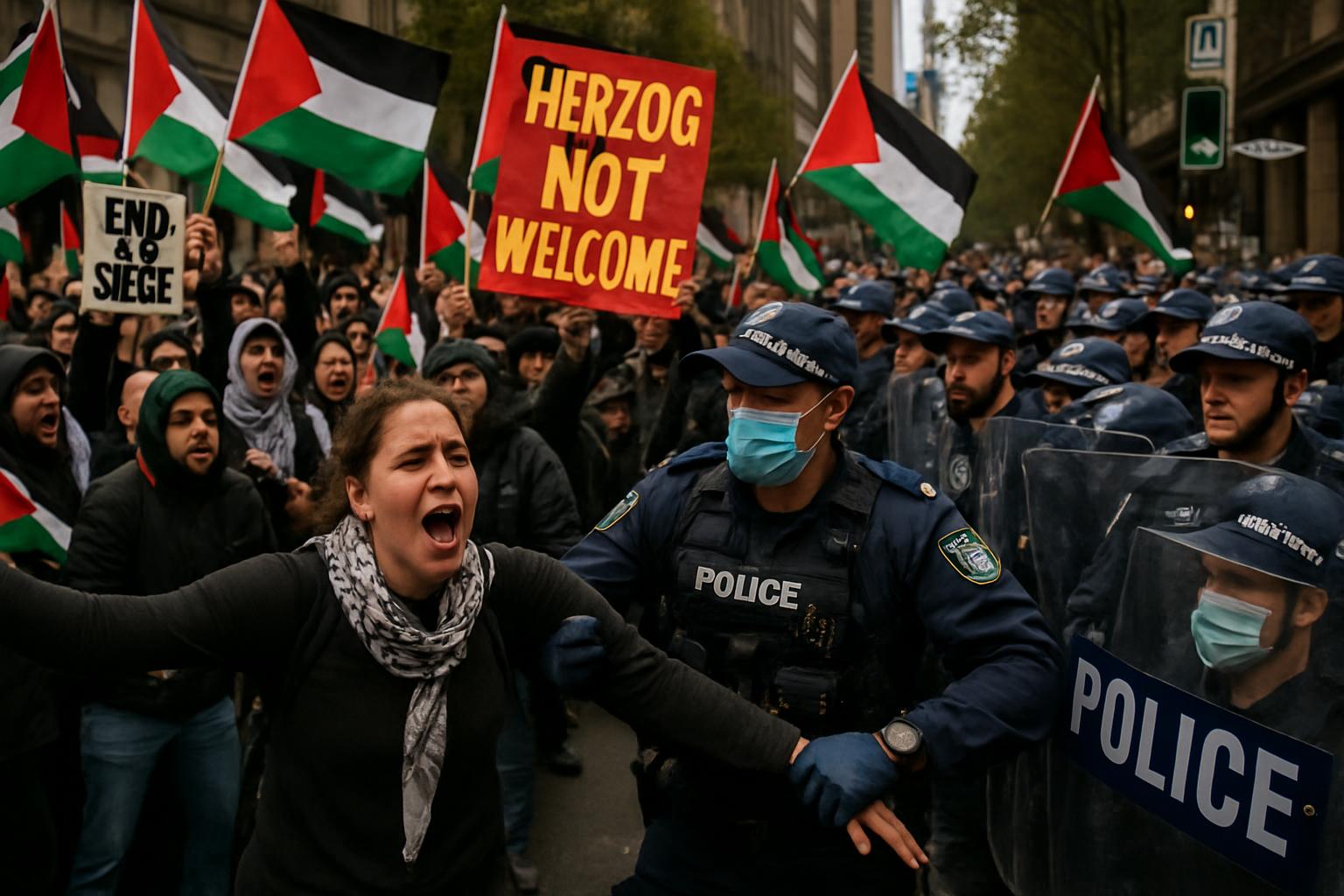
Sydney Police Under Scrutiny Following Violent Anti-Herzog Protest
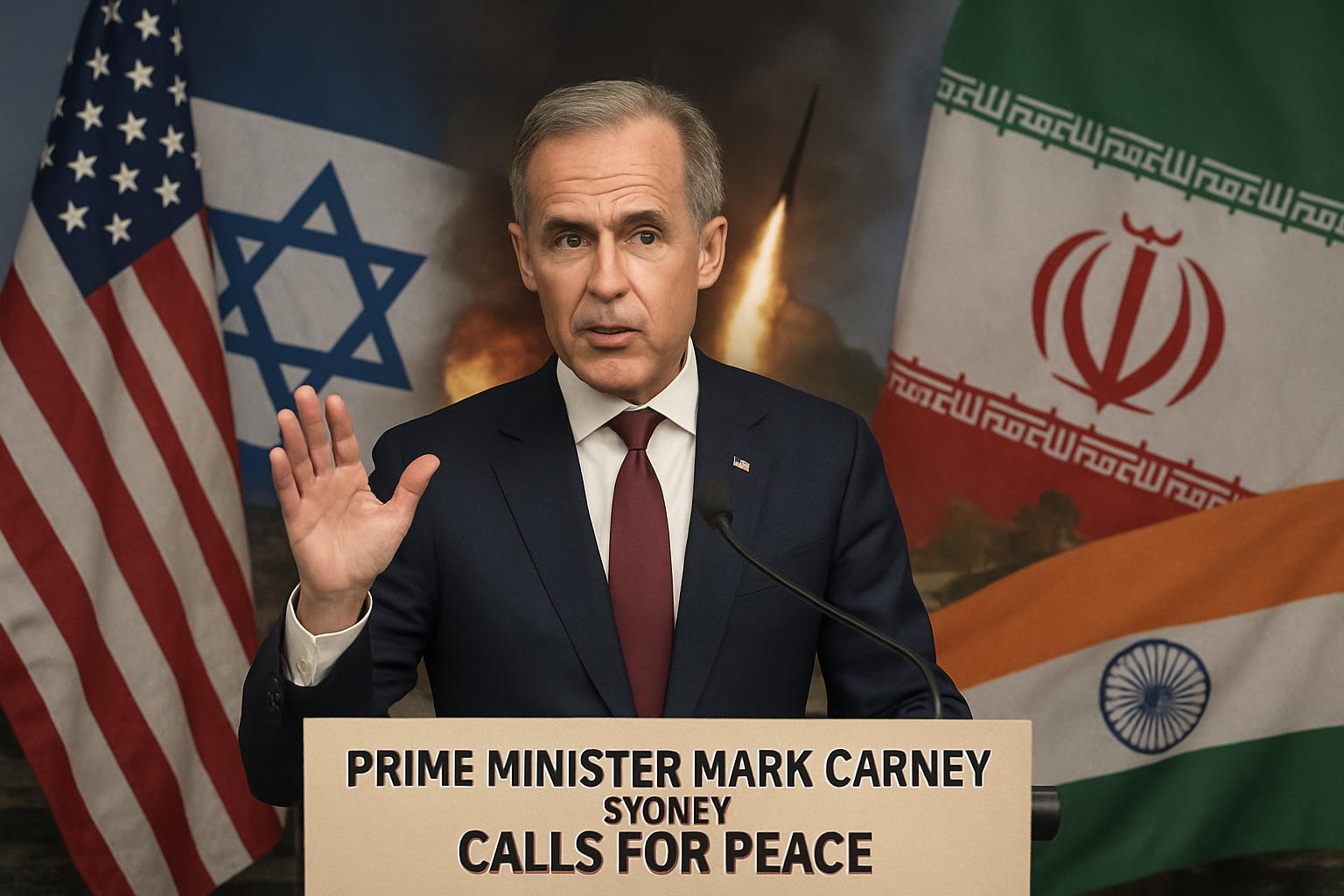
Canada Calls for De-escalation Amid US-Israel Strikes on Iran
Tragedy Strikes Lake Cargelligo: Three Dead in NSW Shooting as Gunman Remains at Large
Preserving Memories and Healing Communities: Sydney's Response to the Bondi Beach Attack
Surge in Shark Attacks Prompts New South Wales Beach Closures
Tensions Rise as Sydney Protests Against Israeli President's Visit Turn Violent
In This Article
 Ethan Brooks| Published
 HIGHLIGHTS
- NSW police faced criticism for their handling of protests against Israeli President Isaac Herzog's visit, with footage showing officers punching and pepper-spraying protesters.
- The protests were sparked by Herzog's visit following a deadly antisemitic attack in Bondi, with demonstrators defying restrictions that banned marching in certain areas.
- NSW Premier Chris Minns defended the police, citing an "impossible situation" due to anti-protest laws enacted after the Bondi attack.
- The Palestine Action Group lost a legal challenge against the sweeping police powers granted for Herzog's visit, which included the ability to disperse crowds and restrict movement.
- Muslim groups and some MPs have called for apologies and accountability, alleging excessive force and targeting of peaceful worshippers during the protests.
The visit of Israeli President Isaac Herzog to Sydney has ignited significant controversy and unrest, culminating in violent clashes between protesters and police. The demonstrations, which took place on Monday night, were marked by scenes of chaos as officers were seen punching and pepper-spraying protesters, including those engaged in prayer.
Background and Legal Context
The protests were organized in response to Herzog's visit, which followed a tragic antisemitic attack in Bondi that claimed 15 lives during a Hanukkah celebration. The New South Wales (NSW) government had introduced stringent protest restrictions, citing security concerns. These measures, enacted after the Bondi attack, effectively banned marching in designated areas, leading to heightened tensions.
Police Response and Public Reaction
NSW Premier Chris Minns defended the police actions, describing the situation as "impossible" due to the large number of protesters and the restrictions in place. "We had to keep the public safe," Minns stated, emphasizing the need for order amidst the chaos. However, footage of the police response, including the use of pepper spray and physical force, has drawn widespread criticism.
Legal Challenges and Community Outcry
The Palestine Action Group, which organized the protests, unsuccessfully challenged the police powers in court. The legal defeat allowed police to maintain control over the protest areas, with the authority to disperse crowds and prevent marches. Despite the legal setback, community leaders and Muslim organizations have condemned the police's actions, calling for apologies and accountability.
Voices from the Protest
Among the demonstrators was Sheikh Wesam Charkawi, who led a group in prayer during the protest. He described the police response as "unhinged" and "aggressive," recounting how officers disrupted their peaceful worship. "We were simply making our prayers," Charkawi said, highlighting the tension between the protesters' intentions and the police's actions.
WHAT THIS MIGHT MEAN
The fallout from the Sydney protests could have significant legal and political implications. The NSW government's handling of the situation, particularly the use of sweeping police powers, may face further scrutiny and legal challenges. Additionally, the incident has sparked a broader debate on the balance between security and the right to protest, potentially influencing future legislation.
Politically, the events may impact Premier Chris Minns and his administration, as public opinion weighs in on the perceived overreach of police authority. The protests have also highlighted underlying tensions within the community, suggesting a need for dialogue and reconciliation to address grievances and prevent future conflicts.
Related Articles
Israeli President Herzog's Visit to Australia Sparks Controversy Amid Calls for Unity
Sydney Police Under Scrutiny Following Violent Anti-Herzog Protest
Canada Calls for De-escalation Amid US-Israel Strikes on Iran
Tragedy Strikes Lake Cargelligo: Three Dead in NSW Shooting as Gunman Remains at Large
Preserving Memories and Healing Communities: Sydney's Response to the Bondi Beach Attack
Surge in Shark Attacks Prompts New South Wales Beach Closures