
Australia Braces for Catastrophic Fire Conditions Amid Severe Heatwave

In This Article
HIGHLIGHTS
- Australia is experiencing its most severe heatwave since the 2019-2020 Black Summer, with temperatures exceeding 40C in several states.
- Catastrophic fire conditions have been declared in Victoria, prompting the closure of 450 schools and childcare centers.
- Firefighters are battling multiple blazes across Victoria and New South Wales, with emergency warnings issued for several areas.
- The Bureau of Meteorology warns of worsening conditions, with strong winds and dry lightning strikes expected to exacerbate fire risks.
- Health officials caution against heat-related illnesses, urging residents to stay hydrated and indoors during peak heat hours.
Australia is currently facing its most intense heatwave since the devastating Black Summer bushfires of 2019-2020, with temperatures soaring above 40 degrees Celsius across multiple states. The Bureau of Meteorology has issued severe to extreme heatwave warnings, affecting regions from Western Australia to Tasmania.
Rising Temperatures and Fire Risks
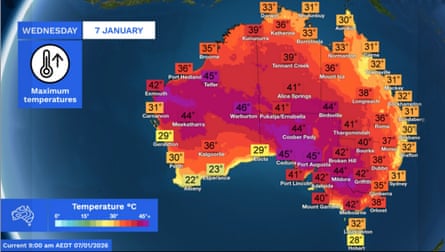
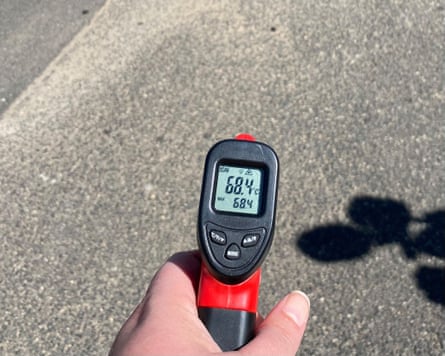
The state of Victoria has declared a catastrophic fire danger for Friday, leading to the closure of 450 schools and childcare centers. Melbourne recorded its hottest day in six years at 40.9C, while some coastal towns in Western Australia reached a sweltering 49C. The heatwave is expected to peak on Friday, with Sydney facing temperatures of 42C and parts of South Australia and Western Australia also experiencing extreme heat.
"This is not just a normal burst of summer heat," said Miriam Bradbury, a senior meteorologist. "These are really dangerous conditions." The combination of high temperatures, strong winds, and dry lightning poses a significant threat, reminiscent of the Black Summer fires that claimed dozens of lives and scorched vast areas of land.
Firefighting Efforts and Community Warnings
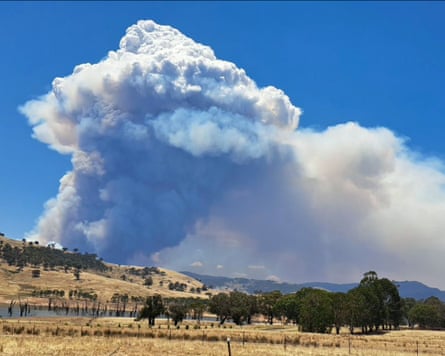
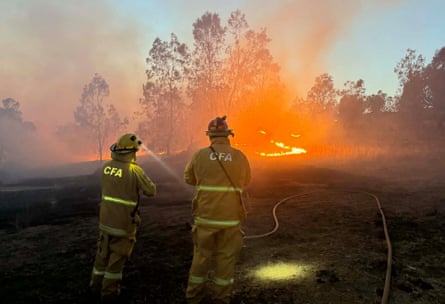
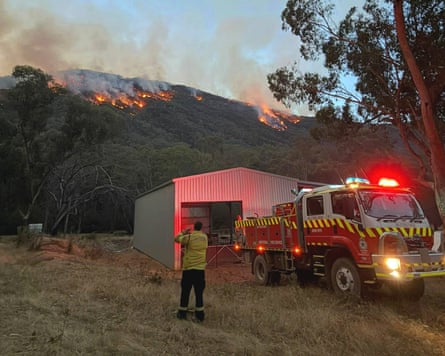
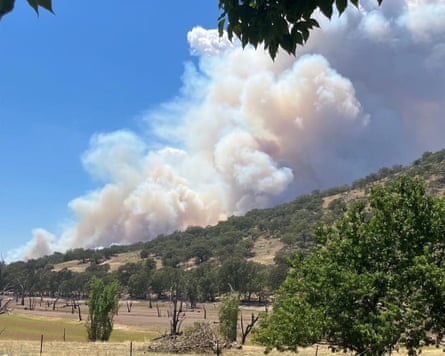
Firefighters are actively battling several blazes in Victoria and New South Wales. In Victoria's north-east, residents in areas like Bungil and Granya have been urged to evacuate due to uncontrolled fires. Over 300 firefighters, supported by aircraft and bulldozers, are working tirelessly to contain the flames.
Victoria's Emergency Management Commissioner, Tim Wiebusch, emphasized the unpredictability of fires under catastrophic conditions. "We need the community to play their role alongside our emergency services to protect lives and property," he stated, urging residents to enact their bushfire survival plans.
Health Concerns Amid Extreme Heat
Health officials are warning of the dangers posed by the extreme heat, often referred to as Australia's "silent killer." Dr. Kim Loo from the Royal Australian College of General Practitioners highlighted the risk of heat-related illnesses, which can range from heat stress to life-threatening heatstroke. Residents are advised to stay hydrated, avoid outdoor activities during peak heat hours, and check on vulnerable individuals.
The executive director of Sweltering Cities, Emma Bacon, has called for the suspension of mutual obligations for jobseekers, citing the dangerous conditions. "The government must act to make it clear that people should be putting their health and safety first," she urged.
WHAT THIS MIGHT MEAN
As Australia grapples with this severe heatwave, the potential for catastrophic bushfires looms large. The combination of high temperatures, strong winds, and dry conditions could lead to unpredictable and uncontrollable fires, posing significant risks to communities and wildlife. Authorities are on high alert, with emergency services prepared for rapid response.
The current situation underscores the urgent need for robust climate adaptation strategies to mitigate the impacts of extreme weather events. Experts warn that such heatwaves may become more frequent and intense due to climate change, necessitating comprehensive planning and community engagement to enhance resilience.
In the coming days, the focus will remain on firefighting efforts and public safety measures. The government's response to the heatwave, including potential policy adjustments and support for affected communities, will be critical in managing the immediate crisis and preparing for future challenges.
Images from the Web



Related Articles

Israeli President Herzog's Visit to Australia Sparks Controversy Amid Calls for Unity

Canada Calls for De-escalation Amid US-Israel Strikes on Iran

Tensions Rise as Sydney Protests Against Israeli President's Visit Turn Violent

Canada and Australia Forge Strategic Partnership Amid Global Uncertainty

Trump's New Tariff Strategy Sparks Global Trade Uncertainty

Trump Raises Import Tariffs to 15% After Supreme Court Setback
Australia Braces for Catastrophic Fire Conditions Amid Severe Heatwave
In This Article
 Leila Hassan| Published
 HIGHLIGHTS
- Australia is experiencing its most severe heatwave since the 2019-2020 Black Summer, with temperatures exceeding 40C in several states.
- Catastrophic fire conditions have been declared in Victoria, prompting the closure of 450 schools and childcare centers.
- Firefighters are battling multiple blazes across Victoria and New South Wales, with emergency warnings issued for several areas.
- The Bureau of Meteorology warns of worsening conditions, with strong winds and dry lightning strikes expected to exacerbate fire risks.
- Health officials caution against heat-related illnesses, urging residents to stay hydrated and indoors during peak heat hours.
Australia is currently facing its most intense heatwave since the devastating Black Summer bushfires of 2019-2020, with temperatures soaring above 40 degrees Celsius across multiple states. The Bureau of Meteorology has issued severe to extreme heatwave warnings, affecting regions from Western Australia to Tasmania.
Rising Temperatures and Fire Risks
The state of Victoria has declared a catastrophic fire danger for Friday, leading to the closure of 450 schools and childcare centers. Melbourne recorded its hottest day in six years at 40.9C, while some coastal towns in Western Australia reached a sweltering 49C. The heatwave is expected to peak on Friday, with Sydney facing temperatures of 42C and parts of South Australia and Western Australia also experiencing extreme heat.
"This is not just a normal burst of summer heat," said Miriam Bradbury, a senior meteorologist. "These are really dangerous conditions." The combination of high temperatures, strong winds, and dry lightning poses a significant threat, reminiscent of the Black Summer fires that claimed dozens of lives and scorched vast areas of land.
Firefighting Efforts and Community Warnings
Firefighters are actively battling several blazes in Victoria and New South Wales. In Victoria's north-east, residents in areas like Bungil and Granya have been urged to evacuate due to uncontrolled fires. Over 300 firefighters, supported by aircraft and bulldozers, are working tirelessly to contain the flames.
Victoria's Emergency Management Commissioner, Tim Wiebusch, emphasized the unpredictability of fires under catastrophic conditions. "We need the community to play their role alongside our emergency services to protect lives and property," he stated, urging residents to enact their bushfire survival plans.
Health Concerns Amid Extreme Heat
Health officials are warning of the dangers posed by the extreme heat, often referred to as Australia's "silent killer." Dr. Kim Loo from the Royal Australian College of General Practitioners highlighted the risk of heat-related illnesses, which can range from heat stress to life-threatening heatstroke. Residents are advised to stay hydrated, avoid outdoor activities during peak heat hours, and check on vulnerable individuals.
The executive director of Sweltering Cities, Emma Bacon, has called for the suspension of mutual obligations for jobseekers, citing the dangerous conditions. "The government must act to make it clear that people should be putting their health and safety first," she urged.
WHAT THIS MIGHT MEAN
As Australia grapples with this severe heatwave, the potential for catastrophic bushfires looms large. The combination of high temperatures, strong winds, and dry conditions could lead to unpredictable and uncontrollable fires, posing significant risks to communities and wildlife. Authorities are on high alert, with emergency services prepared for rapid response.
The current situation underscores the urgent need for robust climate adaptation strategies to mitigate the impacts of extreme weather events. Experts warn that such heatwaves may become more frequent and intense due to climate change, necessitating comprehensive planning and community engagement to enhance resilience.
In the coming days, the focus will remain on firefighting efforts and public safety measures. The government's response to the heatwave, including potential policy adjustments and support for affected communities, will be critical in managing the immediate crisis and preparing for future challenges.
Images from the Web
Related Articles
Israeli President Herzog's Visit to Australia Sparks Controversy Amid Calls for Unity
Canada Calls for De-escalation Amid US-Israel Strikes on Iran
Tensions Rise as Sydney Protests Against Israeli President's Visit Turn Violent
Canada and Australia Forge Strategic Partnership Amid Global Uncertainty
Trump's New Tariff Strategy Sparks Global Trade Uncertainty
Trump Raises Import Tariffs to 15% After Supreme Court Setback