
Australia Bars IS-Linked Citizen from Returning Amidst Repatriation Debate
In This Article
HIGHLIGHTS
- Australia has issued a Temporary Exclusion Order (TEO) to one citizen among 34 women and children linked to IS, barring their return for up to two years.
- The Australian government, led by Prime Minister Anthony Albanese, refuses to assist in repatriating these citizens, citing national security concerns.
- Legal experts argue that Australia has an obligation to allow citizens to return, despite the government's stance.
- The al-Roj camp in Syria holds over 2,000 detainees from various nationalities, with conditions reported as dire.
- Opposition politicians question the selective application of the TEO, suggesting inconsistencies in the government's security assessments.
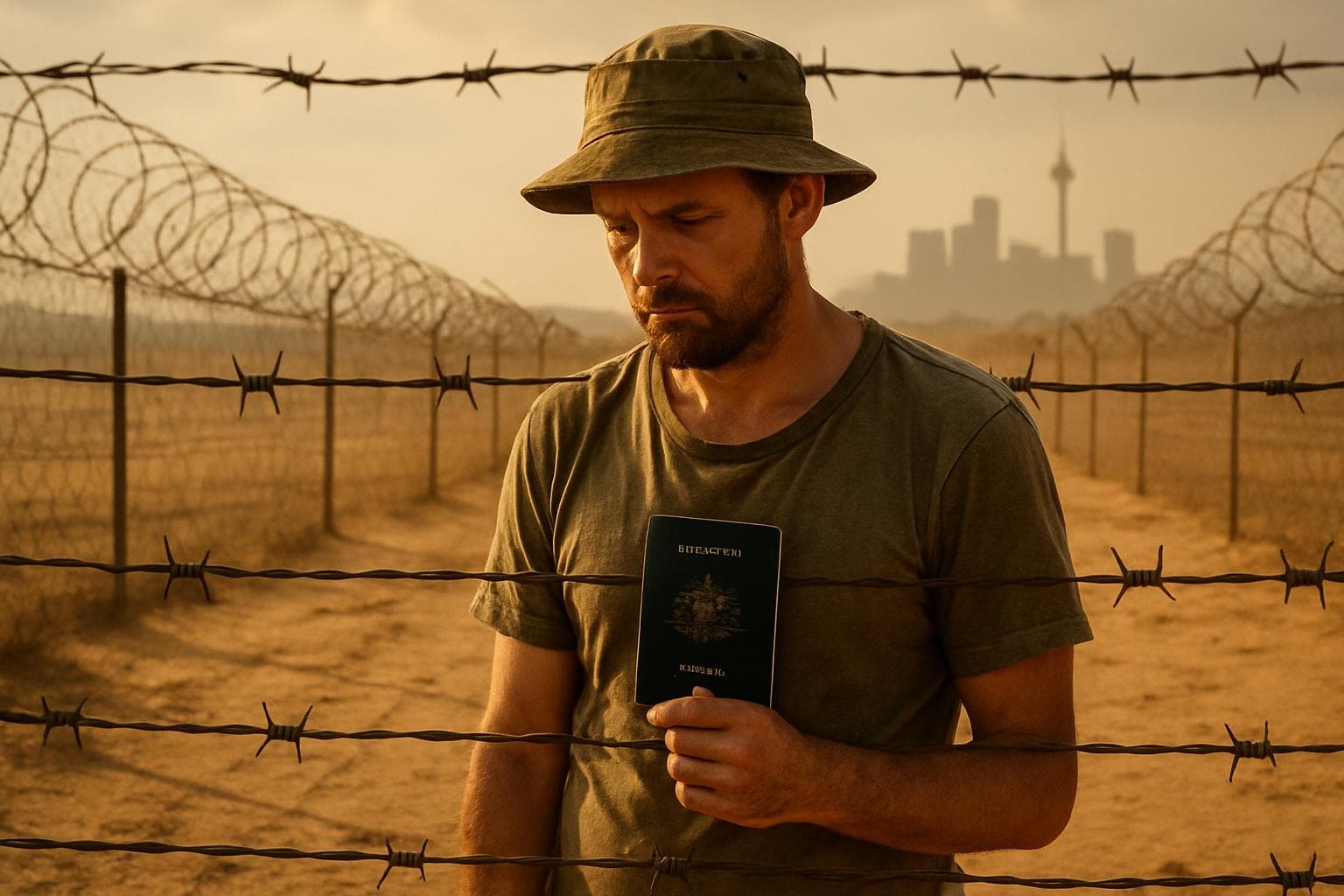
Australia has imposed a Temporary Exclusion Order (TEO) on one of its citizens linked to the Islamic State (IS), preventing their return from a Syrian detention camp for up to two years. This decision affects one individual among a group of 34 Australian women and children who were recently released from the al-Roj camp in northeastern Syria. The group, which includes 23 children, attempted to return home but faced obstacles due to "technical reasons" cited by Syrian authorities.
Government Stance on Repatriation
Prime Minister Anthony Albanese has maintained a firm stance against repatriating the group, emphasizing that the government will not provide assistance for their return. "You make your bed, you lie in it," Albanese stated, underscoring the government's view that these individuals chose to align with a "brutal, reactionary ideology." Despite reports that the group possesses valid Australian passports, Albanese insists that the government's actions comply with Australian law.
Legal and Security Concerns
Home Affairs Minister Tony Burke confirmed the issuance of the TEO, which is based on advice from security agencies. The order can be applied if there are reasonable grounds to suspect it will prevent a terrorist act or support for a terror group. However, the rest of the group has not been deemed to meet the threshold for such orders, raising questions from opposition politicians. Liberal Party Senator Jonno Duniam criticized the selective application of the TEO, questioning how only one individual could be considered a security risk.
Conditions in Syrian Camps
The al-Roj camp, where the group was detained, houses over 2,000 individuals from 40 different nationalities, primarily women and children. Conditions in the camp are reportedly dire, with detainees facing malnutrition and limited access to basic resources. The camp's director, Hakmiyeh Ibrahim, has urged countries to repatriate their citizens, highlighting the dangers of children growing up surrounded by extremist ideologies.
WHAT THIS MIGHT MEAN
The Australian government's decision to issue a TEO reflects ongoing national security concerns, yet it also raises legal and ethical questions about citizenship rights and obligations. As the debate continues, the government may face increased pressure from legal experts and human rights advocates to reassess its repatriation policies. Additionally, the situation in Syrian camps remains precarious, with international calls for action to address the humanitarian crisis. The outcome of this case could set a precedent for how Australia and other nations handle similar situations in the future.
Related Articles

Canada and Australia Forge Strategic Partnership Amid Global Uncertainty

Sussan Ley's Leadership and the Glass Cliff: A Turning Point for Australian Politics?
Angus Taylor Challenges Sussan Ley for Leadership of Australia's Liberal Party
Israeli President Herzog's Visit to Australia Sparks Controversy Amid Calls for Unity
Canada Calls for De-escalation Amid US-Israel Strikes on Iran

Trump's New Tariff Strategy Sparks Global Trade Uncertainty
Australia Bars IS-Linked Citizen from Returning Amidst Repatriation Debate
In This Article
HIGHLIGHTS
- Australia has issued a Temporary Exclusion Order (TEO) to one citizen among 34 women and children linked to IS, barring their return for up to two years.
- The Australian government, led by Prime Minister Anthony Albanese, refuses to assist in repatriating these citizens, citing national security concerns.
- Legal experts argue that Australia has an obligation to allow citizens to return, despite the government's stance.
- The al-Roj camp in Syria holds over 2,000 detainees from various nationalities, with conditions reported as dire.
- Opposition politicians question the selective application of the TEO, suggesting inconsistencies in the government's security assessments.
Australia has imposed a Temporary Exclusion Order (TEO) on one of its citizens linked to the Islamic State (IS), preventing their return from a Syrian detention camp for up to two years. This decision affects one individual among a group of 34 Australian women and children who were recently released from the al-Roj camp in northeastern Syria. The group, which includes 23 children, attempted to return home but faced obstacles due to "technical reasons" cited by Syrian authorities.
Government Stance on Repatriation
Prime Minister Anthony Albanese has maintained a firm stance against repatriating the group, emphasizing that the government will not provide assistance for their return. "You make your bed, you lie in it," Albanese stated, underscoring the government's view that these individuals chose to align with a "brutal, reactionary ideology." Despite reports that the group possesses valid Australian passports, Albanese insists that the government's actions comply with Australian law.
Legal and Security Concerns
Home Affairs Minister Tony Burke confirmed the issuance of the TEO, which is based on advice from security agencies. The order can be applied if there are reasonable grounds to suspect it will prevent a terrorist act or support for a terror group. However, the rest of the group has not been deemed to meet the threshold for such orders, raising questions from opposition politicians. Liberal Party Senator Jonno Duniam criticized the selective application of the TEO, questioning how only one individual could be considered a security risk.
Conditions in Syrian Camps
The al-Roj camp, where the group was detained, houses over 2,000 individuals from 40 different nationalities, primarily women and children. Conditions in the camp are reportedly dire, with detainees facing malnutrition and limited access to basic resources. The camp's director, Hakmiyeh Ibrahim, has urged countries to repatriate their citizens, highlighting the dangers of children growing up surrounded by extremist ideologies.
WHAT THIS MIGHT MEAN
The Australian government's decision to issue a TEO reflects ongoing national security concerns, yet it also raises legal and ethical questions about citizenship rights and obligations. As the debate continues, the government may face increased pressure from legal experts and human rights advocates to reassess its repatriation policies. Additionally, the situation in Syrian camps remains precarious, with international calls for action to address the humanitarian crisis. The outcome of this case could set a precedent for how Australia and other nations handle similar situations in the future.
Related Articles
Canada and Australia Forge Strategic Partnership Amid Global Uncertainty
Sussan Ley's Leadership and the Glass Cliff: A Turning Point for Australian Politics?
Angus Taylor Challenges Sussan Ley for Leadership of Australia's Liberal Party
Israeli President Herzog's Visit to Australia Sparks Controversy Amid Calls for Unity
Canada Calls for De-escalation Amid US-Israel Strikes on Iran
Trump's New Tariff Strategy Sparks Global Trade Uncertainty