
Australia's Coalition Reunites Amidst Hate Speech Law Dispute
In This Article
HIGHLIGHTS
- Australia's Liberal-National Coalition has reunited after a split over hate speech laws, with leaders Sussan Ley and David Littleproud announcing the agreement.
- The Coalition initially divided on January 22 due to disagreements over Labor's proposed hate speech reforms following a deadly attack at Bondi Beach.
- The Nationals abstained from voting on the reforms, citing concerns over free speech, while the Liberals supported the legislation.
- Under the new agreement, former Nationals frontbenchers will be suspended until March, with Littleproud and Kevin Hogan attending leadership meetings.
- The Coalition faces pressure from the rising populist One Nation party, which has gained traction in recent polls.
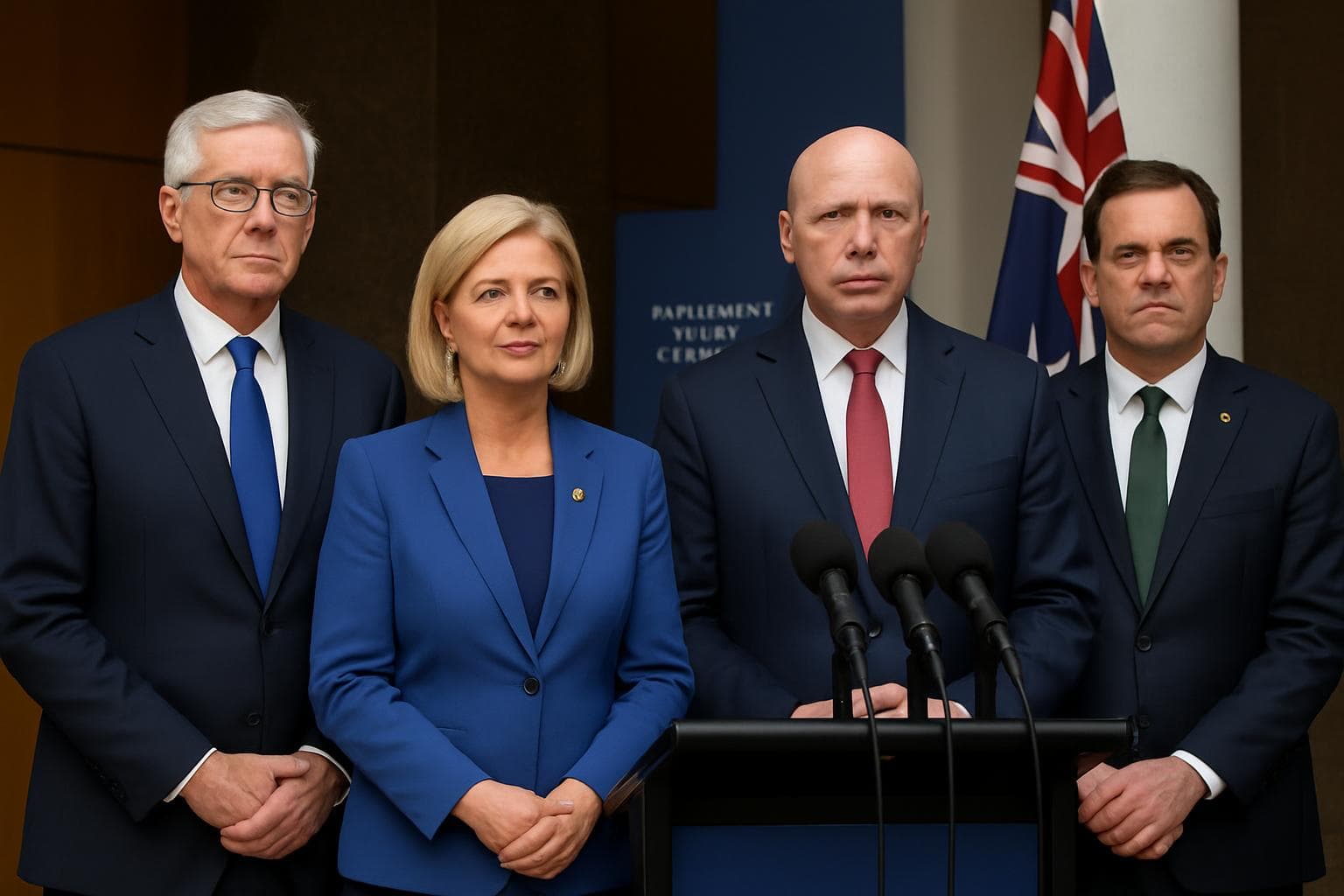
Australia's main opposition, the Liberal-National Coalition, has reconciled after a contentious split over proposed hate speech laws. The Coalition, led by Liberal Party leader Sussan Ley and National Party leader David Littleproud, announced their reunion at a press conference in Canberra on Sunday, marking the second reconciliation in less than a year.
Background of the Split
The division occurred on January 22, when the Nationals refused to support hate speech reforms introduced by the Labor government. These reforms were proposed in response to a tragic attack at Bondi Beach in December, where two gunmen targeted a Jewish festival, resulting in 15 fatalities. The legislation aims to ban groups spreading hate and impose stricter penalties on preachers advocating violence. While the Liberals backed the reforms, the Nationals abstained from the vote, citing concerns over free speech and the rushed nature of the legislation.
The Path to Reconciliation
The Coalition's leaders have brokered a deal to mend the rift, with significant concessions from both sides. Under the agreement, former Nationals frontbenchers will be suspended until March, though Littleproud and deputy leader Kevin Hogan will participate in shadow cabinet meetings. This compromise follows intense negotiations, as Ley had set a deadline for the Nationals to rejoin the Liberals or face a permanent Liberal-only frontbench.
Political Implications
The Coalition's internal strife comes at a challenging time, as it struggles to regain footing after a heavy election loss last year. The split highlights ongoing tensions within the alliance, with the Nationals often adopting a more conservative stance than their Liberal counterparts. Additionally, the Coalition faces growing competition from the populist One Nation party, which has gained popularity in recent polls.
WHAT THIS MIGHT MEAN
The Coalition's reunion may stabilize the opposition, but underlying tensions could resurface, especially as the parties navigate differing views on key issues like free speech and climate policy. The rise of One Nation poses a significant challenge, potentially drawing support away from the Coalition if it fails to present a united front. Moving forward, the Coalition must balance internal cohesion with effective opposition to the Labor government to regain voter confidence and political influence.
Related Articles
Angus Taylor Takes Helm of Liberal Party Amidst Leadership Turmoil
Angus Taylor Challenges Sussan Ley for Leadership of Australia's Liberal Party

Sussan Ley's Leadership and the Glass Cliff: A Turning Point for Australian Politics?
Canada and Australia Forge Strategic Partnership Amid Global Uncertainty

Australia Bars IS-Linked Citizen from Returning Amidst Repatriation Debate
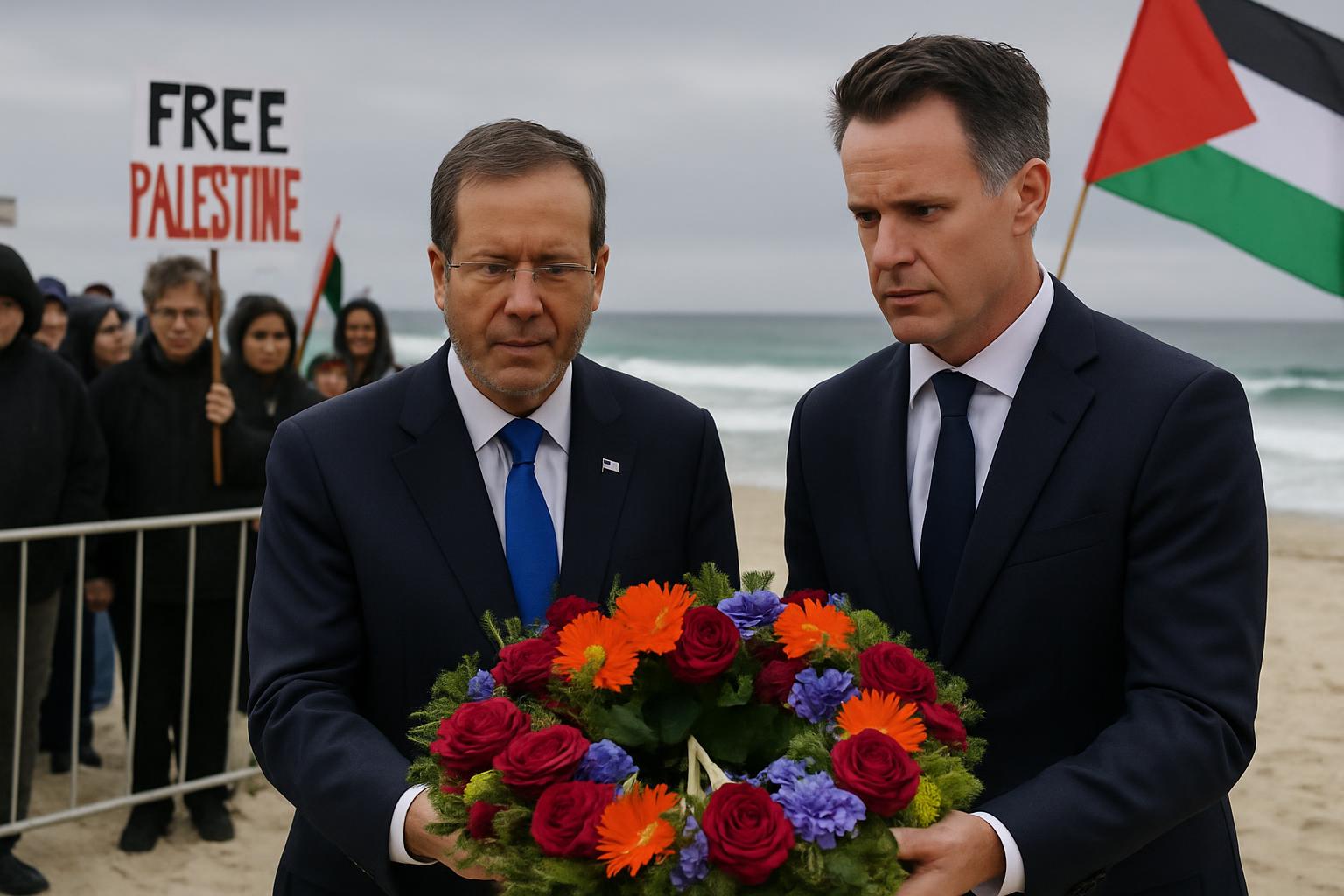
Israeli President Herzog's Visit to Australia Sparks Controversy Amid Calls for Unity
Australia's Coalition Reunites Amidst Hate Speech Law Dispute
In This Article
 Alex Carter| Published
 HIGHLIGHTS
- Australia's Liberal-National Coalition has reunited after a split over hate speech laws, with leaders Sussan Ley and David Littleproud announcing the agreement.
- The Coalition initially divided on January 22 due to disagreements over Labor's proposed hate speech reforms following a deadly attack at Bondi Beach.
- The Nationals abstained from voting on the reforms, citing concerns over free speech, while the Liberals supported the legislation.
- Under the new agreement, former Nationals frontbenchers will be suspended until March, with Littleproud and Kevin Hogan attending leadership meetings.
- The Coalition faces pressure from the rising populist One Nation party, which has gained traction in recent polls.
Australia's main opposition, the Liberal-National Coalition, has reconciled after a contentious split over proposed hate speech laws. The Coalition, led by Liberal Party leader Sussan Ley and National Party leader David Littleproud, announced their reunion at a press conference in Canberra on Sunday, marking the second reconciliation in less than a year.
Background of the Split
The division occurred on January 22, when the Nationals refused to support hate speech reforms introduced by the Labor government. These reforms were proposed in response to a tragic attack at Bondi Beach in December, where two gunmen targeted a Jewish festival, resulting in 15 fatalities. The legislation aims to ban groups spreading hate and impose stricter penalties on preachers advocating violence. While the Liberals backed the reforms, the Nationals abstained from the vote, citing concerns over free speech and the rushed nature of the legislation.
The Path to Reconciliation
The Coalition's leaders have brokered a deal to mend the rift, with significant concessions from both sides. Under the agreement, former Nationals frontbenchers will be suspended until March, though Littleproud and deputy leader Kevin Hogan will participate in shadow cabinet meetings. This compromise follows intense negotiations, as Ley had set a deadline for the Nationals to rejoin the Liberals or face a permanent Liberal-only frontbench.
Political Implications
The Coalition's internal strife comes at a challenging time, as it struggles to regain footing after a heavy election loss last year. The split highlights ongoing tensions within the alliance, with the Nationals often adopting a more conservative stance than their Liberal counterparts. Additionally, the Coalition faces growing competition from the populist One Nation party, which has gained popularity in recent polls.
WHAT THIS MIGHT MEAN
The Coalition's reunion may stabilize the opposition, but underlying tensions could resurface, especially as the parties navigate differing views on key issues like free speech and climate policy. The rise of One Nation poses a significant challenge, potentially drawing support away from the Coalition if it fails to present a united front. Moving forward, the Coalition must balance internal cohesion with effective opposition to the Labor government to regain voter confidence and political influence.
Related Articles
Angus Taylor Takes Helm of Liberal Party Amidst Leadership Turmoil
Angus Taylor Challenges Sussan Ley for Leadership of Australia's Liberal Party
Sussan Ley's Leadership and the Glass Cliff: A Turning Point for Australian Politics?
Canada and Australia Forge Strategic Partnership Amid Global Uncertainty
Australia Bars IS-Linked Citizen from Returning Amidst Repatriation Debate
Israeli President Herzog's Visit to Australia Sparks Controversy Amid Calls for Unity