
Angus Taylor Takes Helm of Liberal Party Amidst Leadership Turmoil

In This Article
HIGHLIGHTS
- Angus Taylor has been elected as the new leader of Australia's Liberal Party, defeating Sussan Ley in a leadership ballot by 34 votes to 17.
- Sussan Ley announced her resignation from politics, triggering a byelection in her seat of Farrer, which could be contested by One Nation and independents.
- Taylor, backed by the party's conservative faction, plans to focus on immigration policy, emphasizing Australian values and reducing immigration numbers.
- Ley's leadership was marred by internal party divisions and poor poll performance, with the Coalition struggling against a resurgent One Nation.
- The leadership change comes amid broader challenges for the Liberal Party, including declining popularity and policy disagreements.
In a significant shift within Australia's political landscape, Angus Taylor has been elected as the new leader of the Liberal Party, succeeding Sussan Ley after a decisive partyroom ballot. Taylor, a former shadow defence minister, secured the leadership with 34 votes to Ley's 17, marking the end of Ley's nine-month tenure as the first female leader of the opposition.
Leadership Transition and Immediate Challenges
The leadership change follows months of speculation and internal strife within the Liberal Party. Ley, who ascended to leadership after the party's defeat in the 2025 election, faced persistent challenges from the conservative faction. Her tenure was characterized by poor poll numbers and two significant splits within the Liberal-National Coalition. In her farewell, Ley expressed no ill will towards her successor but emphasized the need for "clear air" for the new leadership.
Focus on Immigration and Party Unity
Taylor, known for his conservative stance, has signaled a shift in policy focus, particularly on immigration. In his first comments as leader, he stressed the importance of aligning immigration policies with Australian values, stating, "If someone doesn’t subscribe to our core beliefs, the door must be shut." This stance is expected to resonate with the party's base but may also draw criticism from opponents who view it as aligning too closely with One Nation's rhetoric.
Implications of Ley's Resignation
Ley's decision to resign from politics sets the stage for a potentially contentious byelection in her seat of Farrer. The seat, located in regional New South Wales, could see competition from One Nation and independent candidates, posing an early test for Taylor's leadership. The outcome of this byelection could further impact the Liberal Party's parliamentary strength and influence.
Broader Political Context
The leadership change occurs as the Liberal Party grapples with declining public support and internal divisions over policy direction. The party's recent struggles have been exacerbated by a resurgent One Nation, which has gained traction in national polls. Taylor's leadership will be closely watched as he attempts to unify the party and develop a coherent policy platform to challenge the ruling Labor government.
WHAT THIS MIGHT MEAN
The election of Angus Taylor as the Liberal Party leader marks a pivotal moment for the party as it seeks to redefine its identity and policy direction. Taylor's focus on immigration could galvanize support from conservative voters but risks alienating moderates and independents. The upcoming byelection in Farrer will serve as an early indicator of Taylor's ability to consolidate party support and appeal to a broader electorate.
Politically, Taylor's leadership could influence the dynamics within the Coalition, particularly in negotiations with the National Party. His stance on immigration and other key issues may also impact the party's strategy in future elections. As the Liberal Party navigates these challenges, Taylor's leadership will be crucial in shaping its path forward amidst a complex and evolving political landscape.
Related Articles
Australia's Coalition Reunites Amidst Hate Speech Law Dispute
Coalition Fractures Over Hate Speech Laws as Sussan Ley Faces Leadership Crisis

Sussan Ley's Leadership and the Glass Cliff: A Turning Point for Australian Politics?
Angus Taylor Challenges Sussan Ley for Leadership of Australia's Liberal Party
New Zealand Prepares for Closely Contested General Election on 7 November
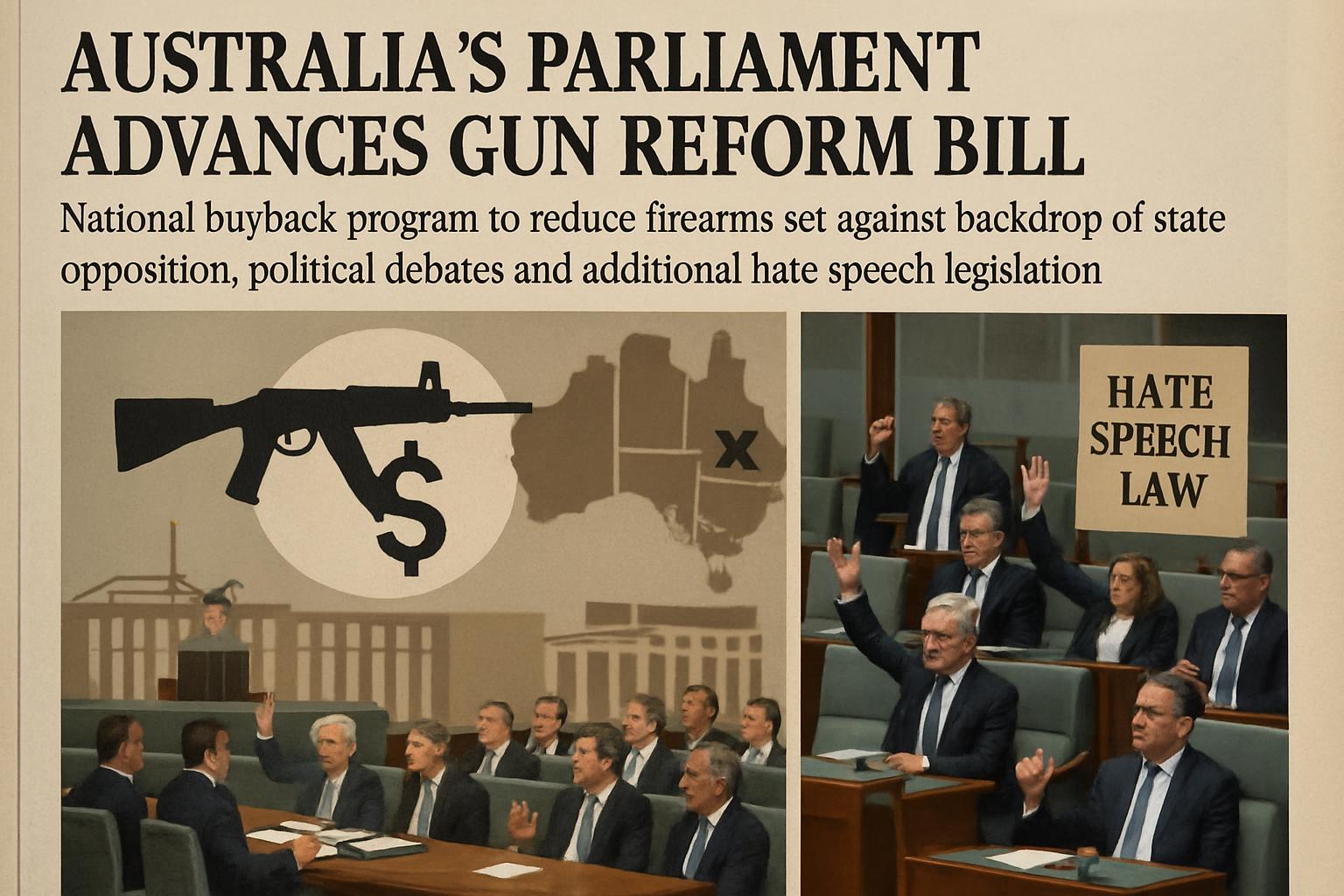
Australia Moves Forward with Gun Control Reforms Amid State Opposition
Angus Taylor Takes Helm of Liberal Party Amidst Leadership Turmoil
In This Article
 Alex Carter| Published
 HIGHLIGHTS
- Angus Taylor has been elected as the new leader of Australia's Liberal Party, defeating Sussan Ley in a leadership ballot by 34 votes to 17.
- Sussan Ley announced her resignation from politics, triggering a byelection in her seat of Farrer, which could be contested by One Nation and independents.
- Taylor, backed by the party's conservative faction, plans to focus on immigration policy, emphasizing Australian values and reducing immigration numbers.
- Ley's leadership was marred by internal party divisions and poor poll performance, with the Coalition struggling against a resurgent One Nation.
- The leadership change comes amid broader challenges for the Liberal Party, including declining popularity and policy disagreements.
In a significant shift within Australia's political landscape, Angus Taylor has been elected as the new leader of the Liberal Party, succeeding Sussan Ley after a decisive partyroom ballot. Taylor, a former shadow defence minister, secured the leadership with 34 votes to Ley's 17, marking the end of Ley's nine-month tenure as the first female leader of the opposition.
Leadership Transition and Immediate Challenges
The leadership change follows months of speculation and internal strife within the Liberal Party. Ley, who ascended to leadership after the party's defeat in the 2025 election, faced persistent challenges from the conservative faction. Her tenure was characterized by poor poll numbers and two significant splits within the Liberal-National Coalition. In her farewell, Ley expressed no ill will towards her successor but emphasized the need for "clear air" for the new leadership.
Focus on Immigration and Party Unity
Taylor, known for his conservative stance, has signaled a shift in policy focus, particularly on immigration. In his first comments as leader, he stressed the importance of aligning immigration policies with Australian values, stating, "If someone doesn’t subscribe to our core beliefs, the door must be shut." This stance is expected to resonate with the party's base but may also draw criticism from opponents who view it as aligning too closely with One Nation's rhetoric.
Implications of Ley's Resignation
Ley's decision to resign from politics sets the stage for a potentially contentious byelection in her seat of Farrer. The seat, located in regional New South Wales, could see competition from One Nation and independent candidates, posing an early test for Taylor's leadership. The outcome of this byelection could further impact the Liberal Party's parliamentary strength and influence.
Broader Political Context
The leadership change occurs as the Liberal Party grapples with declining public support and internal divisions over policy direction. The party's recent struggles have been exacerbated by a resurgent One Nation, which has gained traction in national polls. Taylor's leadership will be closely watched as he attempts to unify the party and develop a coherent policy platform to challenge the ruling Labor government.
WHAT THIS MIGHT MEAN
The election of Angus Taylor as the Liberal Party leader marks a pivotal moment for the party as it seeks to redefine its identity and policy direction. Taylor's focus on immigration could galvanize support from conservative voters but risks alienating moderates and independents. The upcoming byelection in Farrer will serve as an early indicator of Taylor's ability to consolidate party support and appeal to a broader electorate.
Politically, Taylor's leadership could influence the dynamics within the Coalition, particularly in negotiations with the National Party. His stance on immigration and other key issues may also impact the party's strategy in future elections. As the Liberal Party navigates these challenges, Taylor's leadership will be crucial in shaping its path forward amidst a complex and evolving political landscape.
Related Articles
Australia's Coalition Reunites Amidst Hate Speech Law Dispute
Coalition Fractures Over Hate Speech Laws as Sussan Ley Faces Leadership Crisis
Sussan Ley's Leadership and the Glass Cliff: A Turning Point for Australian Politics?
Angus Taylor Challenges Sussan Ley for Leadership of Australia's Liberal Party
New Zealand Prepares for Closely Contested General Election on 7 November
Australia Moves Forward with Gun Control Reforms Amid State Opposition