
Coalition Fractures Over Hate Speech Laws as Sussan Ley Faces Leadership Crisis

In This Article
HIGHLIGHTS
- Australia's Liberal-National Coalition has split over hate speech law reforms following a terror attack at Bondi Beach.
- Nationals leader David Littleproud announced the split, citing the Coalition as "untenable" after Sussan Ley accepted resignations from three Nationals senators.
- Sussan Ley's leadership is under severe scrutiny, with potential challenges from Angus Taylor and Andrew Hastie.
- The split marks the second major fracture in the Coalition within eight months, raising questions about its future viability.
- The hate speech laws, passed with Liberal support, aim to ban hate groups and impose stricter penalties on violent rhetoric.
Australia's political landscape has been rocked by a significant split in the Liberal-National Coalition, the main opposition force, following a contentious debate over hate speech laws. The division comes in the wake of a terror attack at Bondi Beach last month that claimed 15 lives, prompting legislative reforms aimed at curbing hate speech and violence.
A Fractured Alliance
The Coalition's unity crumbled as the Nationals, led by David Littleproud, refused to support the shadow cabinet's decision to back the government's hate speech reforms. Littleproud declared the Coalition "untenable" after Liberal leader Sussan Ley accepted the resignations of three Nationals senators who opposed the legislation. This move led to a mass resignation of the Nationals' frontbench, further destabilizing the alliance.
Leadership Under Fire
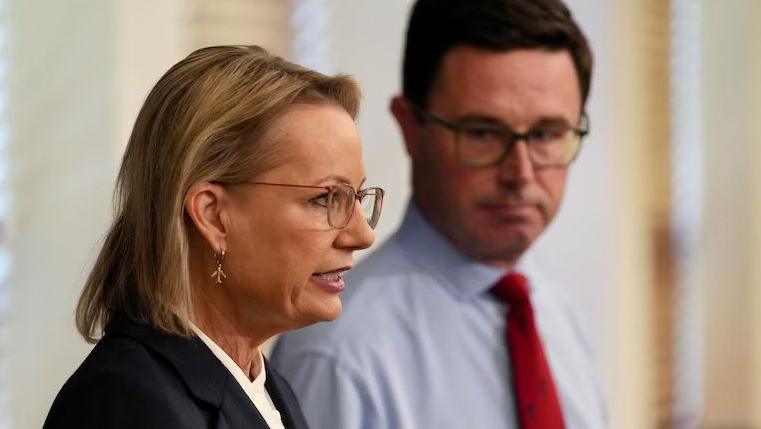
Sussan Ley, who became the Liberal party's first female leader after a significant electoral defeat last year, is now facing mounting pressure. Senior Liberals, including potential successors Angus Taylor and Andrew Hastie, are reportedly preparing to challenge her leadership. The split has reignited discussions about Ley's ability to lead, with some party members describing her position as "toxic and terminal."
Political Implications
The hate speech laws, which passed with Liberal support, aim to ban groups that propagate hate and introduce tougher penalties for inciting violence. However, the Nationals abstained from the vote, citing concerns over free speech and the rushed nature of the legislation. The Coalition's fracture is the second in less than a year, following a brief split over climate policy, raising questions about its long-term viability.
A Day of Mourning
The split was announced on a national day of mourning for the victims of the Bondi Beach attack. Ley, in a statement, emphasized her responsibility to Australians in mourning, while Littleproud expressed regret over the Coalition's breakdown but did not rule out a future reconciliation.
WHAT THIS MIGHT MEAN
The Coalition's split could have significant ramifications for Australian politics, potentially weakening the opposition's ability to challenge the Labor government effectively. If Sussan Ley is ousted, the Liberal party may face a leadership contest that could further destabilize the party. Meanwhile, the Nationals' decision to sit separately in parliament could lead to a realignment of political alliances, particularly if they pursue more conservative policies independently.
The hate speech laws, central to the current crisis, may face further scrutiny and potential amendments if the Coalition can regroup and present a united front. However, the immediate focus will likely be on the leadership dynamics within the Liberal party and the potential for a new leader to emerge who can bridge the divide and restore the Coalition's credibility.
Images from the Web
Related Articles
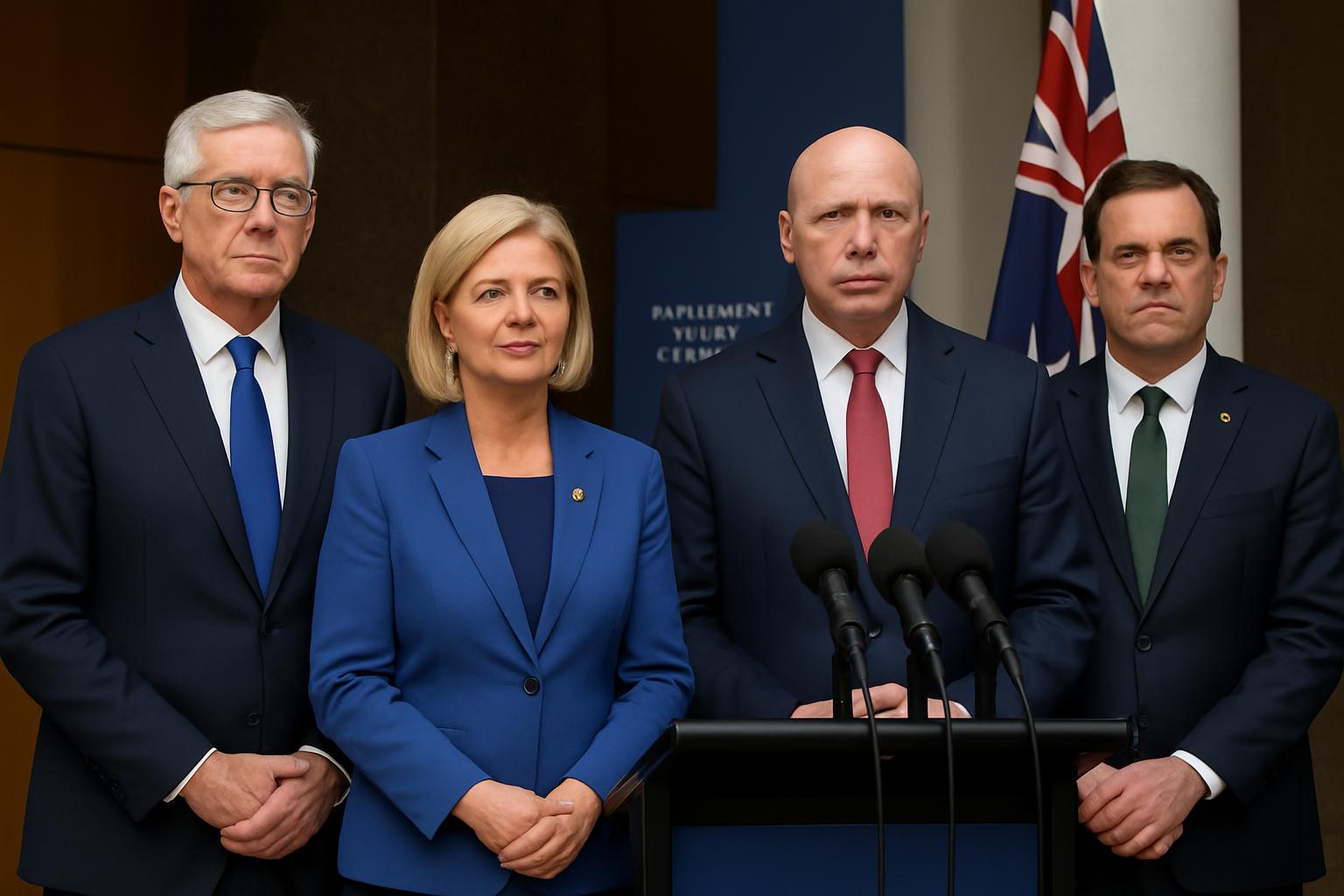
Australia's Coalition Reunites Amidst Hate Speech Law Dispute
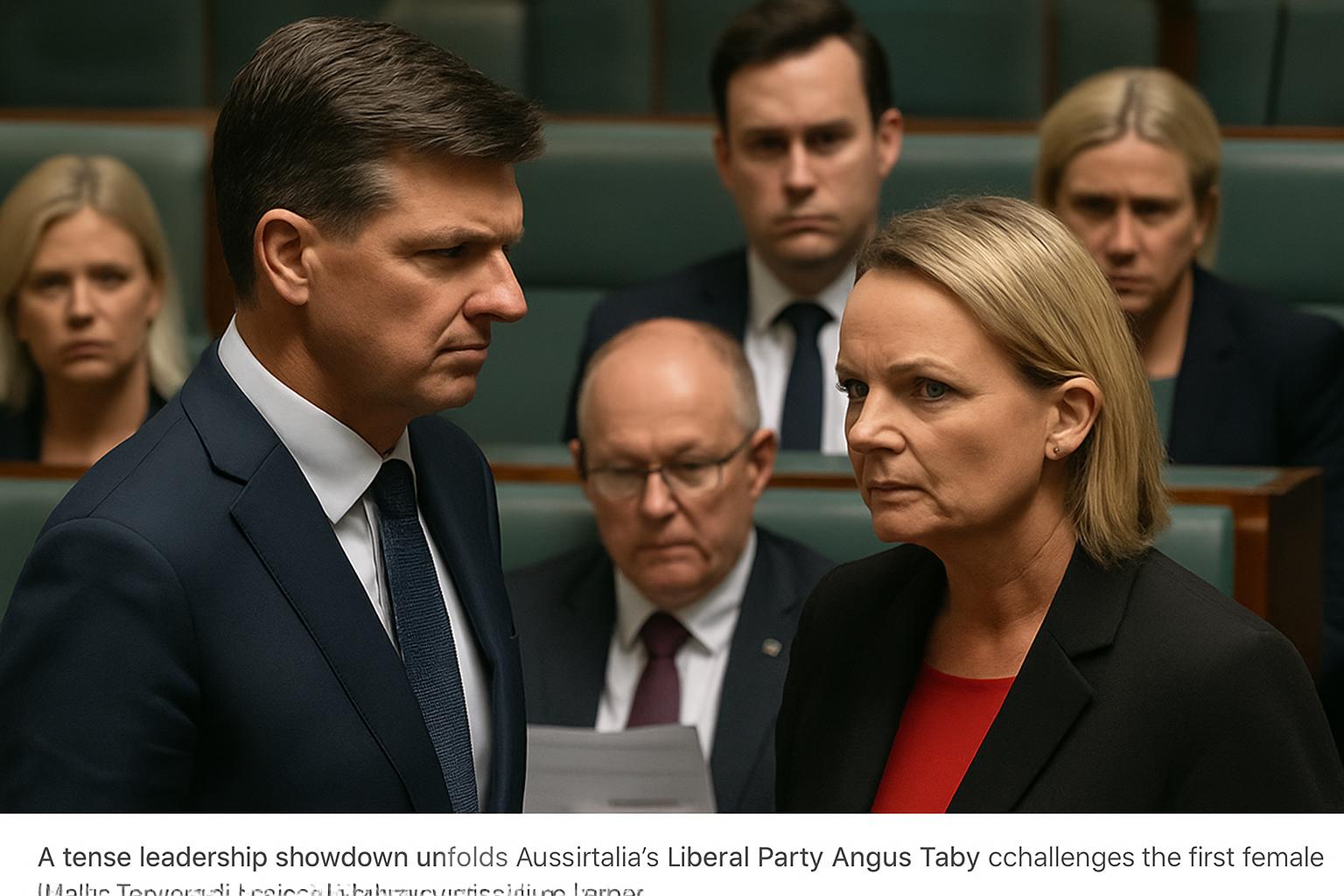
Angus Taylor Challenges Sussan Ley for Leadership of Australia's Liberal Party
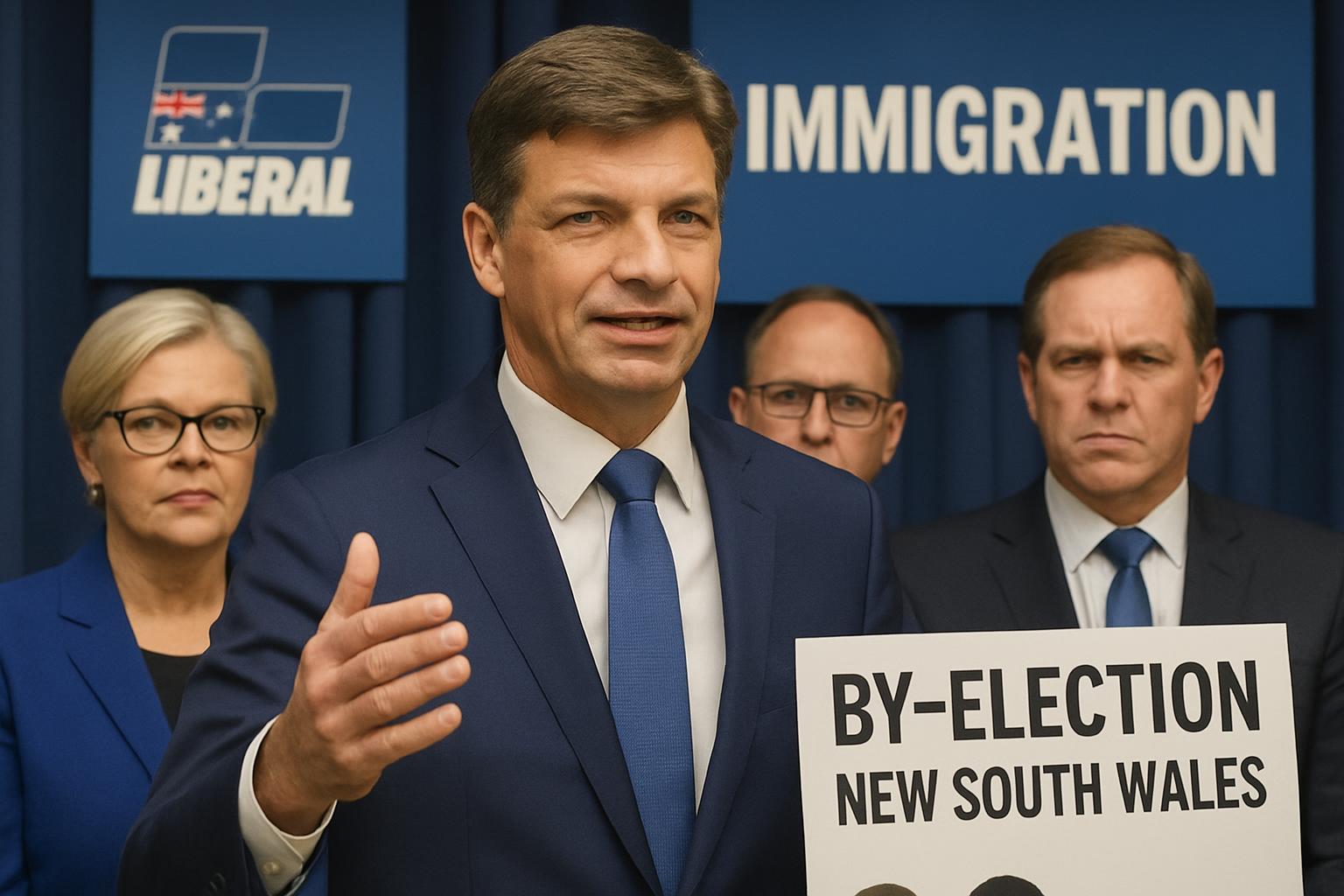
Angus Taylor Takes Helm of Liberal Party Amidst Leadership Turmoil

Sussan Ley's Leadership and the Glass Cliff: A Turning Point for Australian Politics?

Australia Bars IS-Linked Citizen from Returning Amidst Repatriation Debate
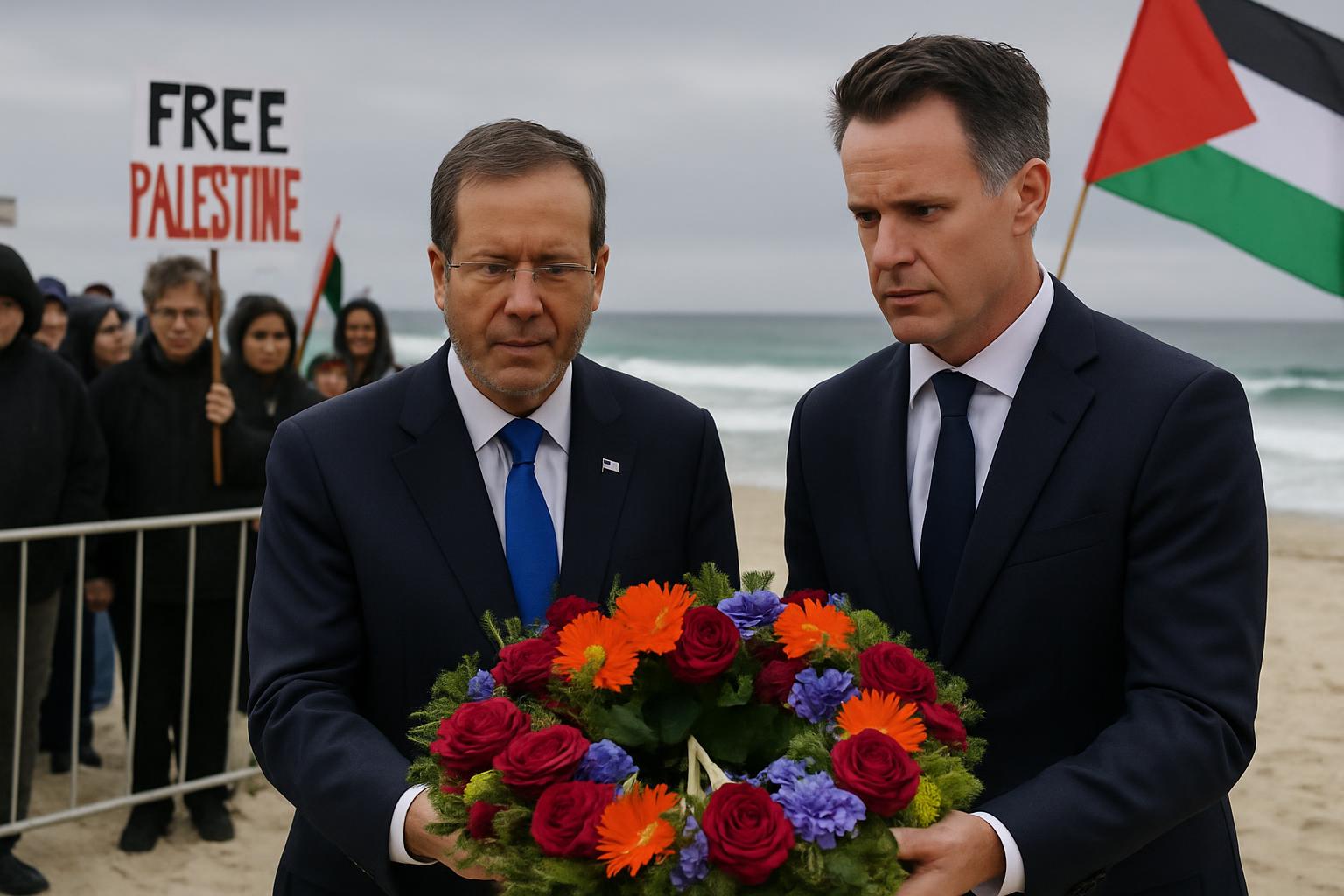
Israeli President Herzog's Visit to Australia Sparks Controversy Amid Calls for Unity
Coalition Fractures Over Hate Speech Laws as Sussan Ley Faces Leadership Crisis
In This Article
 Alex Carter| Published
 HIGHLIGHTS
- Australia's Liberal-National Coalition has split over hate speech law reforms following a terror attack at Bondi Beach.
- Nationals leader David Littleproud announced the split, citing the Coalition as "untenable" after Sussan Ley accepted resignations from three Nationals senators.
- Sussan Ley's leadership is under severe scrutiny, with potential challenges from Angus Taylor and Andrew Hastie.
- The split marks the second major fracture in the Coalition within eight months, raising questions about its future viability.
- The hate speech laws, passed with Liberal support, aim to ban hate groups and impose stricter penalties on violent rhetoric.
Australia's political landscape has been rocked by a significant split in the Liberal-National Coalition, the main opposition force, following a contentious debate over hate speech laws. The division comes in the wake of a terror attack at Bondi Beach last month that claimed 15 lives, prompting legislative reforms aimed at curbing hate speech and violence.
A Fractured Alliance
The Coalition's unity crumbled as the Nationals, led by David Littleproud, refused to support the shadow cabinet's decision to back the government's hate speech reforms. Littleproud declared the Coalition "untenable" after Liberal leader Sussan Ley accepted the resignations of three Nationals senators who opposed the legislation. This move led to a mass resignation of the Nationals' frontbench, further destabilizing the alliance.
Leadership Under Fire
Sussan Ley, who became the Liberal party's first female leader after a significant electoral defeat last year, is now facing mounting pressure. Senior Liberals, including potential successors Angus Taylor and Andrew Hastie, are reportedly preparing to challenge her leadership. The split has reignited discussions about Ley's ability to lead, with some party members describing her position as "toxic and terminal."
Political Implications
The hate speech laws, which passed with Liberal support, aim to ban groups that propagate hate and introduce tougher penalties for inciting violence. However, the Nationals abstained from the vote, citing concerns over free speech and the rushed nature of the legislation. The Coalition's fracture is the second in less than a year, following a brief split over climate policy, raising questions about its long-term viability.
A Day of Mourning
The split was announced on a national day of mourning for the victims of the Bondi Beach attack. Ley, in a statement, emphasized her responsibility to Australians in mourning, while Littleproud expressed regret over the Coalition's breakdown but did not rule out a future reconciliation.
WHAT THIS MIGHT MEAN
The Coalition's split could have significant ramifications for Australian politics, potentially weakening the opposition's ability to challenge the Labor government effectively. If Sussan Ley is ousted, the Liberal party may face a leadership contest that could further destabilize the party. Meanwhile, the Nationals' decision to sit separately in parliament could lead to a realignment of political alliances, particularly if they pursue more conservative policies independently.
The hate speech laws, central to the current crisis, may face further scrutiny and potential amendments if the Coalition can regroup and present a united front. However, the immediate focus will likely be on the leadership dynamics within the Liberal party and the potential for a new leader to emerge who can bridge the divide and restore the Coalition's credibility.
Images from the Web
Related Articles
Australia's Coalition Reunites Amidst Hate Speech Law Dispute
Angus Taylor Challenges Sussan Ley for Leadership of Australia's Liberal Party
Angus Taylor Takes Helm of Liberal Party Amidst Leadership Turmoil
Sussan Ley's Leadership and the Glass Cliff: A Turning Point for Australian Politics?
Australia Bars IS-Linked Citizen from Returning Amidst Repatriation Debate
Israeli President Herzog's Visit to Australia Sparks Controversy Amid Calls for Unity