
Controversy Surrounds Queen Elizabeth II Commemorative Coins in Australia
In This Article
HIGHLIGHTS
- The Royal Australian Mint released commemorative coins featuring Queen Elizabeth II, sparking criticism over the portrait's resemblance.
- The coins, marking the centenary of the Queen's birth, were sold out in an online ballot, with 30,000 50c coins and 5,000 $5 coins produced.
- Critics likened the Queen's image to fictional characters, while others praised the design as a fitting tribute.
- The coins also feature symbols of Queen Elizabeth II's life, including horses, corgis, and her favorite flowers.
- The reverse side of the coins displays a portrait of King Charles, adding to their collector's appeal.
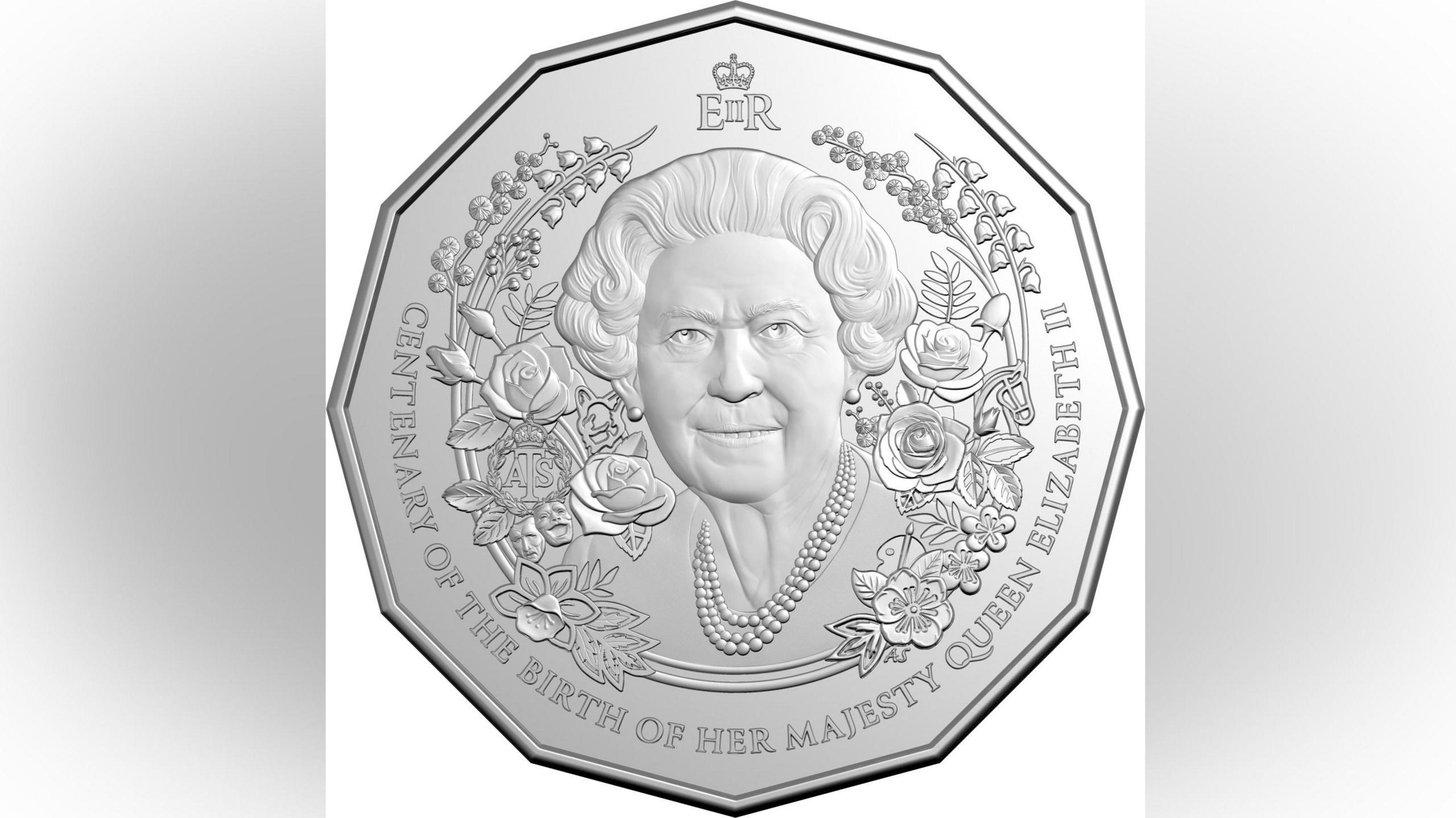
The release of commemorative coins by the Royal Australian Mint, featuring a portrait of the late Queen Elizabeth II, has ignited a debate over the accuracy of the depiction. These coins, issued to honor the centenary of the Queen's birth, have drawn mixed reactions from collectors and the public alike.
Portrait Sparks Debate
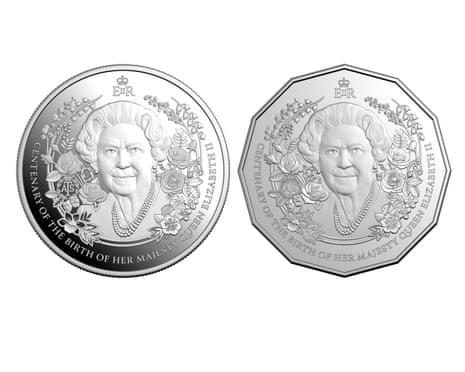
The $5 and 50c silver coins, which were distributed through an online ballot that concluded on Wednesday, have been criticized for the Queen's likeness. Many social media users have compared the portrait to various fictional characters, including Mrs. Doubtfire and Shrek, questioning its resemblance to the late monarch. The Royal Australian Mint defended the design, stating that the intricacies of coin images can sometimes be lost in the metal etching process.
A Tribute to the Queen's Legacy
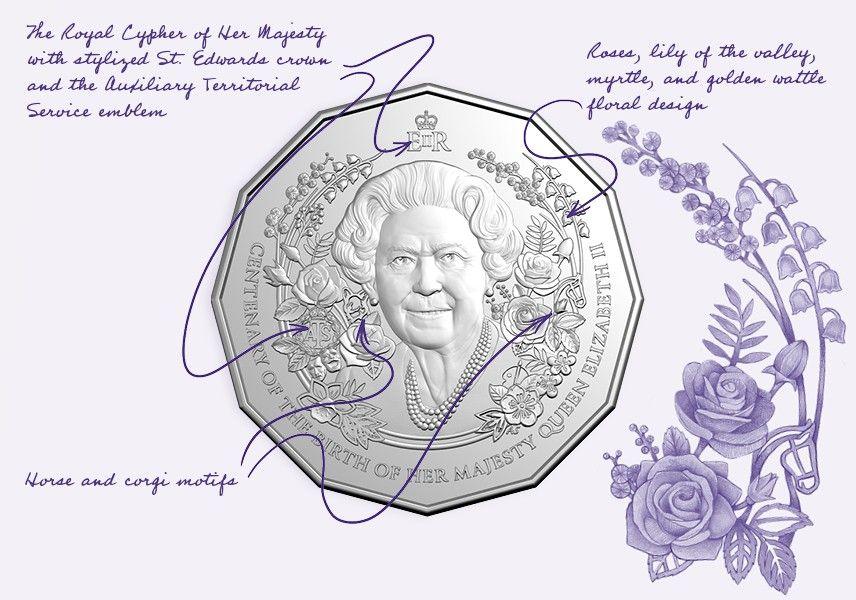
Despite the criticism, the coins have been well-received by some collectors, with the ballot fully subscribed. The mint reported that all 30,000 of the 50c coins and 5,000 of the $5 coins were sold out, with limited stocks remaining at their contact center and shop. These coins, which will not enter general circulation, feature symbols representing Queen Elizabeth II's life and passions, such as horses, corgis, and her favorite flowers, roses and lily of the valley. The design also incorporates the Queen's Royal Cypher and the Auxiliary Territorial Service emblem, acknowledging her wartime service.
King Charles Featured on Reverse
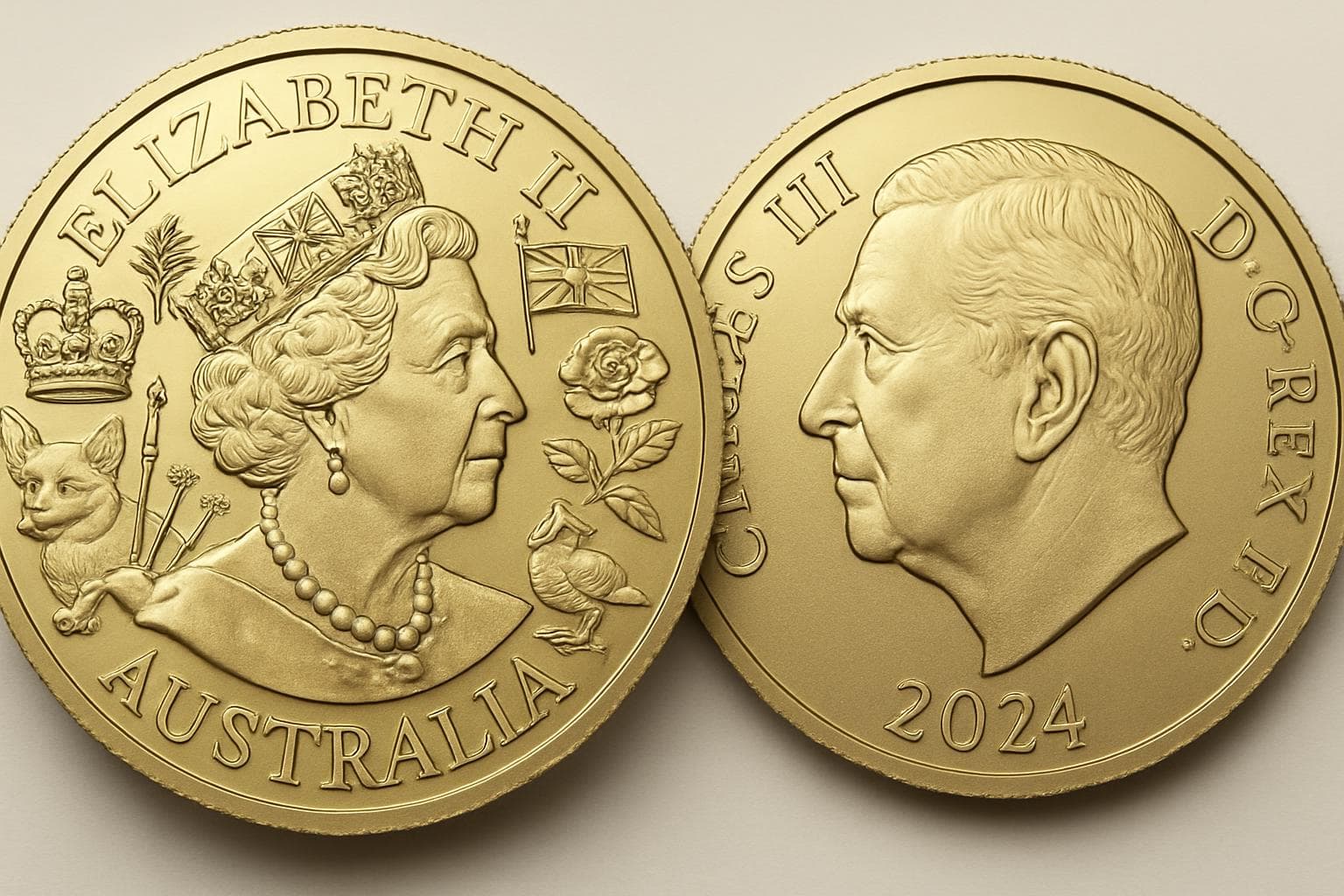
Adding to the coins' appeal is the inclusion of a portrait of King Charles on the reverse side. This detail has attracted interest from collectors, further cementing the coins' status as sought-after items.
WHAT THIS MIGHT MEAN
The controversy surrounding the Queen Elizabeth II commemorative coins highlights the challenges of capturing a beloved figure's likeness in a medium as precise as coinage. As the Royal Australian Mint navigates this criticism, it may consider revisiting its design processes to better align with public expectations. Meanwhile, the coins' rapid sell-out suggests a strong demand for memorabilia related to the Queen's legacy, potentially prompting future releases. As King Charles's reign progresses, his depiction on currency could also become a focal point for collectors and historians alike, reflecting the evolving narrative of the British monarchy.
Images from the Web
Related Articles

Australia Bars IS-Linked Citizen from Returning Amidst Repatriation Debate

Canada and Australia Forge Strategic Partnership Amid Global Uncertainty

Israeli President Herzog's Visit to Australia Sparks Controversy Amid Calls for Unity

Canada Calls for De-escalation Amid US-Israel Strikes on Iran

Trump's New Tariff Strategy Sparks Global Trade Uncertainty
Prince Andrew's Ties to Epstein Under Scrutiny Amid Calls for Inquiry
Controversy Surrounds Queen Elizabeth II Commemorative Coins in Australia
In This Article
HIGHLIGHTS
- The Royal Australian Mint released commemorative coins featuring Queen Elizabeth II, sparking criticism over the portrait's resemblance.
- The coins, marking the centenary of the Queen's birth, were sold out in an online ballot, with 30,000 50c coins and 5,000 $5 coins produced.
- Critics likened the Queen's image to fictional characters, while others praised the design as a fitting tribute.
- The coins also feature symbols of Queen Elizabeth II's life, including horses, corgis, and her favorite flowers.
- The reverse side of the coins displays a portrait of King Charles, adding to their collector's appeal.
The release of commemorative coins by the Royal Australian Mint, featuring a portrait of the late Queen Elizabeth II, has ignited a debate over the accuracy of the depiction. These coins, issued to honor the centenary of the Queen's birth, have drawn mixed reactions from collectors and the public alike.
Portrait Sparks Debate
The $5 and 50c silver coins, which were distributed through an online ballot that concluded on Wednesday, have been criticized for the Queen's likeness. Many social media users have compared the portrait to various fictional characters, including Mrs. Doubtfire and Shrek, questioning its resemblance to the late monarch. The Royal Australian Mint defended the design, stating that the intricacies of coin images can sometimes be lost in the metal etching process.
A Tribute to the Queen's Legacy
Despite the criticism, the coins have been well-received by some collectors, with the ballot fully subscribed. The mint reported that all 30,000 of the 50c coins and 5,000 of the $5 coins were sold out, with limited stocks remaining at their contact center and shop. These coins, which will not enter general circulation, feature symbols representing Queen Elizabeth II's life and passions, such as horses, corgis, and her favorite flowers, roses and lily of the valley. The design also incorporates the Queen's Royal Cypher and the Auxiliary Territorial Service emblem, acknowledging her wartime service.
King Charles Featured on Reverse
Adding to the coins' appeal is the inclusion of a portrait of King Charles on the reverse side. This detail has attracted interest from collectors, further cementing the coins' status as sought-after items.
WHAT THIS MIGHT MEAN
The controversy surrounding the Queen Elizabeth II commemorative coins highlights the challenges of capturing a beloved figure's likeness in a medium as precise as coinage. As the Royal Australian Mint navigates this criticism, it may consider revisiting its design processes to better align with public expectations. Meanwhile, the coins' rapid sell-out suggests a strong demand for memorabilia related to the Queen's legacy, potentially prompting future releases. As King Charles's reign progresses, his depiction on currency could also become a focal point for collectors and historians alike, reflecting the evolving narrative of the British monarchy.
Images from the Web
Related Articles
Australia Bars IS-Linked Citizen from Returning Amidst Repatriation Debate
Canada and Australia Forge Strategic Partnership Amid Global Uncertainty
Israeli President Herzog's Visit to Australia Sparks Controversy Amid Calls for Unity
Canada Calls for De-escalation Amid US-Israel Strikes on Iran
Trump's New Tariff Strategy Sparks Global Trade Uncertainty
Prince Andrew's Ties to Epstein Under Scrutiny Amid Calls for Inquiry