
Teenager on Trial for Alleged Synagogue Attack Plot and Neo-Nazi Ties

In This Article
HIGHLIGHTS
- A 16-year-old from Northumberland is on trial for allegedly planning terrorist attacks and joining a banned neo-Nazi group.
- Prosecutors claim the teenager researched local synagogues and amassed an arsenal of weapons and explosives.
- The boy denies charges of preparing terrorist acts, possessing terror documents, and promoting a proscribed organization.
- Evidence includes racist notepads, military gear, and videos of terrorist acts, suggesting an obsession with white supremacist ideology.
- The case highlights concerns about extremist youth radicalization and the potential for hate crime escalation.
A 16-year-old boy from Northumberland is facing trial at Leeds Crown Court, accused of planning terrorist attacks and affiliating with a banned neo-Nazi group. The prosecution alleges that the teenager, who cannot be named for legal reasons, harbored a deep-seated hatred for Jews and black people, and sought to create a "white supremacist utopia."
Allegations of Extremist Activities
Prosecutor Michelle Heeley KC presented evidence suggesting the boy's involvement with The Base, a proscribed neo-Nazi paramilitary group. The court heard that the teenager began engaging with the group at the age of 13, expressing a desire to participate actively in their extremist activities. He allegedly researched local synagogues and gathered an arsenal of weapons, including explosives, military clothing, and materials for making bombs.
Denial of Terrorism Charges
The teenager denies charges of preparing acts of terrorism, possessing terror documents, and promoting The Base. Despite his claims that his writings were merely "empty words," the prosecution argues that his actions demonstrated a clear intent to carry out terrorist acts. Evidence found during a police raid in February last year includes notepads with racist beliefs, videos of terrorist acts, and instructions for making explosives.
Concerns Over Youth Radicalization
The case underscores growing concerns about youth radicalization and the influence of right-wing extremism. The prosecution highlighted the boy's obsession with extremist content, including videos of mass stabbings and school shootings. Heeley emphasized the potential danger posed by the teenager, stating that had the police not intervened, the consequences could have been catastrophic.
WHAT THIS MIGHT MEAN
The trial raises significant questions about the effectiveness of current measures to prevent youth radicalization and the spread of extremist ideologies. If convicted, the teenager could face severe legal consequences, potentially serving as a deterrent to others. However, experts argue that more proactive strategies are needed to address the root causes of radicalization, including online propaganda and extremist networks.
The case also highlights the importance of community awareness and early intervention in identifying and addressing signs of extremist behavior among young individuals. As the trial continues, it may prompt further discussions on policy changes and the allocation of resources to combat hate crime and terrorism effectively.
Related Articles
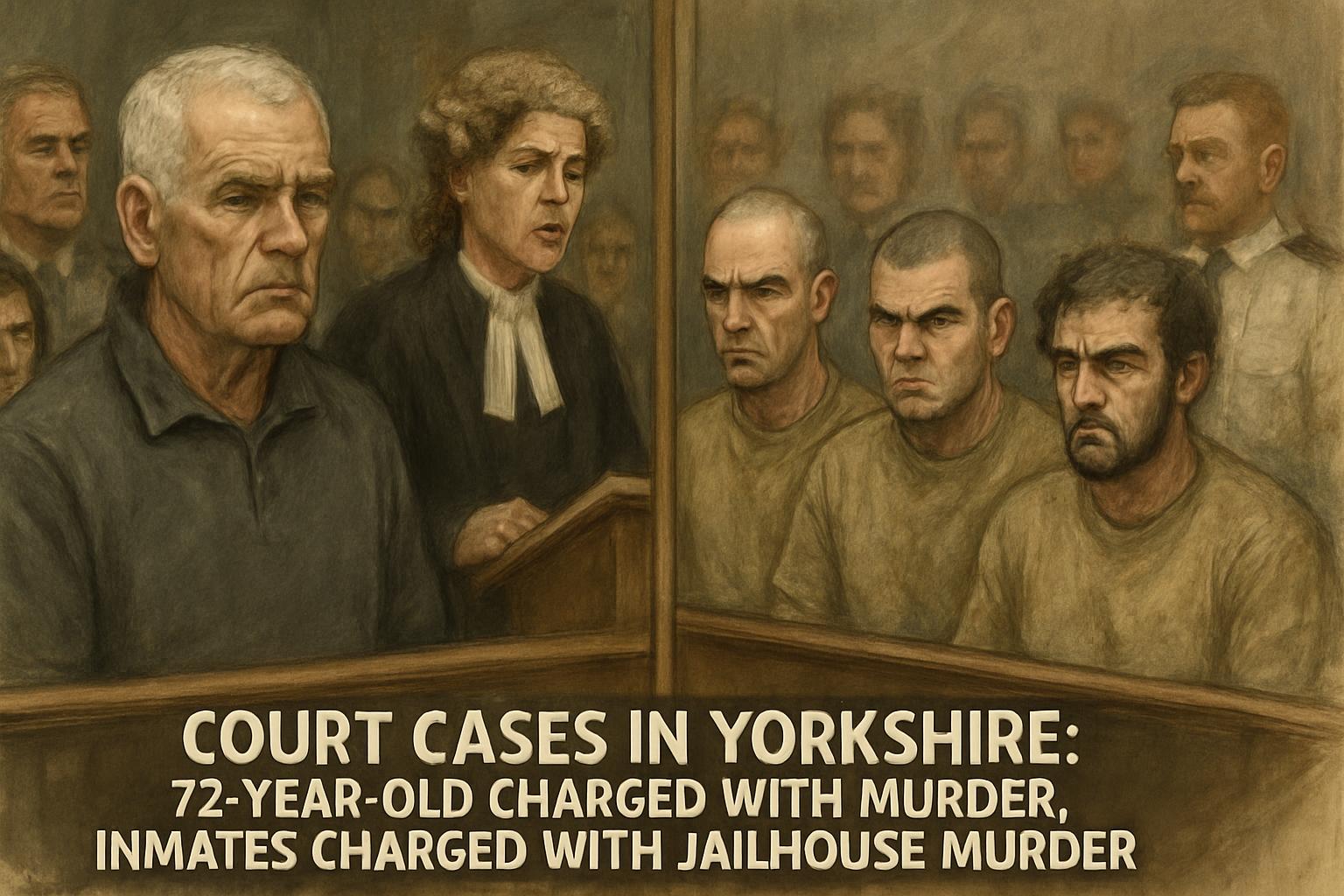
Charges Filed in High-Profile Murder Cases in South and West Yorkshire

Men Jailed for Felling Iconic Sycamore Gap Tree Near Hadrian's Wall

British Army Officer Dies in Northumberland Live Fire Training Incident

UK Communities Unite to Plant Sycamore Gap Tree Saplings as Symbols of Hope

Lynx Reintroduction in Northumberland Gains Support Amid Concerns
Teenager on Trial for Alleged Synagogue Attack Plot and Neo-Nazi Ties
In This Article
 Sofia Romano| Published
 HIGHLIGHTS
- A 16-year-old from Northumberland is on trial for allegedly planning terrorist attacks and joining a banned neo-Nazi group.
- Prosecutors claim the teenager researched local synagogues and amassed an arsenal of weapons and explosives.
- The boy denies charges of preparing terrorist acts, possessing terror documents, and promoting a proscribed organization.
- Evidence includes racist notepads, military gear, and videos of terrorist acts, suggesting an obsession with white supremacist ideology.
- The case highlights concerns about extremist youth radicalization and the potential for hate crime escalation.
A 16-year-old boy from Northumberland is facing trial at Leeds Crown Court, accused of planning terrorist attacks and affiliating with a banned neo-Nazi group. The prosecution alleges that the teenager, who cannot be named for legal reasons, harbored a deep-seated hatred for Jews and black people, and sought to create a "white supremacist utopia."
Allegations of Extremist Activities
Prosecutor Michelle Heeley KC presented evidence suggesting the boy's involvement with The Base, a proscribed neo-Nazi paramilitary group. The court heard that the teenager began engaging with the group at the age of 13, expressing a desire to participate actively in their extremist activities. He allegedly researched local synagogues and gathered an arsenal of weapons, including explosives, military clothing, and materials for making bombs.
Denial of Terrorism Charges
The teenager denies charges of preparing acts of terrorism, possessing terror documents, and promoting The Base. Despite his claims that his writings were merely "empty words," the prosecution argues that his actions demonstrated a clear intent to carry out terrorist acts. Evidence found during a police raid in February last year includes notepads with racist beliefs, videos of terrorist acts, and instructions for making explosives.
Concerns Over Youth Radicalization
The case underscores growing concerns about youth radicalization and the influence of right-wing extremism. The prosecution highlighted the boy's obsession with extremist content, including videos of mass stabbings and school shootings. Heeley emphasized the potential danger posed by the teenager, stating that had the police not intervened, the consequences could have been catastrophic.
WHAT THIS MIGHT MEAN
The trial raises significant questions about the effectiveness of current measures to prevent youth radicalization and the spread of extremist ideologies. If convicted, the teenager could face severe legal consequences, potentially serving as a deterrent to others. However, experts argue that more proactive strategies are needed to address the root causes of radicalization, including online propaganda and extremist networks.
The case also highlights the importance of community awareness and early intervention in identifying and addressing signs of extremist behavior among young individuals. As the trial continues, it may prompt further discussions on policy changes and the allocation of resources to combat hate crime and terrorism effectively.
Related Articles
Charges Filed in High-Profile Murder Cases in South and West Yorkshire
Men Jailed for Felling Iconic Sycamore Gap Tree Near Hadrian's Wall
British Army Officer Dies in Northumberland Live Fire Training Incident
UK Communities Unite to Plant Sycamore Gap Tree Saplings as Symbols of Hope
Lynx Reintroduction in Northumberland Gains Support Amid Concerns