
Lynx Reintroduction in Northumberland Gains Support Amid Concerns
In This Article
HIGHLIGHTS
- A study suggests that Northumberland is the only suitable area in England and Wales for lynx reintroduction, with 72% local support.
- The Missing Lynx Project proposes releasing 20 lynx into Kielder Forest, potentially growing to a population of 50.
- Concerns from farmers about livestock safety persist, despite proposed mitigation measures like electric fencing and guard dogs.
- Lynx reintroduction could help control deer populations and promote ecological balance, enhancing biodiversity.
- The project emphasizes ongoing consultation with local communities, including farmers, to address concerns and ensure a well-managed reintroduction.
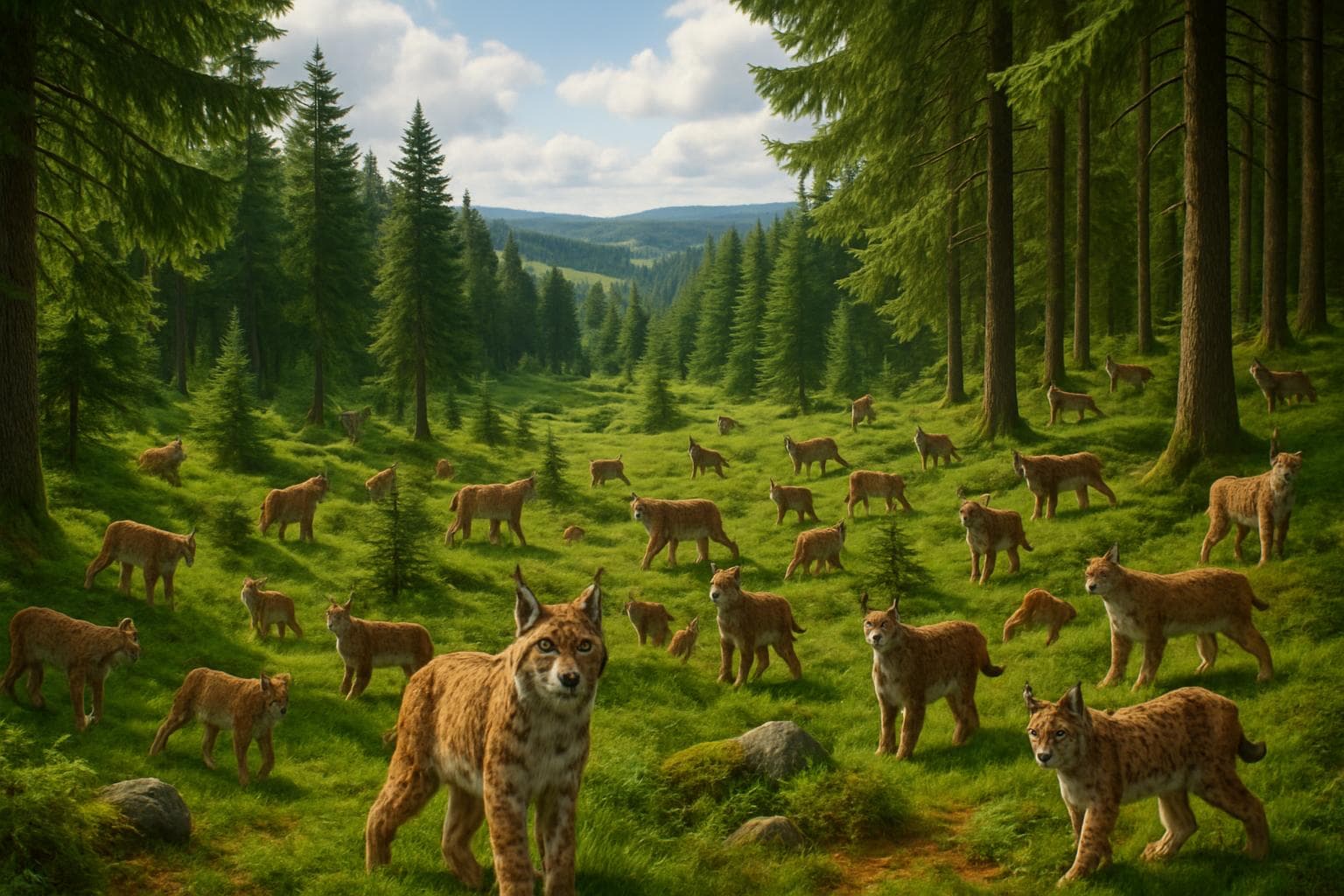
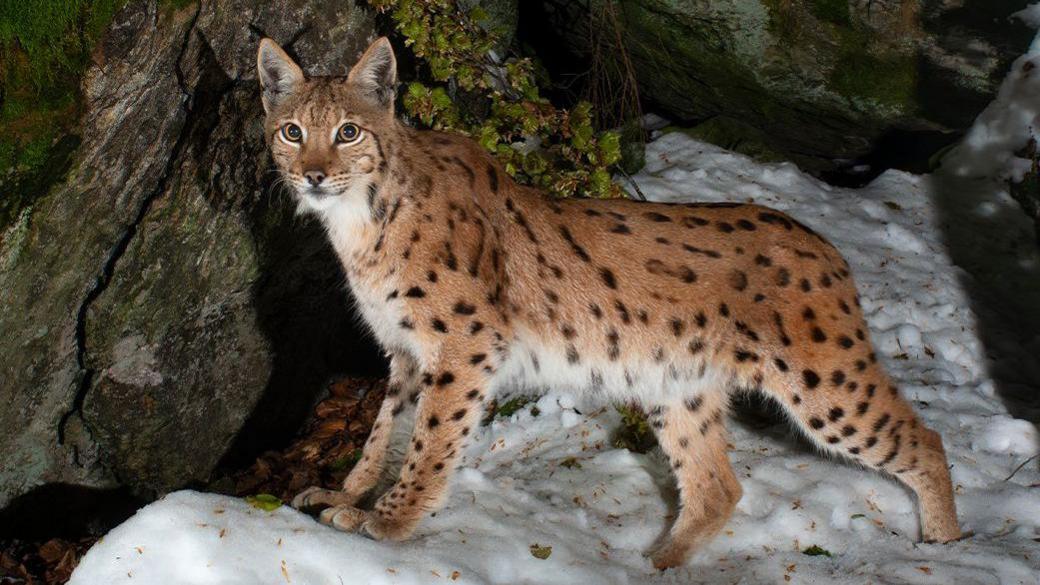
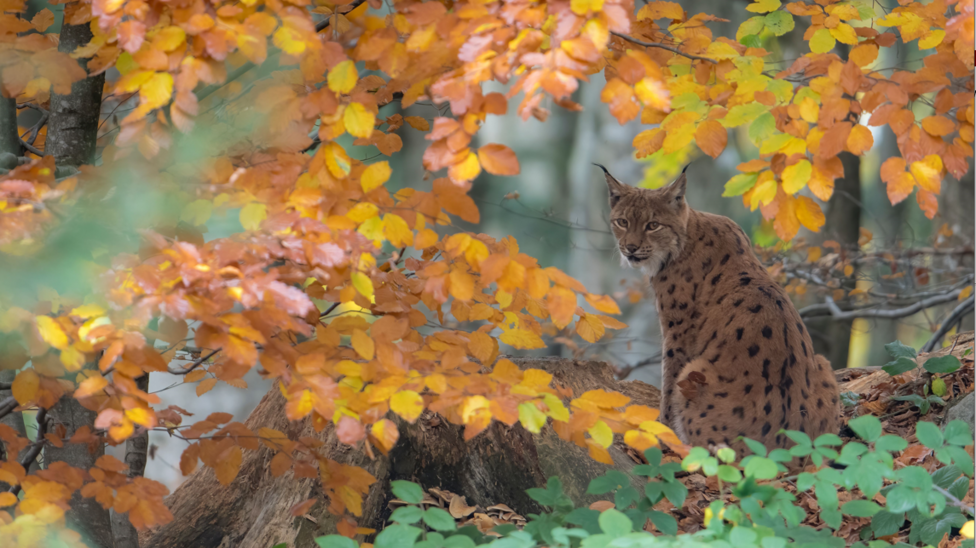
A recent study has found that Northumberland is the only region in England and Wales with sufficient woodland to support the reintroduction of the Eurasian lynx, a species that vanished from Britain around 1,300 years ago due to hunting and habitat loss. The Missing Lynx Project, led by the Lifescape Project charity in partnership with Northumberland Wildlife Trust, has been at the forefront of this initiative, aiming to release 20 lynx into the Kielder Forest area over several years. This could eventually lead to a stable population of about 50 lynx, extending into Cumbria and southern Scotland.
Community Support and Concerns
The project has garnered significant local support, with a year-long consultation revealing that 72% of Northumberland residents favor the reintroduction. However, the prospect of reintroducing a large predator has raised concerns among farmers, particularly regarding the potential threat to livestock. Andrea Calvesbert from the National Sheep Association expressed apprehension, stating that while financial compensation for livestock losses is well-intentioned, it cannot alleviate the distress caused by the fear of predation. She also noted that measures like electric fencing and guard dogs might not be practical due to public access rights to much of the land.
Ecological and Economic Benefits
Proponents of the reintroduction argue that lynx could play a crucial role in controlling deer populations, which are known to damage woodland by eating bark off trees. This could lead to a more balanced ecosystem, benefiting both wildlife and local agriculture. Additionally, the presence of lynx is expected to boost tourism, as visitors may be drawn to the area in hopes of catching a glimpse of the elusive wild cats.
Ongoing Dialogue with Farmers
The Missing Lynx Project has prioritized consultation with local communities, including organizing trips for farmers to European countries where lynx have been successfully reintroduced. Laura Harrison, a sheep farmer from Hadrian's Wall, noted that her visit to Europe demonstrated the feasibility of coexisting with lynx, highlighting the potential for minimal risks to livestock and significant ecological benefits. Dr. Deborah Brady, lead ecologist for the Lifescape Project, emphasized the importance of working closely with farmers to address their concerns and ensure a well-managed reintroduction process.
WHAT THIS MIGHT MEAN
The reintroduction of lynx in Northumberland could set a precedent for similar projects across the UK, potentially leading to broader efforts to restore native species and enhance biodiversity. However, the success of this initiative will largely depend on continued collaboration with local communities, particularly farmers, to mitigate potential conflicts. If managed effectively, the project could serve as a model for balancing wildlife conservation with agricultural interests, fostering a more sustainable coexistence between humans and nature. As the project progresses, it will be crucial to monitor the ecological impacts and adapt strategies as needed to ensure the long-term viability of the lynx population in the region.
Images from the Web
Related Articles

Saharan Dust to Illuminate UK Skies with Vivid Sunrises and Sunsets

Police Federation Chief Arrested Amid Fraud Investigation

Canada and Australia Forge Strategic Partnership Amid Global Uncertainty

UK Government to Reform Asylum Seeker Support and Employment Policies

Sisters Tragically Drown at Eryri National Park's Watkin Path

Middle East Conflict Drives UK Energy Prices to New Highs
Lynx Reintroduction in Northumberland Gains Support Amid Concerns
In This Article
 Leila Hassan| Published
 HIGHLIGHTS
- A study suggests that Northumberland is the only suitable area in England and Wales for lynx reintroduction, with 72% local support.
- The Missing Lynx Project proposes releasing 20 lynx into Kielder Forest, potentially growing to a population of 50.
- Concerns from farmers about livestock safety persist, despite proposed mitigation measures like electric fencing and guard dogs.
- Lynx reintroduction could help control deer populations and promote ecological balance, enhancing biodiversity.
- The project emphasizes ongoing consultation with local communities, including farmers, to address concerns and ensure a well-managed reintroduction.
A recent study has found that Northumberland is the only region in England and Wales with sufficient woodland to support the reintroduction of the Eurasian lynx, a species that vanished from Britain around 1,300 years ago due to hunting and habitat loss. The Missing Lynx Project, led by the Lifescape Project charity in partnership with Northumberland Wildlife Trust, has been at the forefront of this initiative, aiming to release 20 lynx into the Kielder Forest area over several years. This could eventually lead to a stable population of about 50 lynx, extending into Cumbria and southern Scotland.
Community Support and Concerns
The project has garnered significant local support, with a year-long consultation revealing that 72% of Northumberland residents favor the reintroduction. However, the prospect of reintroducing a large predator has raised concerns among farmers, particularly regarding the potential threat to livestock. Andrea Calvesbert from the National Sheep Association expressed apprehension, stating that while financial compensation for livestock losses is well-intentioned, it cannot alleviate the distress caused by the fear of predation. She also noted that measures like electric fencing and guard dogs might not be practical due to public access rights to much of the land.
Ecological and Economic Benefits
Proponents of the reintroduction argue that lynx could play a crucial role in controlling deer populations, which are known to damage woodland by eating bark off trees. This could lead to a more balanced ecosystem, benefiting both wildlife and local agriculture. Additionally, the presence of lynx is expected to boost tourism, as visitors may be drawn to the area in hopes of catching a glimpse of the elusive wild cats.
Ongoing Dialogue with Farmers
The Missing Lynx Project has prioritized consultation with local communities, including organizing trips for farmers to European countries where lynx have been successfully reintroduced. Laura Harrison, a sheep farmer from Hadrian's Wall, noted that her visit to Europe demonstrated the feasibility of coexisting with lynx, highlighting the potential for minimal risks to livestock and significant ecological benefits. Dr. Deborah Brady, lead ecologist for the Lifescape Project, emphasized the importance of working closely with farmers to address their concerns and ensure a well-managed reintroduction process.
WHAT THIS MIGHT MEAN
The reintroduction of lynx in Northumberland could set a precedent for similar projects across the UK, potentially leading to broader efforts to restore native species and enhance biodiversity. However, the success of this initiative will largely depend on continued collaboration with local communities, particularly farmers, to mitigate potential conflicts. If managed effectively, the project could serve as a model for balancing wildlife conservation with agricultural interests, fostering a more sustainable coexistence between humans and nature. As the project progresses, it will be crucial to monitor the ecological impacts and adapt strategies as needed to ensure the long-term viability of the lynx population in the region.
Images from the Web
Related Articles
Saharan Dust to Illuminate UK Skies with Vivid Sunrises and Sunsets
Police Federation Chief Arrested Amid Fraud Investigation
Canada and Australia Forge Strategic Partnership Amid Global Uncertainty
UK Government to Reform Asylum Seeker Support and Employment Policies
Sisters Tragically Drown at Eryri National Park's Watkin Path
Middle East Conflict Drives UK Energy Prices to New Highs