
Terrorism Charges Filed Over Alleged Bombing Attempt at Invasion Day Rally in Perth
In This Article
HIGHLIGHTS
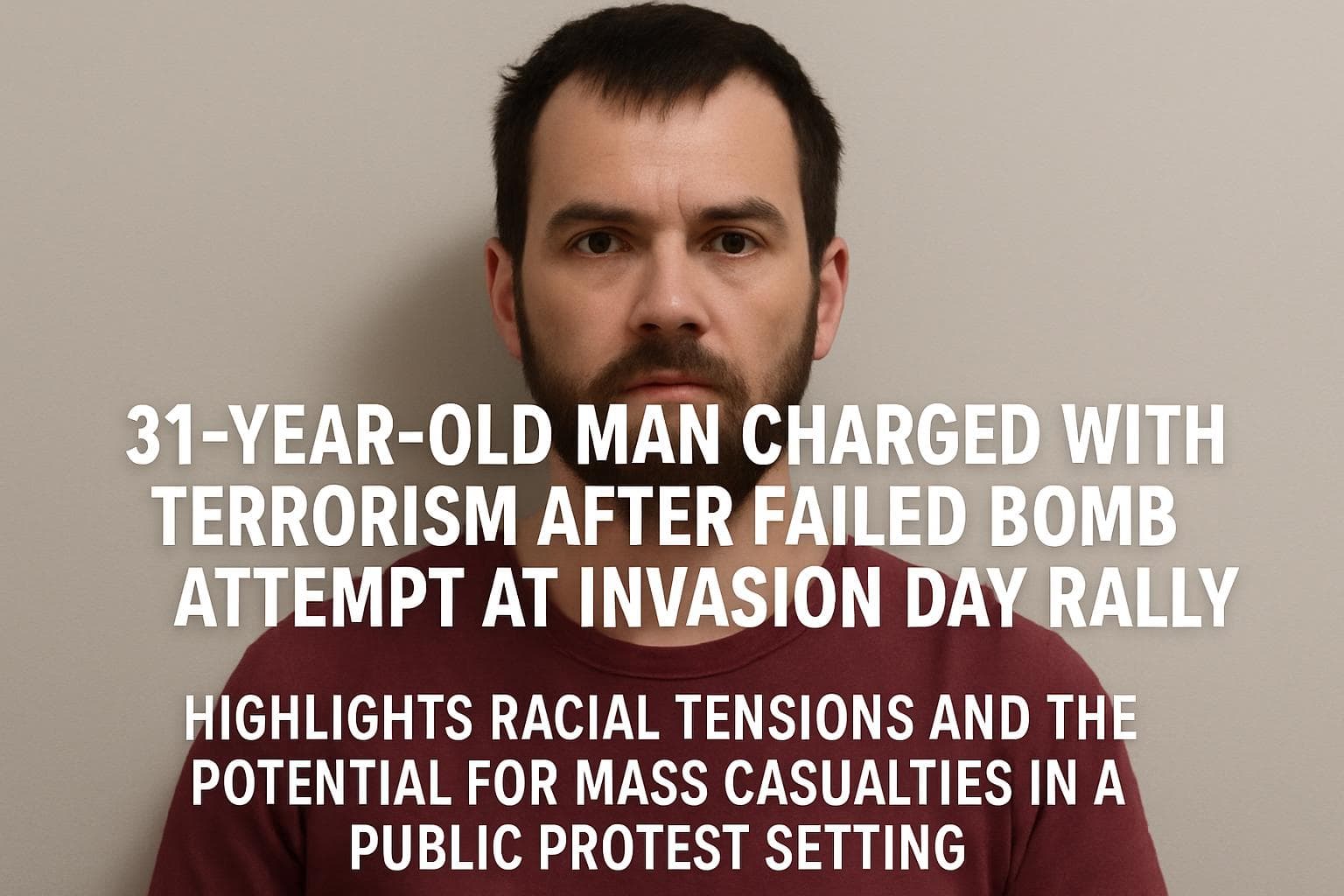
- A 31-year-old man has been charged with terrorism after allegedly throwing a homemade explosive device at an Invasion Day rally in Perth on January 26.
- The device, filled with ball bearings and screws, failed to detonate, averting a potential mass casualty event.
- Authorities allege the attack was motivated by hateful, racist ideology, targeting Aboriginal Australians and other peaceful protesters.
- This marks the first time terrorism charges have been laid in Western Australia, with the accused facing a maximum penalty of life imprisonment.
- The man, whose identity is suppressed, is remanded in custody and will appear in Perth Magistrates Court on February 17.
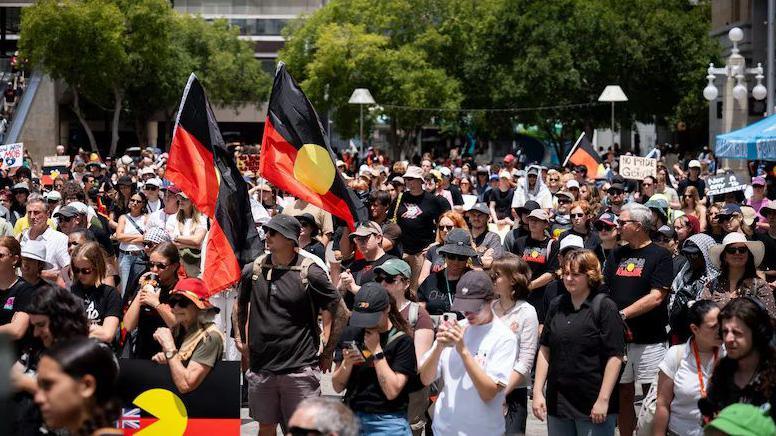
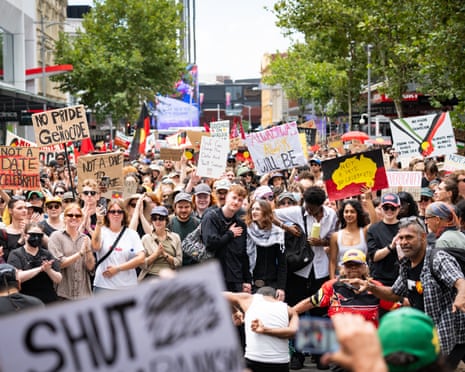
In a significant legal development, a 31-year-old man has been charged with terrorism following an alleged attempt to bomb an Invasion Day rally in Perth. The incident, which took place on January 26, involved a homemade explosive device being thrown into a crowd of approximately 2,500 people gathered to protest Australia Day, a date known as Invasion Day among Indigenous Australians.
Incident Details and Immediate Response
The explosive device, reportedly packed with ball bearings and screws, was hurled from a balcony into the crowd but failed to detonate. Authorities have stated that had the device exploded, it could have resulted in a mass casualty event. West Australian Premier Roger Cook emphasized the gravity of the situation, noting the potential for significant injuries and loss of life. The accused, whose identity remains undisclosed for safety reasons, was initially charged with committing an unlawful act with intent to harm and possessing explosives under suspicious circumstances.
Motivations and Legal Context
The attack is alleged to have been driven by a hateful, racist ideology, specifically targeting Aboriginal Australians and their supporters. This case marks the first instance of terrorism charges being filed in Western Australia, carrying a maximum penalty of life imprisonment. Police Commissioner Col Blanch revealed that the accused acted alone and was self-radicalized, having accessed "pro-white male, pro-white material online."
Investigation and Community Impact
The Australian Federal Police and ASIO were involved in the investigation shortly after the incident, ensuring there was no ongoing threat to the community. Commissioner Krissy Barrett assured the public that the joint counter-terrorism team found no residual risk. Addressing the First Nations people, Barrett affirmed their right to protest peacefully without facing violence, underscoring the commitment of law enforcement to combat hate and violence.
WHAT THIS MIGHT MEAN
As the case progresses, the upcoming court appearance on February 17 will be pivotal in determining the legal trajectory for the accused. The charges could set a precedent for how similar cases are handled in Western Australia, potentially influencing future legal frameworks around terrorism and hate crimes. Politically, the incident has reignited discussions on racial tensions and the safety of public protests, prompting calls for enhanced security measures and community engagement to address underlying societal issues. Experts suggest that this case may lead to increased scrutiny of online radicalization pathways and the effectiveness of current counter-terrorism strategies.
Images from the Web
Related Articles
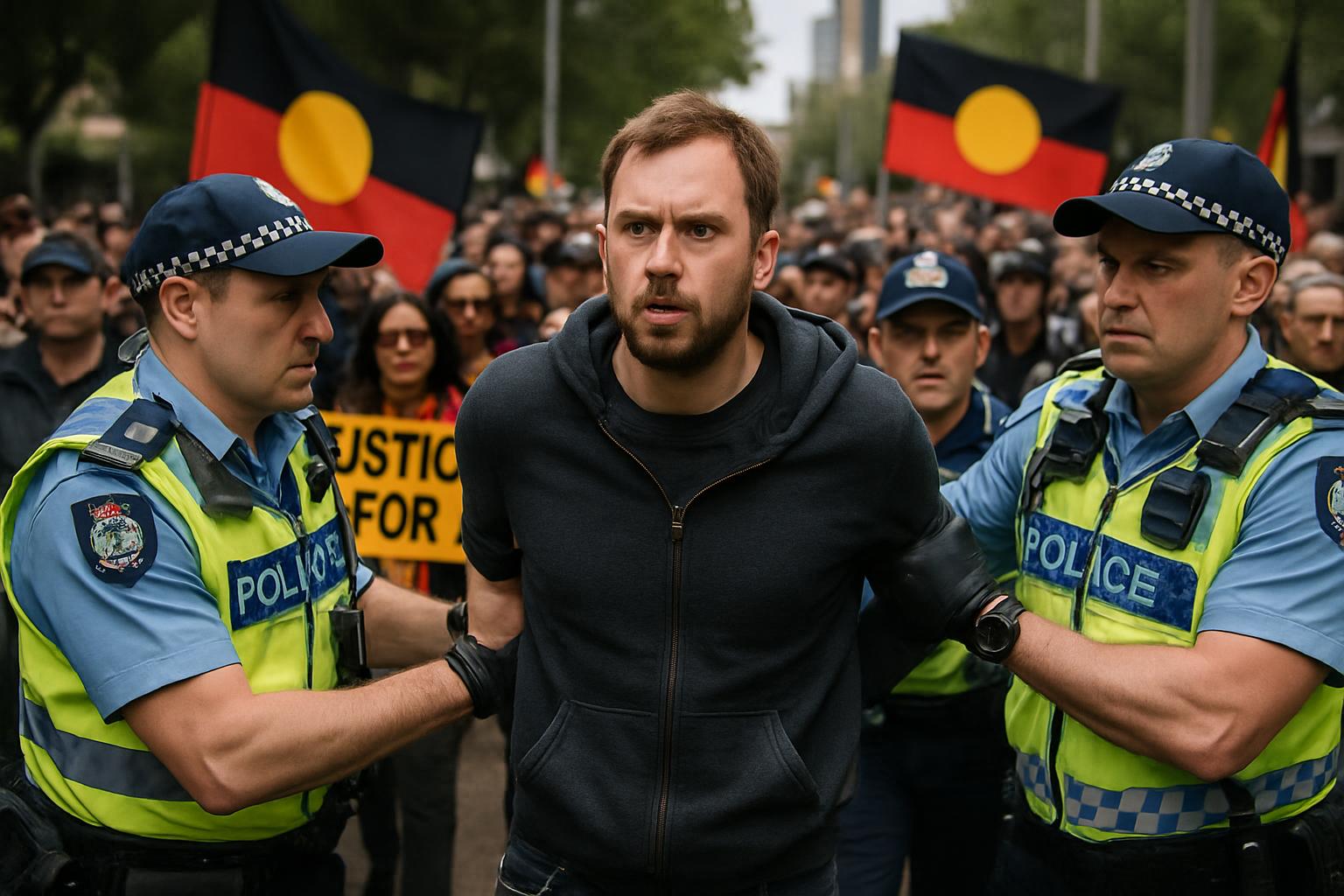
Perth Rally Bomb Suspect Faces Serious Charges Amid Calls for Justice
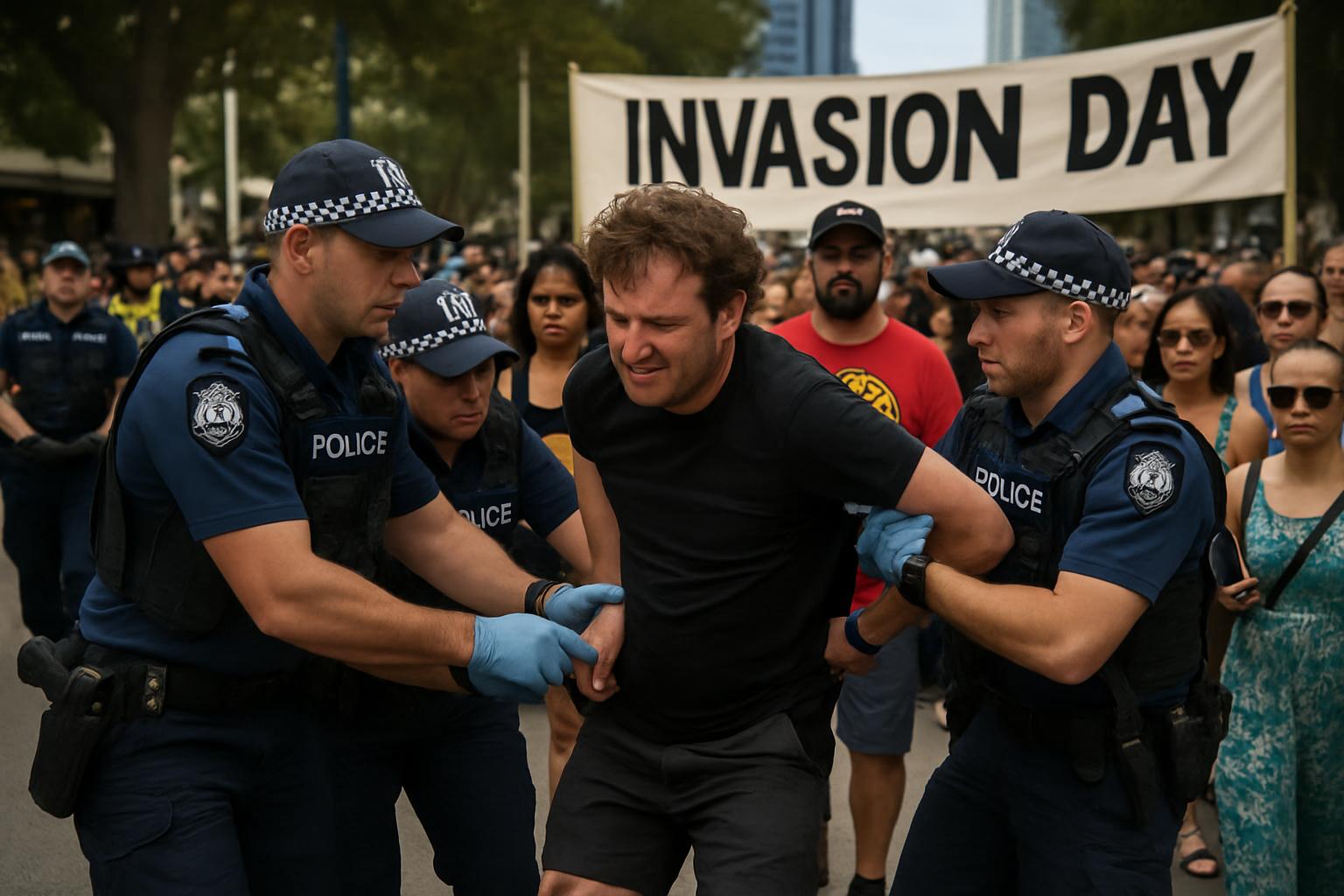
Explosive Device Thrown at Perth Invasion Day Rally Sparks Arrest and Charges

British Backpacker Jailed for Fatal E-Scooter Crash in Australia
Manhunt for Dezi Freeman: Sovereign Citizen Suspected in Fatal Police Shooting

Australia Braces for Record-Breaking Heatwave Amid National Day Celebrations
Bondi Beach Shooting: Alleged Gunmen Acted Alone, Say Australian Police
Terrorism Charges Filed Over Alleged Bombing Attempt at Invasion Day Rally in Perth
In This Article
 Sofia Romano| Published
 HIGHLIGHTS
- A 31-year-old man has been charged with terrorism after allegedly throwing a homemade explosive device at an Invasion Day rally in Perth on January 26.
- The device, filled with ball bearings and screws, failed to detonate, averting a potential mass casualty event.
- Authorities allege the attack was motivated by hateful, racist ideology, targeting Aboriginal Australians and other peaceful protesters.
- This marks the first time terrorism charges have been laid in Western Australia, with the accused facing a maximum penalty of life imprisonment.
- The man, whose identity is suppressed, is remanded in custody and will appear in Perth Magistrates Court on February 17.
In a significant legal development, a 31-year-old man has been charged with terrorism following an alleged attempt to bomb an Invasion Day rally in Perth. The incident, which took place on January 26, involved a homemade explosive device being thrown into a crowd of approximately 2,500 people gathered to protest Australia Day, a date known as Invasion Day among Indigenous Australians.
Incident Details and Immediate Response
The explosive device, reportedly packed with ball bearings and screws, was hurled from a balcony into the crowd but failed to detonate. Authorities have stated that had the device exploded, it could have resulted in a mass casualty event. West Australian Premier Roger Cook emphasized the gravity of the situation, noting the potential for significant injuries and loss of life. The accused, whose identity remains undisclosed for safety reasons, was initially charged with committing an unlawful act with intent to harm and possessing explosives under suspicious circumstances.
Motivations and Legal Context
The attack is alleged to have been driven by a hateful, racist ideology, specifically targeting Aboriginal Australians and their supporters. This case marks the first instance of terrorism charges being filed in Western Australia, carrying a maximum penalty of life imprisonment. Police Commissioner Col Blanch revealed that the accused acted alone and was self-radicalized, having accessed "pro-white male, pro-white material online."
Investigation and Community Impact
The Australian Federal Police and ASIO were involved in the investigation shortly after the incident, ensuring there was no ongoing threat to the community. Commissioner Krissy Barrett assured the public that the joint counter-terrorism team found no residual risk. Addressing the First Nations people, Barrett affirmed their right to protest peacefully without facing violence, underscoring the commitment of law enforcement to combat hate and violence.
WHAT THIS MIGHT MEAN
As the case progresses, the upcoming court appearance on February 17 will be pivotal in determining the legal trajectory for the accused. The charges could set a precedent for how similar cases are handled in Western Australia, potentially influencing future legal frameworks around terrorism and hate crimes. Politically, the incident has reignited discussions on racial tensions and the safety of public protests, prompting calls for enhanced security measures and community engagement to address underlying societal issues. Experts suggest that this case may lead to increased scrutiny of online radicalization pathways and the effectiveness of current counter-terrorism strategies.
Images from the Web
Related Articles
Perth Rally Bomb Suspect Faces Serious Charges Amid Calls for Justice
Explosive Device Thrown at Perth Invasion Day Rally Sparks Arrest and Charges
British Backpacker Jailed for Fatal E-Scooter Crash in Australia
Manhunt for Dezi Freeman: Sovereign Citizen Suspected in Fatal Police Shooting
Australia Braces for Record-Breaking Heatwave Amid National Day Celebrations
Bondi Beach Shooting: Alleged Gunmen Acted Alone, Say Australian Police