
Bondi Beach Shooting: Alleged Gunmen Acted Alone, Say Australian Police
In This Article
HIGHLIGHTS
- Australian police confirm Sajid and Naveed Akram acted alone in the Bondi Beach shooting, with no ties to a broader terror cell.
- The alleged gunmen traveled to the Philippines but did not receive training or logistical support for the attack.
- CCTV footage from the Philippines is under review, supporting the theory that the Akrams acted independently.
- Naveed Akram faces 59 charges, including 15 counts of murder, and is set to appear in court in April.
- Prime Minister Anthony Albanese resists calls for a federal royal commission, citing ongoing investigations and expert reviews.
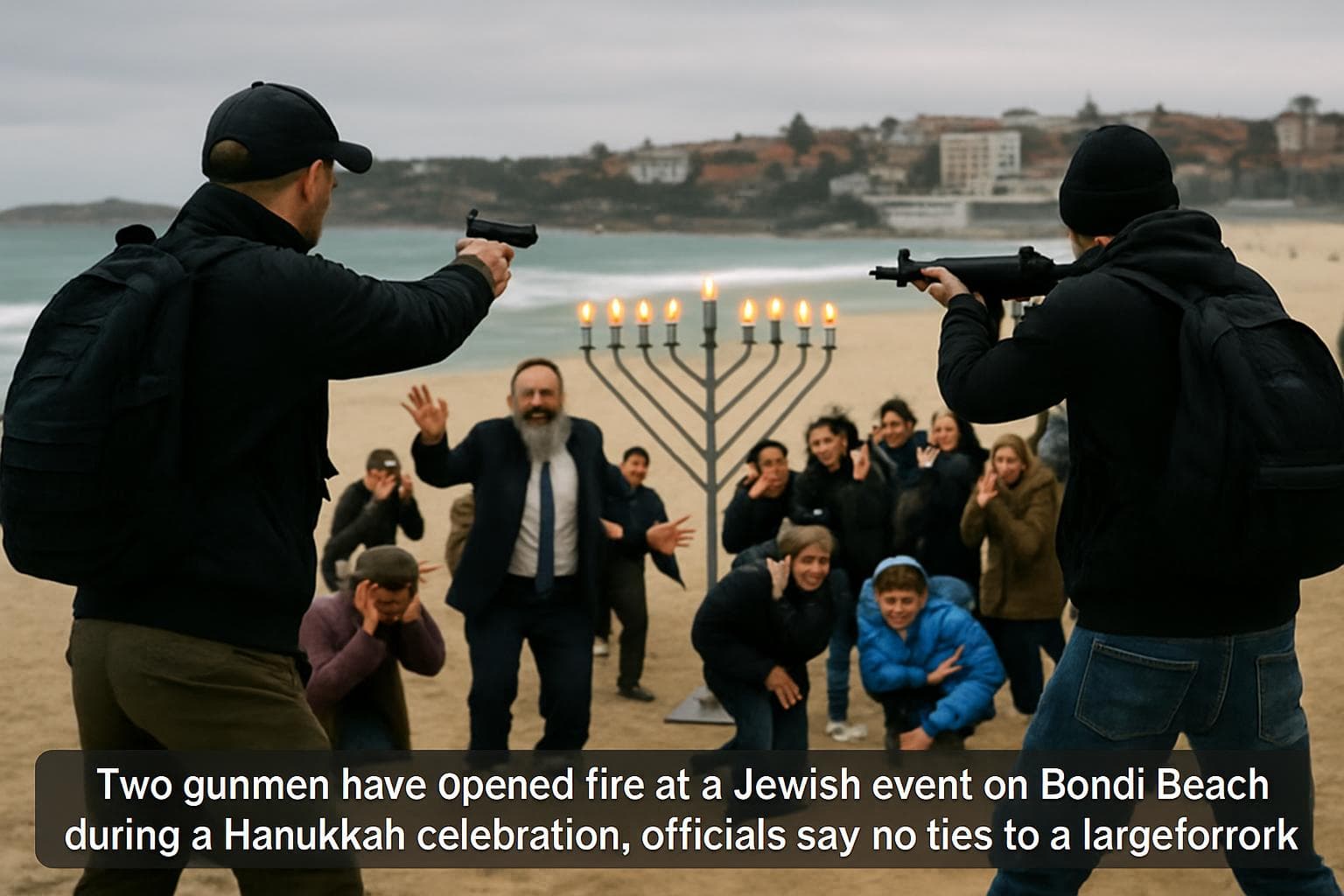
Australian authorities have confirmed that the two men accused of carrying out a deadly shooting at a Jewish event on Bondi Beach acted independently, without ties to a larger terrorist network. Sajid Akram, 50, and his son Naveed Akram, 24, are alleged to have killed 15 people during a Hanukkah celebration on December 14, in what has been declared Australia's worst mass shooting since 1996.
Independent Actions Confirmed
Australian Federal Police Commissioner Krissy Barrett stated that initial investigations, supported by CCTV footage, indicate the Akrams acted alone. "There is no evidence to suggest these alleged offenders were part of a broader terrorist cell," Barrett said during a press conference. The pair had traveled to the Philippines from November 1 to November 29, but police found no signs of training or logistical preparation for the attack during their stay.
Travel to the Philippines
The Akrams' trip to the Philippines has been scrutinized, with authorities confirming they spent most of their time in Davao City. Despite the region's history of Islamist militant activity, local police reported that the father and son rarely left their hotel. Commissioner Barrett emphasized that while the investigation is ongoing, there is no current evidence linking their travel to the attack's planning.
Legal Proceedings and Political Response
Naveed Akram, who survived the attack, has been charged with 59 offenses, including 15 counts of murder and one of committing a terrorist act. He is scheduled to face court in April. Meanwhile, Prime Minister Anthony Albanese has resisted calls for a federal royal commission into the attack and antisemitism in Australia, despite pressure from victims' families and community leaders. Albanese argues that existing investigations and expert reviews are sufficient to address the incident.
WHAT THIS MIGHT MEAN
As the investigation continues, authorities may uncover new evidence that could alter the current understanding of the Bondi Beach shooting. If further links to terrorist networks are discovered, it could prompt a reassessment of Australia's security measures and international cooperation strategies. Politically, the pressure on Prime Minister Albanese to initiate a federal royal commission may intensify, especially if public confidence in the current investigative processes wanes. The outcome of Naveed Akram's trial will also be pivotal, potentially influencing future legal and policy decisions related to terrorism and public safety in Australia.
Related Articles
Canada Calls for De-escalation Amid US-Israel Strikes on Iran

Canada and Australia Forge Strategic Partnership Amid Global Uncertainty

Trump's New Tariff Strategy Sparks Global Trade Uncertainty

Trump Raises Import Tariffs to 15% After Supreme Court Setback

Anna Murdoch-Mann: Influential Figure in Media and Philanthropy Dies at 81
Prince Andrew's Arrest Raises Questions About Royal Succession and Monarchy's Future
Bondi Beach Shooting: Alleged Gunmen Acted Alone, Say Australian Police
In This Article
 Ethan Brooks| Published
 HIGHLIGHTS
- Australian police confirm Sajid and Naveed Akram acted alone in the Bondi Beach shooting, with no ties to a broader terror cell.
- The alleged gunmen traveled to the Philippines but did not receive training or logistical support for the attack.
- CCTV footage from the Philippines is under review, supporting the theory that the Akrams acted independently.
- Naveed Akram faces 59 charges, including 15 counts of murder, and is set to appear in court in April.
- Prime Minister Anthony Albanese resists calls for a federal royal commission, citing ongoing investigations and expert reviews.
Australian authorities have confirmed that the two men accused of carrying out a deadly shooting at a Jewish event on Bondi Beach acted independently, without ties to a larger terrorist network. Sajid Akram, 50, and his son Naveed Akram, 24, are alleged to have killed 15 people during a Hanukkah celebration on December 14, in what has been declared Australia's worst mass shooting since 1996.
Independent Actions Confirmed
Australian Federal Police Commissioner Krissy Barrett stated that initial investigations, supported by CCTV footage, indicate the Akrams acted alone. "There is no evidence to suggest these alleged offenders were part of a broader terrorist cell," Barrett said during a press conference. The pair had traveled to the Philippines from November 1 to November 29, but police found no signs of training or logistical preparation for the attack during their stay.
Travel to the Philippines
The Akrams' trip to the Philippines has been scrutinized, with authorities confirming they spent most of their time in Davao City. Despite the region's history of Islamist militant activity, local police reported that the father and son rarely left their hotel. Commissioner Barrett emphasized that while the investigation is ongoing, there is no current evidence linking their travel to the attack's planning.
Legal Proceedings and Political Response
Naveed Akram, who survived the attack, has been charged with 59 offenses, including 15 counts of murder and one of committing a terrorist act. He is scheduled to face court in April. Meanwhile, Prime Minister Anthony Albanese has resisted calls for a federal royal commission into the attack and antisemitism in Australia, despite pressure from victims' families and community leaders. Albanese argues that existing investigations and expert reviews are sufficient to address the incident.
WHAT THIS MIGHT MEAN
As the investigation continues, authorities may uncover new evidence that could alter the current understanding of the Bondi Beach shooting. If further links to terrorist networks are discovered, it could prompt a reassessment of Australia's security measures and international cooperation strategies. Politically, the pressure on Prime Minister Albanese to initiate a federal royal commission may intensify, especially if public confidence in the current investigative processes wanes. The outcome of Naveed Akram's trial will also be pivotal, potentially influencing future legal and policy decisions related to terrorism and public safety in Australia.
Related Articles
Canada Calls for De-escalation Amid US-Israel Strikes on Iran
Canada and Australia Forge Strategic Partnership Amid Global Uncertainty
Trump's New Tariff Strategy Sparks Global Trade Uncertainty
Trump Raises Import Tariffs to 15% After Supreme Court Setback
Anna Murdoch-Mann: Influential Figure in Media and Philanthropy Dies at 81
Prince Andrew's Arrest Raises Questions About Royal Succession and Monarchy's Future