
The Entertainer Toy Chain Transitions to Employee Ownership
In This Article
HIGHLIGHTS
- Gary Grant, founder of The Entertainer, is transferring 100% ownership of the toy chain to its 1,900 employees through an employee ownership trust.
- The Entertainer, established in 1981, has grown to 160 stores and over 1,000 concessions, including partnerships with Tesco and Matalan.
- The Grant family will receive financial compensation from future profits, while employees will benefit from tax-free bonuses based on company performance.
- The transition is set to complete by the end of September, with Gary Grant stepping down as chair and Andrew Murphy taking over leadership.
- The Entertainer's Christian ethos, including not opening on Sundays and donating 10% of profits to charity, remains central to its operations.
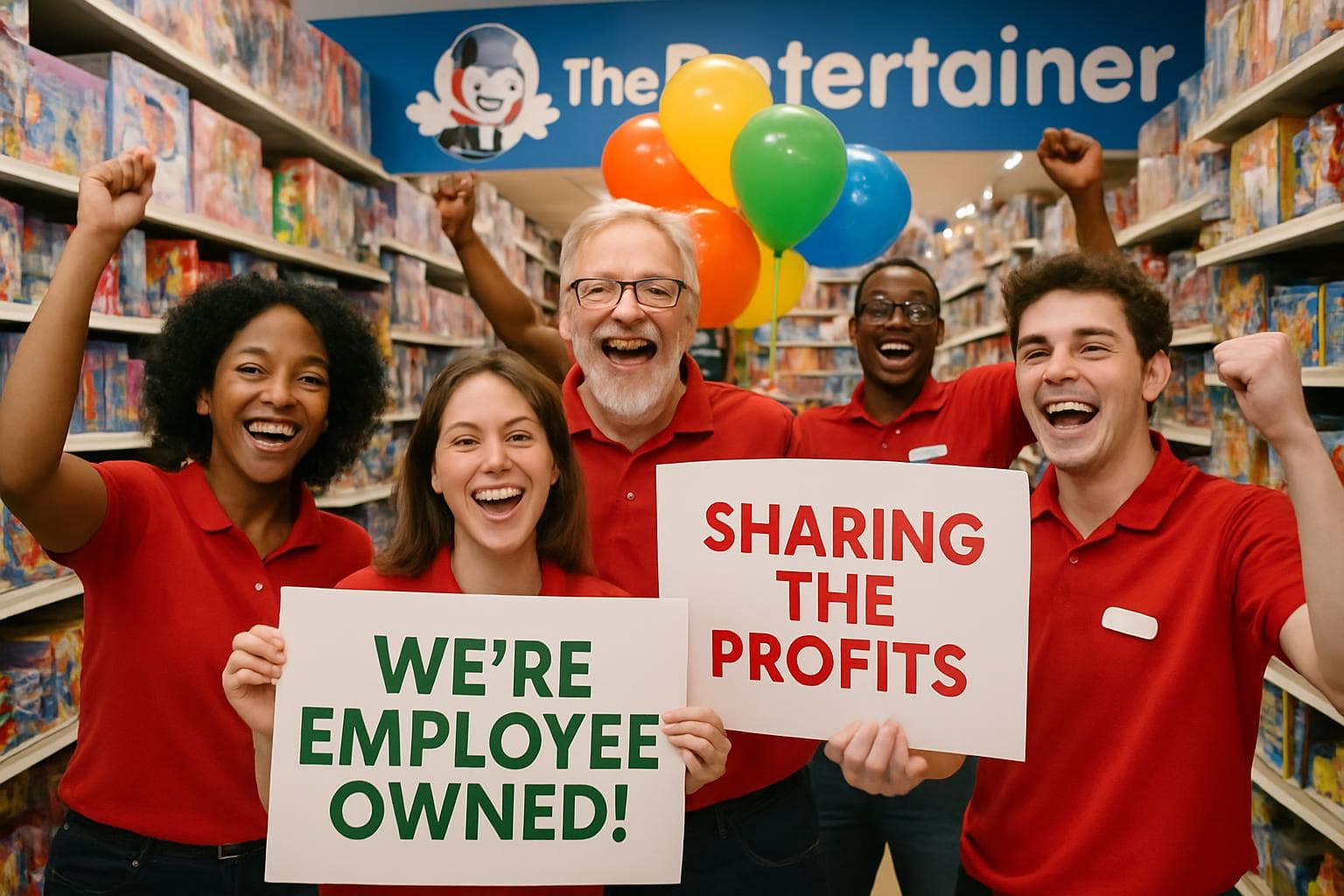
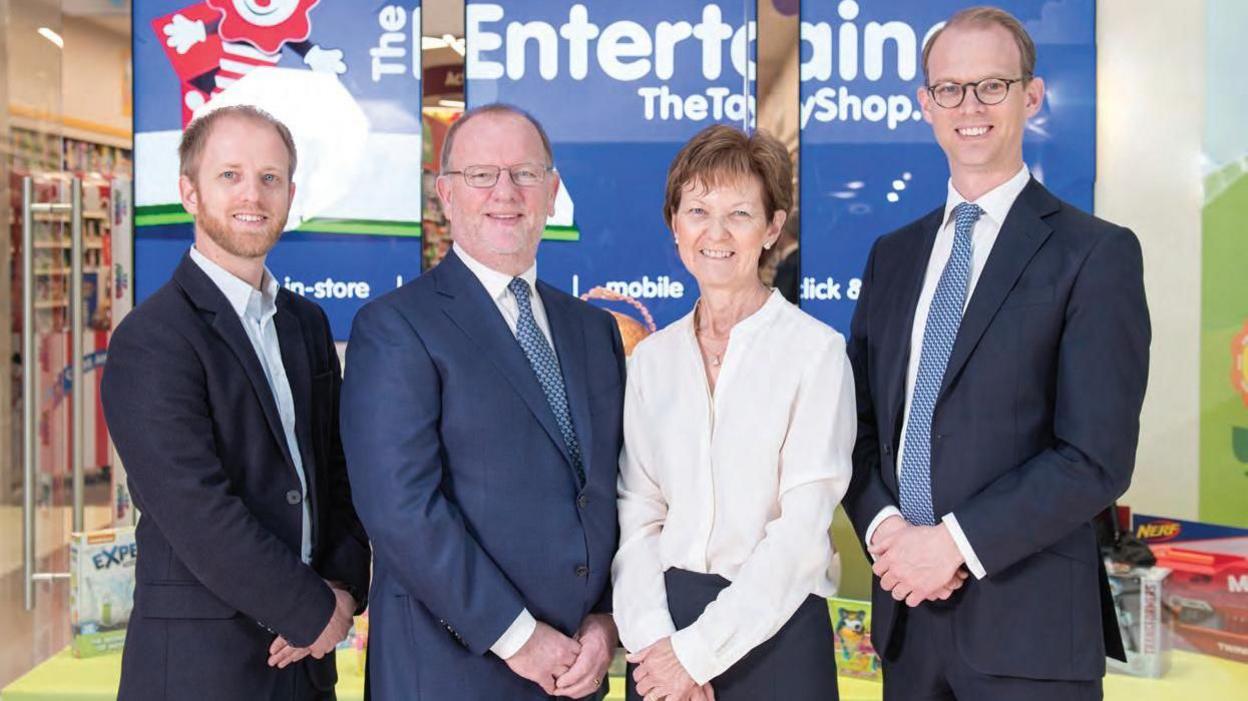
In a landmark move for the UK's retail industry, Gary Grant, the founder of The Entertainer, is transferring full ownership of the nation's largest toy retailer to its 1,900 employees. This transition to an employee ownership trust marks a significant shift in the company's structure, promising employees a share in profits and a voice in the business's future direction.
A Family Legacy
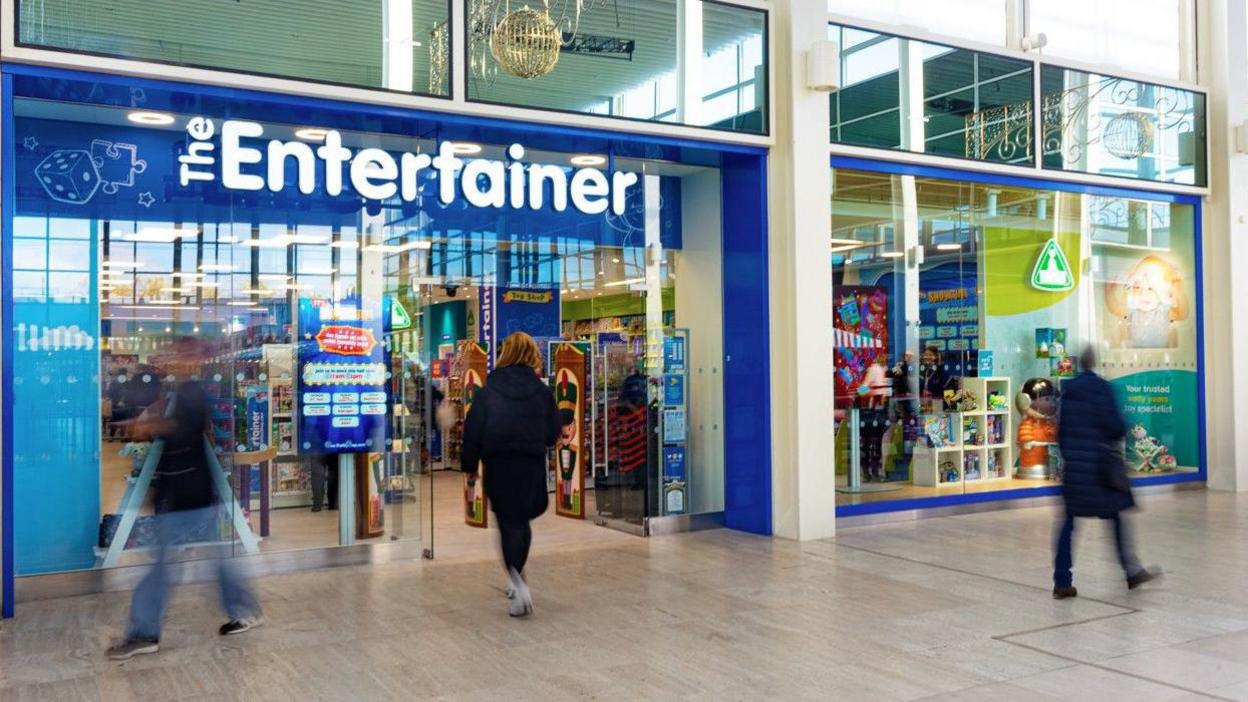
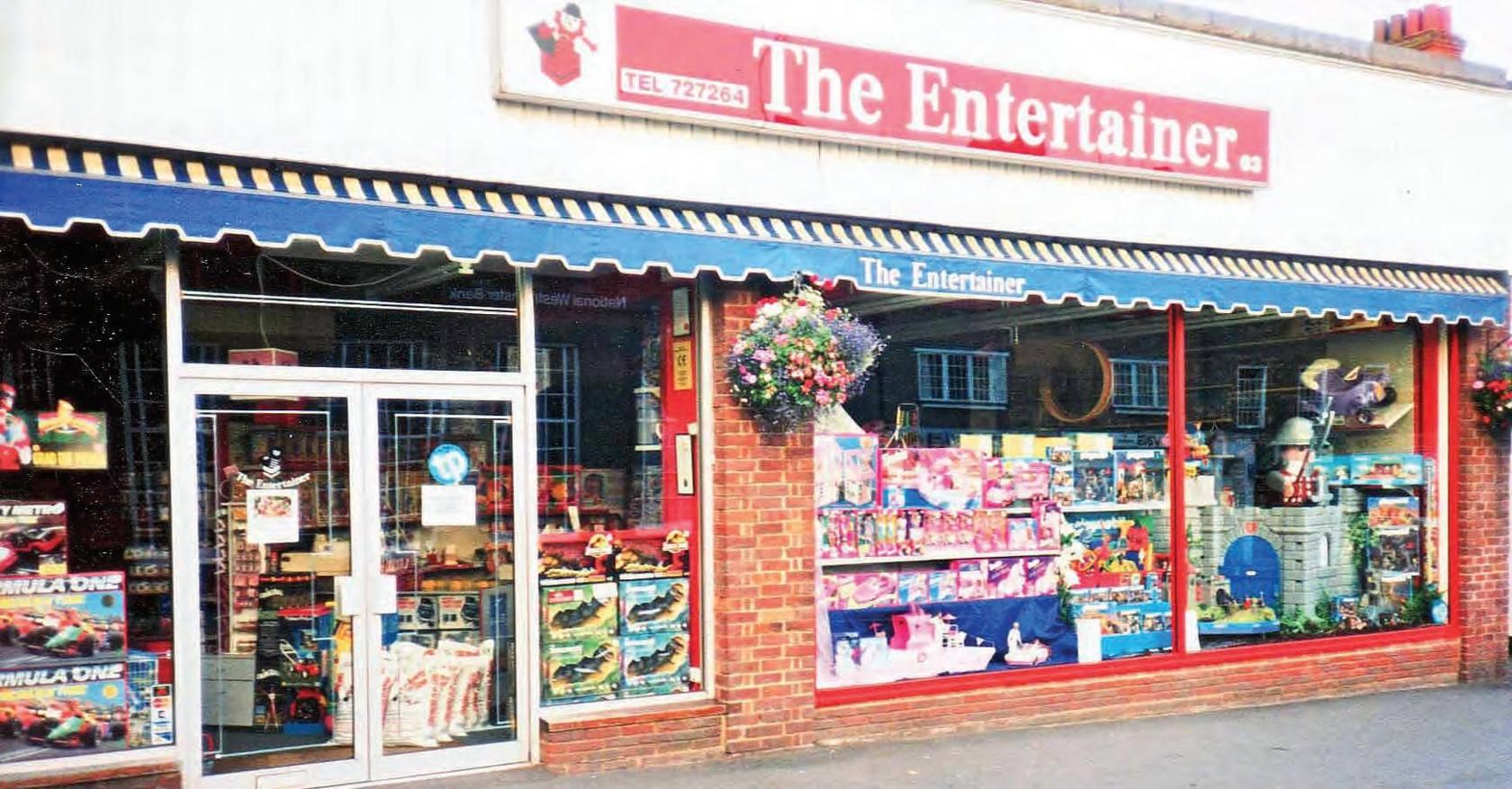
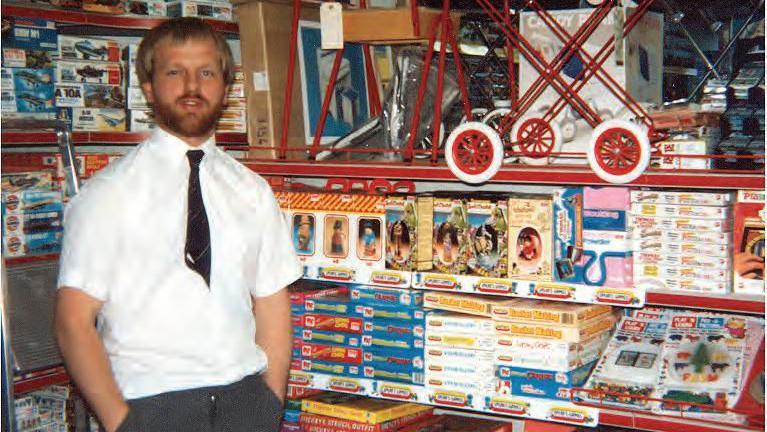
Founded in 1981 by Gary and Catherine Grant, The Entertainer has expanded from a single shop in Amersham, Buckinghamshire, to a sprawling empire of 160 stores across the UK. The company also boasts over 1,000 concessions in major retailers like Tesco and Matalan, alongside a robust online and international presence. Despite challenges such as the 2008 financial crisis and the COVID-19 pandemic, The Entertainer has thrived, posting pre-tax profits of £6.7 million in its latest accounts.
Employee Empowerment and Profit Sharing
The transition to employee ownership is set to complete by the end of September. Under this new structure, employees will receive tax-free bonuses tied to the company's profitability. The Grant family, who recently received a £15.6 million dividend, will be compensated from future profits for their shareholding transfer. An employee advisory board will be established to guide the company's future, ensuring that staff have a meaningful say in its operations.
Leadership Transition
As part of the transition, Gary Grant will step down as chair, with Andrew Murphy, a former John Lewis executive, taking the helm. Murphy's experience with employee-owned businesses is expected to be instrumental in guiding The Entertainer through this new chapter. Grant's sons, who have been involved in the business, will also step back, marking a full transition of leadership.
A Commitment to Values
The Entertainer's Christian ethos, which includes closing stores on Sundays and donating 10% of profits to charity, remains a cornerstone of its operations. Employees like Jess Payne and Lee Adlam have expressed excitement about the transition, highlighting the company's commitment to valuing its workforce. "It's really exciting for us," Payne noted, emphasizing the newfound influence employees will have.
WHAT THIS MIGHT MEAN
The transition of The Entertainer to an employee ownership trust could set a precedent for other family-owned businesses considering succession planning. By empowering employees with a stake in the company, The Entertainer may foster increased loyalty and motivation, potentially driving further growth. However, the success of this model will depend on effective leadership and the ability to maintain the company's core values amidst change.
As Andrew Murphy assumes leadership, his experience with employee-owned businesses will be crucial in navigating potential challenges. The retail industry will be watching closely to see if this move enhances The Entertainer's resilience in a competitive market. If successful, it could inspire similar transitions across the sector, promoting a more inclusive and sustainable business model.
Images from the Web
Related Articles
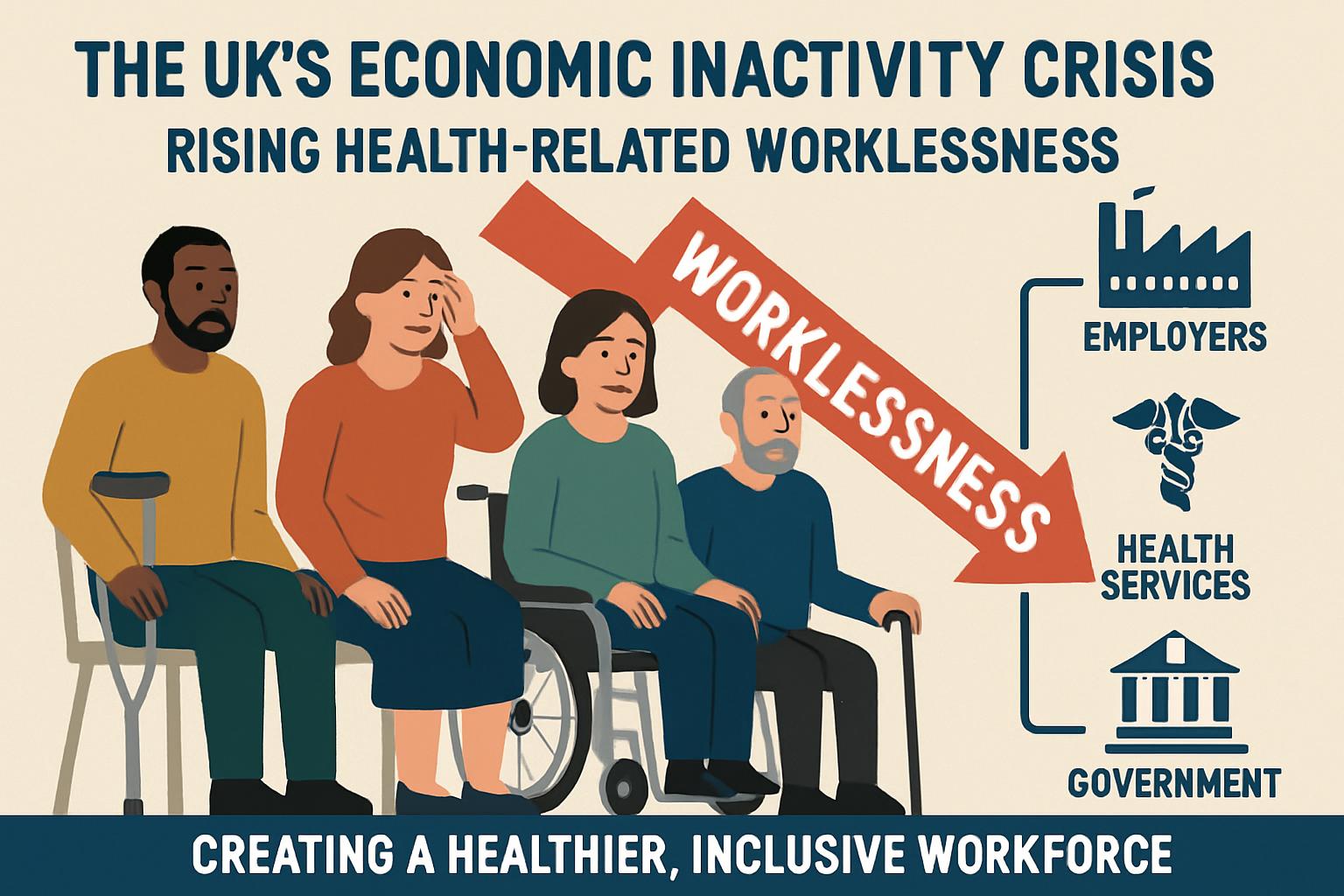
UK Faces Economic Inactivity Crisis as Health-Related Worklessness Costs Employers £85bn Annually
Global Counsel Faces Collapse Amidst Epstein Scandal Fallout

Tesco's Welsh Signage Error in Cornwall Sparks Calls for Cornish Language Promotion

Headline:

Basildon Council Seeks Election Cancellation Amid Reorganisation Plans

Tesco and M&S Report Robust Christmas Food Sales Amid Economic Challenges
The Entertainer Toy Chain Transitions to Employee Ownership
In This Article
 Marcus Blake| Published
 HIGHLIGHTS
- Gary Grant, founder of The Entertainer, is transferring 100% ownership of the toy chain to its 1,900 employees through an employee ownership trust.
- The Entertainer, established in 1981, has grown to 160 stores and over 1,000 concessions, including partnerships with Tesco and Matalan.
- The Grant family will receive financial compensation from future profits, while employees will benefit from tax-free bonuses based on company performance.
- The transition is set to complete by the end of September, with Gary Grant stepping down as chair and Andrew Murphy taking over leadership.
- The Entertainer's Christian ethos, including not opening on Sundays and donating 10% of profits to charity, remains central to its operations.
In a landmark move for the UK's retail industry, Gary Grant, the founder of The Entertainer, is transferring full ownership of the nation's largest toy retailer to its 1,900 employees. This transition to an employee ownership trust marks a significant shift in the company's structure, promising employees a share in profits and a voice in the business's future direction.
A Family Legacy
Founded in 1981 by Gary and Catherine Grant, The Entertainer has expanded from a single shop in Amersham, Buckinghamshire, to a sprawling empire of 160 stores across the UK. The company also boasts over 1,000 concessions in major retailers like Tesco and Matalan, alongside a robust online and international presence. Despite challenges such as the 2008 financial crisis and the COVID-19 pandemic, The Entertainer has thrived, posting pre-tax profits of £6.7 million in its latest accounts.
Employee Empowerment and Profit Sharing
The transition to employee ownership is set to complete by the end of September. Under this new structure, employees will receive tax-free bonuses tied to the company's profitability. The Grant family, who recently received a £15.6 million dividend, will be compensated from future profits for their shareholding transfer. An employee advisory board will be established to guide the company's future, ensuring that staff have a meaningful say in its operations.
Leadership Transition
As part of the transition, Gary Grant will step down as chair, with Andrew Murphy, a former John Lewis executive, taking the helm. Murphy's experience with employee-owned businesses is expected to be instrumental in guiding The Entertainer through this new chapter. Grant's sons, who have been involved in the business, will also step back, marking a full transition of leadership.
A Commitment to Values
The Entertainer's Christian ethos, which includes closing stores on Sundays and donating 10% of profits to charity, remains a cornerstone of its operations. Employees like Jess Payne and Lee Adlam have expressed excitement about the transition, highlighting the company's commitment to valuing its workforce. "It's really exciting for us," Payne noted, emphasizing the newfound influence employees will have.
WHAT THIS MIGHT MEAN
The transition of The Entertainer to an employee ownership trust could set a precedent for other family-owned businesses considering succession planning. By empowering employees with a stake in the company, The Entertainer may foster increased loyalty and motivation, potentially driving further growth. However, the success of this model will depend on effective leadership and the ability to maintain the company's core values amidst change.
As Andrew Murphy assumes leadership, his experience with employee-owned businesses will be crucial in navigating potential challenges. The retail industry will be watching closely to see if this move enhances The Entertainer's resilience in a competitive market. If successful, it could inspire similar transitions across the sector, promoting a more inclusive and sustainable business model.
Images from the Web
Related Articles
UK Faces Economic Inactivity Crisis as Health-Related Worklessness Costs Employers £85bn Annually
Global Counsel Faces Collapse Amidst Epstein Scandal Fallout
Tesco's Welsh Signage Error in Cornwall Sparks Calls for Cornish Language Promotion
Headline:
Basildon Council Seeks Election Cancellation Amid Reorganisation Plans
Tesco and M&S Report Robust Christmas Food Sales Amid Economic Challenges