
Rail Disruptions Persist in South-East England After Train Derailment and Signal Failure
In This Article
HIGHLIGHTS
- A train derailment and signal failure in south-east London caused severe disruptions on Southern, Thameslink, and Gatwick Express services.
- The "do not travel" alert was lifted by 10am, but delays and cancellations continued throughout Wednesday.
- The derailment at Selhurst depot blocked other trains, while a signal fault between Norwood Junction and London Blackfriars reduced available rail lines.
- Passengers faced delays of up to 60 minutes, with some routes suspended, including Brighton to Cambridge and London Bridge to East Grinstead.
- Govia Thameslink Railway, the UK's largest rail franchise, apologized for the inconvenience and is working to restore services.
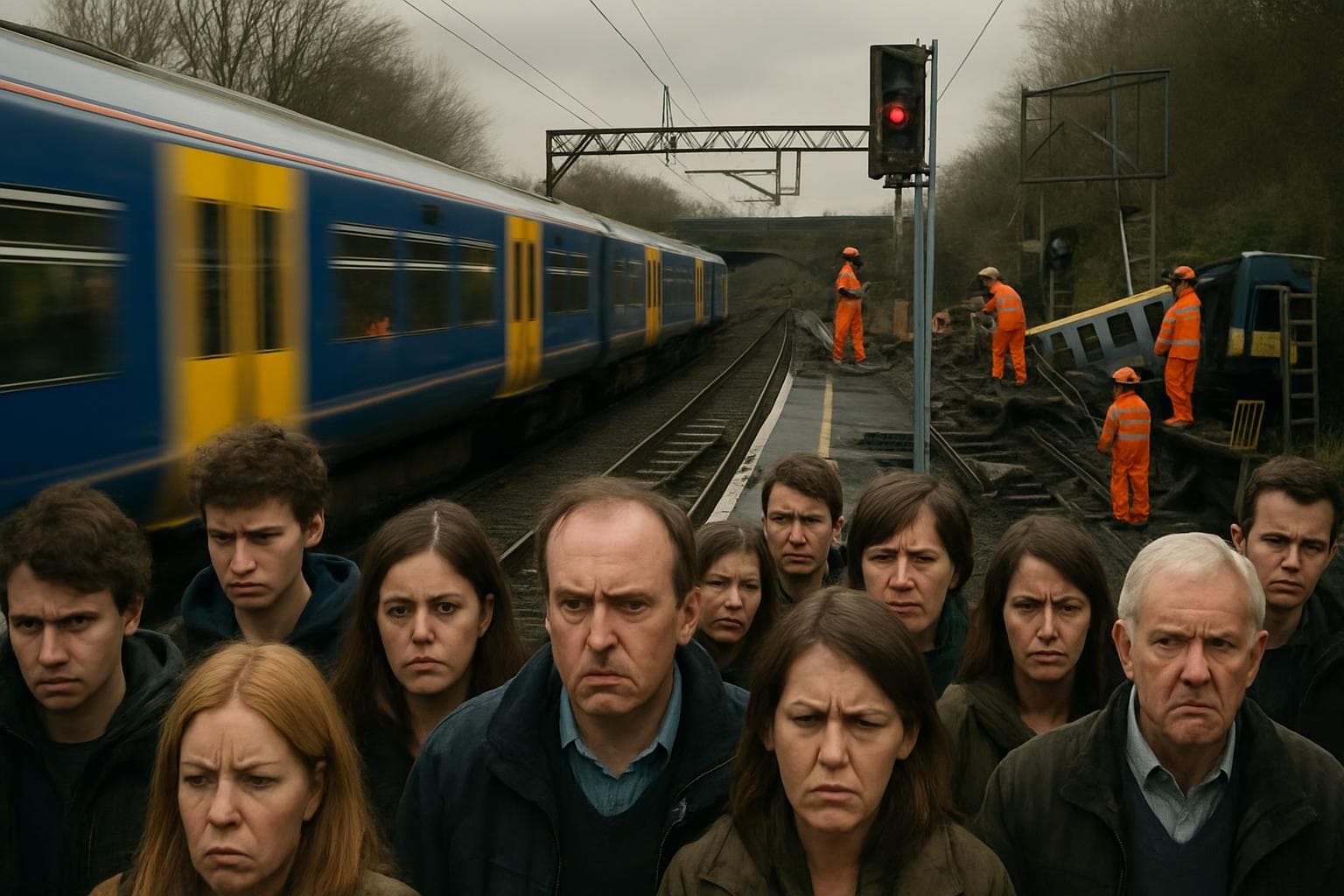
Rail passengers in south-east England faced significant disruptions on Wednesday following a train derailment and a signal failure that affected services across the Southern, Thameslink, and Gatwick Express networks. The issues prompted Govia Thameslink Railway (GTR) to issue a "do not travel" alert early in the morning, urging passengers to avoid using the network if possible.
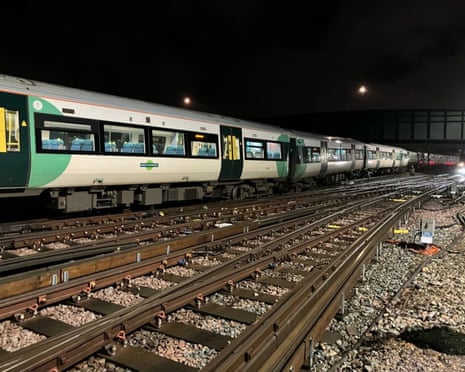
The derailment occurred at the Selhurst depot, blocking other trains from departing, while a signal fault between London Blackfriars and Norwood Junction further compounded the chaos. Although the "do not travel" alert was lifted by 10am, services remained severely disrupted, with delays of up to 60 minutes and several routes suspended, including the Brighton to Cambridge line and services between London Bridge and East Grinstead.
GTR, which carries about 18% of UK train passengers, expressed regret over the inconvenience caused. "We’re very sorry for the disruption that customers have experienced this morning," a spokesperson said. "We’re working with Network Rail to resolve these issues as quickly as possible."
Commuters shared their frustrations as overcrowded platforms and delayed trains became the norm. Liz Wells, a passenger, described her extended journey from East Croydon to London Bridge, which took 90 minutes instead of the usual 20. "The platforms were dangerously overcrowded," she noted. Meanwhile, 18-year-old Harry experienced an hour-long delay on his way to school, while his friend Adi observed growing frustration among fellow passengers.
GTR's engineering director, Steve Lammin, confirmed that a full investigation into the derailment was underway. "The train is now re-railed, but we need to clear the train from the track and then look at the infrastructure to ensure safe operations," he stated. The company anticipates some disruption to continue into Thursday morning as displaced trains and drivers adjust to new schedules.
WHAT THIS MIGHT MEAN
As GTR works to restore normal service, the incident highlights the vulnerabilities in the UK's rail infrastructure. The ongoing nationalization of rail operators, with GTR expected to join in May, could bring changes to management and operations, potentially improving response times to such disruptions. However, the immediate focus remains on resolving the current issues and minimizing passenger inconvenience.
Experts suggest that the incident may prompt a review of safety protocols and infrastructure maintenance to prevent future occurrences. The rail industry faces pressure to enhance reliability and efficiency, especially as it transitions to public ownership. Passengers and stakeholders alike will be watching closely to see how these challenges are addressed in the coming months.
Images from the Web
Related Articles

Breakthrough Drug Offers Hope for Children with Severe Epilepsy

Trump Raises Import Tariffs to 15% After Supreme Court Setback

Arrest of Andrew Mountbatten-Windsor Captured in Iconic Photograph
UK Denies US Use of Military Bases for Potential Iran Strikes Amid Chagos Islands Dispute

Andrew Mountbatten-Windsor Arrested Amid Misconduct Allegations
Andrew Mountbatten-Windsor's Arrest Sparks International Calls for Justice
Rail Disruptions Persist in South-East England After Train Derailment and Signal Failure
In This Article
 Leila Hassan| Published
 HIGHLIGHTS
- A train derailment and signal failure in south-east London caused severe disruptions on Southern, Thameslink, and Gatwick Express services.
- The "do not travel" alert was lifted by 10am, but delays and cancellations continued throughout Wednesday.
- The derailment at Selhurst depot blocked other trains, while a signal fault between Norwood Junction and London Blackfriars reduced available rail lines.
- Passengers faced delays of up to 60 minutes, with some routes suspended, including Brighton to Cambridge and London Bridge to East Grinstead.
- Govia Thameslink Railway, the UK's largest rail franchise, apologized for the inconvenience and is working to restore services.
Rail passengers in south-east England faced significant disruptions on Wednesday following a train derailment and a signal failure that affected services across the Southern, Thameslink, and Gatwick Express networks. The issues prompted Govia Thameslink Railway (GTR) to issue a "do not travel" alert early in the morning, urging passengers to avoid using the network if possible.
The derailment occurred at the Selhurst depot, blocking other trains from departing, while a signal fault between London Blackfriars and Norwood Junction further compounded the chaos. Although the "do not travel" alert was lifted by 10am, services remained severely disrupted, with delays of up to 60 minutes and several routes suspended, including the Brighton to Cambridge line and services between London Bridge and East Grinstead.
GTR, which carries about 18% of UK train passengers, expressed regret over the inconvenience caused. "We’re very sorry for the disruption that customers have experienced this morning," a spokesperson said. "We’re working with Network Rail to resolve these issues as quickly as possible."
Commuters shared their frustrations as overcrowded platforms and delayed trains became the norm. Liz Wells, a passenger, described her extended journey from East Croydon to London Bridge, which took 90 minutes instead of the usual 20. "The platforms were dangerously overcrowded," she noted. Meanwhile, 18-year-old Harry experienced an hour-long delay on his way to school, while his friend Adi observed growing frustration among fellow passengers.
GTR's engineering director, Steve Lammin, confirmed that a full investigation into the derailment was underway. "The train is now re-railed, but we need to clear the train from the track and then look at the infrastructure to ensure safe operations," he stated. The company anticipates some disruption to continue into Thursday morning as displaced trains and drivers adjust to new schedules.
WHAT THIS MIGHT MEAN
As GTR works to restore normal service, the incident highlights the vulnerabilities in the UK's rail infrastructure. The ongoing nationalization of rail operators, with GTR expected to join in May, could bring changes to management and operations, potentially improving response times to such disruptions. However, the immediate focus remains on resolving the current issues and minimizing passenger inconvenience.
Experts suggest that the incident may prompt a review of safety protocols and infrastructure maintenance to prevent future occurrences. The rail industry faces pressure to enhance reliability and efficiency, especially as it transitions to public ownership. Passengers and stakeholders alike will be watching closely to see how these challenges are addressed in the coming months.
Images from the Web
Related Articles
Breakthrough Drug Offers Hope for Children with Severe Epilepsy
Trump Raises Import Tariffs to 15% After Supreme Court Setback
Arrest of Andrew Mountbatten-Windsor Captured in Iconic Photograph
UK Denies US Use of Military Bases for Potential Iran Strikes Amid Chagos Islands Dispute
Andrew Mountbatten-Windsor Arrested Amid Misconduct Allegations
Andrew Mountbatten-Windsor's Arrest Sparks International Calls for Justice