
Trump Administration Releases FBI Files on Martin Luther King Jr Amidst Family Opposition
In This Article
HIGHLIGHTS
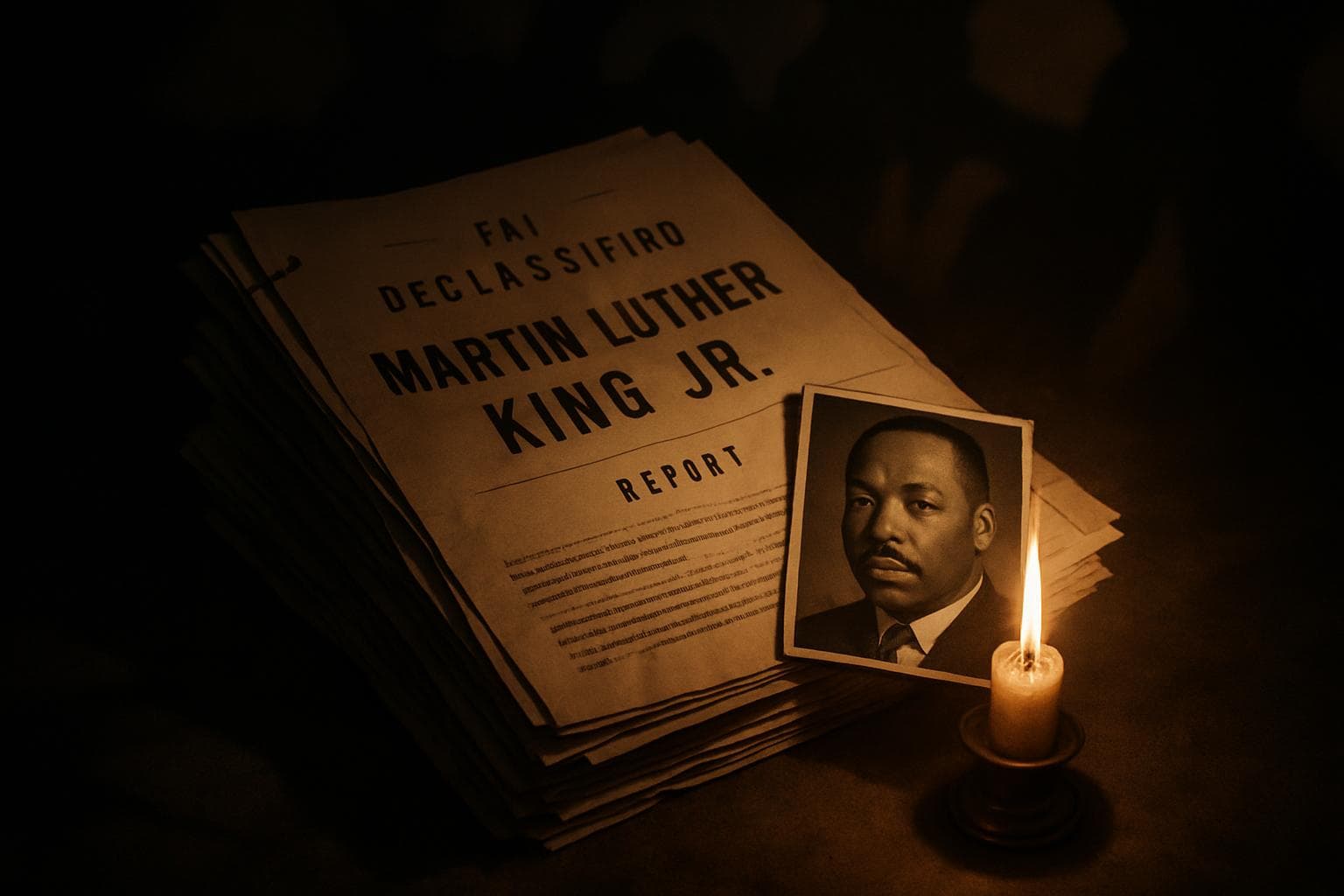
- The Trump administration released 230,000 pages of FBI files on Martin Luther King Jr, previously sealed since 1977.
- King's family, including Martin III and Bernice, opposed the release, fearing misuse that could undermine his legacy.
- The documents reveal extensive FBI surveillance and disinformation campaigns against King, led by J. Edgar Hoover.
- The release coincides with calls for transparency on other sensitive files, such as those related to Jeffrey Epstein.
- Civil rights leaders like Al Sharpton criticize the release as a distraction from Trump's controversies.
In a controversial move, the Trump administration has declassified a vast collection of FBI files related to the assassination of civil rights leader Martin Luther King Jr. The documents, totaling 230,000 pages, had been under a court-imposed seal since 1977. This release has sparked a debate over historical accountability and the potential impact on King's legacy.
Family Concerns and Historical Context
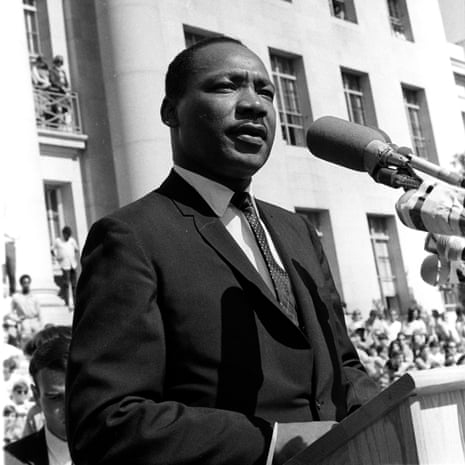
Martin Luther King Jr's surviving children, Martin III and Bernice, expressed their disapproval of the release, urging the public to approach the documents with empathy and respect for their ongoing grief. They highlighted the invasive surveillance and disinformation campaigns orchestrated by J. Edgar Hoover's FBI, which targeted King throughout his life. The family maintains that the assassination was part of a broader conspiracy, not solely the act of convicted gunman James Earl Ray.
Transparency and Political Implications
The release of these files comes at a time when President Trump faces criticism for a lack of transparency regarding other sensitive documents, notably those related to Jeffrey Epstein. While some, like Alveda King, view the declassification as a step towards truth, others, including civil rights leader Al Sharpton, see it as a diversion from Trump's ongoing controversies.
The Legacy of COINTELPRO
The documents shed light on the FBI's COINTELPRO program, which aimed to discredit and dismantle the civil rights movement. King's children argue that these actions were not only invasions of privacy but deliberate attempts to undermine the movement's achievements. They caution against using the files to propagate falsehoods or degrade their father's legacy.
WHAT THIS MIGHT MEAN
The release of these files could reignite discussions about the role of government surveillance in civil rights movements and the ethical implications of such actions. Legal experts may scrutinize the documents for evidence of a broader conspiracy, potentially leading to renewed calls for justice. Politically, the timing of the release could influence public perception of the Trump administration's commitment to transparency, especially as it faces scrutiny over other sensitive matters. As historians and civil rights advocates delve into the files, the narrative surrounding King's assassination may evolve, impacting both his legacy and the broader understanding of the civil rights era.
Images from the Web
Related Articles

New Mexico Reopens Investigation into Jeffrey Epstein's Zorro Ranch

Congress Subpoenas Attorney General Bondi in Epstein Investigation

Armed Intruder Fatally Shot at Mar-a-Lago by Secret Service

Tech Giants Pledge to Cover AI Data Center Energy Costs Amid Rising Electricity Concerns

Prince Andrew's Ties to Epstein Under Scrutiny Amid Calls for Inquiry

Prince Andrew's Arrest Intensifies Scrutiny on Royal Succession and Prince William's Future Role
Trump Administration Releases FBI Files on Martin Luther King Jr Amidst Family Opposition
In This Article
 Ethan Brooks| Published
 HIGHLIGHTS
- The Trump administration released 230,000 pages of FBI files on Martin Luther King Jr, previously sealed since 1977.
- King's family, including Martin III and Bernice, opposed the release, fearing misuse that could undermine his legacy.
- The documents reveal extensive FBI surveillance and disinformation campaigns against King, led by J. Edgar Hoover.
- The release coincides with calls for transparency on other sensitive files, such as those related to Jeffrey Epstein.
- Civil rights leaders like Al Sharpton criticize the release as a distraction from Trump's controversies.
In a controversial move, the Trump administration has declassified a vast collection of FBI files related to the assassination of civil rights leader Martin Luther King Jr. The documents, totaling 230,000 pages, had been under a court-imposed seal since 1977. This release has sparked a debate over historical accountability and the potential impact on King's legacy.
Family Concerns and Historical Context
Martin Luther King Jr's surviving children, Martin III and Bernice, expressed their disapproval of the release, urging the public to approach the documents with empathy and respect for their ongoing grief. They highlighted the invasive surveillance and disinformation campaigns orchestrated by J. Edgar Hoover's FBI, which targeted King throughout his life. The family maintains that the assassination was part of a broader conspiracy, not solely the act of convicted gunman James Earl Ray.
Transparency and Political Implications
The release of these files comes at a time when President Trump faces criticism for a lack of transparency regarding other sensitive documents, notably those related to Jeffrey Epstein. While some, like Alveda King, view the declassification as a step towards truth, others, including civil rights leader Al Sharpton, see it as a diversion from Trump's ongoing controversies.
The Legacy of COINTELPRO
The documents shed light on the FBI's COINTELPRO program, which aimed to discredit and dismantle the civil rights movement. King's children argue that these actions were not only invasions of privacy but deliberate attempts to undermine the movement's achievements. They caution against using the files to propagate falsehoods or degrade their father's legacy.
WHAT THIS MIGHT MEAN
The release of these files could reignite discussions about the role of government surveillance in civil rights movements and the ethical implications of such actions. Legal experts may scrutinize the documents for evidence of a broader conspiracy, potentially leading to renewed calls for justice. Politically, the timing of the release could influence public perception of the Trump administration's commitment to transparency, especially as it faces scrutiny over other sensitive matters. As historians and civil rights advocates delve into the files, the narrative surrounding King's assassination may evolve, impacting both his legacy and the broader understanding of the civil rights era.
Images from the Web
Related Articles
New Mexico Reopens Investigation into Jeffrey Epstein's Zorro Ranch
Congress Subpoenas Attorney General Bondi in Epstein Investigation
Armed Intruder Fatally Shot at Mar-a-Lago by Secret Service
Tech Giants Pledge to Cover AI Data Center Energy Costs Amid Rising Electricity Concerns
Prince Andrew's Ties to Epstein Under Scrutiny Amid Calls for Inquiry
Prince Andrew's Arrest Intensifies Scrutiny on Royal Succession and Prince William's Future Role