
UK Government Steps In as Lindsey Oil Refinery Faces Insolvency Crisis
In This Article
HIGHLIGHTS
- The UK government is funding the official receiver to maintain operations at Lindsey Oil Refinery after its owner, Prax Group, filed for insolvency.
- The insolvency puts 420 direct jobs at risk, with potential impacts on up to 1,000 jobs including contractors and supply chain workers.
- Energy Minister Michael Shanks criticized the company's leadership for failing to provide financial transparency and demanded an investigation into the directors' conduct.
- The government is actively seeking a buyer for the refinery to safeguard jobs and maintain energy security.
- Unite the Union has called for immediate government intervention to protect workers and fuel supplies.
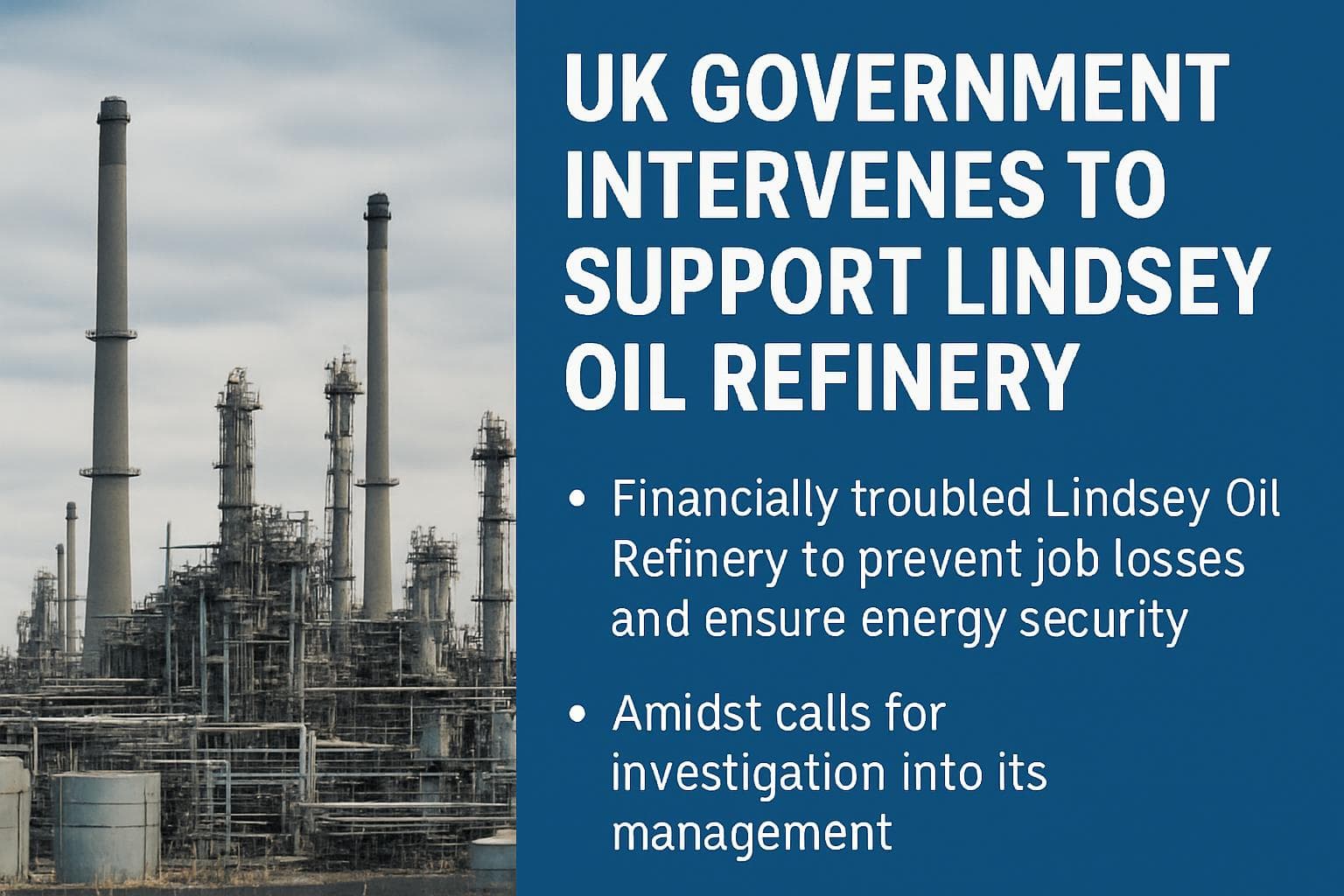
The UK government has stepped in to support the Lindsey Oil Refinery in Immingham, North East Lincolnshire, after its owner, Prax Group, filed for insolvency, putting hundreds of jobs at risk. The refinery, a key component of the UK's energy infrastructure, has been operating under financial strain, with losses amounting to approximately £75 million since its acquisition from French company Total in 2021.
Government Intervention and Job Risks
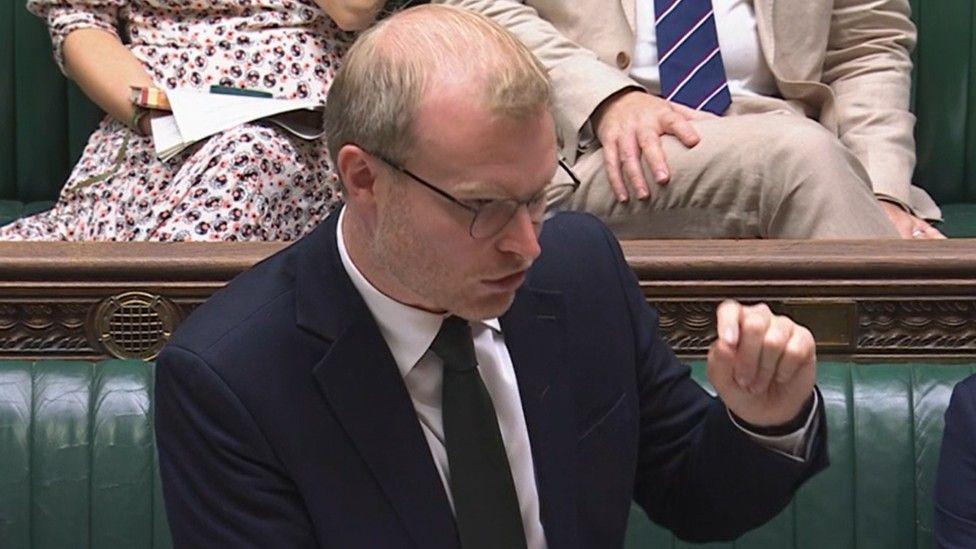
The official receiver has been funded by the government to ensure the refinery continues to operate safely. Energy Minister Michael Shanks announced this measure in the House of Commons, emphasizing the government's commitment to maintaining energy security and supporting the local community. The insolvency threatens 420 direct jobs, with Unite the Union warning that up to 1,000 jobs could be affected when considering contractors and the supply chain.
Calls for Investigation and Accountability
The government has expressed dissatisfaction with the Prax Group's leadership, particularly its failure to provide financial transparency. Shanks criticized the company's directors, led by Sanjeev Kumar Soosaipillai, for not disclosing essential financial information that could have facilitated government assistance. An investigation into the directors' conduct and the circumstances surrounding the insolvency has been demanded by Energy Secretary Ed Miliband.
Seeking Solutions and Future Prospects
Efforts are underway to find a buyer for the refinery to prevent its closure and protect jobs. The government is also exploring alternative uses for the site should a sale not materialize. Unite's general secretary, Sharon Graham, has urged the government to develop both short-term and long-term strategies to safeguard the refinery's operations and the broader oil and gas workforce.
Industry and Community Impact
The refinery's closure would have significant implications, given its capacity represents nearly 10% of the UK's total refining capability. Mick Simpson, a regional officer for Unite, highlighted the potential impact on the local economy and workforce, drawing parallels with the government's intervention in the British Steel plant in Scunthorpe earlier this year.
WHAT THIS MIGHT MEAN
The immediate focus for the UK government is to stabilize operations at the Lindsey Oil Refinery and prevent job losses. Should a buyer be found, it could secure the refinery's future and preserve its role in the UK's energy sector. However, failure to secure a buyer may lead to a reevaluation of the site's potential uses, impacting local employment and energy supply stability.
The investigation into the Prax Group's leadership could lead to broader scrutiny of the oil refinery sector, especially concerning financial transparency and management practices. This situation may prompt the government to consider extending financial support schemes to the struggling oil refinery industry, similar to those available for energy-intensive sectors like steel.
Images from the Web
Related Articles

Diplomatic Tensions Rise as Trump Criticizes Starmer's Iran Policy

Prince Andrew's Ties to Epstein Under Scrutiny Amid Calls for Inquiry

Government Criticized for Mishandling Maccabi Tel Aviv Fan Ban

Prince Andrew's Arrest Intensifies Scrutiny on Royal Succession and Prince William's Future Role

UK Defence Faces Scrutiny Amid Ajax Armoured Vehicle Delays and Soldier Safety Concerns

Government Announces £4 Billion Overhaul of SEND Support in England
UK Government Steps In as Lindsey Oil Refinery Faces Insolvency Crisis
In This Article
 Ethan Brooks| Published
 HIGHLIGHTS
- The UK government is funding the official receiver to maintain operations at Lindsey Oil Refinery after its owner, Prax Group, filed for insolvency.
- The insolvency puts 420 direct jobs at risk, with potential impacts on up to 1,000 jobs including contractors and supply chain workers.
- Energy Minister Michael Shanks criticized the company's leadership for failing to provide financial transparency and demanded an investigation into the directors' conduct.
- The government is actively seeking a buyer for the refinery to safeguard jobs and maintain energy security.
- Unite the Union has called for immediate government intervention to protect workers and fuel supplies.
The UK government has stepped in to support the Lindsey Oil Refinery in Immingham, North East Lincolnshire, after its owner, Prax Group, filed for insolvency, putting hundreds of jobs at risk. The refinery, a key component of the UK's energy infrastructure, has been operating under financial strain, with losses amounting to approximately £75 million since its acquisition from French company Total in 2021.
Government Intervention and Job Risks
The official receiver has been funded by the government to ensure the refinery continues to operate safely. Energy Minister Michael Shanks announced this measure in the House of Commons, emphasizing the government's commitment to maintaining energy security and supporting the local community. The insolvency threatens 420 direct jobs, with Unite the Union warning that up to 1,000 jobs could be affected when considering contractors and the supply chain.
Calls for Investigation and Accountability
The government has expressed dissatisfaction with the Prax Group's leadership, particularly its failure to provide financial transparency. Shanks criticized the company's directors, led by Sanjeev Kumar Soosaipillai, for not disclosing essential financial information that could have facilitated government assistance. An investigation into the directors' conduct and the circumstances surrounding the insolvency has been demanded by Energy Secretary Ed Miliband.
Seeking Solutions and Future Prospects
Efforts are underway to find a buyer for the refinery to prevent its closure and protect jobs. The government is also exploring alternative uses for the site should a sale not materialize. Unite's general secretary, Sharon Graham, has urged the government to develop both short-term and long-term strategies to safeguard the refinery's operations and the broader oil and gas workforce.
Industry and Community Impact
The refinery's closure would have significant implications, given its capacity represents nearly 10% of the UK's total refining capability. Mick Simpson, a regional officer for Unite, highlighted the potential impact on the local economy and workforce, drawing parallels with the government's intervention in the British Steel plant in Scunthorpe earlier this year.
WHAT THIS MIGHT MEAN
The immediate focus for the UK government is to stabilize operations at the Lindsey Oil Refinery and prevent job losses. Should a buyer be found, it could secure the refinery's future and preserve its role in the UK's energy sector. However, failure to secure a buyer may lead to a reevaluation of the site's potential uses, impacting local employment and energy supply stability.
The investigation into the Prax Group's leadership could lead to broader scrutiny of the oil refinery sector, especially concerning financial transparency and management practices. This situation may prompt the government to consider extending financial support schemes to the struggling oil refinery industry, similar to those available for energy-intensive sectors like steel.
Images from the Web
Related Articles
Diplomatic Tensions Rise as Trump Criticizes Starmer's Iran Policy
Prince Andrew's Ties to Epstein Under Scrutiny Amid Calls for Inquiry
Government Criticized for Mishandling Maccabi Tel Aviv Fan Ban
Prince Andrew's Arrest Intensifies Scrutiny on Royal Succession and Prince William's Future Role
UK Defence Faces Scrutiny Amid Ajax Armoured Vehicle Delays and Soldier Safety Concerns
Government Announces £4 Billion Overhaul of SEND Support in England