
UK Biobank Completes Landmark Imaging Study of 100,000 Volunteers
In This Article
HIGHLIGHTS
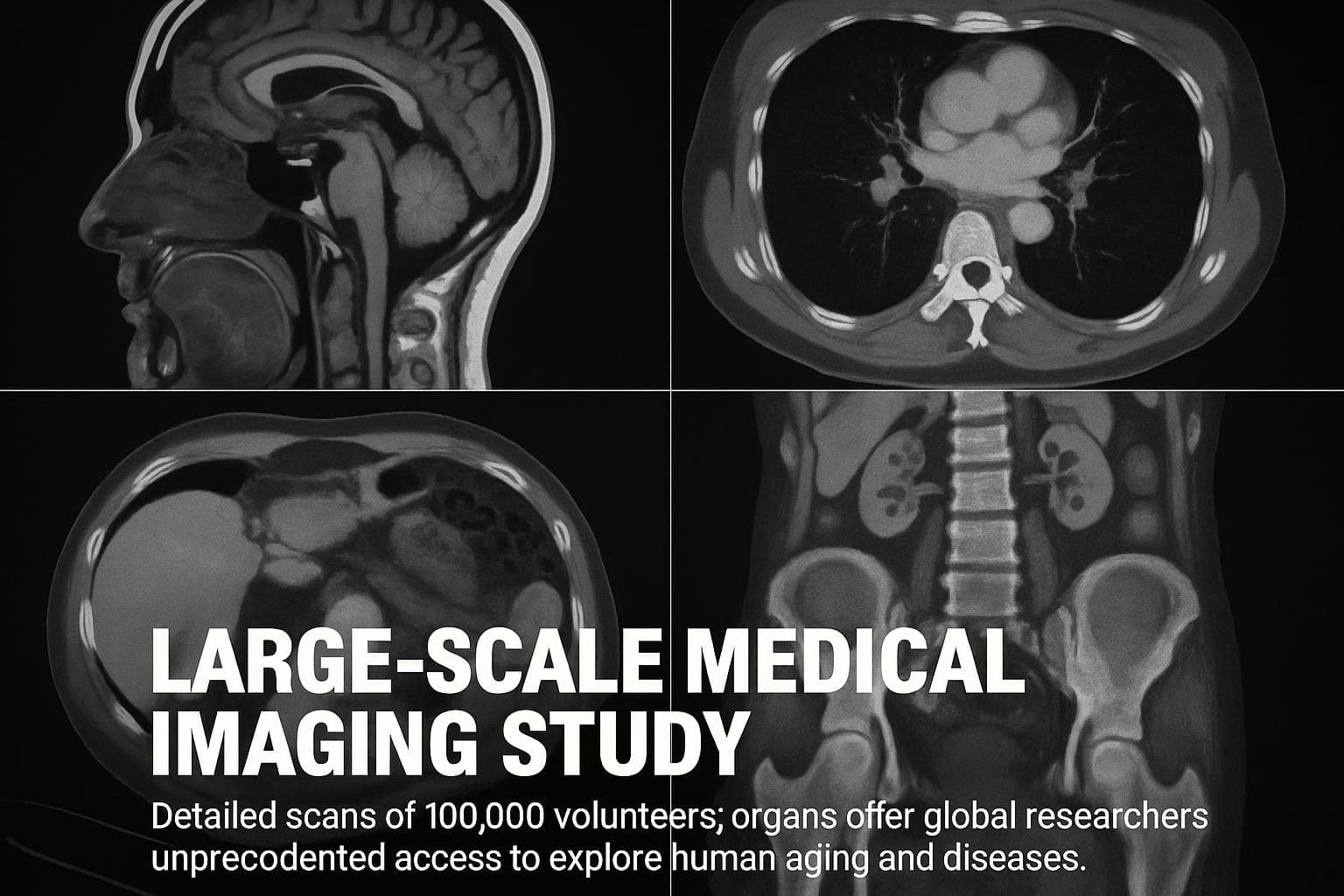
- The UK Biobank's human imaging study has scanned 100,000 volunteers, creating a vast resource of over a billion images.
- This project aims to enhance early disease detection and treatment by providing detailed scans of organs and tissues.
- Researchers worldwide can access the anonymized data to study the ageing process and the development of diseases.
- The imaging project has already contributed to breakthroughs in understanding heart and brain health.
- The study is a collaborative effort involving the Medical Research Council, Wellcome Trust, and other health organizations.
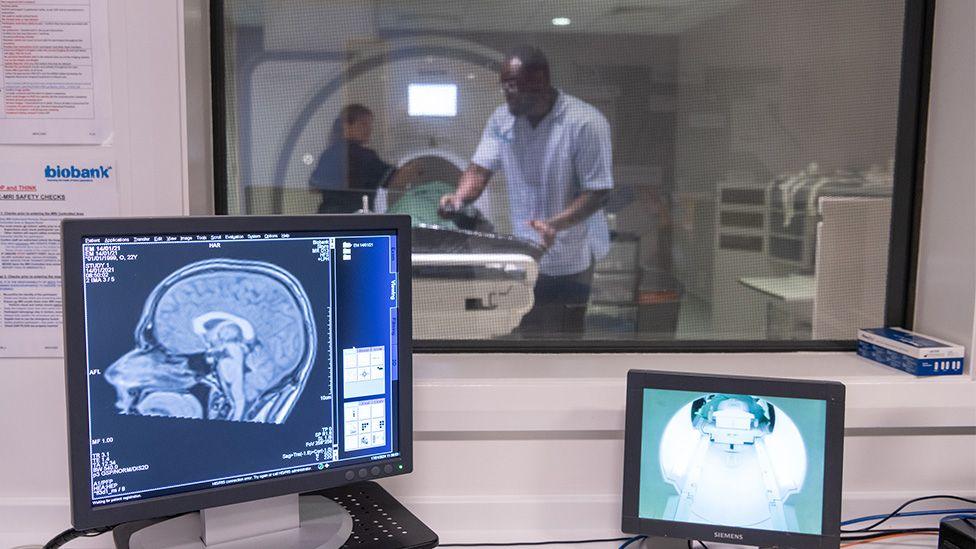
The UK Biobank has reached a significant milestone in its groundbreaking human imaging study, having scanned the bodies of 100,000 volunteers. This ambitious project, which began in 2014, aims to revolutionize the way diseases are detected and treated by providing researchers with unprecedented insights into the human body.
A New Era in Disease Detection
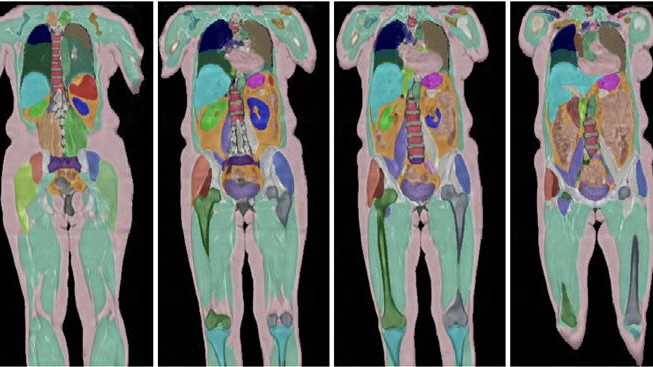
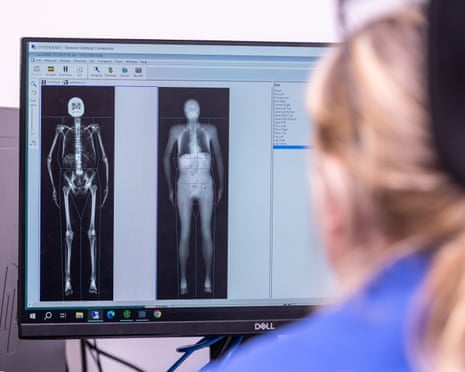
The imaging study, part of the larger UK Biobank initiative, has generated over a billion detailed images of participants' brains, hearts, and other organs. These images, combined with extensive health and lifestyle data, are expected to transform our understanding of the ageing process and the early signs of disease. "Researchers now have an incredible window into the body," said Prof Naomi Allen, chief scientist at UK Biobank. "For the first time, researchers can study how we age and how diseases develop in stunning detail and at a massive scale."
Global Access to Health Data
The anonymized data is available to researchers worldwide at a low cost, enabling them to explore new ways of preventing and treating common health conditions such as heart disease and cancer. The project has already facilitated breakthroughs, including insights into how heart health affects psychiatric disorders and the impact of alcohol on brain structure.
A Collaborative Effort
Launched in 2003, the UK Biobank is a collaborative effort involving the Medical Research Council, the Wellcome Trust, and other health organizations. The project follows the health of half a million middle-aged volunteers in the UK, collecting biological samples and health data. The imaging component involves detailed scans of 100,000 participants, who will be invited back for follow-up scans to track changes over time.
Personal Stories and Impact
Volunteers like Steve, who recently retired and now supports a charity, have personal motivations for participating. "My mum was diagnosed with early-stage dementia a few years ago," he shared. "I want to give more back to research so the next generation can learn from people like me."
WHAT THIS MIGHT MEAN
As the UK Biobank continues to expand its imaging study, the potential for new medical breakthroughs grows. Researchers may soon be able to identify early markers of diseases like dementia and cancer, leading to more effective prevention and treatment strategies. The project's findings could also influence public health policies, particularly regarding lifestyle factors such as alcohol consumption. As the data is further analyzed, the collaboration between international researchers and health organizations is likely to yield insights that could reshape our understanding of human health and disease.
Images from the Web
UK Biobank Completes Landmark Imaging Study of 100,000 Volunteers
In This Article
 Maya Singh| Published
 HIGHLIGHTS
- The UK Biobank's human imaging study has scanned 100,000 volunteers, creating a vast resource of over a billion images.
- This project aims to enhance early disease detection and treatment by providing detailed scans of organs and tissues.
- Researchers worldwide can access the anonymized data to study the ageing process and the development of diseases.
- The imaging project has already contributed to breakthroughs in understanding heart and brain health.
- The study is a collaborative effort involving the Medical Research Council, Wellcome Trust, and other health organizations.
The UK Biobank has reached a significant milestone in its groundbreaking human imaging study, having scanned the bodies of 100,000 volunteers. This ambitious project, which began in 2014, aims to revolutionize the way diseases are detected and treated by providing researchers with unprecedented insights into the human body.
A New Era in Disease Detection
The imaging study, part of the larger UK Biobank initiative, has generated over a billion detailed images of participants' brains, hearts, and other organs. These images, combined with extensive health and lifestyle data, are expected to transform our understanding of the ageing process and the early signs of disease. "Researchers now have an incredible window into the body," said Prof Naomi Allen, chief scientist at UK Biobank. "For the first time, researchers can study how we age and how diseases develop in stunning detail and at a massive scale."
Global Access to Health Data
The anonymized data is available to researchers worldwide at a low cost, enabling them to explore new ways of preventing and treating common health conditions such as heart disease and cancer. The project has already facilitated breakthroughs, including insights into how heart health affects psychiatric disorders and the impact of alcohol on brain structure.
A Collaborative Effort
Launched in 2003, the UK Biobank is a collaborative effort involving the Medical Research Council, the Wellcome Trust, and other health organizations. The project follows the health of half a million middle-aged volunteers in the UK, collecting biological samples and health data. The imaging component involves detailed scans of 100,000 participants, who will be invited back for follow-up scans to track changes over time.
Personal Stories and Impact
Volunteers like Steve, who recently retired and now supports a charity, have personal motivations for participating. "My mum was diagnosed with early-stage dementia a few years ago," he shared. "I want to give more back to research so the next generation can learn from people like me."
WHAT THIS MIGHT MEAN
As the UK Biobank continues to expand its imaging study, the potential for new medical breakthroughs grows. Researchers may soon be able to identify early markers of diseases like dementia and cancer, leading to more effective prevention and treatment strategies. The project's findings could also influence public health policies, particularly regarding lifestyle factors such as alcohol consumption. As the data is further analyzed, the collaboration between international researchers and health organizations is likely to yield insights that could reshape our understanding of human health and disease.
Images from the Web