
UK Biofuel Industry Faces Uncertainty Amid US Trade Deal

In This Article
HIGHLIGHTS
- Associated British Foods (ABF) threatens to close the Vivergo bioethanol plant in Hull, risking 160 jobs, due to a UK-US trade deal.
- The trade agreement allows 1.4 billion litres of US ethanol to enter the UK duty-free, impacting the domestic biofuel industry.
- ABF is in negotiations with the UK government for financial support but has begun consultations for an orderly wind-down.
- The UK government secured tariff cuts on British exports, including cars, but faces criticism for undermining the bioethanol sector.
- Labour MP Karl Turner warns that losing the bioethanol market could hinder the UK's net-zero goals and harm local communities.
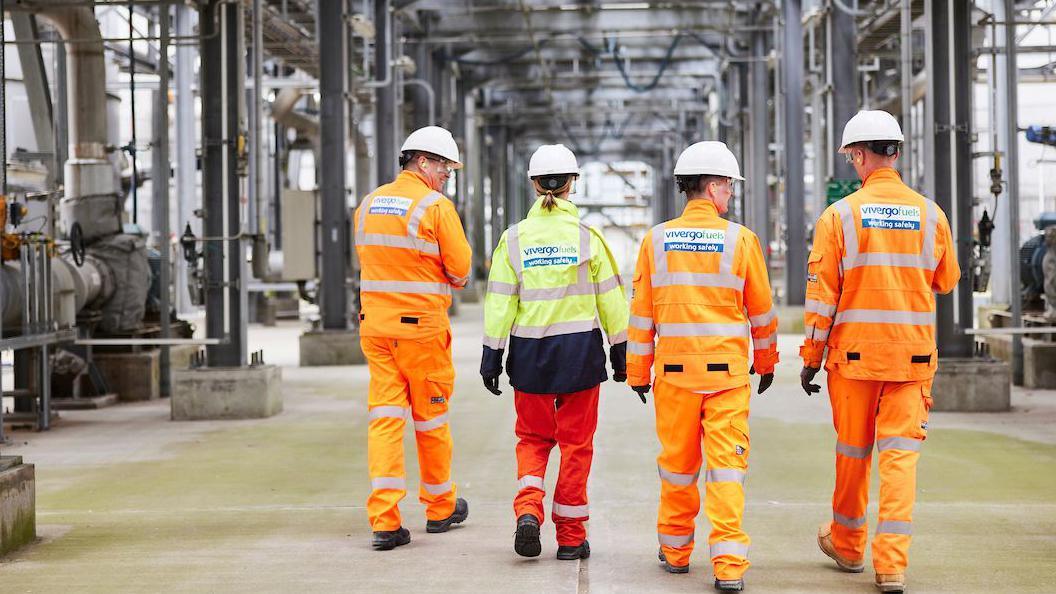
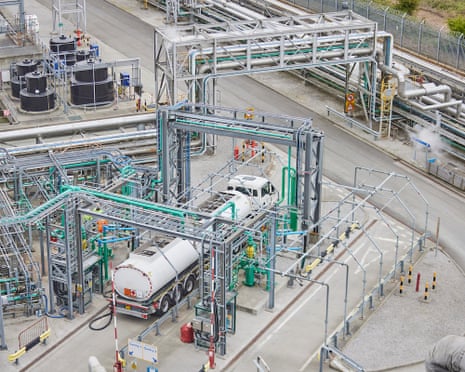
The future of the UK's biofuel industry hangs in the balance as Associated British Foods (ABF) threatens to close its Vivergo bioethanol plant in Hull. The move comes in response to a recent UK-US trade agreement that allows up to 1.4 billion litres of US ethanol to enter the UK market duty-free, a volume equivalent to the entire UK ethanol market.
Impact of the UK-US Trade Deal
The trade deal, which was finalized in May, has sparked concerns within the UK biofuel sector. By removing a 19% tariff on US ethanol imports, the agreement has intensified competition for domestic producers like ABF and Ensus, the latter operating a plant in Teesside. Both companies have warned that the influx of cheaper US ethanol could decimate the UK bioethanol industry.
Negotiations and Government Response
ABF has entered formal negotiations with the UK government, seeking financial support to sustain operations at the Vivergo plant. Despite these talks, the company has initiated consultations with its 160 employees to prepare for a potential shutdown by mid-September. The Department of Business has expressed disappointment over the closure threat and is reportedly recruiting external consultants to evaluate a support plan for Vivergo.
Local and Political Reactions
The potential closure of the Vivergo plant has drawn criticism from local politicians and industry stakeholders. Labour MP Karl Turner highlighted the detrimental impact on Hull's community and the UK's broader environmental goals. The government, however, maintains that the bioethanol sector has faced longstanding challenges, independent of the recent trade deal.
Economic and Environmental Implications
The trade agreement, while beneficial for certain UK exports like cars, poses significant risks to the domestic biofuel industry. Bioethanol, a renewable fuel alternative, plays a crucial role in reducing carbon emissions. The closure of key production facilities could hinder the UK's progress towards its net-zero targets.
WHAT THIS MIGHT MEAN
The closure of the Vivergo plant could have far-reaching implications for the UK's biofuel industry and its environmental commitments. If the government fails to provide adequate support, the domestic market may struggle to compete with subsidized US ethanol, leading to job losses and reduced production capacity. This scenario could also impact the UK's ability to meet its carbon reduction targets, as bioethanol is a key component of renewable energy strategies.
On the political front, the situation may fuel debates over the trade-offs involved in international agreements and the need to balance economic benefits with domestic industry protection. As negotiations continue, the outcome will likely influence future trade policies and the government's approach to supporting sustainable industries.
Images from the Web
Related Articles

US Supreme Court Ruling on Tariffs Sparks Uncertainty for UK and Global Trade

Middle East Conflict Drives UK Energy Prices to New Highs

Government Announces £4 Billion Overhaul of SEND Support in England

UK Government Announces Major Overhaul of SEND System with £3.4 Billion Investment

Prince Andrew's Ties to Epstein Under Scrutiny Amid Calls for Inquiry

Government Criticized for Mishandling Maccabi Tel Aviv Fan Ban
UK Biofuel Industry Faces Uncertainty Amid US Trade Deal
In This Article
 Daniel Rivera| Published
 HIGHLIGHTS
- Associated British Foods (ABF) threatens to close the Vivergo bioethanol plant in Hull, risking 160 jobs, due to a UK-US trade deal.
- The trade agreement allows 1.4 billion litres of US ethanol to enter the UK duty-free, impacting the domestic biofuel industry.
- ABF is in negotiations with the UK government for financial support but has begun consultations for an orderly wind-down.
- The UK government secured tariff cuts on British exports, including cars, but faces criticism for undermining the bioethanol sector.
- Labour MP Karl Turner warns that losing the bioethanol market could hinder the UK's net-zero goals and harm local communities.
The future of the UK's biofuel industry hangs in the balance as Associated British Foods (ABF) threatens to close its Vivergo bioethanol plant in Hull. The move comes in response to a recent UK-US trade agreement that allows up to 1.4 billion litres of US ethanol to enter the UK market duty-free, a volume equivalent to the entire UK ethanol market.
Impact of the UK-US Trade Deal
The trade deal, which was finalized in May, has sparked concerns within the UK biofuel sector. By removing a 19% tariff on US ethanol imports, the agreement has intensified competition for domestic producers like ABF and Ensus, the latter operating a plant in Teesside. Both companies have warned that the influx of cheaper US ethanol could decimate the UK bioethanol industry.
Negotiations and Government Response
ABF has entered formal negotiations with the UK government, seeking financial support to sustain operations at the Vivergo plant. Despite these talks, the company has initiated consultations with its 160 employees to prepare for a potential shutdown by mid-September. The Department of Business has expressed disappointment over the closure threat and is reportedly recruiting external consultants to evaluate a support plan for Vivergo.
Local and Political Reactions
The potential closure of the Vivergo plant has drawn criticism from local politicians and industry stakeholders. Labour MP Karl Turner highlighted the detrimental impact on Hull's community and the UK's broader environmental goals. The government, however, maintains that the bioethanol sector has faced longstanding challenges, independent of the recent trade deal.
Economic and Environmental Implications
The trade agreement, while beneficial for certain UK exports like cars, poses significant risks to the domestic biofuel industry. Bioethanol, a renewable fuel alternative, plays a crucial role in reducing carbon emissions. The closure of key production facilities could hinder the UK's progress towards its net-zero targets.
WHAT THIS MIGHT MEAN
The closure of the Vivergo plant could have far-reaching implications for the UK's biofuel industry and its environmental commitments. If the government fails to provide adequate support, the domestic market may struggle to compete with subsidized US ethanol, leading to job losses and reduced production capacity. This scenario could also impact the UK's ability to meet its carbon reduction targets, as bioethanol is a key component of renewable energy strategies.
On the political front, the situation may fuel debates over the trade-offs involved in international agreements and the need to balance economic benefits with domestic industry protection. As negotiations continue, the outcome will likely influence future trade policies and the government's approach to supporting sustainable industries.
Images from the Web
Related Articles
US Supreme Court Ruling on Tariffs Sparks Uncertainty for UK and Global Trade
Middle East Conflict Drives UK Energy Prices to New Highs
Government Announces £4 Billion Overhaul of SEND Support in England
UK Government Announces Major Overhaul of SEND System with £3.4 Billion Investment
Prince Andrew's Ties to Epstein Under Scrutiny Amid Calls for Inquiry
Government Criticized for Mishandling Maccabi Tel Aviv Fan Ban