
UK Eyes Danish Model for Immigration Overhaul Amidst Political Debate
In This Article
HIGHLIGHTS
- The UK government plans to reform its immigration system, drawing inspiration from Denmark's stringent policies.
- Home Secretary Shabana Mahmood aims to reduce incentives for migration to the UK and ease deportations.
- The Danish model includes temporary residency for refugees and strict family reunification rules.
- Some Labour MPs criticize the proposed changes, labeling them as extreme and potentially discriminatory.
- The UK Home Office has paused new applications under the Refugee Family Reunion scheme pending new rules.
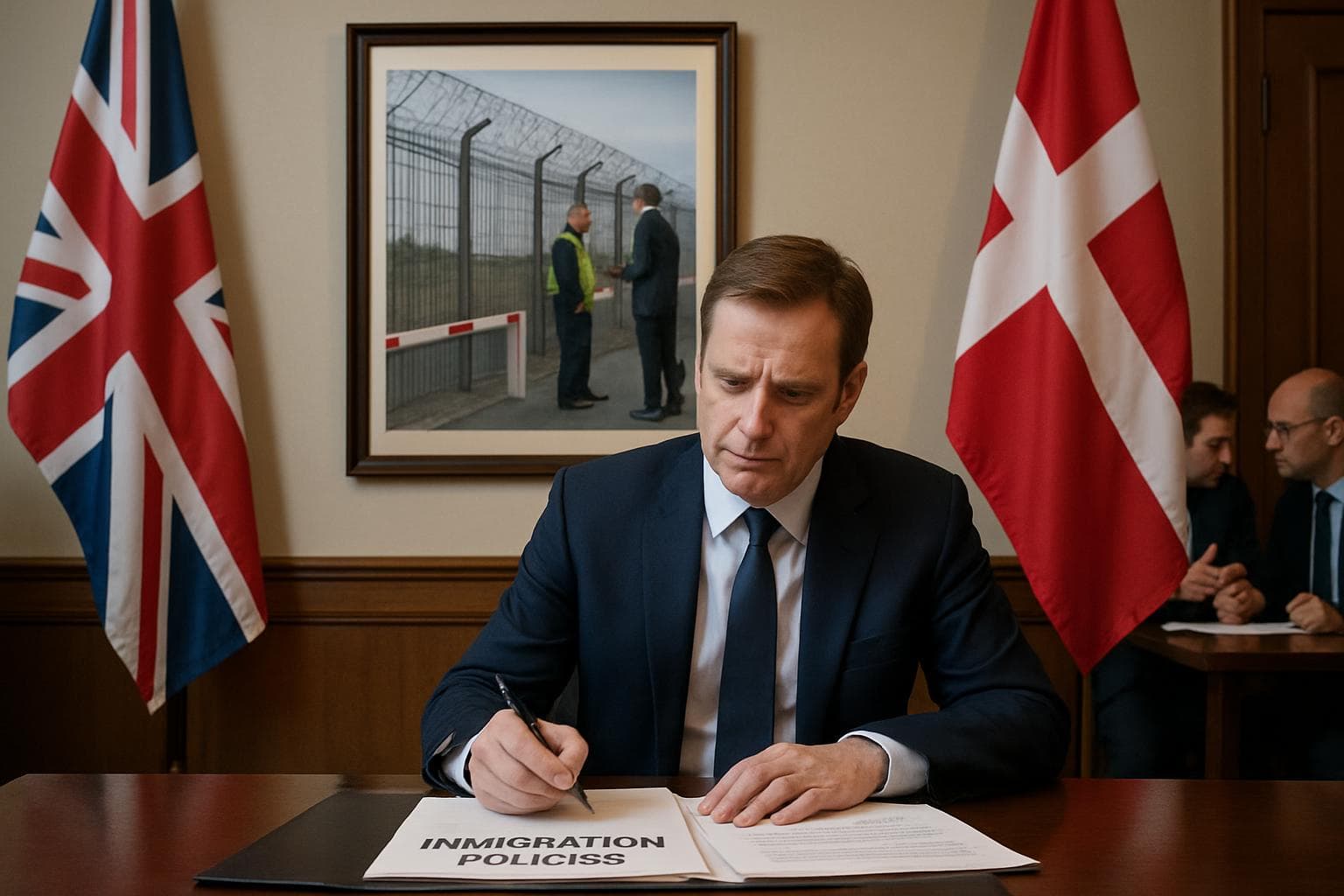
The UK government is poised to announce significant changes to its immigration system, taking cues from Denmark's stringent policies. Home Secretary Shabana Mahmood is expected to unveil these reforms later this month, aiming to curb the number of asylum seekers and streamline deportations. This move comes as the Labour government faces mounting pressure from the Reform Party and public concern over immigration.
Danish Inspiration for UK Policy
Denmark's immigration system, known for its toughness, has become a focal point for UK officials. Mahmood dispatched senior Home Office officials to Copenhagen to study Denmark's approach, which includes temporary residency for most refugees and strict family reunification criteria. In Denmark, refugees fleeing conflicts are typically granted only temporary protection, with the possibility of return once their home country is deemed safe.
Controversial Family Reunification Rules
One of the most contentious aspects of the Danish model is its family reunification rules. Refugees in Denmark must meet several conditions to bring family members into the country, including age requirements, financial guarantees, and language proficiency. Additionally, those living in "parallel societies"—areas with a high concentration of non-Western residents—are barred from family reunification. The UK Home Office has temporarily suspended its Refugee Family Reunion scheme as it considers similar measures.
Political Backlash and Criticism
The proposed changes have sparked debate within the Labour Party. Some MPs, particularly from the left, have criticized the plans as extreme and potentially discriminatory. Clive Lewis, a Labour MP, expressed concern that adopting such policies could alienate progressive voters. Meanwhile, Nadia Whittome, another Labour MP, described the Danish policies as "dangerous" and "racist."
WHAT THIS MIGHT MEAN
As the UK government prepares to implement these changes, it faces potential legal and political challenges. Human rights advocates may contest the new rules, particularly those concerning family reunification and temporary residency. Politically, the Labour Party risks internal division, with some members fearing the loss of progressive support. If the reforms proceed, they could reshape the UK's immigration landscape, aligning it more closely with Denmark's controversial model. The outcome may hinge on public reception and the government's ability to balance security concerns with humanitarian obligations.
Related Articles

UK Government to Reform Asylum Seeker Support and Employment Policies

Government Criticized for Mishandling Maccabi Tel Aviv Fan Ban

UK Faces Dilemmas Amid Iran Conflict and China Spying Allegations

Labour MP's Husband Arrested in UK-China Espionage Probe

Prince Andrew's Ties to Epstein Under Scrutiny Amid Calls for Inquiry

Prince Andrew's Arrest Intensifies Scrutiny on Royal Succession and Prince William's Future Role
UK Eyes Danish Model for Immigration Overhaul Amidst Political Debate
In This Article
 Ethan Brooks| Published
 HIGHLIGHTS
- The UK government plans to reform its immigration system, drawing inspiration from Denmark's stringent policies.
- Home Secretary Shabana Mahmood aims to reduce incentives for migration to the UK and ease deportations.
- The Danish model includes temporary residency for refugees and strict family reunification rules.
- Some Labour MPs criticize the proposed changes, labeling them as extreme and potentially discriminatory.
- The UK Home Office has paused new applications under the Refugee Family Reunion scheme pending new rules.
The UK government is poised to announce significant changes to its immigration system, taking cues from Denmark's stringent policies. Home Secretary Shabana Mahmood is expected to unveil these reforms later this month, aiming to curb the number of asylum seekers and streamline deportations. This move comes as the Labour government faces mounting pressure from the Reform Party and public concern over immigration.
Danish Inspiration for UK Policy
Denmark's immigration system, known for its toughness, has become a focal point for UK officials. Mahmood dispatched senior Home Office officials to Copenhagen to study Denmark's approach, which includes temporary residency for most refugees and strict family reunification criteria. In Denmark, refugees fleeing conflicts are typically granted only temporary protection, with the possibility of return once their home country is deemed safe.
Controversial Family Reunification Rules
One of the most contentious aspects of the Danish model is its family reunification rules. Refugees in Denmark must meet several conditions to bring family members into the country, including age requirements, financial guarantees, and language proficiency. Additionally, those living in "parallel societies"—areas with a high concentration of non-Western residents—are barred from family reunification. The UK Home Office has temporarily suspended its Refugee Family Reunion scheme as it considers similar measures.
Political Backlash and Criticism
The proposed changes have sparked debate within the Labour Party. Some MPs, particularly from the left, have criticized the plans as extreme and potentially discriminatory. Clive Lewis, a Labour MP, expressed concern that adopting such policies could alienate progressive voters. Meanwhile, Nadia Whittome, another Labour MP, described the Danish policies as "dangerous" and "racist."
WHAT THIS MIGHT MEAN
As the UK government prepares to implement these changes, it faces potential legal and political challenges. Human rights advocates may contest the new rules, particularly those concerning family reunification and temporary residency. Politically, the Labour Party risks internal division, with some members fearing the loss of progressive support. If the reforms proceed, they could reshape the UK's immigration landscape, aligning it more closely with Denmark's controversial model. The outcome may hinge on public reception and the government's ability to balance security concerns with humanitarian obligations.
Related Articles
UK Government to Reform Asylum Seeker Support and Employment Policies
Government Criticized for Mishandling Maccabi Tel Aviv Fan Ban
UK Faces Dilemmas Amid Iran Conflict and China Spying Allegations
Labour MP's Husband Arrested in UK-China Espionage Probe
Prince Andrew's Ties to Epstein Under Scrutiny Amid Calls for Inquiry
Prince Andrew's Arrest Intensifies Scrutiny on Royal Succession and Prince William's Future Role