
UK Government Postpones Local Elections Amid Major Council Reorganisation
In This Article
HIGHLIGHTS
- The UK government has postponed local elections in 29 council areas as part of a local government reorganisation plan.
- Elections in the West Midlands and parts of Lancashire and Suffolk have been delayed, affecting millions of voters.
- The reorganisation aims to replace the two-tier system with unitary councils, consolidating local government services.
- Political leaders express mixed reactions, with some viewing the postponement as a denial of democratic rights.
- The decision has sparked political controversy, with accusations of political motivations behind the delays.
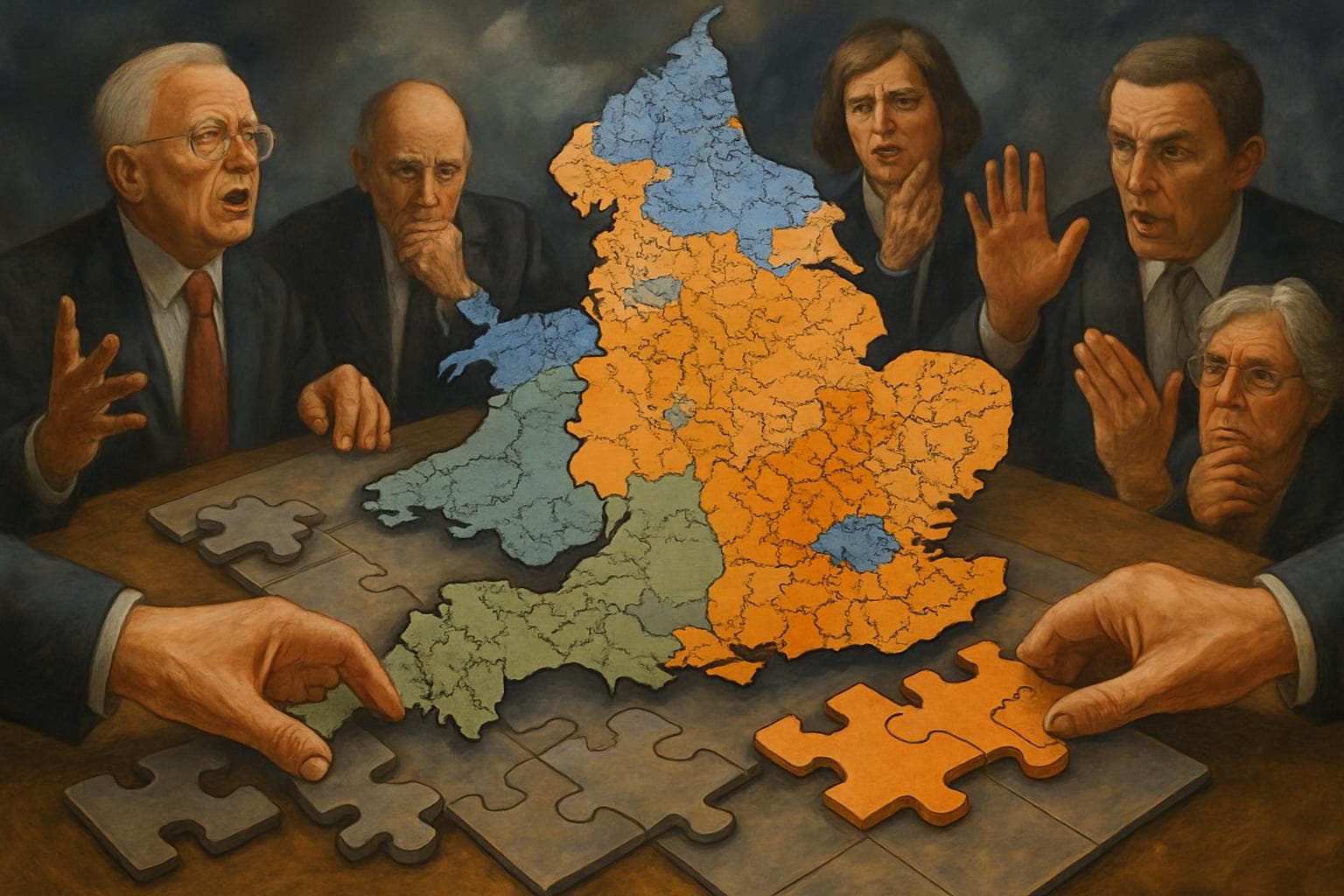
The UK government has confirmed the postponement of local elections in 29 council areas, affecting over four million voters, as part of a sweeping reorganisation of local government structures. The decision, announced by Local Government Secretary Steve Reed, aims to streamline the current two-tier system into single-tier unitary councils, which will consolidate local services under one authority.
Election Delays Across Regions
In the West Midlands, elections in Cannock Chase, Redditch, Rugby, and Tamworth have been postponed, while Newcastle-under-Lyme and Nuneaton and Bedworth will proceed as planned. The decision has led to political turmoil, with Nuneaton and Bedworth Borough Council's leader, Chris Watkins, ousted following a vote of no confidence. Watkins had advocated for postponement, citing resource concerns, but his successor, Steve Hey, supported holding elections as scheduled.
Similarly, in Lancashire, six out of seven councils have been granted postponements, with Pendle being the exception. Pendle's Liberal Democrat leader, David Whipp, criticized the decision, suggesting political motivations due to the absence of Labour councillors in the area.
Political Reactions and Implications
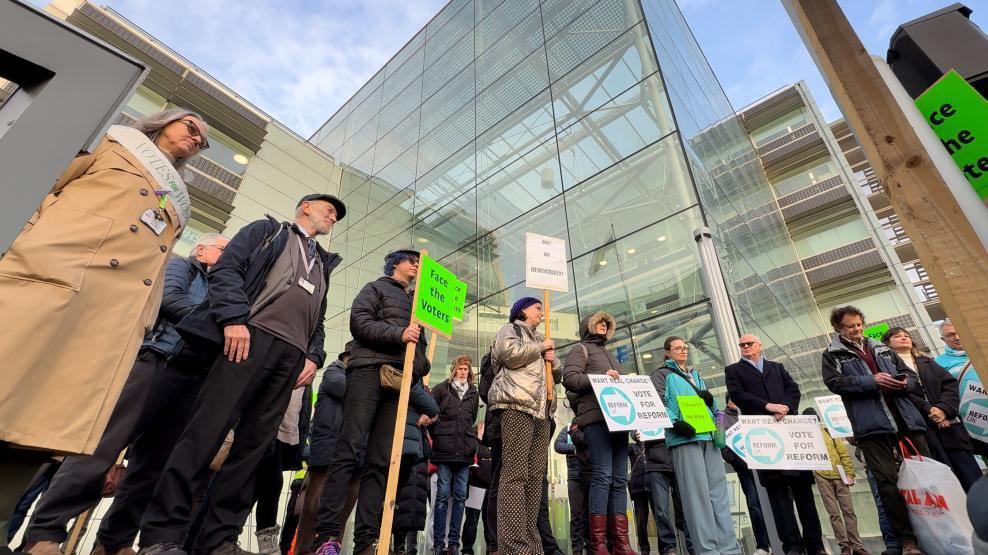
The postponements have sparked significant political debate. Critics, including Reform UK leader Nigel Farage, argue that the delays undermine democratic rights. Farage's party is challenging the decision in court, claiming it disenfranchises millions. Meanwhile, Labour's Florence Eshalomi emphasized that democracy should not be sacrificed for efficiency during reorganisation.
Despite the controversy, Reed defended the decision, stating it would save taxpayer money and eliminate bureaucratic duplication. He assured that the majority of elections would proceed, with only those councils facing imminent abolition affected.
Local Government Restructuring
The reorganisation plan seeks to replace the existing district and county council system with unitary councils by 2027. This change aims to improve efficiency and reduce costs by centralizing responsibilities under a single authority. Reed highlighted that this move would address longstanding inefficiencies and better serve local communities.
WHAT THIS MIGHT MEAN
The postponement of local elections could have significant political and legal ramifications. If the judicial review by Reform UK succeeds, it may set a precedent for challenging government decisions on electoral matters. Politically, the delays could impact voter trust and engagement, particularly if perceived as politically motivated. As the reorganisation progresses, the government will need to balance efficiency with maintaining democratic processes to avoid further controversy. Experts suggest that clear communication and transparency will be crucial in navigating these changes and ensuring public confidence in the new system.
Images from the Web



Related Articles
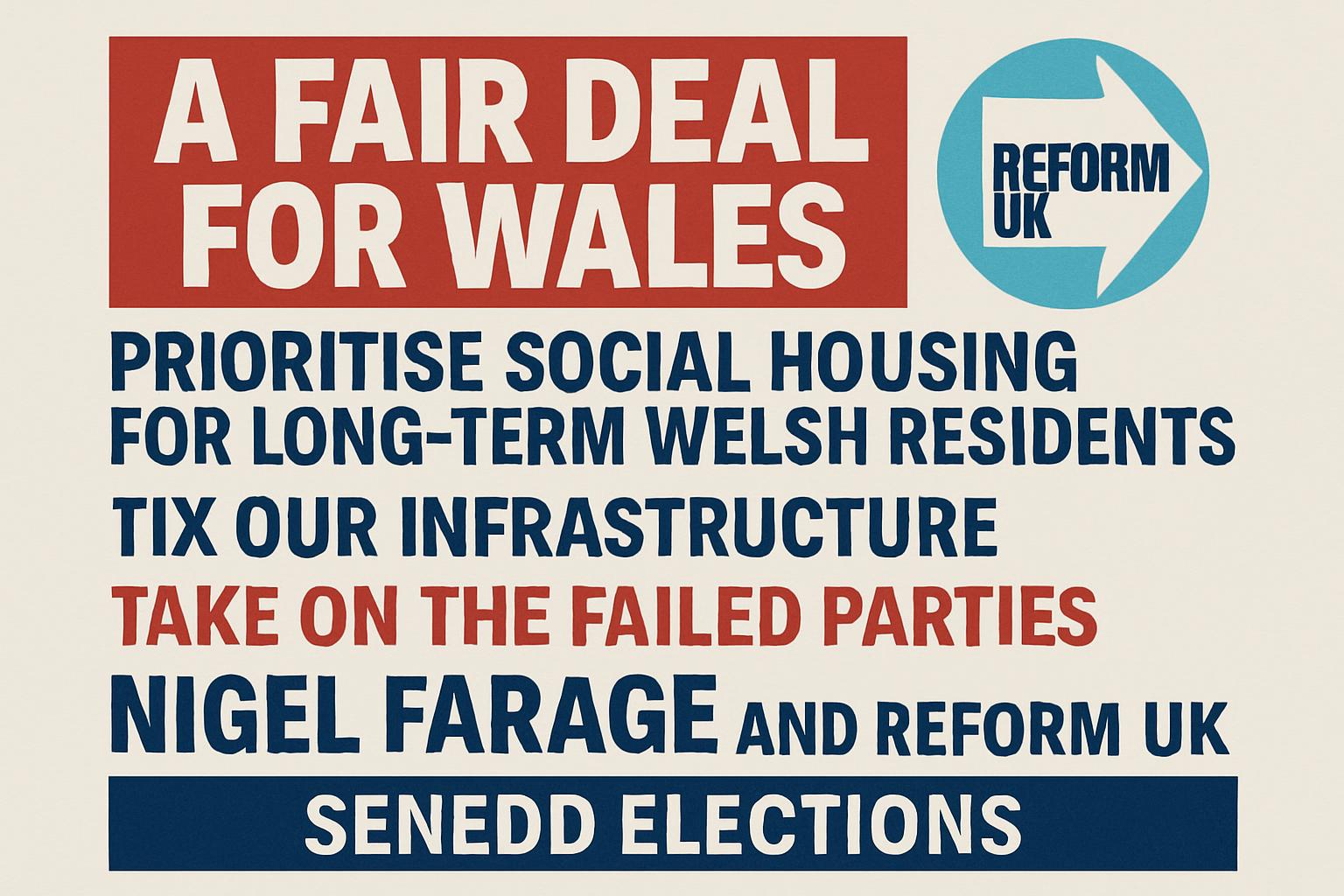
Reform UK Aims to Reshape Welsh Politics with New Manifesto
Prince Andrew's Ties to Epstein Under Scrutiny Amid Calls for Inquiry
Government Criticized for Mishandling Maccabi Tel Aviv Fan Ban
Prince Andrew's Arrest Intensifies Scrutiny on Royal Succession and Prince William's Future Role

UK Defence Faces Scrutiny Amid Ajax Armoured Vehicle Delays and Soldier Safety Concerns

Global Counsel Faces Collapse Amidst Epstein Scandal Fallout
UK Government Postpones Local Elections Amid Major Council Reorganisation
In This Article
 Ethan Brooks| Published
 HIGHLIGHTS
- The UK government has postponed local elections in 29 council areas as part of a local government reorganisation plan.
- Elections in the West Midlands and parts of Lancashire and Suffolk have been delayed, affecting millions of voters.
- The reorganisation aims to replace the two-tier system with unitary councils, consolidating local government services.
- Political leaders express mixed reactions, with some viewing the postponement as a denial of democratic rights.
- The decision has sparked political controversy, with accusations of political motivations behind the delays.
The UK government has confirmed the postponement of local elections in 29 council areas, affecting over four million voters, as part of a sweeping reorganisation of local government structures. The decision, announced by Local Government Secretary Steve Reed, aims to streamline the current two-tier system into single-tier unitary councils, which will consolidate local services under one authority.
Election Delays Across Regions
In the West Midlands, elections in Cannock Chase, Redditch, Rugby, and Tamworth have been postponed, while Newcastle-under-Lyme and Nuneaton and Bedworth will proceed as planned. The decision has led to political turmoil, with Nuneaton and Bedworth Borough Council's leader, Chris Watkins, ousted following a vote of no confidence. Watkins had advocated for postponement, citing resource concerns, but his successor, Steve Hey, supported holding elections as scheduled.
Similarly, in Lancashire, six out of seven councils have been granted postponements, with Pendle being the exception. Pendle's Liberal Democrat leader, David Whipp, criticized the decision, suggesting political motivations due to the absence of Labour councillors in the area.
Political Reactions and Implications
The postponements have sparked significant political debate. Critics, including Reform UK leader Nigel Farage, argue that the delays undermine democratic rights. Farage's party is challenging the decision in court, claiming it disenfranchises millions. Meanwhile, Labour's Florence Eshalomi emphasized that democracy should not be sacrificed for efficiency during reorganisation.
Despite the controversy, Reed defended the decision, stating it would save taxpayer money and eliminate bureaucratic duplication. He assured that the majority of elections would proceed, with only those councils facing imminent abolition affected.
Local Government Restructuring
The reorganisation plan seeks to replace the existing district and county council system with unitary councils by 2027. This change aims to improve efficiency and reduce costs by centralizing responsibilities under a single authority. Reed highlighted that this move would address longstanding inefficiencies and better serve local communities.
WHAT THIS MIGHT MEAN
The postponement of local elections could have significant political and legal ramifications. If the judicial review by Reform UK succeeds, it may set a precedent for challenging government decisions on electoral matters. Politically, the delays could impact voter trust and engagement, particularly if perceived as politically motivated. As the reorganisation progresses, the government will need to balance efficiency with maintaining democratic processes to avoid further controversy. Experts suggest that clear communication and transparency will be crucial in navigating these changes and ensuring public confidence in the new system.
Images from the Web
Related Articles
Reform UK Aims to Reshape Welsh Politics with New Manifesto
Prince Andrew's Ties to Epstein Under Scrutiny Amid Calls for Inquiry
Government Criticized for Mishandling Maccabi Tel Aviv Fan Ban
Prince Andrew's Arrest Intensifies Scrutiny on Royal Succession and Prince William's Future Role
UK Defence Faces Scrutiny Amid Ajax Armoured Vehicle Delays and Soldier Safety Concerns
Global Counsel Faces Collapse Amidst Epstein Scandal Fallout