
UK Government Denies Pension Compensation to Waspi Women, Sparking Outrage
In This Article
HIGHLIGHTS
- The UK government has once again rejected compensation claims from 3.6 million women affected by changes to the state pension age.
- The Women Against State Pension Inequality (Waspi) group is considering legal action following the government's decision.
- A Parliamentary Ombudsman recommended compensation, but the government deemed it impractical and costly, estimating a £10.3 billion expense.
- Work and Pensions Secretary Pat McFadden stated that most affected women were aware of the changes, despite campaigners' claims of inadequate notification.
- The Waspi group argues that the government's decision reflects "utter contempt" and vows to continue their fight for justice.
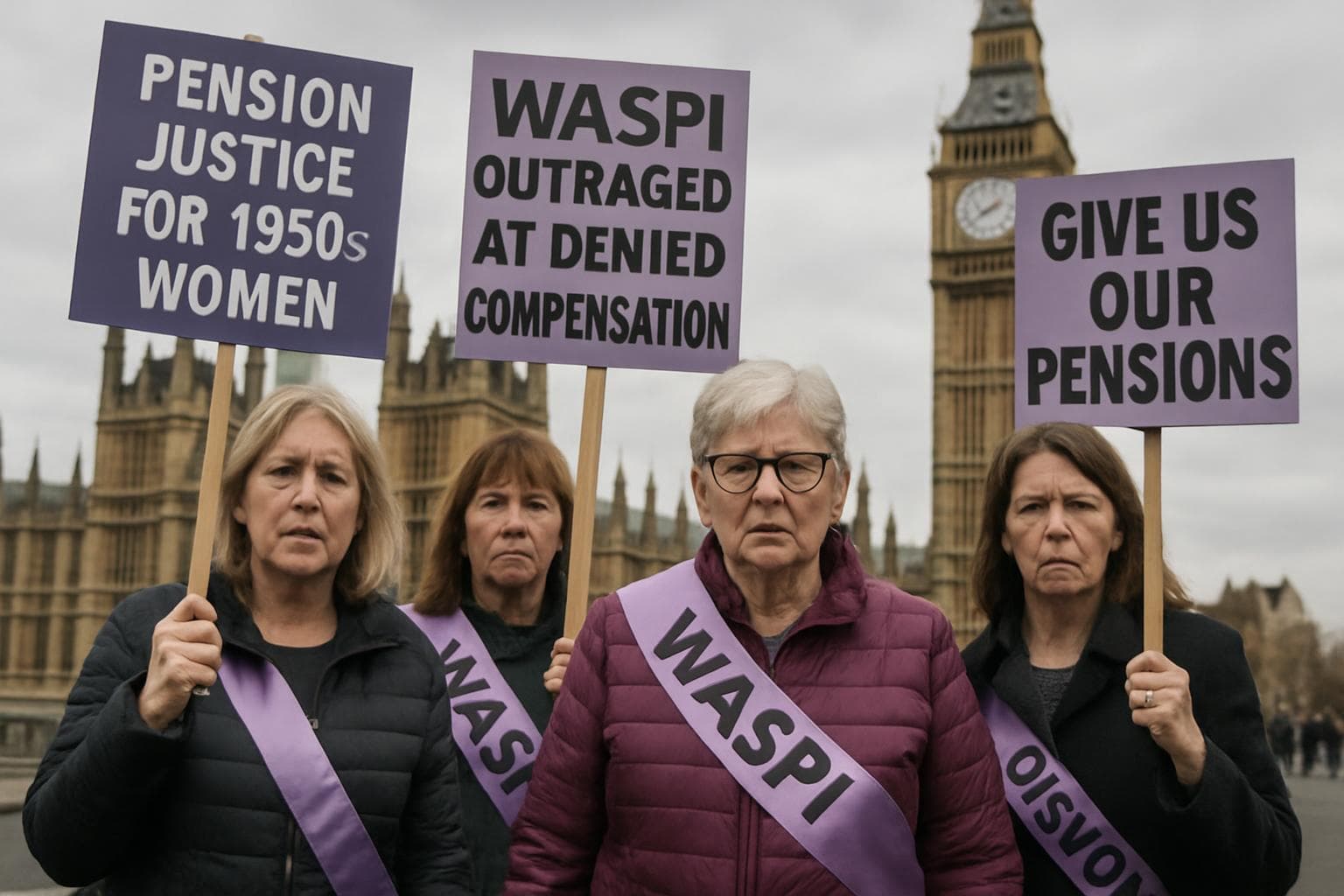
The UK government has once again denied compensation to millions of women affected by changes to the state pension age, a decision that has reignited controversy and left campaigners determined to seek justice. The Women Against State Pension Inequality (Waspi) group, representing 3.6 million women born in the 1950s, expressed outrage after the government confirmed it would not provide compensation, despite a Parliamentary Ombudsman recommendation.
Background and Government Stance
The dispute centers on changes to the state pension age, which were introduced to align women's retirement age with men's, moving from 60 to 65 and eventually to 66. Campaigners argue that the affected women were not adequately informed, disrupting their retirement plans and causing financial hardship. The government, however, maintains that most women were aware of the changes through various public information campaigns.
Work and Pensions Secretary Pat McFadden reiterated the government's position, stating that a flat-rate compensation scheme would be unfair and impractical, with costs potentially reaching £10.3 billion. He acknowledged that individual letters could have been sent earlier but argued that many women would not have engaged with them.
Campaigners' Response and Legal Considerations
Angela Madden, chair of the Waspi group, criticized the government's decision as a "disgraceful political choice" and indicated that legal action is being considered. The group is exploring all options, including a potential new legal case, to challenge the government's stance. Madden emphasized the group's commitment to pursuing justice through parliamentary and legal avenues.
Public Reaction and Personal Impact
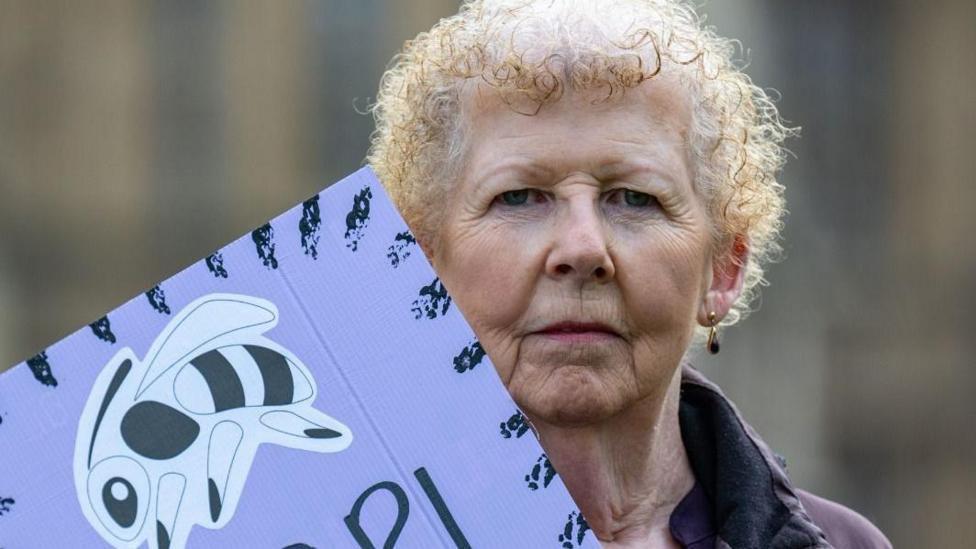
The decision has been met with disappointment and anger from those affected. Pat Pollington, a 71-year-old woman impacted by the changes, described the situation as a "fiasco" and expressed frustration over the government's handling of the issue. Many women feel their retirement plans have been unjustly disrupted, leaving them financially disadvantaged.
WHAT THIS MIGHT MEAN
The government's decision not to compensate the Waspi women could lead to further legal challenges, as the group explores its options in court. If a new legal case is pursued, it could reignite public debate and place additional pressure on the government to reconsider its stance. Politically, the issue may influence voter sentiment, particularly among older demographics who feel marginalized by the decision. The outcome of any legal proceedings could set a precedent for how similar cases are handled in the future, potentially impacting government policy on pension inequality and compensation.
Images from the Web

Related Articles

Prince Andrew's Ties to Epstein Under Scrutiny Amid Calls for Inquiry

Government Criticized for Mishandling Maccabi Tel Aviv Fan Ban

Prince Andrew's Arrest Intensifies Scrutiny on Royal Succession and Prince William's Future Role

UK Defence Faces Scrutiny Amid Ajax Armoured Vehicle Delays and Soldier Safety Concerns

Government Announces £4 Billion Overhaul of SEND Support in England

UK Government's SEND Reforms: A Critical Turning Point for Special Education
UK Government Denies Pension Compensation to Waspi Women, Sparking Outrage
In This Article
 Ethan Brooks| Published
 HIGHLIGHTS
- The UK government has once again rejected compensation claims from 3.6 million women affected by changes to the state pension age.
- The Women Against State Pension Inequality (Waspi) group is considering legal action following the government's decision.
- A Parliamentary Ombudsman recommended compensation, but the government deemed it impractical and costly, estimating a £10.3 billion expense.
- Work and Pensions Secretary Pat McFadden stated that most affected women were aware of the changes, despite campaigners' claims of inadequate notification.
- The Waspi group argues that the government's decision reflects "utter contempt" and vows to continue their fight for justice.
The UK government has once again denied compensation to millions of women affected by changes to the state pension age, a decision that has reignited controversy and left campaigners determined to seek justice. The Women Against State Pension Inequality (Waspi) group, representing 3.6 million women born in the 1950s, expressed outrage after the government confirmed it would not provide compensation, despite a Parliamentary Ombudsman recommendation.
Background and Government Stance
The dispute centers on changes to the state pension age, which were introduced to align women's retirement age with men's, moving from 60 to 65 and eventually to 66. Campaigners argue that the affected women were not adequately informed, disrupting their retirement plans and causing financial hardship. The government, however, maintains that most women were aware of the changes through various public information campaigns.
Work and Pensions Secretary Pat McFadden reiterated the government's position, stating that a flat-rate compensation scheme would be unfair and impractical, with costs potentially reaching £10.3 billion. He acknowledged that individual letters could have been sent earlier but argued that many women would not have engaged with them.
Campaigners' Response and Legal Considerations
Angela Madden, chair of the Waspi group, criticized the government's decision as a "disgraceful political choice" and indicated that legal action is being considered. The group is exploring all options, including a potential new legal case, to challenge the government's stance. Madden emphasized the group's commitment to pursuing justice through parliamentary and legal avenues.
Public Reaction and Personal Impact
The decision has been met with disappointment and anger from those affected. Pat Pollington, a 71-year-old woman impacted by the changes, described the situation as a "fiasco" and expressed frustration over the government's handling of the issue. Many women feel their retirement plans have been unjustly disrupted, leaving them financially disadvantaged.
WHAT THIS MIGHT MEAN
The government's decision not to compensate the Waspi women could lead to further legal challenges, as the group explores its options in court. If a new legal case is pursued, it could reignite public debate and place additional pressure on the government to reconsider its stance. Politically, the issue may influence voter sentiment, particularly among older demographics who feel marginalized by the decision. The outcome of any legal proceedings could set a precedent for how similar cases are handled in the future, potentially impacting government policy on pension inequality and compensation.
Images from the Web
Related Articles
Prince Andrew's Ties to Epstein Under Scrutiny Amid Calls for Inquiry
Government Criticized for Mishandling Maccabi Tel Aviv Fan Ban
Prince Andrew's Arrest Intensifies Scrutiny on Royal Succession and Prince William's Future Role
UK Defence Faces Scrutiny Amid Ajax Armoured Vehicle Delays and Soldier Safety Concerns
Government Announces £4 Billion Overhaul of SEND Support in England
UK Government's SEND Reforms: A Critical Turning Point for Special Education