
UK Government Tightens Online Safety Rules with New Age Verification Measures
In This Article
HIGHLIGHTS
- The UK government is implementing new age verification rules under the Online Safety Act to enhance children's online safety, effective from July 25.
- Ofcom, the media regulator, will enforce these rules, requiring platforms to filter harmful content and verify users' ages.
- Campaigners, including bereaved parents, urge Ofcom to take stronger actions against tech companies to prevent access to harmful material.
- Transport Secretary Heidi Alexander emphasized the government's commitment to further measures, including potential social media usage caps for children.
- Ian Russell, whose daughter Molly died after viewing harmful content online, advocates for more robust enforcement of the new regulations.
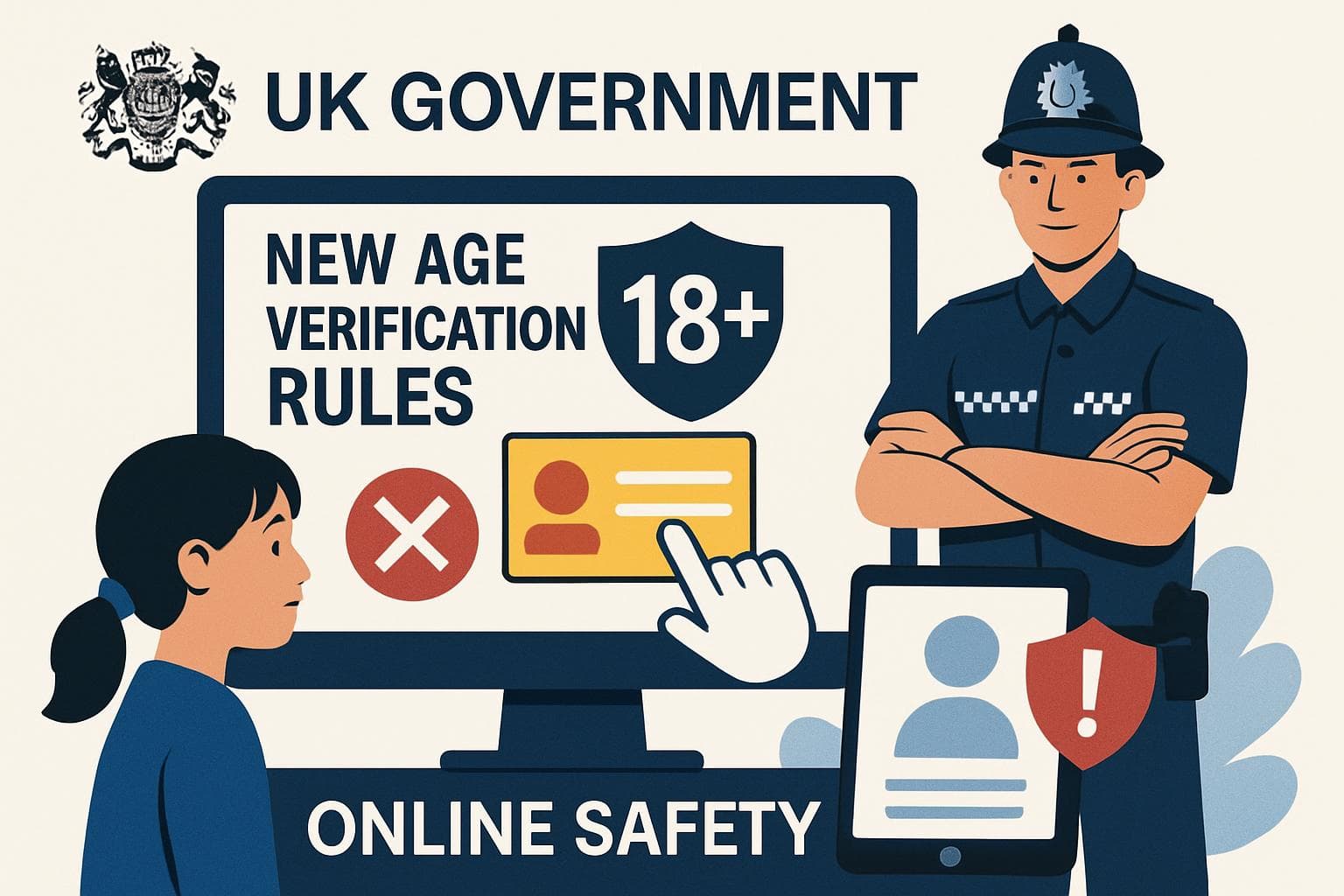
In a significant move to bolster online safety for children, the UK government is set to introduce new age verification rules under the Online Safety Act, effective from July 25. These regulations, overseen by media regulator Ofcom, aim to ensure that internet platforms implement stricter age checks and filter harmful content from children's feeds.
New Regulations and Enforcement
Transport Secretary Heidi Alexander highlighted the importance of these new measures, stating they represent a "really important" step in safeguarding children online. Ofcom's chief, Melanie Dawes, echoed this sentiment, describing the age verification checks as a "really big moment" for the industry. The rules mandate that platforms either remove inappropriate content or implement effective age checks to screen out under-18s.
Despite these advancements, campaigners, including bereaved parents, have expressed concerns that the measures may not go far enough. Ian Russell, whose daughter Molly tragically took her own life after exposure to harmful online content, emphasized the need for Ofcom to enforce the regulations more robustly. He urged the regulator to push back against tech companies and address any legislative weaknesses.
Government's Continued Commitment
The government has pledged to continue its efforts beyond these initial regulations. Alexander noted that Technology Secretary Peter Kyle is exploring further actions, such as curbing addictive habits among children. Proposals under consideration include a two-hour cap on social media app usage and a 22:00 curfew. Additionally, the education secretary is reviewing school policies on smartphone bans, though a nationwide ban has not been legislated.
Campaigners' Concerns and Calls for Action
While the new rules mark progress, campaigners argue that more decisive action is needed. Russell criticized Ofcom's current approach, suggesting that the regulator must act more assertively within its legal powers. He pointed out that the balance between protecting children and accommodating tech companies remains a contentious issue.
WHAT THIS MIGHT MEAN
As the new age verification rules come into effect, the focus will likely shift to their implementation and effectiveness. Ofcom's ability to enforce these regulations will be crucial in determining their success. Should the measures prove insufficient, further legislative action may be necessary to address gaps in online safety.
The government's ongoing exploration of additional restrictions, such as social media usage caps, indicates a willingness to adapt to emerging challenges. However, balancing these measures with technological innovation and freedom of expression will remain a complex task. As the debate continues, the role of campaigners and public opinion will be pivotal in shaping future policies.
Related Articles

Pornhub to Restrict New UK Users Amid Age Verification Dispute

X Faces Scrutiny Over AI-Generated Deepfakes Amid UK Legal Compliance Efforts

UK Government Considers Removing Andrew Mountbatten-Windsor from Royal Succession Amid Arrest

Government Orders Investigation into Telegraph Sale Over Media Plurality Concerns
UK Government Launches Campaign to Tackle Harmful Online Content for Children

UK Government Proposes Major Reforms to Cut Pet Care Costs
UK Government Tightens Online Safety Rules with New Age Verification Measures
In This Article
 Ethan Brooks| Published
 HIGHLIGHTS
- The UK government is implementing new age verification rules under the Online Safety Act to enhance children's online safety, effective from July 25.
- Ofcom, the media regulator, will enforce these rules, requiring platforms to filter harmful content and verify users' ages.
- Campaigners, including bereaved parents, urge Ofcom to take stronger actions against tech companies to prevent access to harmful material.
- Transport Secretary Heidi Alexander emphasized the government's commitment to further measures, including potential social media usage caps for children.
- Ian Russell, whose daughter Molly died after viewing harmful content online, advocates for more robust enforcement of the new regulations.
In a significant move to bolster online safety for children, the UK government is set to introduce new age verification rules under the Online Safety Act, effective from July 25. These regulations, overseen by media regulator Ofcom, aim to ensure that internet platforms implement stricter age checks and filter harmful content from children's feeds.
New Regulations and Enforcement
Transport Secretary Heidi Alexander highlighted the importance of these new measures, stating they represent a "really important" step in safeguarding children online. Ofcom's chief, Melanie Dawes, echoed this sentiment, describing the age verification checks as a "really big moment" for the industry. The rules mandate that platforms either remove inappropriate content or implement effective age checks to screen out under-18s.
Despite these advancements, campaigners, including bereaved parents, have expressed concerns that the measures may not go far enough. Ian Russell, whose daughter Molly tragically took her own life after exposure to harmful online content, emphasized the need for Ofcom to enforce the regulations more robustly. He urged the regulator to push back against tech companies and address any legislative weaknesses.
Government's Continued Commitment
The government has pledged to continue its efforts beyond these initial regulations. Alexander noted that Technology Secretary Peter Kyle is exploring further actions, such as curbing addictive habits among children. Proposals under consideration include a two-hour cap on social media app usage and a 22:00 curfew. Additionally, the education secretary is reviewing school policies on smartphone bans, though a nationwide ban has not been legislated.
Campaigners' Concerns and Calls for Action
While the new rules mark progress, campaigners argue that more decisive action is needed. Russell criticized Ofcom's current approach, suggesting that the regulator must act more assertively within its legal powers. He pointed out that the balance between protecting children and accommodating tech companies remains a contentious issue.
WHAT THIS MIGHT MEAN
As the new age verification rules come into effect, the focus will likely shift to their implementation and effectiveness. Ofcom's ability to enforce these regulations will be crucial in determining their success. Should the measures prove insufficient, further legislative action may be necessary to address gaps in online safety.
The government's ongoing exploration of additional restrictions, such as social media usage caps, indicates a willingness to adapt to emerging challenges. However, balancing these measures with technological innovation and freedom of expression will remain a complex task. As the debate continues, the role of campaigners and public opinion will be pivotal in shaping future policies.
Related Articles
Pornhub to Restrict New UK Users Amid Age Verification Dispute
X Faces Scrutiny Over AI-Generated Deepfakes Amid UK Legal Compliance Efforts
UK Government Considers Removing Andrew Mountbatten-Windsor from Royal Succession Amid Arrest
Government Orders Investigation into Telegraph Sale Over Media Plurality Concerns
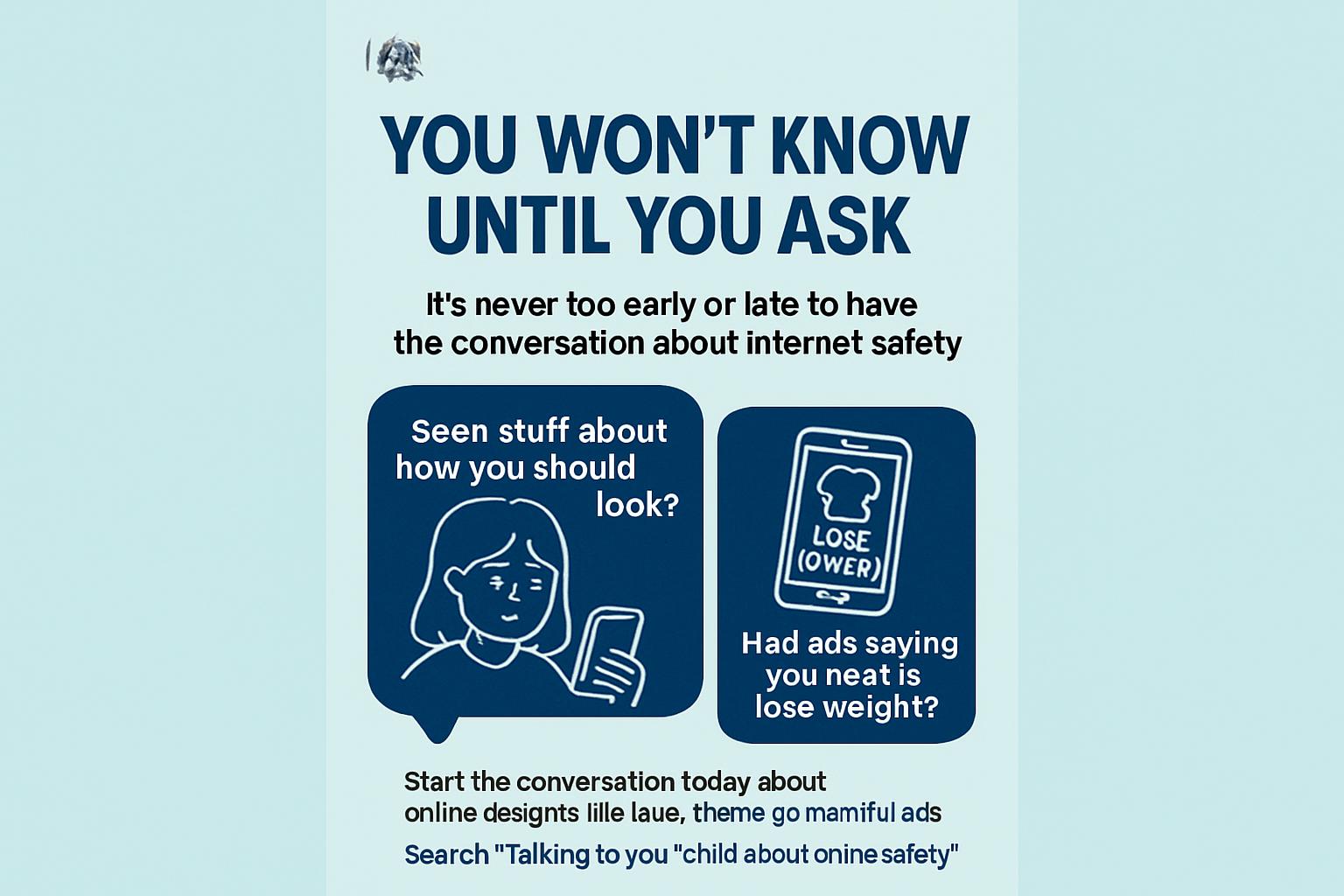
UK Government Launches Campaign to Tackle Harmful Online Content for Children
UK Government Proposes Major Reforms to Cut Pet Care Costs