
UK Government Faces Backlash Over Hardline Asylum Reforms
In This Article
HIGHLIGHTS
- The UK government is committed to major asylum reforms, including a 20-year wait for permanent residency and increased deportations.
- Home Secretary Shabana Mahmood's policies face backlash from Labour MPs and calls for more compassion and clarity.
- New "safe and legal" routes for refugees will be modest initially, with details on expansion still unclear.
- Critics argue the reforms may not effectively deter dangerous journeys or provide a fair asylum system.
- The government plans to work with the UNHCR to prioritize genuine claimants and establish an annual cap on new routes.
The UK government is pressing ahead with significant asylum reforms despite facing criticism from within its own ranks. Communities Secretary Steve Reed emphasized the government's commitment to these changes, which include extending the wait for permanent residency to 20 years and increasing deportations of rejected asylum seekers. The reforms, announced by Home Secretary Shabana Mahmood, aim to create a "fair, tolerant, and compassionate" asylum system, according to Reed.
Controversial Deportation Policies
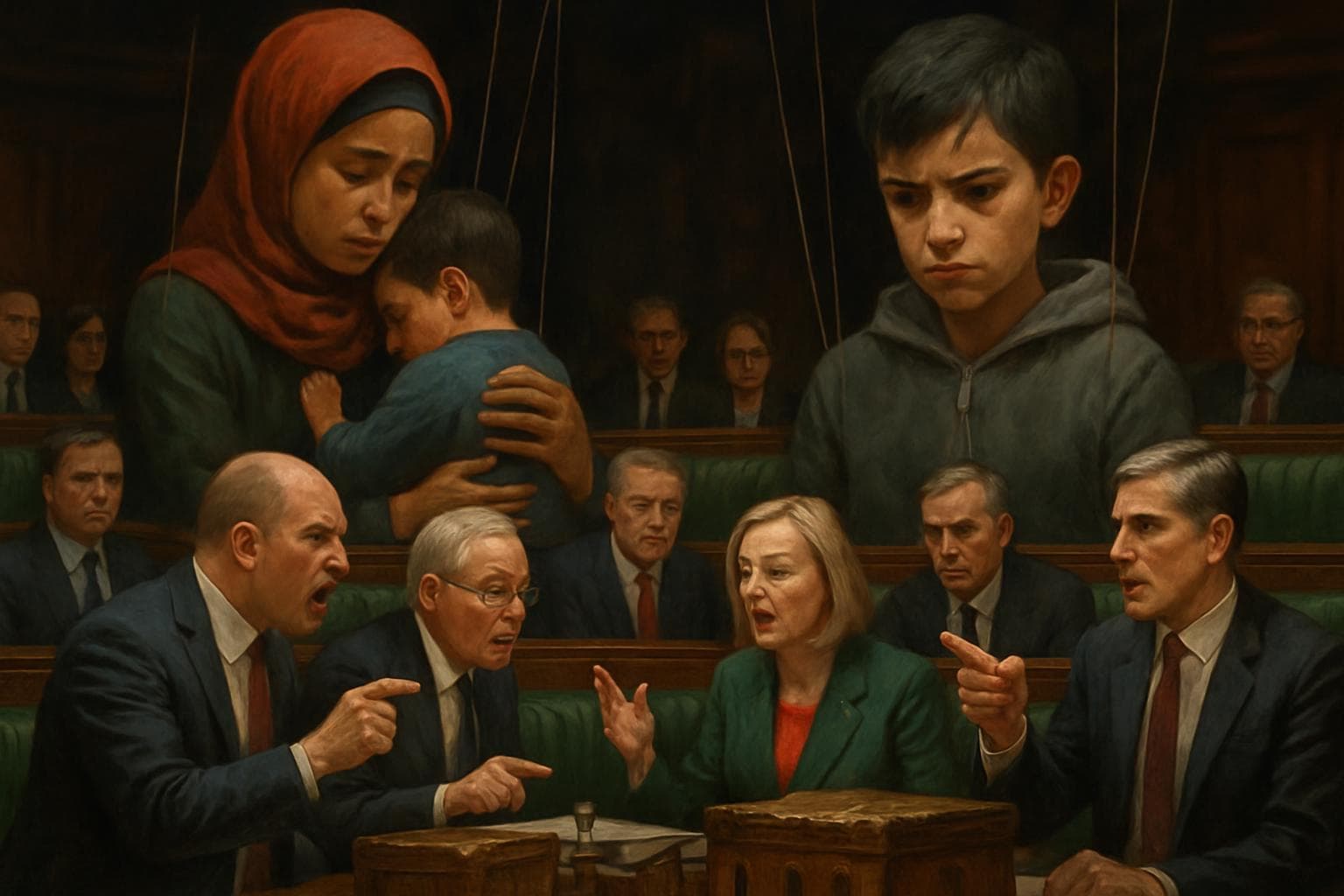
The proposed reforms have sparked controversy, particularly the deportation of families and children. Labour MP Stella Creasy criticized the measures as "not the British way," while Lord Dubs condemned the use of children as leverage. Tory leader Kemi Badenoch suggested her party might support the reforms, though she believes they do not go far enough.
Safe and Legal Routes
Mahmood has promised to establish "safe and legal" routes for refugees, working with the UNHCR to prioritize genuine claimants. However, the initial number of asylum seekers allowed under these schemes will be limited to a few hundred, with no clear timeline for expansion. Critics, including Enver Solomon of the Refugee Council, argue that these measures are insufficient to prevent dangerous journeys or establish an orderly asylum system.
Labour MPs Demand Clarity
More than two dozen Labour MPs have expressed dissatisfaction with the government's plans, urging Mahmood to provide more clarity and compassion. Olivia Blake, MP for Sheffield Hallam, accused Mahmood of fostering division by suggesting refugees have "won a golden ticket" if granted status in the UK. The government has also proposed a community sponsorship scheme and a program for skilled individuals displaced by conflict.
WHAT THIS MIGHT MEAN
The government's asylum reforms could face significant challenges in Parliament, particularly from Labour MPs who demand more compassionate policies. If the reforms pass, the impact on asylum seekers and the broader immigration system will need careful monitoring. The collaboration with the UNHCR to establish safe and legal routes is crucial, but the limited initial intake may not suffice to address the needs of those fleeing conflict and persecution. As the debate continues, the government must balance its objectives of controlling immigration with humanitarian obligations.
Related Articles
UK Government to Reform Asylum Seeker Support and Employment Policies

UK-Iran Tensions: Starmer Defends Cautious Approach Amid Trump Criticism

UK Government Considers Removing Andrew Mountbatten-Windsor from Royal Succession Amid Arrest
Government U-turn on Local Election Delays Sparks Political Fallout
Jim Ratcliffe's Immigration Comments Spark Backlash Amid UK Political Shifts
Chris Wormald Resigns as UK Cabinet Secretary Amid Political Reshuffle
UK Government Faces Backlash Over Hardline Asylum Reforms
In This Article
 Ethan Brooks| Published
 HIGHLIGHTS
- The UK government is committed to major asylum reforms, including a 20-year wait for permanent residency and increased deportations.
- Home Secretary Shabana Mahmood's policies face backlash from Labour MPs and calls for more compassion and clarity.
- New "safe and legal" routes for refugees will be modest initially, with details on expansion still unclear.
- Critics argue the reforms may not effectively deter dangerous journeys or provide a fair asylum system.
- The government plans to work with the UNHCR to prioritize genuine claimants and establish an annual cap on new routes.
The UK government is pressing ahead with significant asylum reforms despite facing criticism from within its own ranks. Communities Secretary Steve Reed emphasized the government's commitment to these changes, which include extending the wait for permanent residency to 20 years and increasing deportations of rejected asylum seekers. The reforms, announced by Home Secretary Shabana Mahmood, aim to create a "fair, tolerant, and compassionate" asylum system, according to Reed.
Controversial Deportation Policies
The proposed reforms have sparked controversy, particularly the deportation of families and children. Labour MP Stella Creasy criticized the measures as "not the British way," while Lord Dubs condemned the use of children as leverage. Tory leader Kemi Badenoch suggested her party might support the reforms, though she believes they do not go far enough.
Safe and Legal Routes
Mahmood has promised to establish "safe and legal" routes for refugees, working with the UNHCR to prioritize genuine claimants. However, the initial number of asylum seekers allowed under these schemes will be limited to a few hundred, with no clear timeline for expansion. Critics, including Enver Solomon of the Refugee Council, argue that these measures are insufficient to prevent dangerous journeys or establish an orderly asylum system.
Labour MPs Demand Clarity
More than two dozen Labour MPs have expressed dissatisfaction with the government's plans, urging Mahmood to provide more clarity and compassion. Olivia Blake, MP for Sheffield Hallam, accused Mahmood of fostering division by suggesting refugees have "won a golden ticket" if granted status in the UK. The government has also proposed a community sponsorship scheme and a program for skilled individuals displaced by conflict.
WHAT THIS MIGHT MEAN
The government's asylum reforms could face significant challenges in Parliament, particularly from Labour MPs who demand more compassionate policies. If the reforms pass, the impact on asylum seekers and the broader immigration system will need careful monitoring. The collaboration with the UNHCR to establish safe and legal routes is crucial, but the limited initial intake may not suffice to address the needs of those fleeing conflict and persecution. As the debate continues, the government must balance its objectives of controlling immigration with humanitarian obligations.
Related Articles
UK Government to Reform Asylum Seeker Support and Employment Policies
UK-Iran Tensions: Starmer Defends Cautious Approach Amid Trump Criticism
UK Government Considers Removing Andrew Mountbatten-Windsor from Royal Succession Amid Arrest
Government U-turn on Local Election Delays Sparks Political Fallout
Jim Ratcliffe's Immigration Comments Spark Backlash Amid UK Political Shifts
Chris Wormald Resigns as UK Cabinet Secretary Amid Political Reshuffle