
UK Foreign Aid Cuts: Legal and Public Challenges Amid Defence Spending Increase
In This Article
HIGHLIGHTS
- UK government plans to reduce foreign aid spending from 0.5% to 0.3% of GNI by 2027 to increase defence funding.
- Trade Minister Douglas Alexander suggests public support for international aid has waned, citing cultural and fiscal challenges.
- Government lawyers claim aid cuts cannot be legally challenged, citing a section of the 2015 International Development Act.
- The One Campaign argues that the government must either repeal the act or outline a plan to return to the 0.7% target.
- Public opinion remains divided, with some surveys indicating support for aid cuts while others show sustained backing for aid.
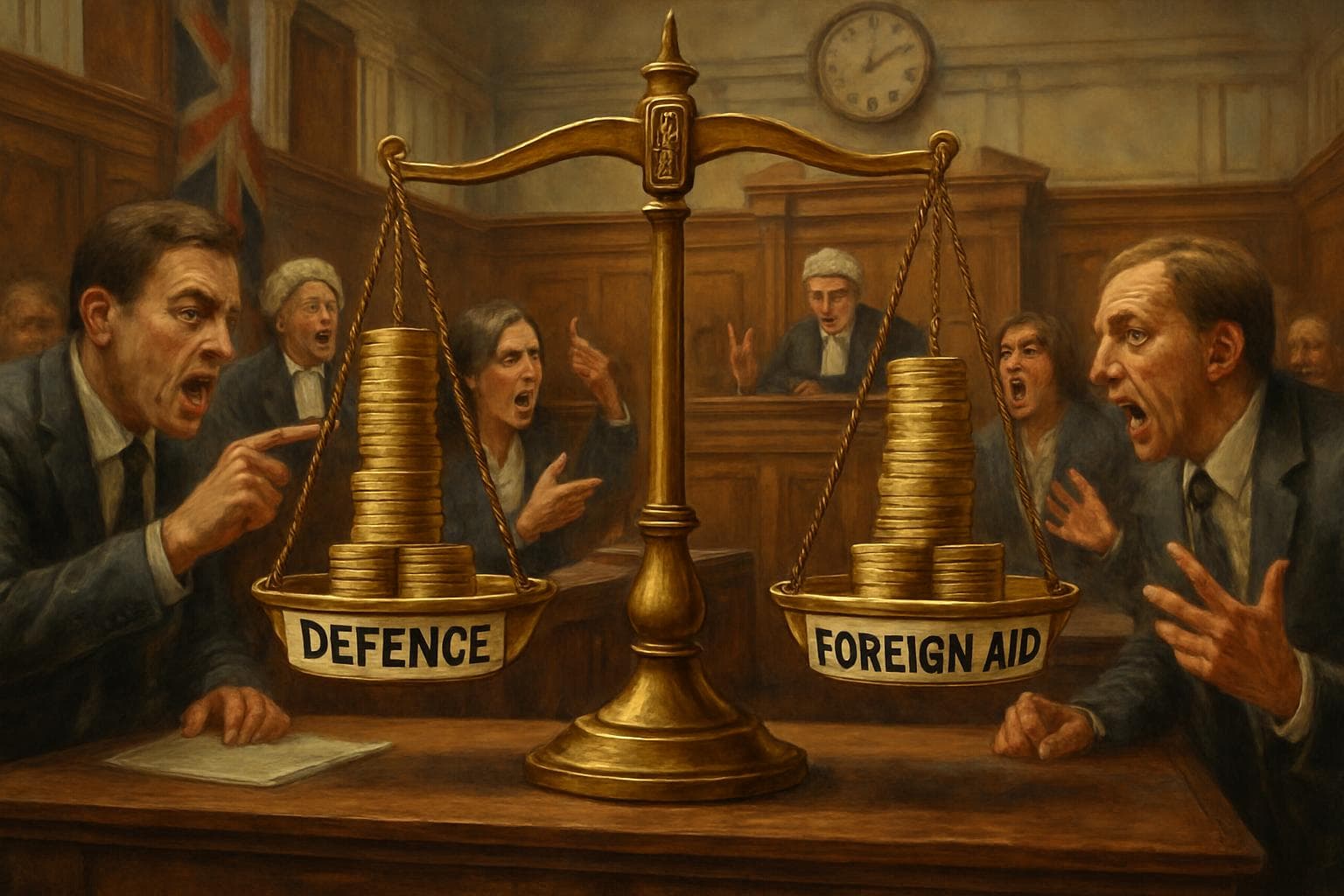
The UK government's decision to further reduce its foreign aid budget has sparked significant debate and legal scrutiny. Announced earlier this year, the plan to cut aid spending from 0.5% to 0.3% of the Gross National Income (GNI) by 2027 aims to redirect funds towards an increase in defence spending. This move has been met with criticism from various quarters, including charities and advocacy groups, who argue that it undermines the UK's commitment to international development.
Public Support and Cultural Challenges
Trade Minister Douglas Alexander, a former international development secretary, has highlighted a shift in public sentiment regarding foreign aid. Speaking on BBC Radio 4, Alexander noted that public consent for aid spending has diminished, describing the issue as both "fiscally and culturally challenged." He emphasized the moral and strategic importance of international aid but acknowledged that the argument for it must be renewed, even if financial constraints were not a factor.
Legal Immunity and Accountability
In a legal context, government lawyers have asserted that the planned £5 billion aid cuts are immune from judicial review. This claim is based on a section of the 2015 International Development Act, which they argue limits court jurisdiction over ministerial decisions on aid spending. The One Campaign, an advocacy group, disputes this interpretation, insisting that the government must either repeal the act or provide a credible plan to restore aid to the 0.7% target.
Divided Public Opinion
Public opinion on the aid cuts remains divided. A YouGov survey earlier this year indicated that 65% of respondents supported the reduction in aid to bolster defence spending. However, Romilly Greenhill, CEO of Bond, a network for NGOs, contends that public support for maintaining aid levels is consistent with past trends, citing research from the Development Engagement Lab project.
WHAT THIS MIGHT MEAN
The ongoing debate over the UK's foreign aid cuts could lead to significant political and legal ramifications. If the One Campaign proceeds with a judicial review, it could force the government to clarify its legal obligations under the International Development Act. Politically, the issue may influence public opinion and voter sentiment, particularly if the government fails to articulate a clear path back to the 0.7% aid target. As the UK navigates its fiscal priorities, the balance between international commitments and domestic needs will remain a contentious topic.
Related Articles
Diplomatic Tensions Rise as Trump Criticizes Starmer's Iran Policy

Prince Andrew's Ties to Epstein Under Scrutiny Amid Calls for Inquiry

Government Criticized for Mishandling Maccabi Tel Aviv Fan Ban

Prince Andrew's Arrest Intensifies Scrutiny on Royal Succession and Prince William's Future Role

UK Defence Faces Scrutiny Amid Ajax Armoured Vehicle Delays and Soldier Safety Concerns
Reform UK Aims to Reshape Welsh Politics with New Manifesto
UK Foreign Aid Cuts: Legal and Public Challenges Amid Defence Spending Increase
In This Article
 Ethan Brooks| Published
 HIGHLIGHTS
- UK government plans to reduce foreign aid spending from 0.5% to 0.3% of GNI by 2027 to increase defence funding.
- Trade Minister Douglas Alexander suggests public support for international aid has waned, citing cultural and fiscal challenges.
- Government lawyers claim aid cuts cannot be legally challenged, citing a section of the 2015 International Development Act.
- The One Campaign argues that the government must either repeal the act or outline a plan to return to the 0.7% target.
- Public opinion remains divided, with some surveys indicating support for aid cuts while others show sustained backing for aid.
The UK government's decision to further reduce its foreign aid budget has sparked significant debate and legal scrutiny. Announced earlier this year, the plan to cut aid spending from 0.5% to 0.3% of the Gross National Income (GNI) by 2027 aims to redirect funds towards an increase in defence spending. This move has been met with criticism from various quarters, including charities and advocacy groups, who argue that it undermines the UK's commitment to international development.
Public Support and Cultural Challenges
Trade Minister Douglas Alexander, a former international development secretary, has highlighted a shift in public sentiment regarding foreign aid. Speaking on BBC Radio 4, Alexander noted that public consent for aid spending has diminished, describing the issue as both "fiscally and culturally challenged." He emphasized the moral and strategic importance of international aid but acknowledged that the argument for it must be renewed, even if financial constraints were not a factor.
Legal Immunity and Accountability
In a legal context, government lawyers have asserted that the planned £5 billion aid cuts are immune from judicial review. This claim is based on a section of the 2015 International Development Act, which they argue limits court jurisdiction over ministerial decisions on aid spending. The One Campaign, an advocacy group, disputes this interpretation, insisting that the government must either repeal the act or provide a credible plan to restore aid to the 0.7% target.
Divided Public Opinion
Public opinion on the aid cuts remains divided. A YouGov survey earlier this year indicated that 65% of respondents supported the reduction in aid to bolster defence spending. However, Romilly Greenhill, CEO of Bond, a network for NGOs, contends that public support for maintaining aid levels is consistent with past trends, citing research from the Development Engagement Lab project.
WHAT THIS MIGHT MEAN
The ongoing debate over the UK's foreign aid cuts could lead to significant political and legal ramifications. If the One Campaign proceeds with a judicial review, it could force the government to clarify its legal obligations under the International Development Act. Politically, the issue may influence public opinion and voter sentiment, particularly if the government fails to articulate a clear path back to the 0.7% aid target. As the UK navigates its fiscal priorities, the balance between international commitments and domestic needs will remain a contentious topic.
Related Articles
Diplomatic Tensions Rise as Trump Criticizes Starmer's Iran Policy
Prince Andrew's Ties to Epstein Under Scrutiny Amid Calls for Inquiry
Government Criticized for Mishandling Maccabi Tel Aviv Fan Ban
Prince Andrew's Arrest Intensifies Scrutiny on Royal Succession and Prince William's Future Role
UK Defence Faces Scrutiny Amid Ajax Armoured Vehicle Delays and Soldier Safety Concerns
Reform UK Aims to Reshape Welsh Politics with New Manifesto