
UK Government Alters Digital ID Plan Amid Criticism
In This Article
HIGHLIGHTS
- The UK government has removed the mandatory element from its digital ID plan, allowing alternative forms like e-visas or e-passports.
- Prime Minister Keir Starmer denies this change constitutes a U-turn, emphasizing that digital checks remain mandatory.
- The policy shift follows criticism and is part of a series of recent government policy adjustments.
- Opposition parties have criticized the government for lacking direction, citing frequent policy reversals.
- The government aims to curb illegal working through digital checks, despite the rollback of the mandatory digital ID card.
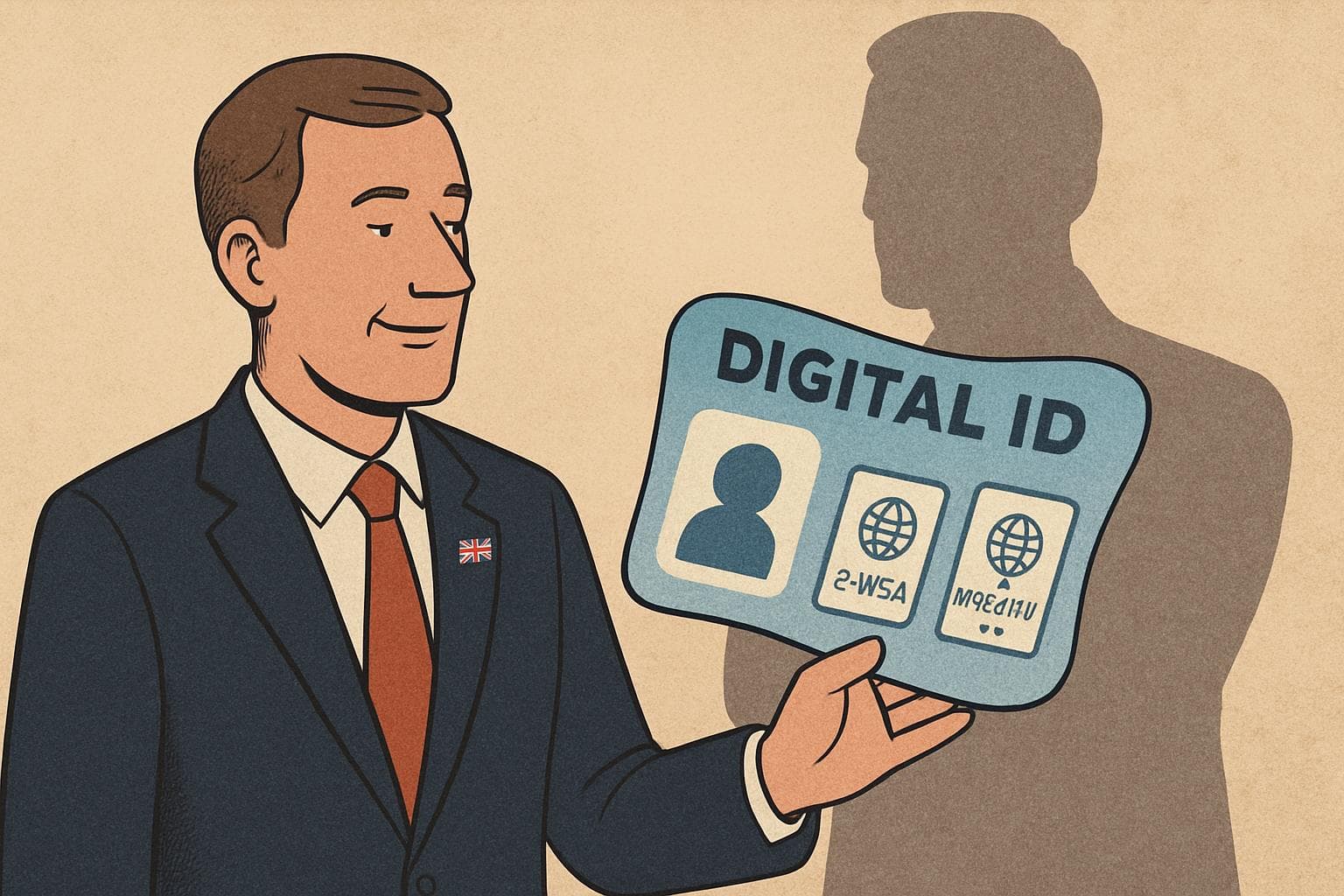
The UK government has announced a significant alteration to its digital ID policy, removing the mandatory requirement for workers to possess a digital ID card. This decision marks a notable shift in one of Prime Minister Keir Starmer's key policy initiatives, initially aimed at curbing illegal working practices.
Policy Shift and Political Reactions
The original plan, which mandated digital IDs for employment verification, faced substantial criticism from various quarters, including within the Labour Party. Critics likened it to a "show us your papers" society, reminiscent of past debates over ID cards. In response, the government has now opted to allow alternative forms of digital identification, such as e-visas or e-passports, while maintaining the requirement for digital checks.
Despite accusations from the Conservative Party of a lack of direction, Starmer has refuted claims of a policy U-turn. In a recent interview, he emphasized that the core objective remains intact: "You will be checked. Those checks will be digital. And they will be mandatory." Starmer reiterated that the primary goal is to prevent illegal working in the UK.
Broader Context of Policy Changes
This adjustment is part of a broader pattern of recent policy changes by the government, including revisions to inheritance tax for farms and business rates for pubs. The opposition has seized upon these changes, with Conservative leader Kemi Badenoch criticizing the government for its perceived inconsistency.
Government's Justification and Future Steps
The government argues that the revised approach will still effectively link biometric data to individuals' identities, enabling instant verification of work eligibility. Business Secretary Peter Kyle highlighted the efficiency of this system, stating it allows for immediate checks on a person's right to work.
WHAT THIS MIGHT MEAN
The decision to alter the digital ID policy could have several implications. Politically, it may fuel further criticism of the government's consistency and strategic direction. However, by retaining the mandatory digital checks, the government aims to address concerns about illegal working while mitigating public backlash over privacy issues.
Moving forward, the government will need to clearly communicate the benefits of the revised system to gain public support. The consultation process on the specifics of the digital checks will be crucial in shaping the final implementation, potentially influencing public perception and acceptance of the policy.
Related Articles

Labour MP's Husband Arrested in UK-China Espionage Probe

UK-Iran Tensions: Starmer Defends Cautious Approach Amid Trump Criticism
UK Government to Reform Asylum Seeker Support and Employment Policies

UK Faces Dilemmas Amid Iran Conflict and China Spying Allegations

UK Government Announces Major Overhaul of SEND System with £3.4 Billion Investment
Conservatives Propose Interest Rate Cap on Student Loans Amid Growing Debt Concerns
UK Government Alters Digital ID Plan Amid Criticism
In This Article
 Himanshu Kaushik| Published
 HIGHLIGHTS
- The UK government has removed the mandatory element from its digital ID plan, allowing alternative forms like e-visas or e-passports.
- Prime Minister Keir Starmer denies this change constitutes a U-turn, emphasizing that digital checks remain mandatory.
- The policy shift follows criticism and is part of a series of recent government policy adjustments.
- Opposition parties have criticized the government for lacking direction, citing frequent policy reversals.
- The government aims to curb illegal working through digital checks, despite the rollback of the mandatory digital ID card.
The UK government has announced a significant alteration to its digital ID policy, removing the mandatory requirement for workers to possess a digital ID card. This decision marks a notable shift in one of Prime Minister Keir Starmer's key policy initiatives, initially aimed at curbing illegal working practices.
Policy Shift and Political Reactions
The original plan, which mandated digital IDs for employment verification, faced substantial criticism from various quarters, including within the Labour Party. Critics likened it to a "show us your papers" society, reminiscent of past debates over ID cards. In response, the government has now opted to allow alternative forms of digital identification, such as e-visas or e-passports, while maintaining the requirement for digital checks.
Despite accusations from the Conservative Party of a lack of direction, Starmer has refuted claims of a policy U-turn. In a recent interview, he emphasized that the core objective remains intact: "You will be checked. Those checks will be digital. And they will be mandatory." Starmer reiterated that the primary goal is to prevent illegal working in the UK.
Broader Context of Policy Changes
This adjustment is part of a broader pattern of recent policy changes by the government, including revisions to inheritance tax for farms and business rates for pubs. The opposition has seized upon these changes, with Conservative leader Kemi Badenoch criticizing the government for its perceived inconsistency.
Government's Justification and Future Steps
The government argues that the revised approach will still effectively link biometric data to individuals' identities, enabling instant verification of work eligibility. Business Secretary Peter Kyle highlighted the efficiency of this system, stating it allows for immediate checks on a person's right to work.
WHAT THIS MIGHT MEAN
The decision to alter the digital ID policy could have several implications. Politically, it may fuel further criticism of the government's consistency and strategic direction. However, by retaining the mandatory digital checks, the government aims to address concerns about illegal working while mitigating public backlash over privacy issues.
Moving forward, the government will need to clearly communicate the benefits of the revised system to gain public support. The consultation process on the specifics of the digital checks will be crucial in shaping the final implementation, potentially influencing public perception and acceptance of the policy.
Related Articles
Labour MP's Husband Arrested in UK-China Espionage Probe
UK-Iran Tensions: Starmer Defends Cautious Approach Amid Trump Criticism
UK Government to Reform Asylum Seeker Support and Employment Policies
UK Faces Dilemmas Amid Iran Conflict and China Spying Allegations
UK Government Announces Major Overhaul of SEND System with £3.4 Billion Investment
Conservatives Propose Interest Rate Cap on Student Loans Amid Growing Debt Concerns