
UK Minister Arrested Amid Rising Tensions Over Gaza Conflict
In This Article
HIGHLIGHTS
- Baptist minister James Grote was arrested in Oxford for supporting the banned group Palestine Action.
- Palestine Action was proscribed as a terror group after causing significant damage at RAF Brize Norton.
- Supporting Palestine Action is now a criminal offense in the UK, with potential penalties of up to 14 years in prison.
- Critics argue the UK government's response to the Gaza conflict is inadequate and complicit in ongoing violence.
- Calls for UK political leaders to recognize the situation in Gaza as genocide and take stronger action against Israel.
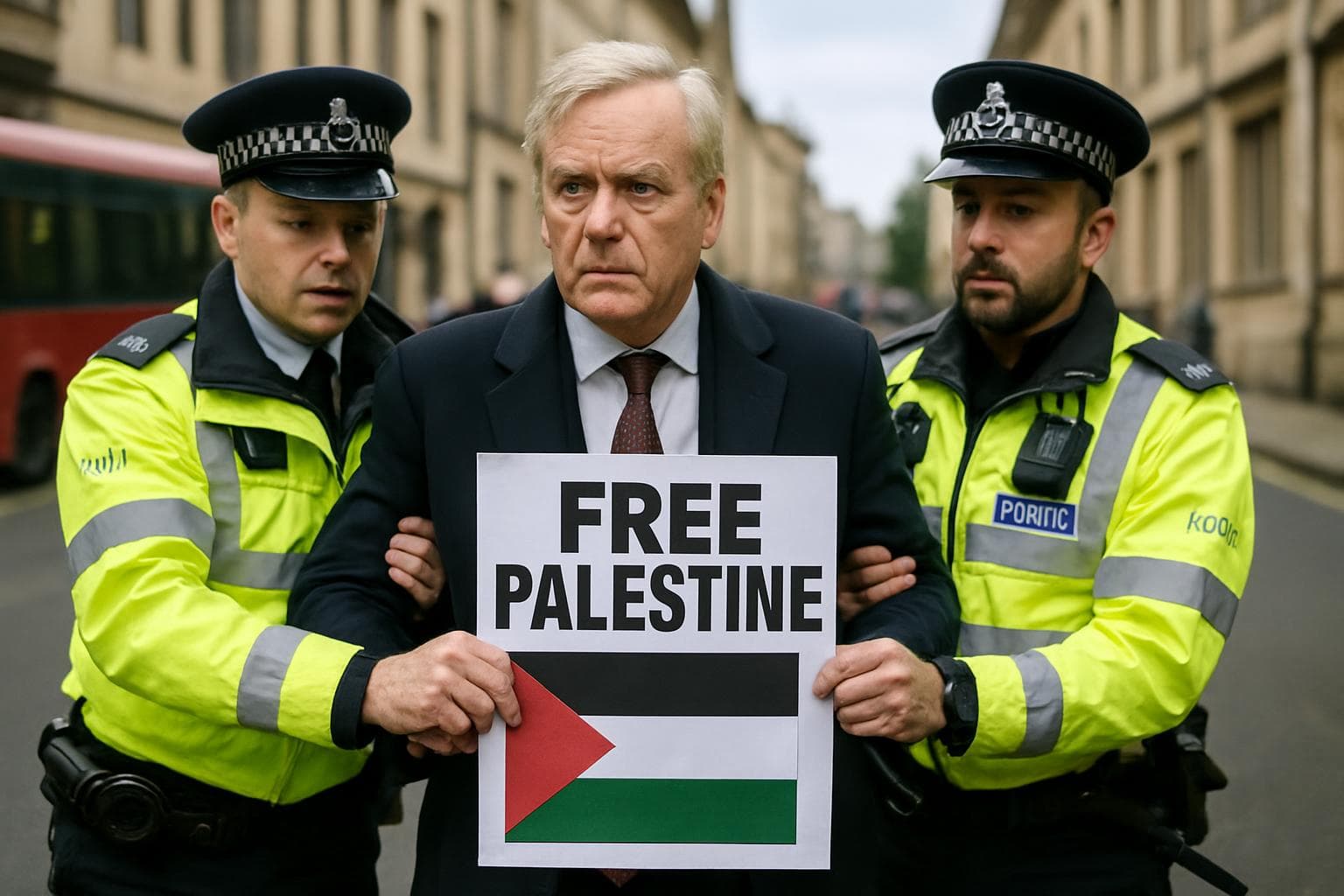
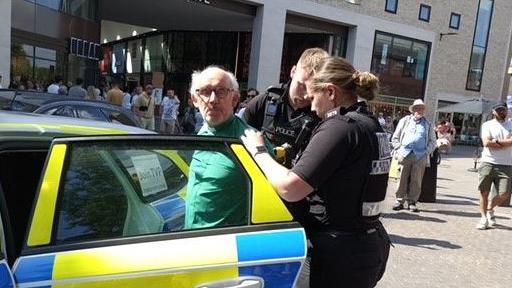
In a recent development highlighting the UK's contentious stance on the Israel-Palestine conflict, Baptist minister James Grote was arrested in Oxford for displaying a placard supporting the proscribed group Palestine Action. The arrest took place in Bonn Square, where Grote held a sign reading, "I oppose genocide, I support Palestine Action." Thames Valley Police confirmed the arrest of the man in his sixties, who has since been released on bail pending further legal advice.
Palestine Action and Legal Implications
Palestine Action was designated a terrorist organization last month following an incident at RAF Brize Norton, where members caused an estimated £7 million in damage to military aircraft. The group's activities have sparked significant legal and political debate, with the UK government enforcing strict penalties for those expressing support. Under the Terrorism Act 2000, individuals found guilty of supporting the group could face up to 14 years in prison.
Criticism of UK Government's Response
The UK government's handling of the Gaza conflict has drawn criticism from various quarters. Critics, including prominent figures like David Lammy, argue that the government's response has been insufficient and complicit in the ongoing violence. Calls have been made for the UK to recognize the situation in Gaza as genocide and to impose sanctions on Israel. The debate continues to stir public and political discourse, with many urging stronger actions to address the humanitarian crisis.
Public and Political Reactions
The arrest of Grote and the broader implications of supporting Palestine Action have sparked a wider conversation about freedom of expression and the UK's role in the Middle East. Home Secretary Yvette Cooper defended the ban, citing security concerns and the group's history of violent actions. Meanwhile, public figures and citizens alike are calling for a reevaluation of the UK's foreign policy and its impact on the Israel-Palestine conflict.
WHAT THIS MIGHT MEAN
The arrest of James Grote and the criminalization of support for Palestine Action could lead to increased scrutiny of protest laws in the UK. Legal experts may challenge the broad application of the Terrorism Act 2000, arguing for clearer distinctions between violent and non-violent activism. Politically, the UK government faces mounting pressure to reassess its stance on the Gaza conflict, with potential implications for its international relations and domestic policy. As tensions in the Middle East persist, the UK may need to navigate a complex landscape of diplomatic and humanitarian considerations.
Images from the Web
Related Articles

UK Faces Dilemmas Amid Iran Conflict and China Spying Allegations

Prince Andrew's Ties to Epstein Under Scrutiny Amid Calls for Inquiry
Government Criticized for Mishandling Maccabi Tel Aviv Fan Ban

Prince Andrew's Arrest Intensifies Scrutiny on Royal Succession and Prince William's Future Role
MPs Weigh Inquiry into Andrew Mountbatten-Windsor's Trade Envoy Role Amid Arrest
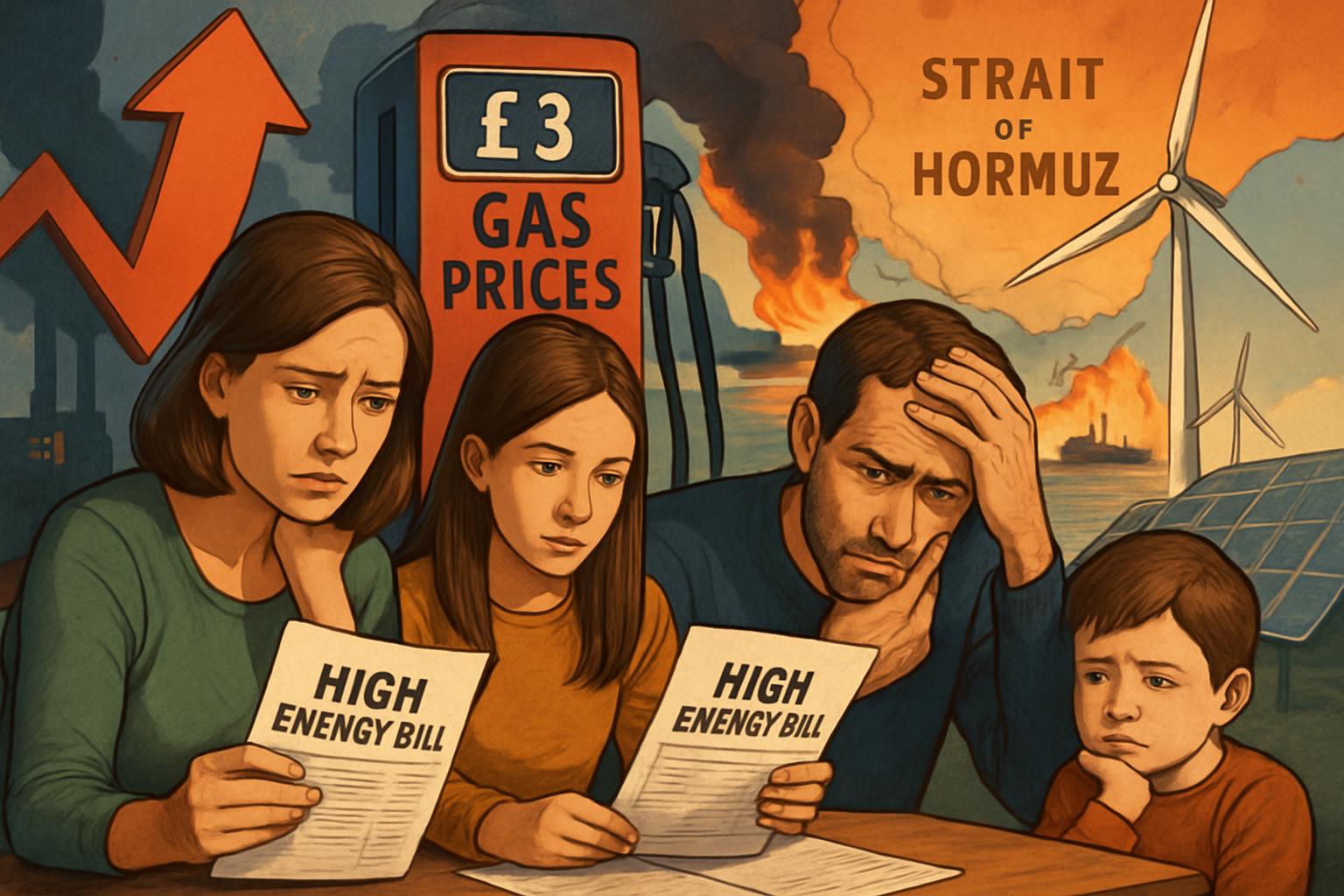
Middle East Conflict Drives UK Energy Prices to New Highs
UK Minister Arrested Amid Rising Tensions Over Gaza Conflict
In This Article
 Ethan Brooks| Published
 HIGHLIGHTS
- Baptist minister James Grote was arrested in Oxford for supporting the banned group Palestine Action.
- Palestine Action was proscribed as a terror group after causing significant damage at RAF Brize Norton.
- Supporting Palestine Action is now a criminal offense in the UK, with potential penalties of up to 14 years in prison.
- Critics argue the UK government's response to the Gaza conflict is inadequate and complicit in ongoing violence.
- Calls for UK political leaders to recognize the situation in Gaza as genocide and take stronger action against Israel.
In a recent development highlighting the UK's contentious stance on the Israel-Palestine conflict, Baptist minister James Grote was arrested in Oxford for displaying a placard supporting the proscribed group Palestine Action. The arrest took place in Bonn Square, where Grote held a sign reading, "I oppose genocide, I support Palestine Action." Thames Valley Police confirmed the arrest of the man in his sixties, who has since been released on bail pending further legal advice.
Palestine Action and Legal Implications
Palestine Action was designated a terrorist organization last month following an incident at RAF Brize Norton, where members caused an estimated £7 million in damage to military aircraft. The group's activities have sparked significant legal and political debate, with the UK government enforcing strict penalties for those expressing support. Under the Terrorism Act 2000, individuals found guilty of supporting the group could face up to 14 years in prison.
Criticism of UK Government's Response
The UK government's handling of the Gaza conflict has drawn criticism from various quarters. Critics, including prominent figures like David Lammy, argue that the government's response has been insufficient and complicit in the ongoing violence. Calls have been made for the UK to recognize the situation in Gaza as genocide and to impose sanctions on Israel. The debate continues to stir public and political discourse, with many urging stronger actions to address the humanitarian crisis.
Public and Political Reactions
The arrest of Grote and the broader implications of supporting Palestine Action have sparked a wider conversation about freedom of expression and the UK's role in the Middle East. Home Secretary Yvette Cooper defended the ban, citing security concerns and the group's history of violent actions. Meanwhile, public figures and citizens alike are calling for a reevaluation of the UK's foreign policy and its impact on the Israel-Palestine conflict.
WHAT THIS MIGHT MEAN
The arrest of James Grote and the criminalization of support for Palestine Action could lead to increased scrutiny of protest laws in the UK. Legal experts may challenge the broad application of the Terrorism Act 2000, arguing for clearer distinctions between violent and non-violent activism. Politically, the UK government faces mounting pressure to reassess its stance on the Gaza conflict, with potential implications for its international relations and domestic policy. As tensions in the Middle East persist, the UK may need to navigate a complex landscape of diplomatic and humanitarian considerations.
Images from the Web
Related Articles
UK Faces Dilemmas Amid Iran Conflict and China Spying Allegations
Prince Andrew's Ties to Epstein Under Scrutiny Amid Calls for Inquiry
Government Criticized for Mishandling Maccabi Tel Aviv Fan Ban
Prince Andrew's Arrest Intensifies Scrutiny on Royal Succession and Prince William's Future Role
MPs Weigh Inquiry into Andrew Mountbatten-Windsor's Trade Envoy Role Amid Arrest
Middle East Conflict Drives UK Energy Prices to New Highs