
UK's Online Safety Act Targets Illegal Content Amid Calls to Shut Down Graphic Video Website
In This Article
HIGHLIGHTS
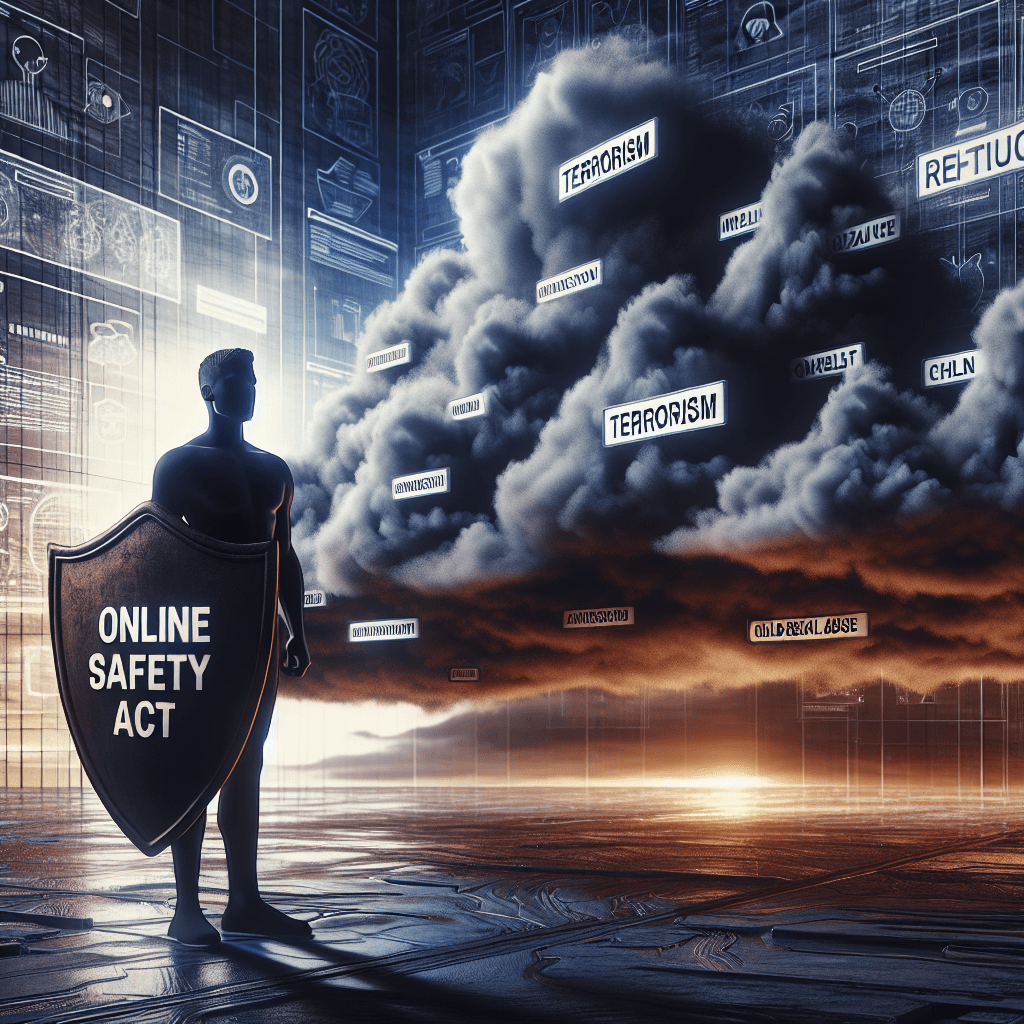
- The UK’s Online Safety Act empowers Ofcom to regulate illegal online content, including extremist and terrorist material, with potential fines up to £18m.
- Bereaved families urge Ofcom to shut down a website hosting graphic death videos, citing its role in radicalizing users and its lack of age verification.
- Social media platforms must implement measures to prevent illegal content, with tech companies facing significant fines for non-compliance.
- Critics argue the legislation is insufficiently robust, while experts warn that exposure to violent content can desensitize and radicalize users.
- The Online Safety Act mandates platforms to protect children and adults from harmful content, with Ofcom publishing codes of conduct for compliance.
The UK’s Online Safety Act, which came into effect on Monday, grants the communications regulator Ofcom new powers to tackle illegal online content, including extremist and terrorist material. This legislative move comes amid growing calls from bereaved families to shut down a controversial website that hosts graphic videos of real-life deaths, executions, and suicides.
Ofcom's New Powers and Responsibilities
Under the new digital safety laws, Ofcom can now enforce measures against platforms that fail to remove illegal content, with potential fines reaching up to £18 million or 10% of a company's global revenue. The act covers over 100,000 services, including major platforms like Facebook, Google, and Reddit. Companies are required to implement robust systems to prevent the appearance of illegal content, such as terrorist propaganda and child sexual abuse material.
Peter Kyle, the UK’s technology secretary, emphasized the importance of these regulations, stating, "In recent years, tech companies have treated safety as an afterthought. That changes today."
Families Demand Action Against Graphic Content
Families affected by the content on the unnamed website are urging Ofcom to take decisive action. The site, notorious for its graphic videos, has been linked to radicalization and violent incidents, including school shootings in the US. Mike Haines, whose brother was murdered by the Islamic State in 2014, described the site as "vile" and expressed concern over its impact on children due to inadequate age verification.
Bethany Haines, David Haines' daughter, fears her son might one day encounter the video of his grandfather's murder. "Every second that we delay in shutting this site down, we are endangering our youth," Mike Haines warned.
Challenges in Enforcement
Despite the new powers, critics argue that the legislation lacks the robustness needed to effectively police such sites. The website in question is hosted in the US, complicating enforcement efforts. Ofcom has spent the past 18 months developing codes of practice for platforms to follow, but the challenge remains significant.
Dr. Olivia Brown, an expert in radicalization, warns that repeated exposure to violent content can desensitize users, potentially leading them to view violence as a viable solution to their problems.
Broader Implications of the Online Safety Act
The Online Safety Act also mandates platforms to protect children and adults from harmful content, with Ofcom publishing codes of conduct to ensure compliance. These include measures to hide children's online profiles by default and tools to block harassment.
While the act has faced criticism, particularly from US officials concerned about free speech implications, the UK government maintains that the legislation is focused on tackling criminality rather than censoring debate.
WHAT THIS MIGHT MEAN
The implementation of the Online Safety Act marks a significant step in regulating digital content, but its effectiveness will depend on Ofcom's ability to enforce compliance, particularly with platforms hosted outside the UK. The act's success could set a precedent for other countries grappling with similar issues, potentially leading to a global shift in how online content is regulated.
However, the challenge of balancing safety with free speech remains a contentious issue. As platforms adapt to these new regulations, ongoing dialogue between governments, tech companies, and civil society will be crucial to address the complexities of digital safety in an interconnected world.
Related Articles

UK Faces Dilemmas Amid Iran Conflict and China Spying Allegations

Prince Andrew's Ties to Epstein Under Scrutiny Amid Calls for Inquiry

Breakthrough Drug Offers Hope for Children with Severe Epilepsy

Google Faces Legal Battle Over AI Chatbot's Alleged Role in Tragic Death
Iran Postpones Khamenei Funeral Amid Escalating US-Israeli Strikes

Government Announces £4 Billion Overhaul of SEND Support in England
UK's Online Safety Act Targets Illegal Content Amid Calls to Shut Down Graphic Video Website
In This Article
 Ethan Brooks| Published
 HIGHLIGHTS
- The UK’s Online Safety Act empowers Ofcom to regulate illegal online content, including extremist and terrorist material, with potential fines up to £18m.
- Bereaved families urge Ofcom to shut down a website hosting graphic death videos, citing its role in radicalizing users and its lack of age verification.
- Social media platforms must implement measures to prevent illegal content, with tech companies facing significant fines for non-compliance.
- Critics argue the legislation is insufficiently robust, while experts warn that exposure to violent content can desensitize and radicalize users.
- The Online Safety Act mandates platforms to protect children and adults from harmful content, with Ofcom publishing codes of conduct for compliance.
The UK’s Online Safety Act, which came into effect on Monday, grants the communications regulator Ofcom new powers to tackle illegal online content, including extremist and terrorist material. This legislative move comes amid growing calls from bereaved families to shut down a controversial website that hosts graphic videos of real-life deaths, executions, and suicides.
Ofcom's New Powers and Responsibilities
Under the new digital safety laws, Ofcom can now enforce measures against platforms that fail to remove illegal content, with potential fines reaching up to £18 million or 10% of a company's global revenue. The act covers over 100,000 services, including major platforms like Facebook, Google, and Reddit. Companies are required to implement robust systems to prevent the appearance of illegal content, such as terrorist propaganda and child sexual abuse material.
Peter Kyle, the UK’s technology secretary, emphasized the importance of these regulations, stating, "In recent years, tech companies have treated safety as an afterthought. That changes today."
Families Demand Action Against Graphic Content
Families affected by the content on the unnamed website are urging Ofcom to take decisive action. The site, notorious for its graphic videos, has been linked to radicalization and violent incidents, including school shootings in the US. Mike Haines, whose brother was murdered by the Islamic State in 2014, described the site as "vile" and expressed concern over its impact on children due to inadequate age verification.
Bethany Haines, David Haines' daughter, fears her son might one day encounter the video of his grandfather's murder. "Every second that we delay in shutting this site down, we are endangering our youth," Mike Haines warned.
Challenges in Enforcement
Despite the new powers, critics argue that the legislation lacks the robustness needed to effectively police such sites. The website in question is hosted in the US, complicating enforcement efforts. Ofcom has spent the past 18 months developing codes of practice for platforms to follow, but the challenge remains significant.
Dr. Olivia Brown, an expert in radicalization, warns that repeated exposure to violent content can desensitize users, potentially leading them to view violence as a viable solution to their problems.
Broader Implications of the Online Safety Act
The Online Safety Act also mandates platforms to protect children and adults from harmful content, with Ofcom publishing codes of conduct to ensure compliance. These include measures to hide children's online profiles by default and tools to block harassment.
While the act has faced criticism, particularly from US officials concerned about free speech implications, the UK government maintains that the legislation is focused on tackling criminality rather than censoring debate.
WHAT THIS MIGHT MEAN
The implementation of the Online Safety Act marks a significant step in regulating digital content, but its effectiveness will depend on Ofcom's ability to enforce compliance, particularly with platforms hosted outside the UK. The act's success could set a precedent for other countries grappling with similar issues, potentially leading to a global shift in how online content is regulated.
However, the challenge of balancing safety with free speech remains a contentious issue. As platforms adapt to these new regulations, ongoing dialogue between governments, tech companies, and civil society will be crucial to address the complexities of digital safety in an interconnected world.
Related Articles
UK Faces Dilemmas Amid Iran Conflict and China Spying Allegations
Prince Andrew's Ties to Epstein Under Scrutiny Amid Calls for Inquiry
Breakthrough Drug Offers Hope for Children with Severe Epilepsy
Google Faces Legal Battle Over AI Chatbot's Alleged Role in Tragic Death
Iran Postpones Khamenei Funeral Amid Escalating US-Israeli Strikes
Government Announces £4 Billion Overhaul of SEND Support in England