
UK Government Overhauls Standards System, Scraps Acoba for New Ethics Commission
In This Article
HIGHLIGHTS
- Ministers leaving office after a "serious breach" of the ministerial code will lose severance payments starting October.
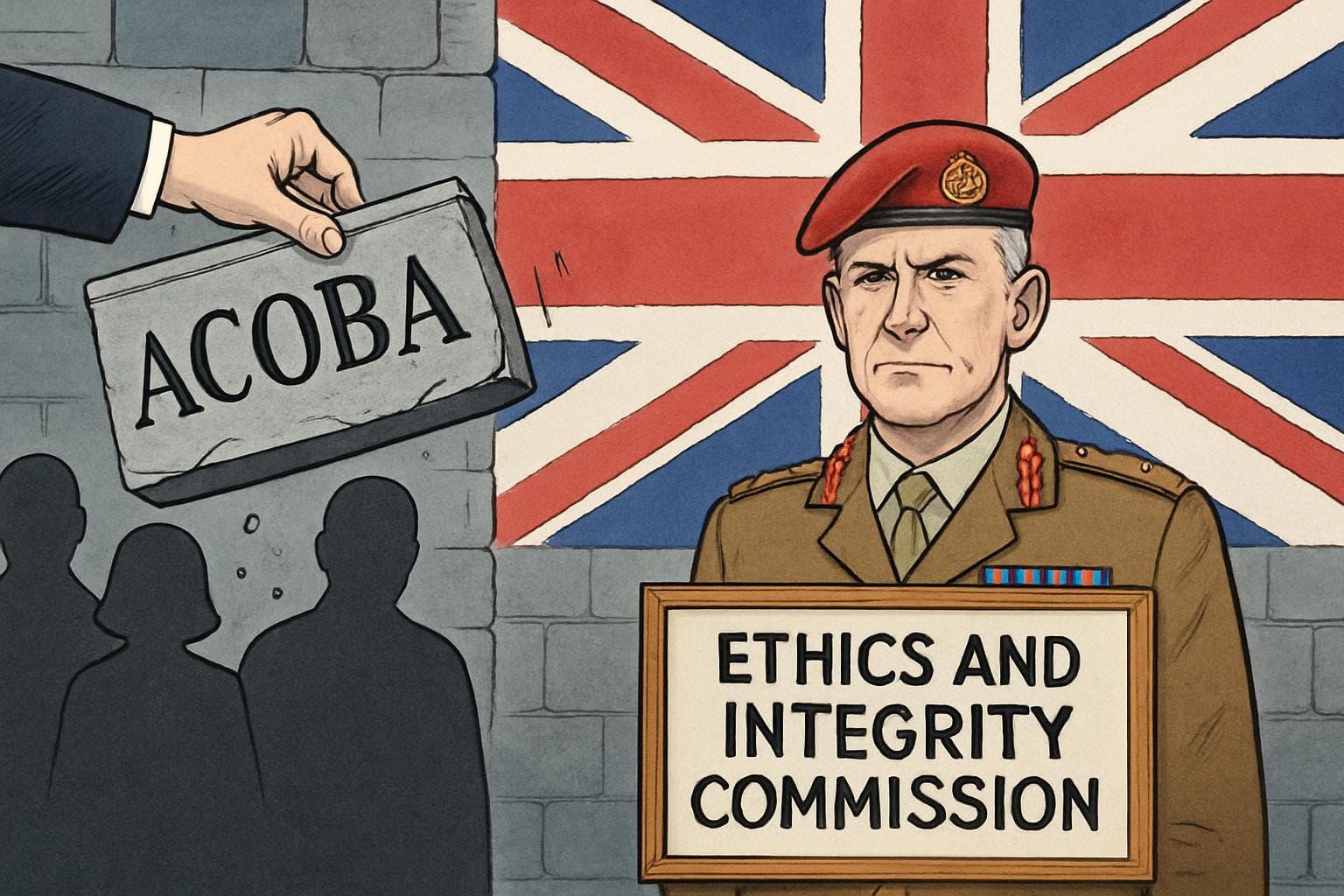
- The Advisory Committee on Business Appointments (Acoba) will be replaced by a new Ethics and Integrity Commission.
- The new commission will have broader powers, including imposing financial penalties for rule breaches.
- Boris Johnson repeatedly breached post-ministerial job rules without facing penalties, highlighting Acoba's ineffectiveness.
- Keir Starmer's overhaul aims to restore public trust by strengthening government standards and accountability.
In a significant move to enhance political accountability, the UK government announced sweeping changes to its standards system, effective from October. Ministers who leave office following a "serious breach" of the ministerial code will no longer receive severance payments, a measure aimed at bolstering public confidence in political integrity.
Revamping the Standards System
The Advisory Committee on Business Appointments (Acoba), long criticized as ineffective, will be replaced by a new Ethics and Integrity Commission. This body will assume a broader role, incorporating the functions of the Committee on Standards in Public Life, established in 1994. The new commission, chaired by former military chief Lt Gen Doug Chalmers, will have the authority to impose financial penalties on former ministers who breach post-government employment rules.
Addressing Past Failures
Acoba's inability to enforce compliance has been a point of contention, as evidenced by high-profile breaches by former Prime Minister Boris Johnson. Johnson took up media roles without seeking Acoba's approval, violating the rules without facing consequences. The new commission aims to rectify such lapses by ensuring stricter adherence to ethical standards.
Political and Public Implications
Labour leader Keir Starmer, who has been advocating for these changes, believes the overhaul will restore public trust in the political system. The new regime will require former ministers to repay severance payments if they breach the rules, a move expected to deter unethical behavior. The commission will also report annually to the Prime Minister on the health of the standards system, ensuring ongoing oversight and accountability.
WHAT THIS MIGHT MEAN
The introduction of the Ethics and Integrity Commission marks a pivotal shift in the UK's approach to political accountability. By imposing financial penalties and requiring repayment of severance payments, the government aims to deter future breaches and restore public confidence. However, the effectiveness of these measures will depend on the commission's ability to enforce compliance and its willingness to act decisively against offenders.
Politically, this overhaul could bolster Keir Starmer's position as a reformist leader committed to transparency and integrity. However, the success of these reforms will be closely scrutinized, particularly in light of past failures to hold high-profile figures accountable. As the new system takes effect, its impact on public trust and political behavior will be a key area of focus.
Related Articles

Antonia Romeo Appointed as First Female UK Cabinet Secretary Amid Controversy
Government U-turn Forces Local Elections in Lancashire and Essex Amid Reorganisation Plans
Reform UK to Reinstate Two-Child Benefit Cap Amidst Political Controversy

UK Faces Dilemmas Amid Iran Conflict and China Spying Allegations

Labour MP's Husband Arrested in UK-China Espionage Probe

UK-Iran Tensions: Starmer Defends Cautious Approach Amid Trump Criticism
UK Government Overhauls Standards System, Scraps Acoba for New Ethics Commission
In This Article
 Alex Carter| Published
 HIGHLIGHTS
- Ministers leaving office after a "serious breach" of the ministerial code will lose severance payments starting October.
- The Advisory Committee on Business Appointments (Acoba) will be replaced by a new Ethics and Integrity Commission.
- The new commission will have broader powers, including imposing financial penalties for rule breaches.
- Boris Johnson repeatedly breached post-ministerial job rules without facing penalties, highlighting Acoba's ineffectiveness.
- Keir Starmer's overhaul aims to restore public trust by strengthening government standards and accountability.
In a significant move to enhance political accountability, the UK government announced sweeping changes to its standards system, effective from October. Ministers who leave office following a "serious breach" of the ministerial code will no longer receive severance payments, a measure aimed at bolstering public confidence in political integrity.
Revamping the Standards System
The Advisory Committee on Business Appointments (Acoba), long criticized as ineffective, will be replaced by a new Ethics and Integrity Commission. This body will assume a broader role, incorporating the functions of the Committee on Standards in Public Life, established in 1994. The new commission, chaired by former military chief Lt Gen Doug Chalmers, will have the authority to impose financial penalties on former ministers who breach post-government employment rules.
Addressing Past Failures
Acoba's inability to enforce compliance has been a point of contention, as evidenced by high-profile breaches by former Prime Minister Boris Johnson. Johnson took up media roles without seeking Acoba's approval, violating the rules without facing consequences. The new commission aims to rectify such lapses by ensuring stricter adherence to ethical standards.
Political and Public Implications
Labour leader Keir Starmer, who has been advocating for these changes, believes the overhaul will restore public trust in the political system. The new regime will require former ministers to repay severance payments if they breach the rules, a move expected to deter unethical behavior. The commission will also report annually to the Prime Minister on the health of the standards system, ensuring ongoing oversight and accountability.
WHAT THIS MIGHT MEAN
The introduction of the Ethics and Integrity Commission marks a pivotal shift in the UK's approach to political accountability. By imposing financial penalties and requiring repayment of severance payments, the government aims to deter future breaches and restore public confidence. However, the effectiveness of these measures will depend on the commission's ability to enforce compliance and its willingness to act decisively against offenders.
Politically, this overhaul could bolster Keir Starmer's position as a reformist leader committed to transparency and integrity. However, the success of these reforms will be closely scrutinized, particularly in light of past failures to hold high-profile figures accountable. As the new system takes effect, its impact on public trust and political behavior will be a key area of focus.
Related Articles
Antonia Romeo Appointed as First Female UK Cabinet Secretary Amid Controversy
Government U-turn Forces Local Elections in Lancashire and Essex Amid Reorganisation Plans
Reform UK to Reinstate Two-Child Benefit Cap Amidst Political Controversy
UK Faces Dilemmas Amid Iran Conflict and China Spying Allegations
Labour MP's Husband Arrested in UK-China Espionage Probe
UK-Iran Tensions: Starmer Defends Cautious Approach Amid Trump Criticism