
UK Government's Proposal to Limit Jury Trials Sparks Controversy
In This Article
HIGHLIGHTS
- The UK government is considering limiting jury trials to only the most serious cases, such as murder and rape, to address a court backlog of nearly 80,000 cases.
- Justice Secretary David Lammy's proposals have sparked criticism for potentially increasing racial injustice and undermining democratic principles.
- Critics argue that removing jury trials could lead to more miscarriages of justice, particularly affecting Black, Asian, and minority ethnic defendants.
- The proposals suggest increasing magistrates' powers, allowing them to handle cases with sentences up to two years, further reducing jury trials.
- The Ministry of Justice acknowledges the crisis but has not yet made a final decision on implementing these changes.
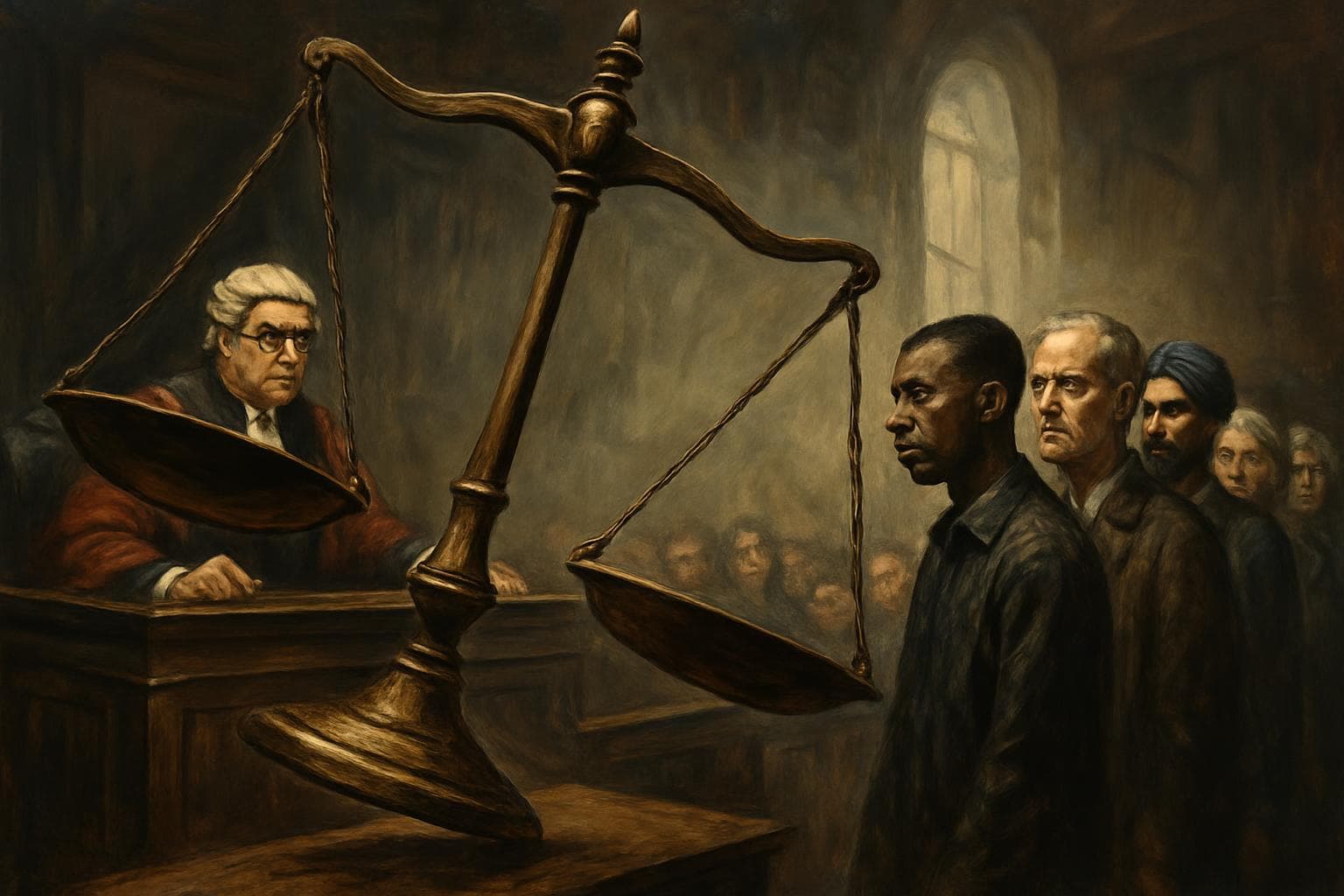
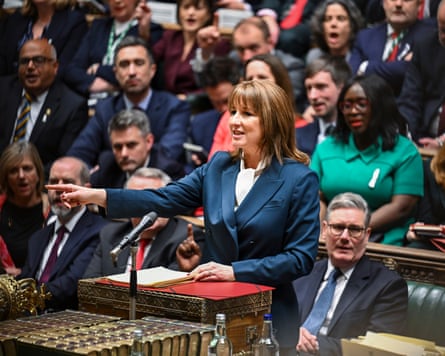
The UK government's proposal to significantly restrict the right to jury trials has ignited a heated debate over its potential impact on justice and democracy. Justice Secretary David Lammy has suggested limiting jury trials to only the most serious offenses, such as murder, rape, and manslaughter, in an effort to tackle a daunting backlog of nearly 80,000 cases in the crown courts. This backlog means that suspects charged today might not see a trial until 2029 or beyond.
Concerns Over Racial Justice
Critics, including leading barristers and legal reform advocates, have expressed grave concerns about the implications of these proposals on racial justice. They argue that the removal of jury trials could exacerbate existing biases in the legal system, particularly affecting Black, Asian, and minority ethnic defendants. Lammy's own 2017 review highlighted the role of juries in mitigating racial prejudice, noting that juries tend to deliver more equitable outcomes compared to magistrates' courts.
Legal System Under Strain
The proposals also include increasing the powers of magistrates, allowing them to preside over cases with sentences of up to two years. This move, critics argue, could further erode the right to a jury trial, a cornerstone of British democracy enshrined in the Magna Carta. John Campion, the Police and Crime Commissioner for West Mercia, described the backlog as "ridiculous" and urged the government to explore alternative solutions to improve court efficiency.
Government's Position
While the Ministry of Justice acknowledges the crisis in the courts, it maintains that no final decision has been made regarding these proposals. The government insists that bold action is necessary to address the delays that are causing significant distress to victims and defendants alike.
WHAT THIS MIGHT MEAN
If implemented, these proposals could fundamentally alter the landscape of the UK's legal system, potentially leading to increased racial disparities and miscarriages of justice. Legal experts warn that the absence of jury trials could undermine public confidence in the justice system. Politically, the government may face significant backlash from civil rights groups and the legal community, which could influence future policy decisions. As the debate continues, the government will need to carefully weigh the potential benefits of reducing court backlogs against the risk of compromising fundamental legal rights.
Images from the Web

Related Articles
UK Police Intensify Investigation into Andrew Mountbatten-Windsor Amid Misconduct Allegations
Prince Andrew's Arrest Intensifies Scrutiny on Royal Succession and Prince William's Future Role
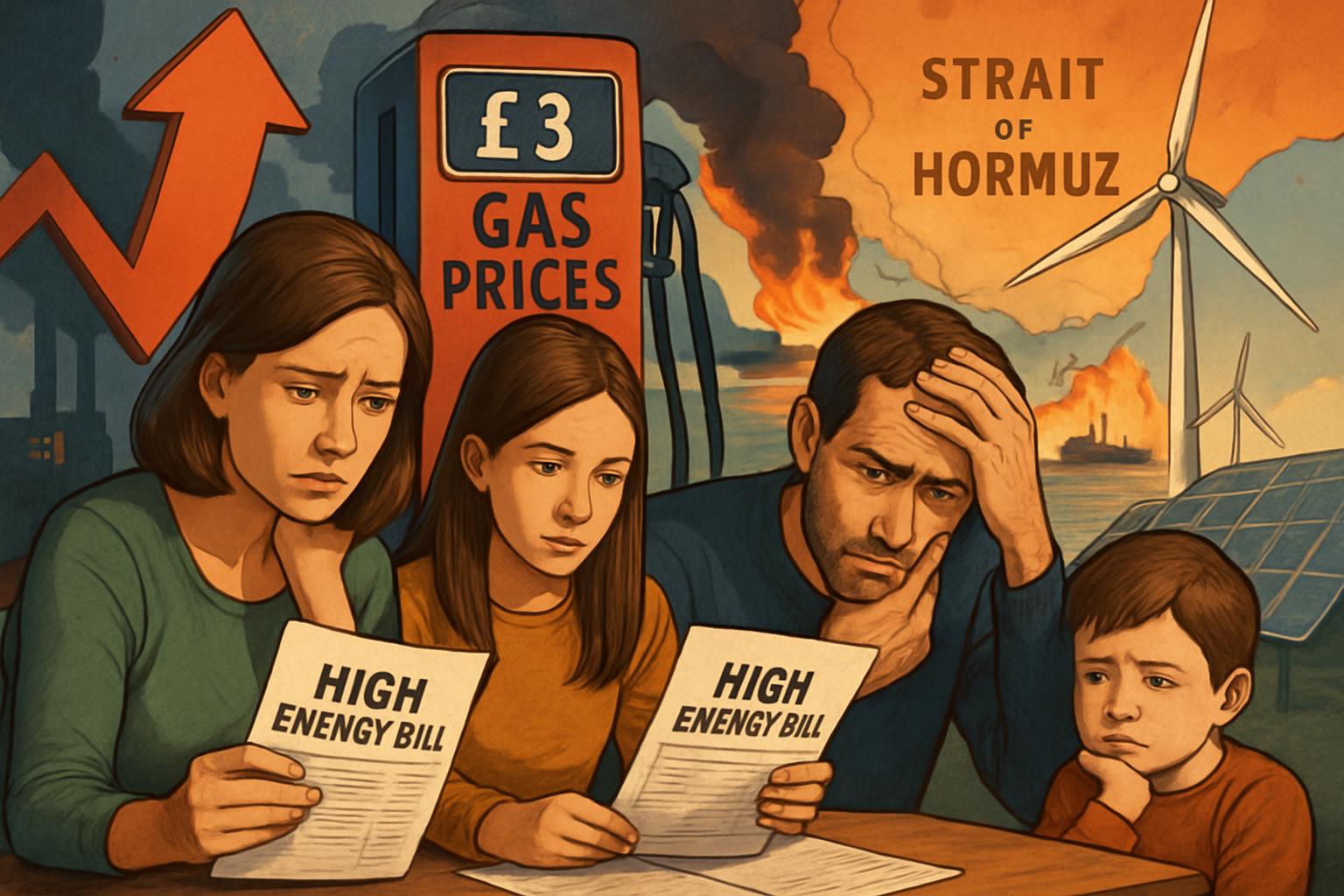
Middle East Conflict Drives UK Energy Prices to New Highs

Government Announces £4 Billion Overhaul of SEND Support in England

UK Government Announces Major Overhaul of SEND System with £3.4 Billion Investment
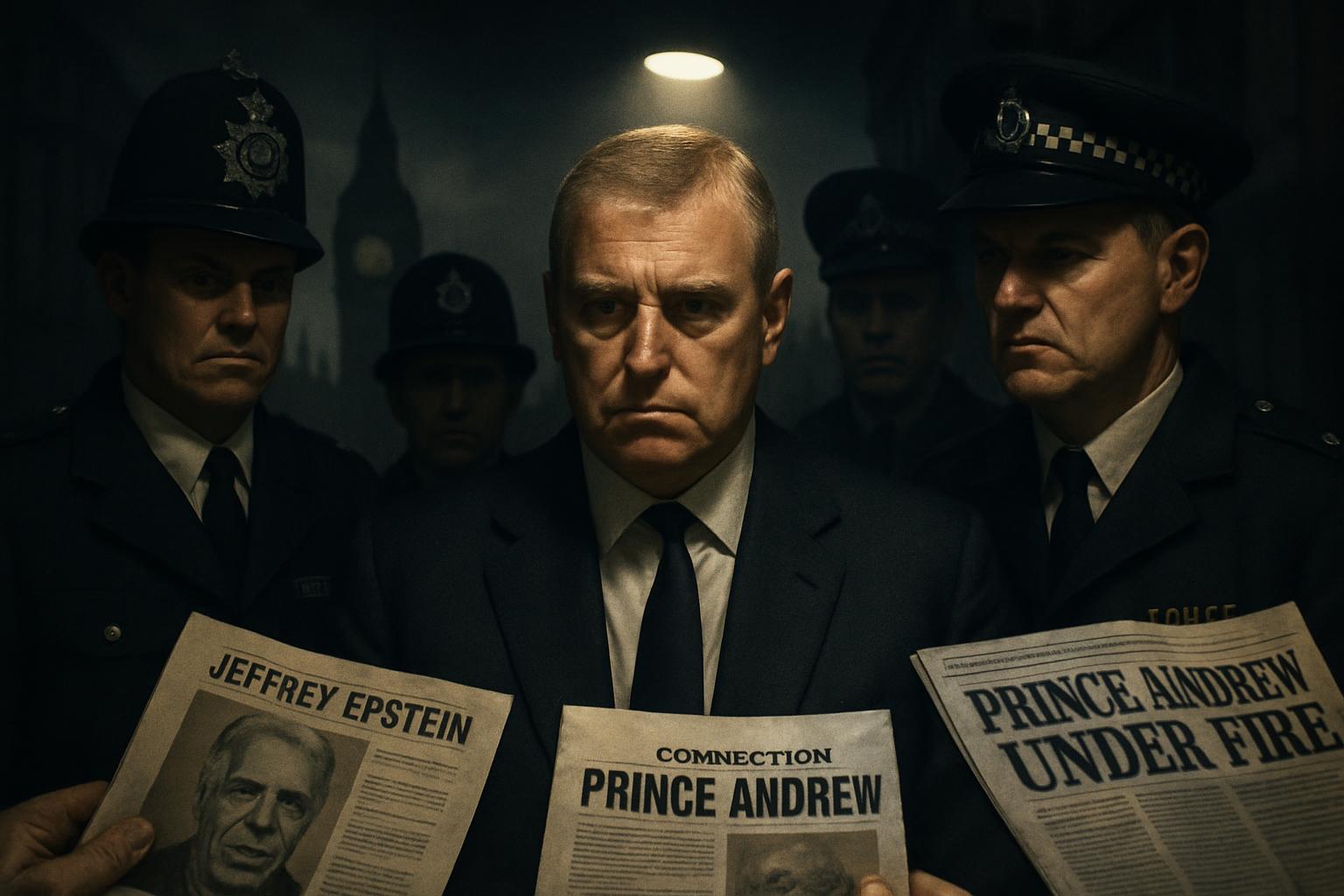
Prince Andrew's Ties to Epstein Under Scrutiny Amid Calls for Inquiry
UK Government's Proposal to Limit Jury Trials Sparks Controversy
In This Article
 Sofia Romano| Published
 HIGHLIGHTS
- The UK government is considering limiting jury trials to only the most serious cases, such as murder and rape, to address a court backlog of nearly 80,000 cases.
- Justice Secretary David Lammy's proposals have sparked criticism for potentially increasing racial injustice and undermining democratic principles.
- Critics argue that removing jury trials could lead to more miscarriages of justice, particularly affecting Black, Asian, and minority ethnic defendants.
- The proposals suggest increasing magistrates' powers, allowing them to handle cases with sentences up to two years, further reducing jury trials.
- The Ministry of Justice acknowledges the crisis but has not yet made a final decision on implementing these changes.
The UK government's proposal to significantly restrict the right to jury trials has ignited a heated debate over its potential impact on justice and democracy. Justice Secretary David Lammy has suggested limiting jury trials to only the most serious offenses, such as murder, rape, and manslaughter, in an effort to tackle a daunting backlog of nearly 80,000 cases in the crown courts. This backlog means that suspects charged today might not see a trial until 2029 or beyond.
Concerns Over Racial Justice
Critics, including leading barristers and legal reform advocates, have expressed grave concerns about the implications of these proposals on racial justice. They argue that the removal of jury trials could exacerbate existing biases in the legal system, particularly affecting Black, Asian, and minority ethnic defendants. Lammy's own 2017 review highlighted the role of juries in mitigating racial prejudice, noting that juries tend to deliver more equitable outcomes compared to magistrates' courts.
Legal System Under Strain
The proposals also include increasing the powers of magistrates, allowing them to preside over cases with sentences of up to two years. This move, critics argue, could further erode the right to a jury trial, a cornerstone of British democracy enshrined in the Magna Carta. John Campion, the Police and Crime Commissioner for West Mercia, described the backlog as "ridiculous" and urged the government to explore alternative solutions to improve court efficiency.
Government's Position
While the Ministry of Justice acknowledges the crisis in the courts, it maintains that no final decision has been made regarding these proposals. The government insists that bold action is necessary to address the delays that are causing significant distress to victims and defendants alike.
WHAT THIS MIGHT MEAN
If implemented, these proposals could fundamentally alter the landscape of the UK's legal system, potentially leading to increased racial disparities and miscarriages of justice. Legal experts warn that the absence of jury trials could undermine public confidence in the justice system. Politically, the government may face significant backlash from civil rights groups and the legal community, which could influence future policy decisions. As the debate continues, the government will need to carefully weigh the potential benefits of reducing court backlogs against the risk of compromising fundamental legal rights.
Images from the Web
Related Articles
UK Police Intensify Investigation into Andrew Mountbatten-Windsor Amid Misconduct Allegations
Prince Andrew's Arrest Intensifies Scrutiny on Royal Succession and Prince William's Future Role
Middle East Conflict Drives UK Energy Prices to New Highs
Government Announces £4 Billion Overhaul of SEND Support in England
UK Government Announces Major Overhaul of SEND System with £3.4 Billion Investment
Prince Andrew's Ties to Epstein Under Scrutiny Amid Calls for Inquiry