
Protests Erupt Across UK Over Asylum Seeker Accommodations
In This Article
HIGHLIGHTS
- Five arrests were made in west London after masked men attempted to enter a hotel housing asylum seekers.
- A Section 60AA order allows police to demand the removal of face coverings during protests in Epping.
- Protests and counter-demonstrations occurred across England and Scotland, including in Falkirk and Epping.
- The Court of Appeal overturned an injunction blocking asylum seekers from staying at the Bell Hotel in Epping.
- Police enforced dispersal orders to prevent disorder, with additional powers granted under the Public Order Act.
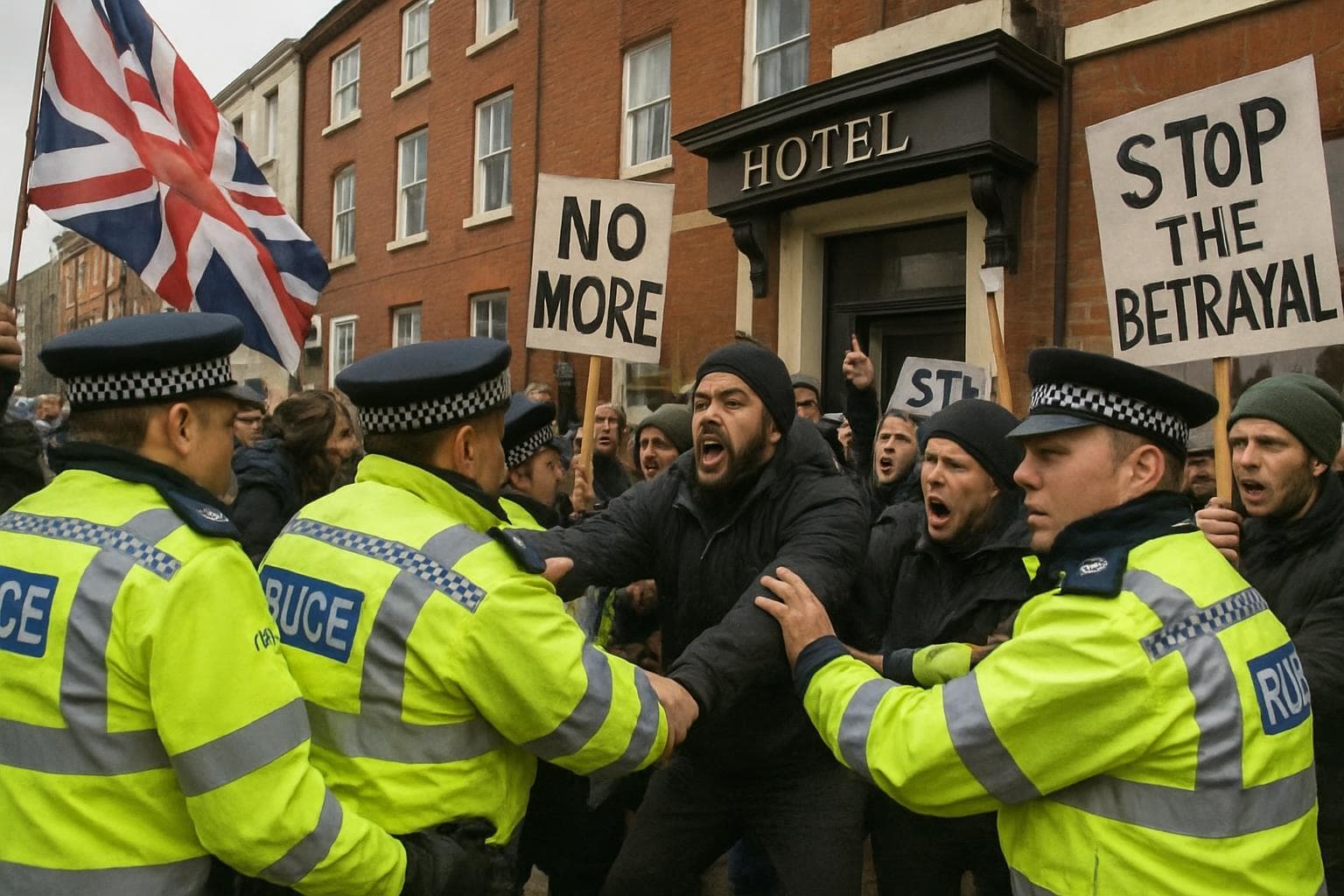
In a series of coordinated protests across the UK, tensions flared as demonstrators clashed over the housing of asylum seekers in hotels. The Metropolitan Police arrested five individuals in west London after a group of masked men attempted to breach the Crowne Plaza hotel in Stockley Road, West Drayton, where asylum seekers are currently housed. The men tried to enter through a rear entrance, damaging security fences in the process.
Rising Tensions in London and Beyond
The protests, involving around 500 people, were part of a broader wave of demonstrations against asylum seeker accommodations. In west London, police enforced cordons to maintain order, resulting in three arrests for offences including assault on a police officer and violent disorder. Two officers sustained minor injuries during the unrest. Commander Adam Slonecki emphasized the importance of maintaining peace, stating, "Further arrests will be made if we need to tackle disorder."
Legal Measures and Police Powers
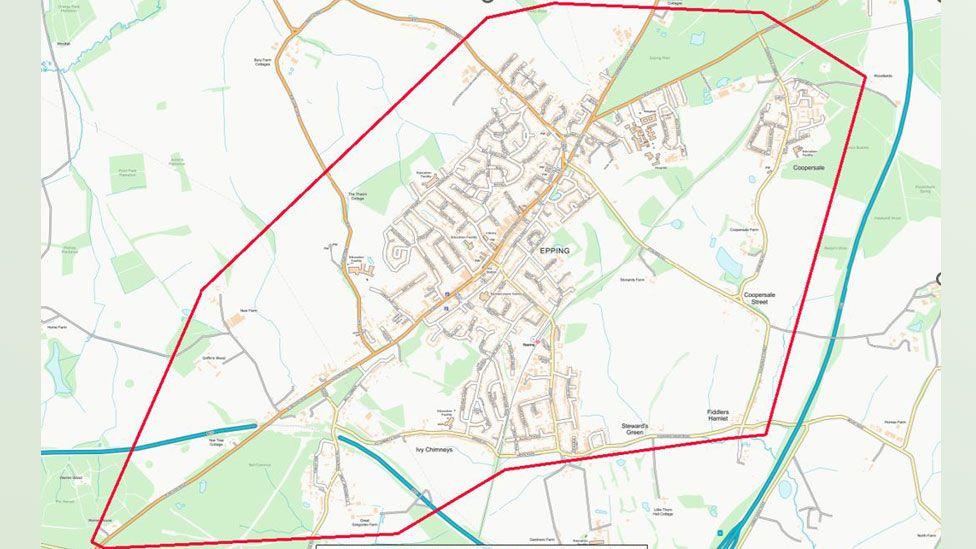
In Epping, Essex Police implemented a Section 60AA order under the Public Order Act 1986, granting officers the authority to demand the removal of face coverings during protests. This measure, alongside a dispersal order, aims to curb anti-social behavior and maintain public order. Assistant Chief Constable Glen Pavelin remarked, "We must guard against the impact of anti-social behavior on our community."
Court Rulings and Political Reactions
The Court of Appeal recently overturned an injunction that had blocked asylum seekers from residing at the Bell Hotel in Epping. The Home Office argued that removing the asylum seekers could disrupt the accommodation system. Despite the ruling, local authorities, including the Epping Forest District Council, vowed to continue their legal battle. Conservative leader Kemi Badenoch criticized the decision, while Labour's shadow justice secretary Robert Jenrick highlighted the lack of acceptable accommodations for migrants.
Nationwide Demonstrations
Elsewhere, protests and counter-demonstrations unfolded in locations such as Falkirk, Scotland, where hundreds gathered outside a hotel housing asylum seekers. Scottish Labour MP Euan Stainbank called for a reformed asylum system, stating, "We must fix the broken asylum system which has not worked for years."
WHAT THIS MIGHT MEAN
The recent protests underscore the growing tensions surrounding asylum seeker accommodations in the UK. As legal battles continue, the government's approach to housing asylum seekers remains under scrutiny. The enforcement of Section 60AA orders and dispersal measures reflects a heightened focus on maintaining public order amid rising unrest. Moving forward, the outcome of ongoing legal proceedings and political debates will likely shape future policies and public sentiment regarding asylum seekers in the UK.
Images from the Web
Related Articles
Labour MP's Husband Arrested in UK-China Espionage Probe

Police Federation Chief Arrested Amid Fraud Investigation
UK Government to Reform Asylum Seeker Support and Employment Policies

UK-Iran Tensions: Starmer Defends Cautious Approach Amid Trump Criticism

Saharan Dust to Illuminate UK Skies with Vivid Sunrises and Sunsets

Canada and Australia Forge Strategic Partnership Amid Global Uncertainty
Protests Erupt Across UK Over Asylum Seeker Accommodations
In This Article
 Sofia Romano| Published
 HIGHLIGHTS
- Five arrests were made in west London after masked men attempted to enter a hotel housing asylum seekers.
- A Section 60AA order allows police to demand the removal of face coverings during protests in Epping.
- Protests and counter-demonstrations occurred across England and Scotland, including in Falkirk and Epping.
- The Court of Appeal overturned an injunction blocking asylum seekers from staying at the Bell Hotel in Epping.
- Police enforced dispersal orders to prevent disorder, with additional powers granted under the Public Order Act.
In a series of coordinated protests across the UK, tensions flared as demonstrators clashed over the housing of asylum seekers in hotels. The Metropolitan Police arrested five individuals in west London after a group of masked men attempted to breach the Crowne Plaza hotel in Stockley Road, West Drayton, where asylum seekers are currently housed. The men tried to enter through a rear entrance, damaging security fences in the process.
Rising Tensions in London and Beyond
The protests, involving around 500 people, were part of a broader wave of demonstrations against asylum seeker accommodations. In west London, police enforced cordons to maintain order, resulting in three arrests for offences including assault on a police officer and violent disorder. Two officers sustained minor injuries during the unrest. Commander Adam Slonecki emphasized the importance of maintaining peace, stating, "Further arrests will be made if we need to tackle disorder."
Legal Measures and Police Powers
In Epping, Essex Police implemented a Section 60AA order under the Public Order Act 1986, granting officers the authority to demand the removal of face coverings during protests. This measure, alongside a dispersal order, aims to curb anti-social behavior and maintain public order. Assistant Chief Constable Glen Pavelin remarked, "We must guard against the impact of anti-social behavior on our community."
Court Rulings and Political Reactions
The Court of Appeal recently overturned an injunction that had blocked asylum seekers from residing at the Bell Hotel in Epping. The Home Office argued that removing the asylum seekers could disrupt the accommodation system. Despite the ruling, local authorities, including the Epping Forest District Council, vowed to continue their legal battle. Conservative leader Kemi Badenoch criticized the decision, while Labour's shadow justice secretary Robert Jenrick highlighted the lack of acceptable accommodations for migrants.
Nationwide Demonstrations
Elsewhere, protests and counter-demonstrations unfolded in locations such as Falkirk, Scotland, where hundreds gathered outside a hotel housing asylum seekers. Scottish Labour MP Euan Stainbank called for a reformed asylum system, stating, "We must fix the broken asylum system which has not worked for years."
WHAT THIS MIGHT MEAN
The recent protests underscore the growing tensions surrounding asylum seeker accommodations in the UK. As legal battles continue, the government's approach to housing asylum seekers remains under scrutiny. The enforcement of Section 60AA orders and dispersal measures reflects a heightened focus on maintaining public order amid rising unrest. Moving forward, the outcome of ongoing legal proceedings and political debates will likely shape future policies and public sentiment regarding asylum seekers in the UK.
Images from the Web
Related Articles
Labour MP's Husband Arrested in UK-China Espionage Probe
Police Federation Chief Arrested Amid Fraud Investigation
UK Government to Reform Asylum Seeker Support and Employment Policies
UK-Iran Tensions: Starmer Defends Cautious Approach Amid Trump Criticism
Saharan Dust to Illuminate UK Skies with Vivid Sunrises and Sunsets
Canada and Australia Forge Strategic Partnership Amid Global Uncertainty