
Rail Travel Accessibility Concerns for Blind Passengers in the UK
In This Article
HIGHLIGHTS
- A survey by the RNIB reveals that four in five blind passengers struggle with gaps at UK train stations, leading to injuries and anxiety.
- Paul Goddard, a blind railway campaigner, highlights the inconsistent passenger assistance at stations like London Bridge.
- The UK government recently canceled 19 station accessibility projects, sparking disappointment among blind passengers.
- Only 44% of blind passengers are reliably met by assistance staff, according to the RNIB survey.
- The RNIB urges the government to embed accessibility in the upcoming Great British Railways legislation.
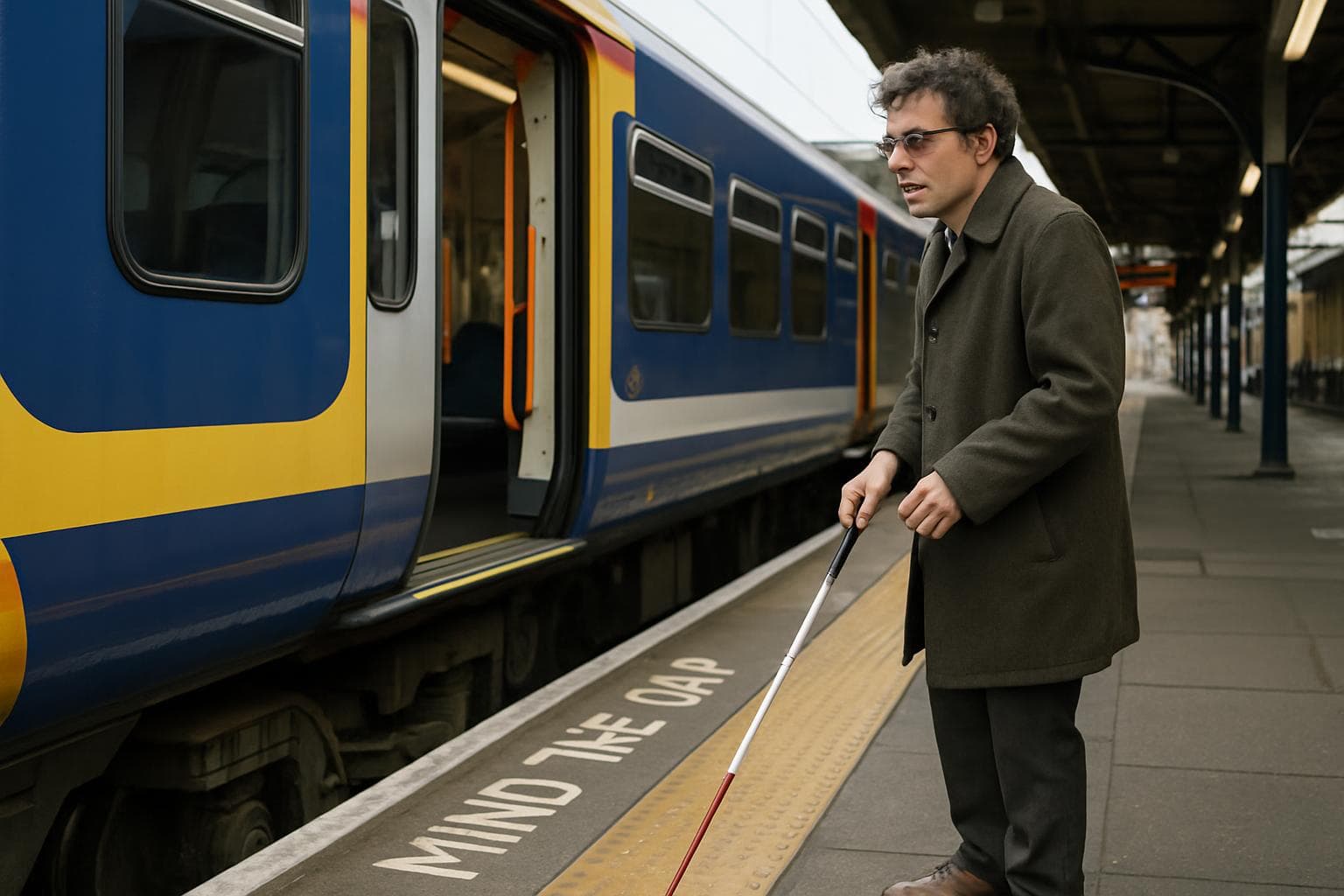
A recent survey by the Royal National Institute of Blind People (RNIB) has highlighted significant challenges faced by blind and partially sighted passengers using the UK's rail network. The study found that four in five individuals struggle with the gap between trains and platforms, with some experiencing injuries as a result. This issue, coupled with inconsistent passenger assistance, has led many to avoid train travel altogether.
Inconsistent Assistance and Safety Concerns
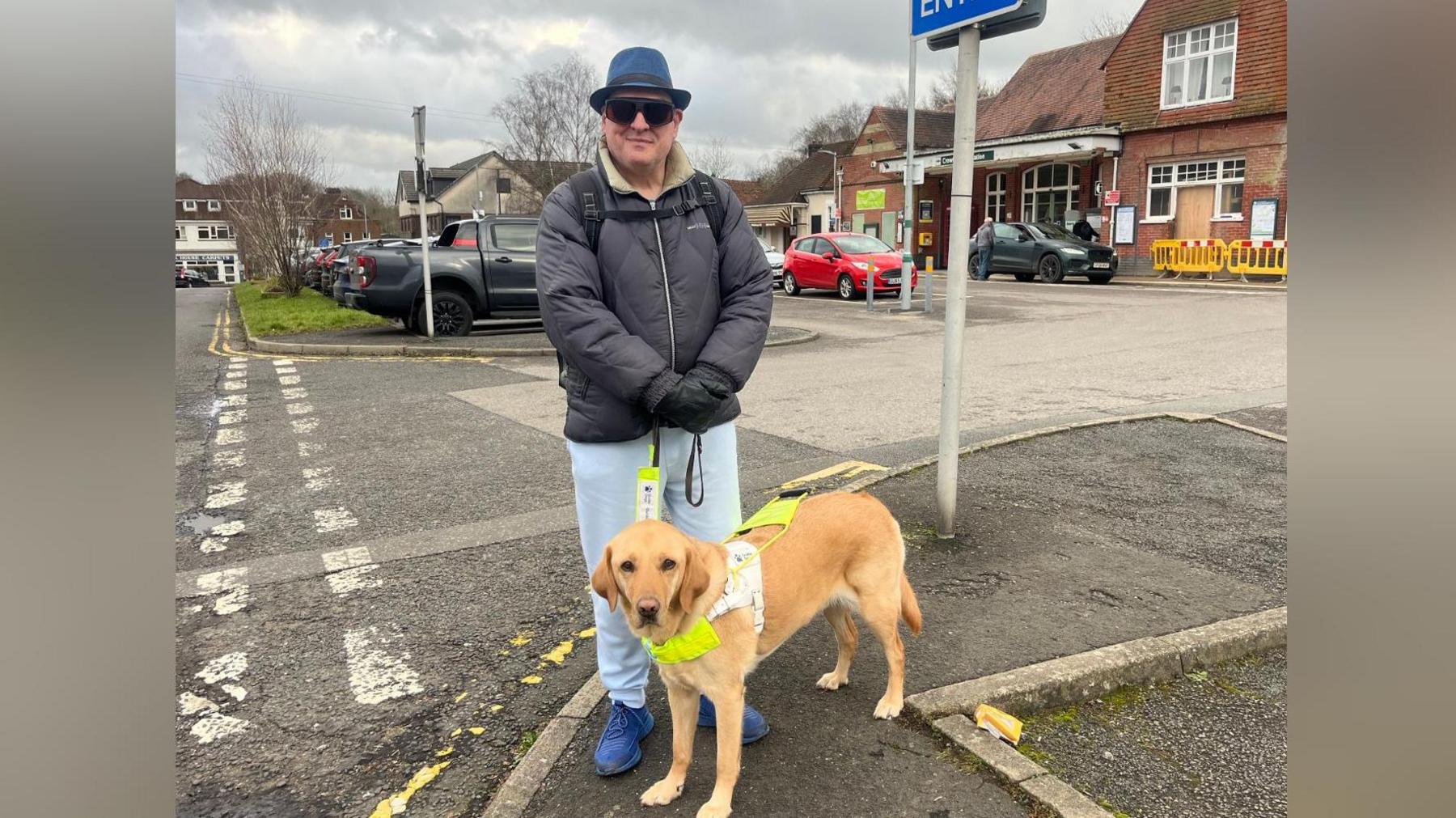
Paul Goddard, a blind railway campaigner from East Sussex, regularly travels to London and has described the passenger assistance program as "anxiety-inducing." Despite booking assistance through an app, Goddard often finds himself without support upon arrival at London Bridge station. "I'm literally left to my own devices to negotiate the station," he shared, echoing the sentiments of many surveyed by the RNIB.
The survey revealed that only 44% of blind passengers are reliably met by assistance staff, with many left stranded at stations. The lack of tactile wayfinding, which aids navigation for visually impaired individuals, is also a concern, with only one-fifth of respondents encountering it at stations.
Government's Accessibility Project Cancellations
The recent government decision to cancel 19 station accessibility projects has further fueled frustration among blind passengers. These projects were part of the Access for All program, aimed at improving railway accessibility. Goddard expressed disappointment, stating, "That, for me, simply says that they are not interested in accessibility."
Calls for Legislative Action
Erik Matthies, RNIB's policy lead for travel and transport, emphasized the need for the government to prioritize accessibility in the forthcoming Great British Railways legislation. "Blind and partially sighted people have to contend with challenging ticket-buying methods, inaccessible stations, and inconsistent gaps between the train and platform edges," he noted, urging for systemic changes to ensure safer and more reliable journeys.
WHAT THIS MIGHT MEAN
The cancellation of accessibility projects could have long-term implications for blind passengers, potentially leading to increased isolation and reduced independence. If the government fails to address these concerns in the upcoming Great British Railways legislation, it may face growing pressure from advocacy groups and the public. Experts suggest that integrating comprehensive accessibility measures could not only improve safety but also enhance the overall travel experience for all passengers. As discussions around the new railways bill continue, the focus on accessibility will be crucial in shaping a more inclusive transport system.
Images from the Web
Related Articles
UK Government to Reform Asylum Seeker Support and Employment Policies

Canada and Australia Forge Strategic Partnership Amid Global Uncertainty
Middle East Conflict Drives UK Energy Prices to New Highs

UK Faces Dilemmas Amid Iran Conflict and China Spying Allegations
UK Reinforces Military Presence in Cyprus Amid Middle East Tensions

Labour MP's Husband Arrested in UK-China Espionage Probe
Rail Travel Accessibility Concerns for Blind Passengers in the UK
In This Article
 Leila Hassan| Published
 HIGHLIGHTS
- A survey by the RNIB reveals that four in five blind passengers struggle with gaps at UK train stations, leading to injuries and anxiety.
- Paul Goddard, a blind railway campaigner, highlights the inconsistent passenger assistance at stations like London Bridge.
- The UK government recently canceled 19 station accessibility projects, sparking disappointment among blind passengers.
- Only 44% of blind passengers are reliably met by assistance staff, according to the RNIB survey.
- The RNIB urges the government to embed accessibility in the upcoming Great British Railways legislation.
A recent survey by the Royal National Institute of Blind People (RNIB) has highlighted significant challenges faced by blind and partially sighted passengers using the UK's rail network. The study found that four in five individuals struggle with the gap between trains and platforms, with some experiencing injuries as a result. This issue, coupled with inconsistent passenger assistance, has led many to avoid train travel altogether.
Inconsistent Assistance and Safety Concerns
Paul Goddard, a blind railway campaigner from East Sussex, regularly travels to London and has described the passenger assistance program as "anxiety-inducing." Despite booking assistance through an app, Goddard often finds himself without support upon arrival at London Bridge station. "I'm literally left to my own devices to negotiate the station," he shared, echoing the sentiments of many surveyed by the RNIB.
The survey revealed that only 44% of blind passengers are reliably met by assistance staff, with many left stranded at stations. The lack of tactile wayfinding, which aids navigation for visually impaired individuals, is also a concern, with only one-fifth of respondents encountering it at stations.
Government's Accessibility Project Cancellations
The recent government decision to cancel 19 station accessibility projects has further fueled frustration among blind passengers. These projects were part of the Access for All program, aimed at improving railway accessibility. Goddard expressed disappointment, stating, "That, for me, simply says that they are not interested in accessibility."
Calls for Legislative Action
Erik Matthies, RNIB's policy lead for travel and transport, emphasized the need for the government to prioritize accessibility in the forthcoming Great British Railways legislation. "Blind and partially sighted people have to contend with challenging ticket-buying methods, inaccessible stations, and inconsistent gaps between the train and platform edges," he noted, urging for systemic changes to ensure safer and more reliable journeys.
WHAT THIS MIGHT MEAN
The cancellation of accessibility projects could have long-term implications for blind passengers, potentially leading to increased isolation and reduced independence. If the government fails to address these concerns in the upcoming Great British Railways legislation, it may face growing pressure from advocacy groups and the public. Experts suggest that integrating comprehensive accessibility measures could not only improve safety but also enhance the overall travel experience for all passengers. As discussions around the new railways bill continue, the focus on accessibility will be crucial in shaping a more inclusive transport system.
Images from the Web
Related Articles
UK Government to Reform Asylum Seeker Support and Employment Policies
Canada and Australia Forge Strategic Partnership Amid Global Uncertainty
Middle East Conflict Drives UK Energy Prices to New Highs
UK Faces Dilemmas Amid Iran Conflict and China Spying Allegations
UK Reinforces Military Presence in Cyprus Amid Middle East Tensions
Labour MP's Husband Arrested in UK-China Espionage Probe