
UK Faces Record-Breaking Summer Temperatures Amid Climate Change Concerns
In This Article
HIGHLIGHTS
- The UK experienced its hottest summer on record in 2025, with a mean temperature of 16.1°C, surpassing the previous record set in 2018.
- Wales also recorded its hottest summer, with a mean temperature of 16.06°C, breaking a 30-year-old record.
- The Met Office attributes the record-breaking temperatures to climate change, making such summers 70 times more likely.
- Water shortages are a growing concern due to the dry summer, with parts of the UK facing significant trouble if a dry winter follows.
- Health issues related to the heat, such as dehydration and heat exhaustion, have been reported, with hundreds of heat-related deaths during the heatwaves.
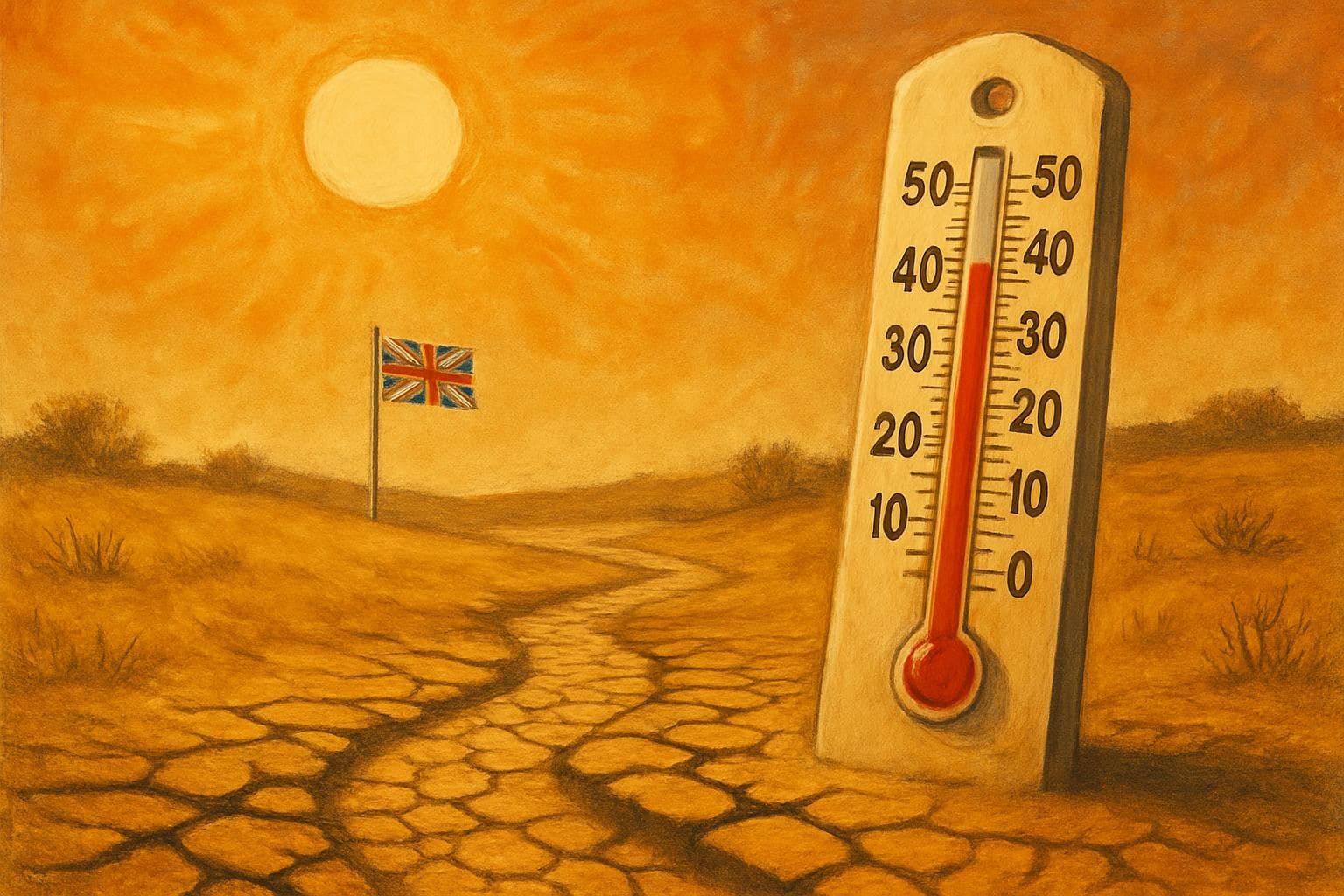
The United Kingdom has experienced its hottest summer on record in 2025, according to the Met Office, with the mean temperature reaching 16.1°C. This surpasses the previous record of 15.76°C set in 2018, marking a significant milestone in the ongoing trend of rising temperatures attributed to climate change.
Record Temperatures Across the UK
Wales also reported its hottest summer, with a mean temperature of 16.06°C, breaking a record that had stood since 1995. The highest temperature recorded in Wales was 33.1°C on July 12 in Cardiff's Bute Park. The Met Office noted that the UK experienced four heatwaves this summer, with temperatures exceeding 30°C on multiple occasions.
Climate Change and Its Implications
The Met Office's rapid analysis indicates that human-induced climate change has made these record-breaking temperatures about 70 times more likely. Dr. Mark McCarthy, head of climate attribution at the Met Office, highlighted that such extreme summers could become more common, with the potential for even hotter conditions in the near future.
Water Shortages and Health Concerns
The prolonged dry weather has raised concerns about water shortages, with parts of the UK potentially facing significant challenges if the upcoming winter remains dry. Dr. Jess Neumann from the University of Reading emphasized the need for rainfall to replenish rivers, reservoirs, and aquifers. Additionally, the heat has impacted public health, with reports of hundreds of heat-related deaths and conditions such as dehydration and heat exhaustion becoming prevalent.
A Broader Climate Trend
This summer's conditions align with a broader trend of hotter and drier summers, as evidenced by nine of the last ten summers exceeding long-term temperature norms. The number of very hot days has more than tripled compared to the 1961-1990 average, underscoring the urgent need for climate action.
WHAT THIS MIGHT MEAN
As the UK grapples with the implications of its hottest summer on record, the potential for future climate-related challenges looms large. If the upcoming winter fails to deliver sufficient rainfall, water shortages could become a critical issue, affecting agriculture, public water supply, and the environment. Policymakers may need to consider implementing more stringent water conservation measures and investing in infrastructure to mitigate the impact of prolonged dry spells.
The health sector may also face increased pressure to address heat-related illnesses, necessitating public health campaigns and resources to protect vulnerable populations. As climate change continues to drive extreme weather patterns, the UK must prioritize sustainable practices and policies to adapt to and mitigate these evolving challenges.
Related Articles

Saharan Dust to Illuminate UK Skies with Vivid Sunrises and Sunsets

Labour MP's Husband Arrested in UK-China Espionage Probe

UK Defence Faces Scrutiny Amid Ajax Armoured Vehicle Delays and Soldier Safety Concerns

Breakthrough Drug Offers Hope for Children with Severe Epilepsy

Sisters Tragically Drown at Eryri National Park's Watkin Path

Police Federation Chief Arrested Amid Fraud Investigation
UK Faces Record-Breaking Summer Temperatures Amid Climate Change Concerns
In This Article
 Leila Hassan| Published
 HIGHLIGHTS
- The UK experienced its hottest summer on record in 2025, with a mean temperature of 16.1°C, surpassing the previous record set in 2018.
- Wales also recorded its hottest summer, with a mean temperature of 16.06°C, breaking a 30-year-old record.
- The Met Office attributes the record-breaking temperatures to climate change, making such summers 70 times more likely.
- Water shortages are a growing concern due to the dry summer, with parts of the UK facing significant trouble if a dry winter follows.
- Health issues related to the heat, such as dehydration and heat exhaustion, have been reported, with hundreds of heat-related deaths during the heatwaves.
The United Kingdom has experienced its hottest summer on record in 2025, according to the Met Office, with the mean temperature reaching 16.1°C. This surpasses the previous record of 15.76°C set in 2018, marking a significant milestone in the ongoing trend of rising temperatures attributed to climate change.
Record Temperatures Across the UK
Wales also reported its hottest summer, with a mean temperature of 16.06°C, breaking a record that had stood since 1995. The highest temperature recorded in Wales was 33.1°C on July 12 in Cardiff's Bute Park. The Met Office noted that the UK experienced four heatwaves this summer, with temperatures exceeding 30°C on multiple occasions.
Climate Change and Its Implications
The Met Office's rapid analysis indicates that human-induced climate change has made these record-breaking temperatures about 70 times more likely. Dr. Mark McCarthy, head of climate attribution at the Met Office, highlighted that such extreme summers could become more common, with the potential for even hotter conditions in the near future.
Water Shortages and Health Concerns
The prolonged dry weather has raised concerns about water shortages, with parts of the UK potentially facing significant challenges if the upcoming winter remains dry. Dr. Jess Neumann from the University of Reading emphasized the need for rainfall to replenish rivers, reservoirs, and aquifers. Additionally, the heat has impacted public health, with reports of hundreds of heat-related deaths and conditions such as dehydration and heat exhaustion becoming prevalent.
A Broader Climate Trend
This summer's conditions align with a broader trend of hotter and drier summers, as evidenced by nine of the last ten summers exceeding long-term temperature norms. The number of very hot days has more than tripled compared to the 1961-1990 average, underscoring the urgent need for climate action.
WHAT THIS MIGHT MEAN
As the UK grapples with the implications of its hottest summer on record, the potential for future climate-related challenges looms large. If the upcoming winter fails to deliver sufficient rainfall, water shortages could become a critical issue, affecting agriculture, public water supply, and the environment. Policymakers may need to consider implementing more stringent water conservation measures and investing in infrastructure to mitigate the impact of prolonged dry spells.
The health sector may also face increased pressure to address heat-related illnesses, necessitating public health campaigns and resources to protect vulnerable populations. As climate change continues to drive extreme weather patterns, the UK must prioritize sustainable practices and policies to adapt to and mitigate these evolving challenges.
Related Articles
Saharan Dust to Illuminate UK Skies with Vivid Sunrises and Sunsets
Labour MP's Husband Arrested in UK-China Espionage Probe
UK Defence Faces Scrutiny Amid Ajax Armoured Vehicle Delays and Soldier Safety Concerns
Breakthrough Drug Offers Hope for Children with Severe Epilepsy
Sisters Tragically Drown at Eryri National Park's Watkin Path
Police Federation Chief Arrested Amid Fraud Investigation